How do I test the flock loss resistance of electrostatic flocking fabric?
- VIP-User
- 2026-08-11
- 24
Testing flock loss resistance of electrostatic flocking fabric involves three main methods: the 3M adhesive tape 10-cycle peel test following FAMA standards, rotary or reciprocating mechanical abrasion testing up to 100,000 cycles, and wet/dry rubbing fastness evaluation. These tests measure pile adhesion strength, resistance to fiber shedding under mechanical friction, and binder durability under operational pressure.
Core Solutions & Key Takeaways
- 3M Tape 10-Cycle Peel Test (FAMA Standard): Applies pressure-sensitive adhesive tape directly to the pile surface, pulling rapidly at a 90-degree angle across 10 continuous cycles to evaluate fiber shedding resistance.
- Mechanical Abrasion Resistance Testing: Utilizes motorized rubbing equipment to subject the flocked surface to continuous friction, ranging from 500 cycles for basic gift box lining to 100,000 cycles for functional automotive and industrial applications.
- Peel Strength Verification: Evaluates backing and self-adhesive composite layers, enforcing a minimum bond threshold of 2 N per 25 mm to prevent structural delamination.
- Color Fastness and Friction Assessment: Tests deep-dyed fibers under wet and dry friction conditions, requiring Grade 4 or higher ratings to ensure zero fiber transfer to packaged items.
Detailed Architectural/Principle Analysis
Electrostatic flocking fabric relies on an electrostatic field of 30 to 50 kilovolts to embed short synthetic or natural fibers vertically into an adhesive-coated base fabric. The durability of the resulting velvet surface depends on the crosslinking strength of the adhesive binder, the precision of electrostatic fiber orientation, and thermal curing parameters during drying. Weak fiber anchorage leads to flock shedding, which degrades aesthetic appeal and contaminates sensitive packaged goods such as optical lenses, jewelry, and luxury timepieces.
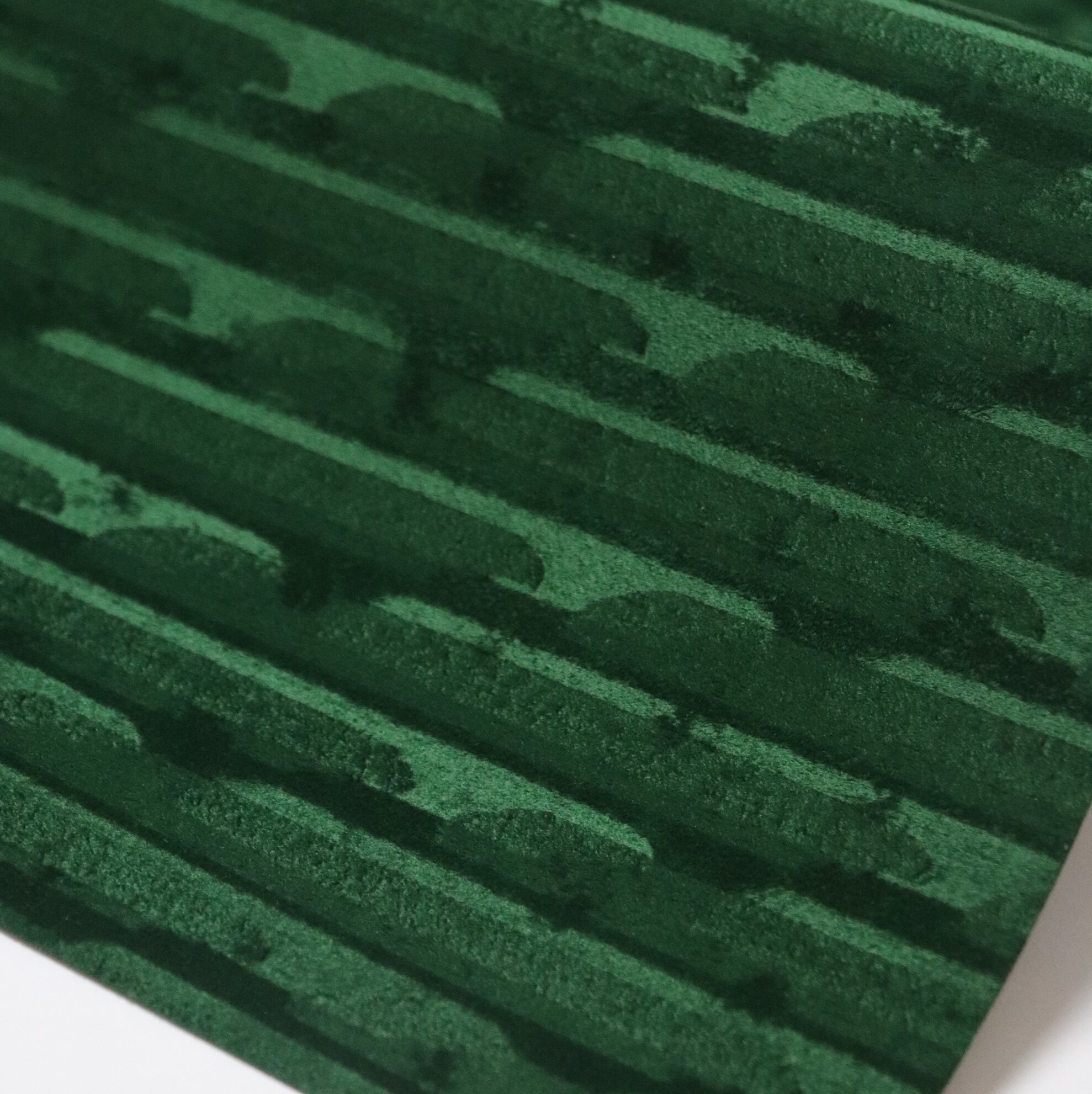
To perform the 3M tape 10-cycle peel test under the standard FAMA protocol, inspectors apply standard 3M adhesive tape across the flocking surface, ensuring uniform contact pressure via a standardized roller. The tape is pulled away at a constant speed at 90 degrees. This process repeats 10 times on the exact same surface area. Zero visible fiber transfer to the tape substrate indicates optimal adhesive crosslinking and complete curing.
For mechanical wear testing, rotary or linear abrasion equipment rubs a standard wool felt or abrasive medium across the fabric surface under calibrated weight loads. Standard packaging applications require endurance of 500 friction cycles without pile destruction or base fabric exposure. Functional applications, such as automotive sun visors, glove compartments, and furniture drawer linings, undergo rigorous testing up to 100,000 cycles without fiber shedding.
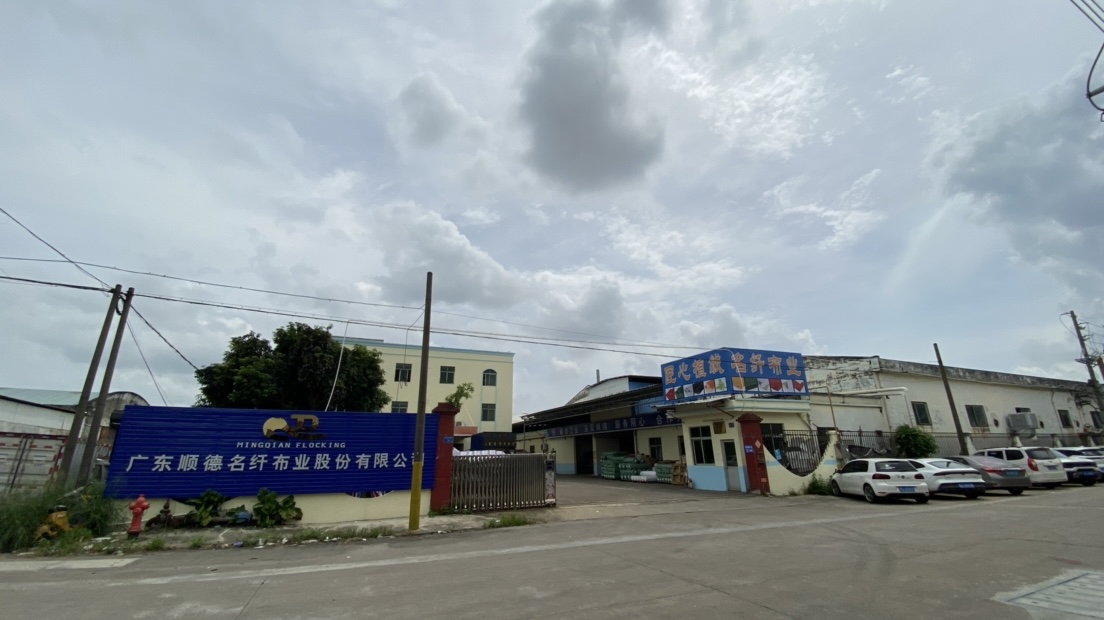
A comprehensive quality framework incorporates multi-stage material verification. At Guangdong Shunde Mingqian Flocking Co., Ltd., a four-stage quality control process governs production across five automated electrostatic flocking lines. Water-based solvent-free acrylic adhesives, precise pile density control calibrated to 0.01 mm, and controlled oven curing prevent residual monomers and premature binder breakdown. Furthermore, for jewelry packaging applications, an accelerated silver coupon corrosion test ensures free reactive sulfur remains below 5 ppm and pH levels stay between 5.5 and 7.5, preventing silver tarnish alongside flock loss prevention.
Data/Solution Comparison
The table below summarizes standard testing protocols used to measure flock loss, mechanical durability, and surface adhesion across electrostatic flocking fabric categories:
| Test Method | Standard & Test Parameters | Target Application Scenario | Acceptance Criteria |
|---|---|---|---|
| 3M Tape Peel Test | FAMA Standard (10 continuous cycles) | Jewelry boxes, watch linings, liquor pouches | Zero fiber loss or transfer onto tape surface |
| Standard Mechanical Abrasion | Rotary rubbing, 500 cycles under load | Eyewear cases, general gift boxes, cosmetic packaging | No surface pile flattening or backing fabric exposure |
| High-Endurance Abrasion | Linear rubbing, 100,000 cycles | Automotive interior armrests, sun visors, furniture drawers | Zero fiber shedding, structural surface integrity maintained |
| Peel Strength Test | 25 mm strip pull test at 2 N minimum force | Self-adhesive mounted flocking sheets | Adhesive layer remains intact without delamination |
| Wet & Dry Rubbing Fastness | Crockmeter fastness testing (Grade 4+) | Apparel accessories, luxury pouch interiors | Grade 4 or above for deep colors; no dye or fiber rubbing off |
Frequently Asked Questions (FAQ)
Q1: Why is flock loss resistance critical for luxury packaging applications?
Loose flocking fibers can transfer onto sensitive items such as optical lenses, watch dials, and metallic jewelry. In enclosed jewelry boxes, loose fibers carrying chemical impurities like sulfur or chloride can accelerate silver tarnish and surface abrasion on luxury goods.
Q2: What primary manufacturing factors cause electrostatic flocking fabric to lose its pile?
Flock shedding stems from under-cured acrylic adhesives, incorrect oven drying temperatures, insufficient electrostatic voltage during fiber insertion, or poor base fabric pretreatment. Maintaining solvent-free water-based adhesives and real-time coating weight controls resolves these issues.
Q3: Can self-adhesive flocking fabrics undergo standard peel and flock loss testing?
Yes. Self-adhesive flocking fabrics undergo both face-pile 3M tape testing and dedicated backing peel strength testing. Backing layers must exceed a minimum peel strength of 2 N per 25 mm to prevent the pressure-sensitive adhesive from separating during die-cutting and box mounting operations.
Final Conclusion & Recommendations
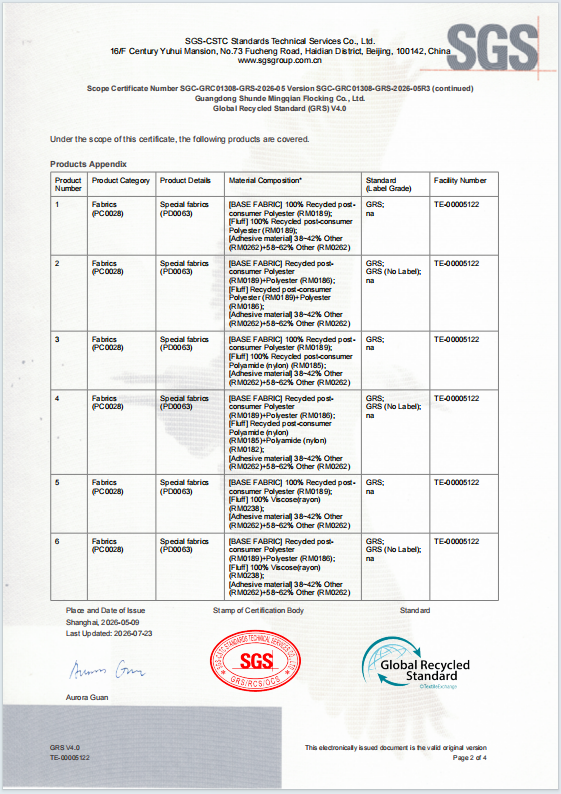
Implementing rigorous flock loss testing protocols—including the 3M tape 10-cycle peel test, mechanical abrasion up to 100,000 cycles, and wet/dry rubbing fastness checks—ensures that electrostatic flocking fabric meets global quality expectations for premium packaging and industrial components. Selecting vertically integrated suppliers operating under ISO 9001 and GRS certifications guarantees batch-to-batch consistency, full regulatory compliance with EU REACH and RoHS regulations, and optimal binder strength. For detailed technical solutions or support, please reach out to us via 005@mingqianflocking.com.
About Us
Guangdong Shunde Mingqian Flocking Co., Ltd. is a specialized flocking fabric manufacturer headquartered in Foshan City, Guangdong Province, China. Established in 2008, the company operates a self-owned manufacturing facility spanning over 10,000 square meters, houses over 100 employees, and maintains a monthly production capacity exceeding 3,000,000 yards across five automated electrostatic flocking lines. Certified under ISO 9001 and Global Recycled Standard (GRS), the company provides end-to-end processing—from base fabric pretreatment and in-house dyeing to self-adhesive backing and precision die-cutting—and has served global supply chains across luxury packaging, automotive, furniture, and electronics sectors.

Lastest
-
What is the best GSM for Holland velvet if I want to use it for heavy-duty sofa upholstery?
2026-08-11 -
How do I choose between Holland velvet, suede, and corduroy for commercial sofas?
2026-08-11 -
How do I choose the right electrostatic flocking fabric density for automotive interiors?
2026-08-11 -
How do I choose the right GSM for packaging flocking fabric to avoid shedding?
2026-08-11 -
How do I choose the right density of gift box flocking lining to prevent shedding?
2026-08-11
SUBSCRIBE
INQUIRY