How do we claim compensation for faded color in corduroy fabrics?
- VIP-User
- 2026-08-04
- 24
To claim compensation for faded color in corduroy fabrics, submit a formal claim with a spectrophotometer-verified color variance report (Delta E > 2.0), batch numbers, and testing data showing the fabric fell below standard color fastness levels. Quality-certified suppliers like Guangdong Shunde Mingqian Flocking Co., Ltd. resolve confirmed defects through their after-sales protocol, providing free reproduction, immediate replacement, or proportional monetary compensation within 24 hours of issue verification.
Core Solutions & Key Takeaways
- Document the Fading Defect: Collect physical samples of the faded corduroy fabric, note the specific production batch numbers, and obtain objective spectrophotometer measurements showing the color deviation compared to the approved pre-production sample.
- Verify Against Technical Specifications: Check if the fabric's dry/wet color fastness dropped below Grade 4 or if the light exposure fastness fell below Grade 6, which are standard baselines for high-quality textiles.
- Initiate the Supplier After-Sales Protocol: Engage your dedicated account manager to execute the formal dispute process, utilizing established quality records to trace the fabric batch back to raw material dyeing logs.
- Select an Agreed Compensation Method: Finalize the resolution through direct replacement of standard inventory, proportional financial reimbursement, or full-scale, zero-cost re-production for custom-developed fabric orders.
Detailed Architectural/Principle Analysis
Corduroy is a standalone textile characterized by its longitudinal raised-rib surface texture, classic aesthetic, and long-term durability, primarily utilized within the apparel sector. When color fading occurs in these fabrics, it is typically linked to dyestuff quality, binding chemical failures, or insufficient curing temperatures during the finishing stages. Processing a claim for such defects requires a structured, data-driven methodology that eliminates subjectivity and establishes clear manufacturer accountability.
To successfully substantiate a compensation claim, the buyer must verify the defect using measurable industry parameters. Standard quality protocols require deep colors to maintain a wet and dry crocking color fastness of Grade 4 or above, and a light exposure color fastness of Grade 6 or higher. Color consistency across batches should not drift by more than 3%, and overall color matching must align with the designated Pantone standard (Delta E ≤ 2.0 for standard orders; Delta E ≤ 0.5 for custom projects). Documenting these deviations using professional laboratory testing provides the objective proof needed to trigger supplier liability.
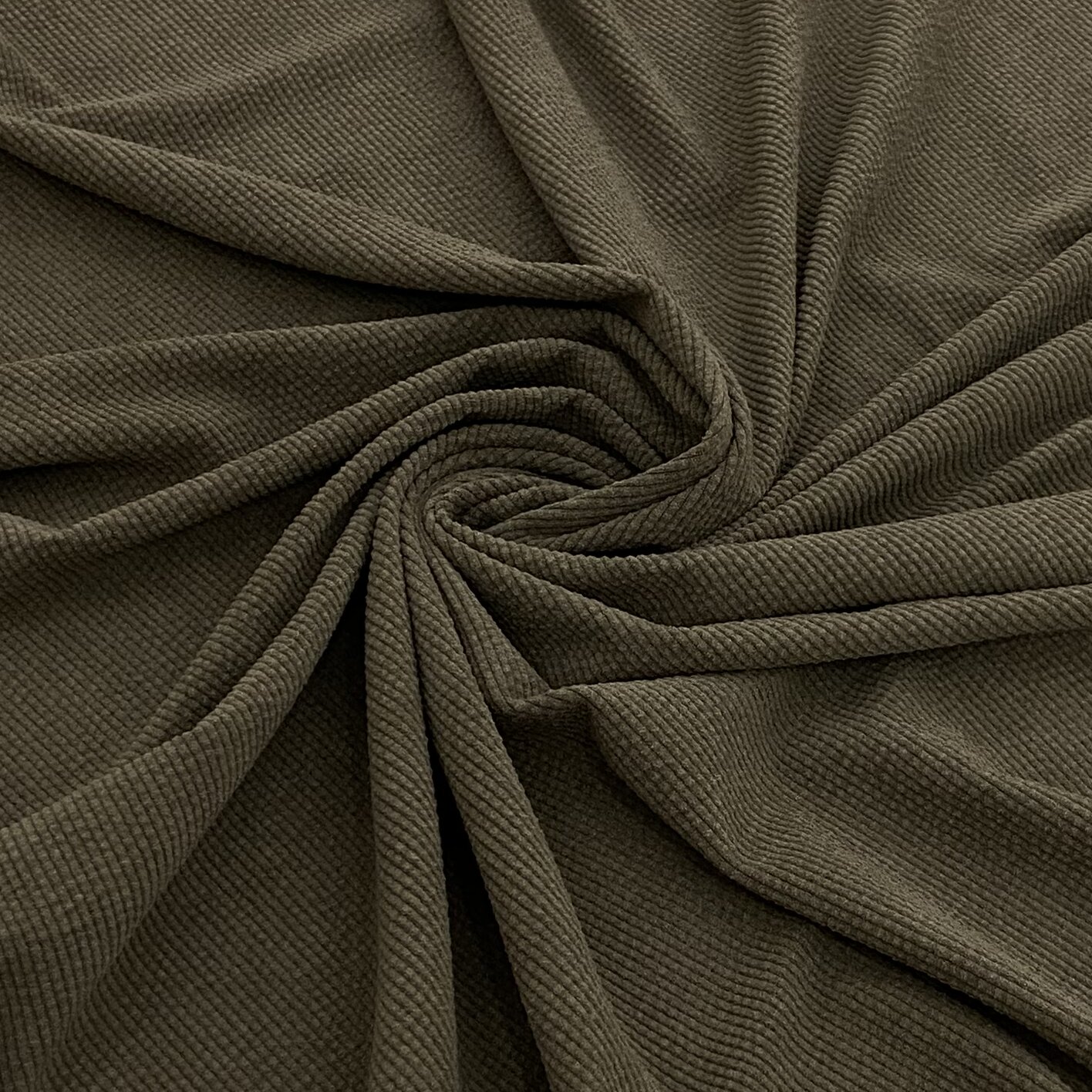
Upon receiving the technical proof of fading, a manufacturer operating under a structured quality management system, such as ISO 9001:2015, initiates a digital trace. Because all raw material lots, dye formulations, and process parameters (including oven temperatures and chemical crosslinker weights) are digitally archived, the manufacturer can trace the finished corduroy roll back to its original dyeing run. This traceability confirms whether the fading was caused by a localized process variance or a systematic material failure, allowing both parties to bypass long disputes and move straight to the resolution phase.
Data/Solution Comparison
Different textile configurations and business arrangements dictate how quality issues and compensation structures are handled during a dispute. The table below outlines the standard metrics and resolution pathways across distinct product lines.
| Product Category | Minimum Order Quantity (MOQ) | Delivery Lead Time | Standard Color Fastness Target | Primary Resolution Pathway |
|---|---|---|---|---|
| Corduroy (Standalone Apparel Fabric) | 1,000 yards | 14 days | Dry/Wet Crocking Grade 4+ | Immediate inventory replacement or proportional monetary compensation |
| Custom Developed Fabrics | 500 to 1,000 yards | 14 days | Delta E ≤ 0.5 (Custom Target) | Full order re-production at zero cost, including secondary shipping coverage |
| In-Stock Standard Fabrics | 1 yard | Same-day dispatch | Delta E ≤ 2.0 (Standard Target) | Immediate refund, credit note, or same-day replacement shipment |
Frequently Asked Questions (FAQ)
What laboratory tests should be included in a color-fading claim?
The claim package should include a wet and dry crocking test report (demonstrating if color fastness is below Grade 4), a light fastness test report (proving if resistance is below Grade 6), and a spectrophotometer analysis detailing the exact Delta E color variance against the original reference sample.
What is the standard timeline for resolving a verified fabric color defect?
A professional manufacturer acknowledges quality-related inquiries within 24 hours. Once the technical data confirms the defect, a formal resolution plan outlining replacement details, financial compensation, or re-production scheduling is finalized within 24 hours.
Are shipping expenses covered when a replacement fabric order is processed?
Yes. For custom-developed textile orders with verified quality defects, the manufacturer covers 100% of the re-production costs as well as all secondary domestic or international shipping fees required to deliver the compliant goods to the client's facility.
Final Conclusion & Recommendations
To secure full compensation for faded corduroy fabrics, buyers must establish clear quality baselines in pre-production agreements and document any deviations using verified testing protocols. Partnering with vertically integrated manufacturers who control everything from raw material intake to post-finishing minimizes these risks. Ensure your suppliers adhere to globally recognized standards and support structured after-sales frameworks to protect your investments. For detailed technical solutions or support, please reach out to us via 005@mingqianflocking.com.
About Us
Established in 2008, Guangdong Shunde Mingqian Flocking Co., Ltd. is a professional textile manufacturer specializing in high-performance materials. Operating from a self-owned factory area of 10,000 square meters, the company employs more than 100 people and maintains a monthly production capacity exceeding 3,000,000 yards with a monthly value over USD 2,500,000.00. The manufacturer holds ISO 9001 and GRS certifications, serving global clients in the luxury, automotive, and electronics packaging sectors, including brands such as Dior, Fendi, and Volkswagen.
Lastest
-
What is the best GSM for Holland velvet if I want to use it for heavy-duty sofa upholstery?
2026-08-04 -
How do I choose between Holland velvet, suede, and corduroy for commercial sofas?
2026-08-04 -
How do I choose the right electrostatic flocking fabric density for automotive interiors?
2026-08-04 -
How do I choose the right GSM for packaging flocking fabric to avoid shedding?
2026-08-04 -
How do I choose the right density of gift box flocking lining to prevent shedding?
2026-08-04
SUBSCRIBE
INQUIRY