How do you package non-shedding flocking fabric for long-distance sea?
- VIP-User
- 2026-08-06
- 19
Packaging non-shedding flocking fabric for long-distance sea freight involves wrapping rolls in heavy-duty protective plastic film, securing them with durable outer woven bags, and utilizing moisture-absorbing silica gel packs to prevent humidity damage. Stacking rolls on fumigated pallets with edge protectors prevents physical crushing and maintains pile integrity during transit.
Core Solutions & Key Takeaways
- Multi-Layer Moisture Barrier: Combining inner sealed polyethylene (PE) film with outer waterproof woven bags prevents moisture and salt spray from penetrating the flocking rolls.
- Mechanical Deformation Prevention: Rolling the fabric tightly around high-density paper tubes and utilizing wooden pallets with edge guards prevents pile flattening and structural creasing under pressure.
- Pre-Shipment Quality Testing: Verifying pile adhesion through the 3M tape 10-cycle peel test ensures zero fiber loss during the mechanical vibrations of ocean shipping.
- Application-Specific Customization: Tailoring packaging materials to protect functional finishes, such as anti-tarnish formulations for jewelry linings or flame-retardant treatments for automotive interior components.
Detailed Architectural/Principle Analysis
Long-distance maritime transport subjects functional materials to extreme humidity, temperature fluctuations, and continuous physical vibration. To preserve the quality of premium flocking materials, the packaging process must be integrated into the final stages of the production chain. At the manufacturing facility of Guangdong Shunde Mingqian Flocking Co., Ltd., this occurs immediately after post-finishing and rigorous inspection.
To guarantee that the flocking fabric remains non-shedding under shipping friction, each batch undergoes a 3M tape 10-cycle peel test in accordance with the FAMA standard. This test ensures the water-based acrylic adhesive system has cured completely, locking the electrostatic fibers in place at a density controlled to 0.01-millimeter precision. When shipping specialty lines like Flame-Retardant Flocking Fabric, which features a UL94 V-0 rating (self-extinguishing within 10 seconds, no dripping) and withstands over 100,000 abrasion cycles, the packaging must prevent any environmental contamination that could degrade the chemical flame-retardant treatment.
For applications involving sensitive materials, such as the jewelry box linings supplied to brands like Chow Tai Fook, the flocking fabric is manufactured using an anti-tarnish system. This system keeps free reactive sulfur below 5 ppm and maintains the pH between 5.5 and 7.5 to prevent silver blackening. Packaging for these rolls requires a completely sealed, sulfur-free, and halogen-free barrier environment. This prevents external maritime air, which contains corrosive chloride salts and moisture, from compromising the protective properties of the fabric before it reaches downstream assembly.
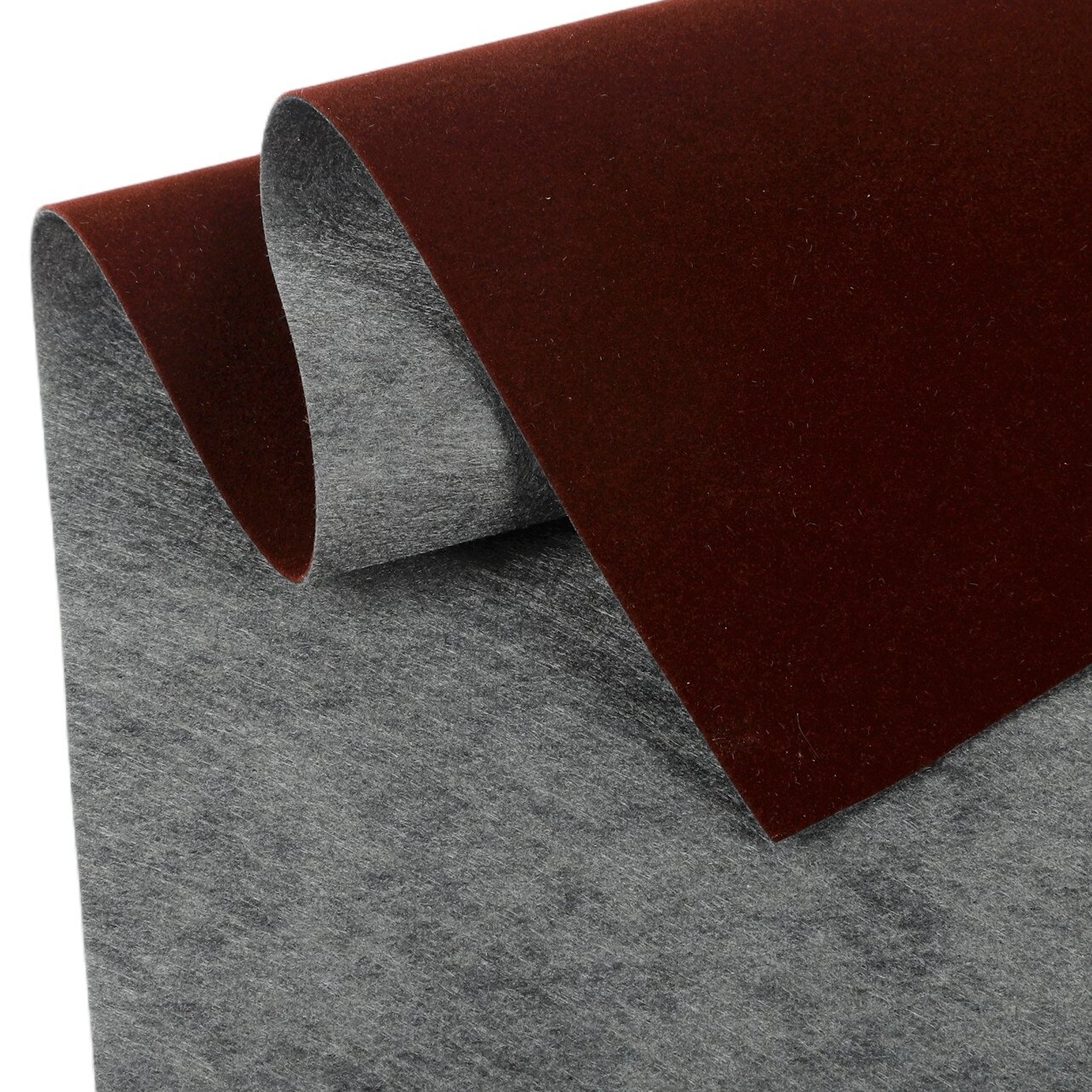
In real-world applications, this integrated approach to quality control and packaging protection has been validated through major international supply chains. For example, during the transport protection supply for Volkswagen smart refrigerators, custom flame-retardant flocking fabrics laminated with memory foam layers were shipped globally. This specialized packaging setup reduced transit damage rates from 5% to 1% while fully complying with the environmental parameters of the European Union's Packaging and Packaging Waste Regulation (PPWR), which limits heavy metals to under 100 ppm and restricts PFAS substances.
Data/Solution Comparison
The following table outlines the packaging and protection configurations used for different flocking fabric product series during long-distance international sea freight:
| Product Series / Material Type | Base Fabric Options | Primary Packaging Configuration | Shipping Risks Mitigated | Applicable Quality Standards |
|---|---|---|---|---|
| Flame-Retardant Flocking Fabric | Nonwoven, Knitted | Inner PE sleeve + heavy-duty outer woven bag + desiccant packs | Moisture exposure, chemical leaching, physical friction | UL94 V-0, RoHS 2.0 (CANEC26006555801) |
| Standard Flocking (31 & 61 Series) | Spunlace, Cotton-Rayon | Cardboard core tube + dual-layer plastic wrap + end-cap protectors | Pile crushing, edge deformation, dust accumulation | Pantone Delta E ≤ 2.0, Grade 4 Color Fastness |
| Anti-Tarnish Jewelry Lining | Spunlace, Silk, Cotton-Rayon | Hermetically sealed sulfur-free foil barrier + non-reactive desiccant | Sulfur contamination, chloride corrosion, mold growth | Sulfur < 5 ppm, pH 5.5–7.5, Silver Coupon Test Pass |
Frequently Asked Questions (FAQ)
How does ocean transit humidity affect the flocking adhesive?
Ocean transit involves high relative humidity and temperature variations, which can cause low-quality solvent-based adhesives to hydrolyze or soften, leading to pile shedding. To prevent this, the production process utilizes high-stability, water-based acrylic adhesive formulations that are completely solvent-free. Once fully heat-dried and cured, these adhesives resist moisture-induced breakdown, maintaining a peel strength of at least 2 Newtons per 25 millimeters for self-adhesive backings even after prolonged environmental exposure.
What testing procedures confirm the non-shedding performance of the fabric before export?
Every production run undergoes a standardized finished product testing sequence. Pile adhesion is verified using a 3M tape 10-cycle peel test conforming to FAMA standards, which permits zero fiber loss. Additionally, abrasion resistance testing is conducted, verifying that standard products withstand 500 cycles and functional products withstand up to 100,000 cycles without any shedding or pile thinning.
Are the packaging materials compliant with international environmental regulations?
Yes. All packaging configurations are designed to meet strict international standards, including the EU PPWR. The heavy metal content (lead, cadmium, mercury, and hexavalent chromium) in the packaging materials is strictly restricted to under 100 ppm, and no PFAS substances are used. For clients utilizing Global Recycled Standard (GRS) certified fabrics, matching eco-friendly recycled packaging options can be provided, supported by official SGS scope certificates and transaction documentation.
Final Conclusion & Recommendations
Protecting non-shedding flocking fabric during long-distance sea transport requires a combination of robust mechanical packaging, hermetic moisture barriers, and strict chemical control. Utilizing high-density core tubes, heavy-duty protective films, and sealed outer bags ensures that the uniform, dense pile surface arrives in pristine condition. This comprehensive protection preserves the texture, performance, and functional treatments of both standard and flame-retardant series for downstream manufacturing. Operating under OEM/ODM business models, these logistics and packaging standards facilitate smooth global export to over 30 countries through major shipping points like Guangzhou Port and Shenzhen Port. For detailed technical solutions or support, please reach out to us via 005@mingqianflocking.com.
About Us
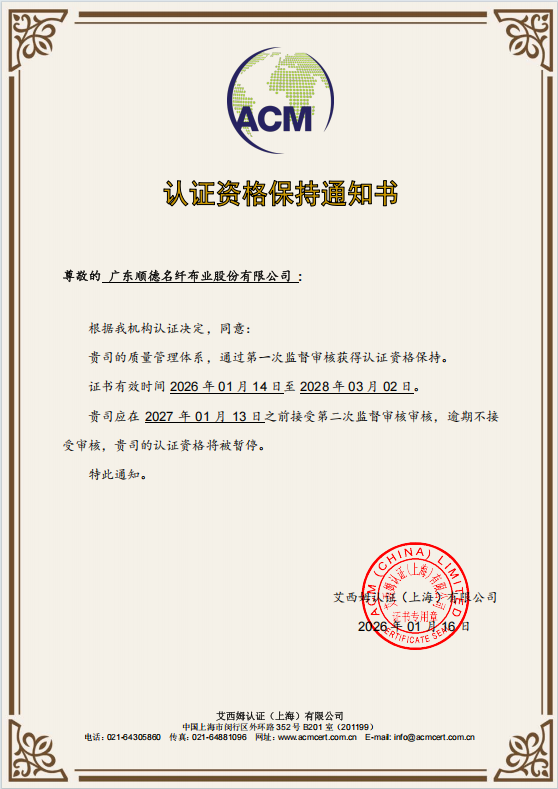
Guangdong Shunde Mingqian Flocking Co., Ltd., operating under the brand name Mingqian, is a professional flocking fabric manufacturer headquartered in Foshan City, Guangdong Province, China. Established in 2008, the company operates a self-owned manufacturing facility covering 10,000 square meters, employing more than 100 people, and maintaining a monthly capacity of over 3,000,000 yards across five automated electrostatic flocking lines. The company holds ISO 9001:2015 Quality Management System and GRS 4.0 certifications, serving as a reliable supply chain partner for globally recognized brands across the luxury packaging, automotive, electronics, and home appliance industries.
Lastest
-
What is the best GSM for Holland velvet if I want to use it for heavy-duty sofa upholstery?
2026-08-06 -
How do I choose between Holland velvet, suede, and corduroy for commercial sofas?
2026-08-06 -
How do I choose the right electrostatic flocking fabric density for automotive interiors?
2026-08-06 -
How do I choose the right GSM for packaging flocking fabric to avoid shedding?
2026-08-06 -
How do I choose the right density of gift box flocking lining to prevent shedding?
2026-08-06
SUBSCRIBE
INQUIRY