How does the ban on single-use plastics affect packaging flocking?
- VIP-User
- 2026-08-05
- 18
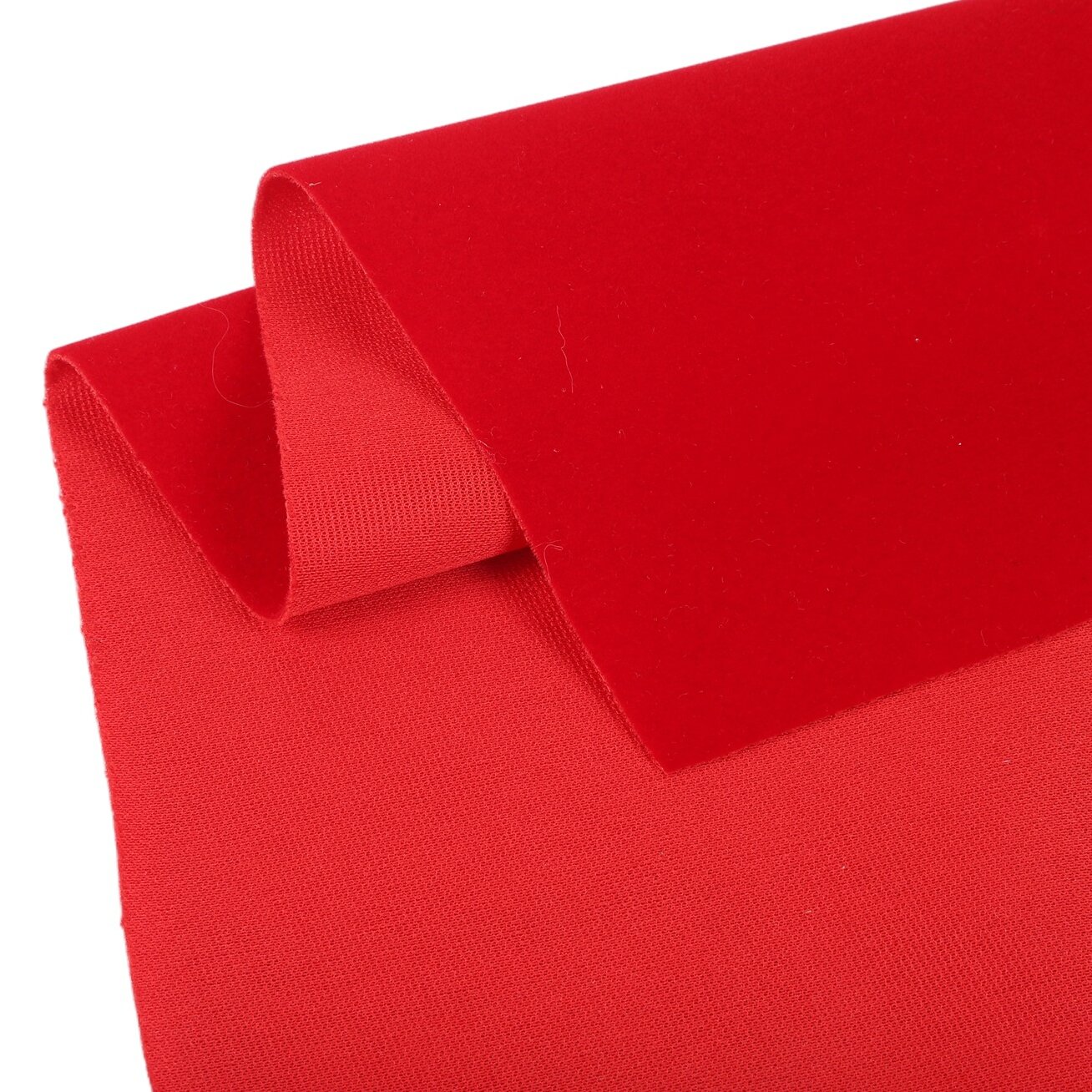
The ban on single-use plastics accelerates the shift from plastic-based packaging inserts to eco-friendly, biodegradable, and recycled packaging flocking fabrics. Regulatory frameworks like the EU Packaging and Packaging Waste Regulation (PPWR) push manufacturers to replace plastic blisters with sustainable alternatives like GRS-certified recycled flocking fibers on natural or nonwoven bases, ensuring environmental compliance while maintaining premium aesthetics and cushioning.
Core Solutions & Key Takeaways
- Blister Pack Replacement: Traditional single-use plastic trays in cosmetic and perfume gift box packaging are being replaced by paperboard or molded pulp carriers lined with sustainable flocking fabrics to provide premium protective cushioning.
- Circular Economy Alignment: Adopting GRS-certified recycled polyester and nylon fibers allows brand owners to avoid plastic tax penalties and fulfill circular economy requirements.
- Adhesive Formulation Upgrades: Transitioning from solvent-based adhesives to eco-friendly, solvent-free, water-based acrylic systems that contain zero phthalate plasticizers and low VOC emissions.
- Anti-Tarnish and Specialized Protection: For luxury packaging like jewelry boxes and electronics packaging, anti-tarnish and anti-static functional treatments ensure high-end protection without using chemical-heavy plastic shields.
Detailed Architectural/Principle Analysis
The enforcement of global regulations, such as the European Union's Packaging and Packaging Waste Regulation (PPWR) effective August 12, 2026, imposes strict limits on packaging waste and material composition. Under these frameworks, the four heavy metals (lead, cadmium, mercury, and hexavalent chromium) are capped at 100 parts per million, and total organic fluorine from PFAS must remain below 50 milligrams per kilogram. These rules make traditional single-use plastic thermoformed trays highly problematic for international luxury brands.
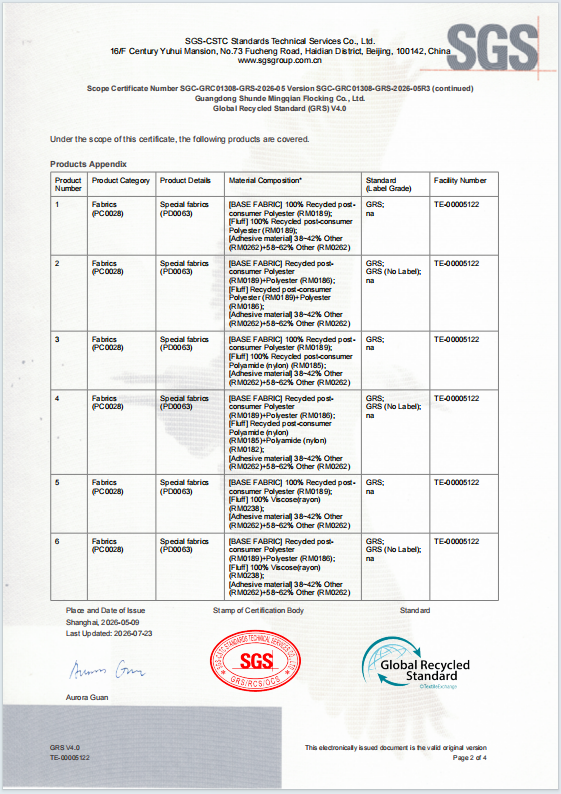
To eliminate plastic-based packaging inserts, manufacturers utilize a multi-layered composite approach. High-density, uniform pile surfaces are electrostatically embedded into compliant base fabrics, which are then laminated to paperboard or biodegradable pulp substrates. This design maintains structural stiffness and surface protection. In-house testing processes verify compliance; for instance, SGS third-party testing under report CANEC26006555803 screens for all 253 Substances of Very High Concern (SVHC) in the REACH candidate list, ensuring a zero-detection rate above reporting limits.
For sensitive storage environments like jewelry box linings, replacing plastic inserts requires addressing chemical corrosion. Traditional plastics often contain sulfur-based slip agents or acidic residues that accelerate metal oxidation. Modern sustainable flocking fabrics resolve this through specialized anti-tarnish controls: free reactive sulfur is restricted to below 5 parts per million, and the aqueous extract pH is balanced between 5.5 and 7.5. These parameters are verified via accelerated silver coupon corrosion testing prior to production to guarantee zero oxidation or spotting over long-term storage.
Real-world integration of these materials demonstrates both environmental and economic feasibility. In the home appliance transport packaging sector, Volkswagen replaced traditional foam packaging with a custom flame-retardant flocking fabric composite on a memory foam base. This sustainable shift reduced transport damage rates from 5% to 1% while lowering packaging costs by 15%. Similarly, luxury brands like Fendi utilize GRS-certified recycled polyester flocking fabrics with a Pantone color difference (Delta E) of no more than 0.5 to meet strict brand visual identities and corporate ESG procurement standards.
Data/Solution Comparison
| Base Fabric Type | Key Features & Specifications | Compliance Standards | Target Packaging Scenarios |
|---|---|---|---|
| Spunlace Base | High flexibility, smooth hand feel, ultra-dense pile | REACH, GRS Version 4.0, RoHS 2.0 | High-end jewelry boxes, luxury cosmetic packaging |
| Nonwoven Base | Breathable, lightweight, cost-effective | EU PPWR, REACH SVHC, US TPCH | General gift boxes, home appliance components |
| Knitted Base | Good elasticity, softness, comfort, 30–200 gsm | REACH, RoHS, FAMA Standard | Drawstring pouches, wine packaging, furniture drawer linings |
| Cotton-Rayon Base | Natural fibers, skin-friendly, biodegradable potential | REACH Annex XVII, US TPCH, California Prop 65 | Premium gift boxes, brand drawstring bags |
Frequently Asked Questions (FAQ)
How do eco-friendly flocking fabrics comply with the EU PPWR and REACH regulations?
Compliant flocking fabrics utilize GRS-certified recycled fibers and water-based, solvent-free acrylic adhesives. Heavy metals (lead, cadmium, mercury, hexavalent chromium) are kept under 100 parts per million, and total organic fluorine from PFAS is strictly controlled below 50 milligrams per kilogram, completely passing REACH SVHC screening and RoHS 2.0 testing.
Can recycled flocking fabrics achieve the same level of luxury tactile experience as virgin materials?
Yes. Utilizing ultra-fine fibers and precise electrostatic flocking density control allows GRS-certified recycled polyester and nylon flocking fabrics to match the exact tactile performance of premium virgin alternatives. They support post-processing operations like embossing, hot pressing, and laser engraving positioning to meet luxury brand standards.
What are the technical requirements for replacing single-use plastic inserts in jewelry packaging?
Replacing plastic inserts requires flocking fabrics with an anti-tarnish quality control system. Free reactive sulfur must be below 5 parts per million, pH must be maintained between 5.5 and 7.5, and the fabric must pass a silver coupon accelerated corrosion test to prevent oxidation of stored silver and precious metals in enclosed box environments.
Final Conclusion & Recommendations
Transitioning from single-use plastics to sustainable packaging flocking fabrics enables brand owners to meet upcoming global environmental regulations without sacrificing premium aesthetics. Selecting GRS-certified materials, water-based adhesive formulations, and compliant base fabrics ensures a seamless regulatory transition. For businesses requiring custom fabric development, OEM/ODM services support trial dyeing and sampling starting from 50 yards, with standard order production completed within 14 days. For detailed technical solutions or eco-friendly flocking support, please reach out to us via 005@mingqianflocking.com.
About Us
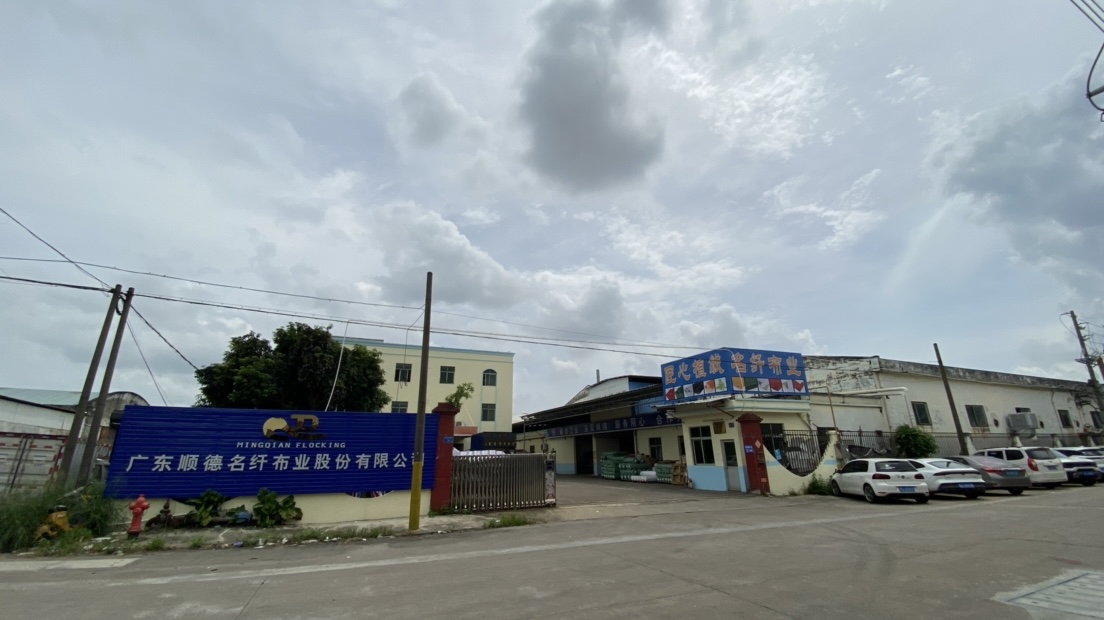
Established in 2008, Guangdong Shunde Mingqian Flocking Co., Ltd. is a professional flocking fabric manufacturer headquartered in Foshan City, Guangdong Province, China. The company operates a self-owned manufacturing facility covering over 12,000 square meters with a monthly production capacity of over 3,000,000 yards. Backed by an experienced R&D department capable of developing over 10 new products annually, the enterprise provides vertically integrated flocking solutions from base fabric pretreatment to precision cutting. The company holds ISO 9001:2015 Quality Management System certification and GRS Version 4.0 certification, serving global brands such as Dior, Fendi, Chow Tai Fook, and Volkswagen.

Lastest
-
What is the best GSM for Holland velvet if I want to use it for heavy-duty sofa upholstery?
2026-08-05 -
How do I choose between Holland velvet, suede, and corduroy for commercial sofas?
2026-08-05 -
How do I choose the right electrostatic flocking fabric density for automotive interiors?
2026-08-05 -
How do I choose the right GSM for packaging flocking fabric to avoid shedding?
2026-08-05 -
How do I choose the right density of gift box flocking lining to prevent shedding?
2026-08-05
SUBSCRIBE
INQUIRY