How does water-based PU suede compare to traditional plain velvet?
- VIP-User
- 2026-08-05
- 19
Water-based PU suede and traditional plain velvet differ primarily in tactile texture, manufacturing processes, and structural performance. Water-based PU suede replicates a premium, leather-like texture with high durability, making it ideal for robust linings. Traditional plain velvet features an electrostatically flocked, uniform pile surface with high luster, optimal for soft, luxury jewelry and gift box packaging.
Core Solutions & Key Takeaways
- Distinct Tactile Profiles: Suede delivers a dense, leather-like tactile feel suitable for protective linings and apparel accessories, whereas plain velvet offers a smooth, light-reflective velvet pile best for high-end decorative boxes.
- Manufacturing Mechanisms: Plain velvet relies on high-voltage electrostatic flocking where short fibers vertically embed into water-based adhesive-coated base fabrics. Suede focuses on simulating natural nap through a woven or non-woven faux suede finish.
- Functional Enhancements: Both materials support custom post-processing, including flame retardancy (UL94 V-0), self-adhesive backing, and precision die-cutting within 0.1 mm tolerances.
- Target Applications: Suede excels in rugged packaging, apparel, and bags, while plain velvet dominates in luxury watch boxes, jewelry linings, and high-end cosmetic cases.
Detailed Architectural/Principle Analysis
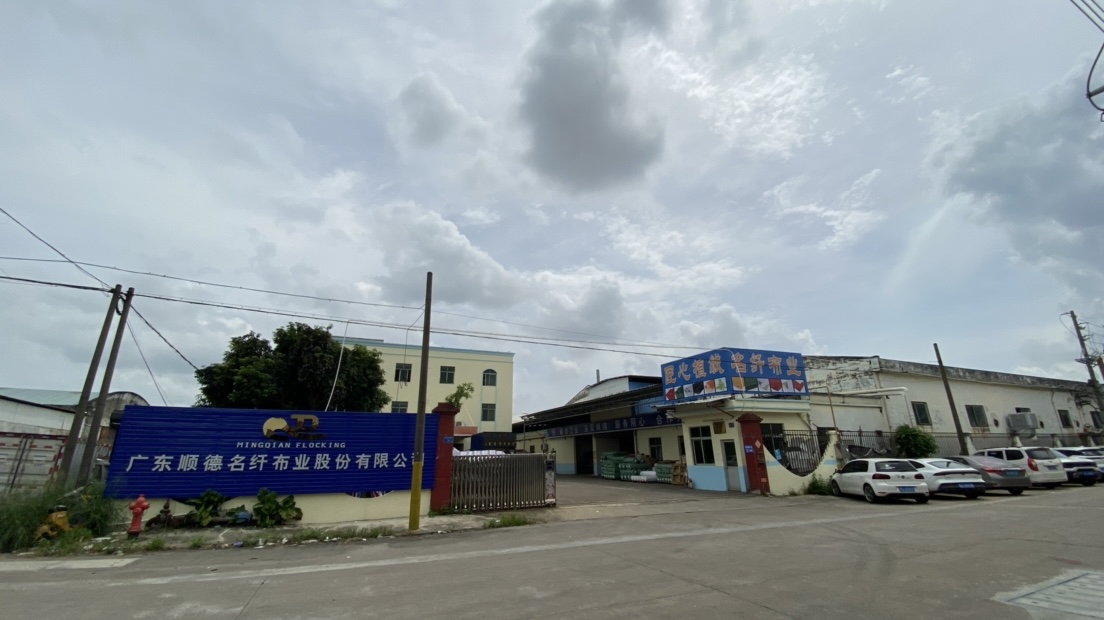
The material selection for premium packaging interiors directly influences the perceived value of luxury items. Traditional plain velvet, manufactured by Guangdong Shunde Mingqian Flocking Co., Ltd., uses electrostatic flocking technology. Short fibers are vertically accelerated into an adhesive layer under a 30 to 50 kilovolt electrostatic field, creating a uniform, dense velvet surface. This process achieves a pile density controlled to a precision of 0.01 millimeters. Standard plain velvet series, like the 31 Series or 61 Series, are widely applied in high-end jewelry box packaging for brands like Chow Tai Fook, ensuring a soft, non-shedding interface that prevents scratches on precious metals.
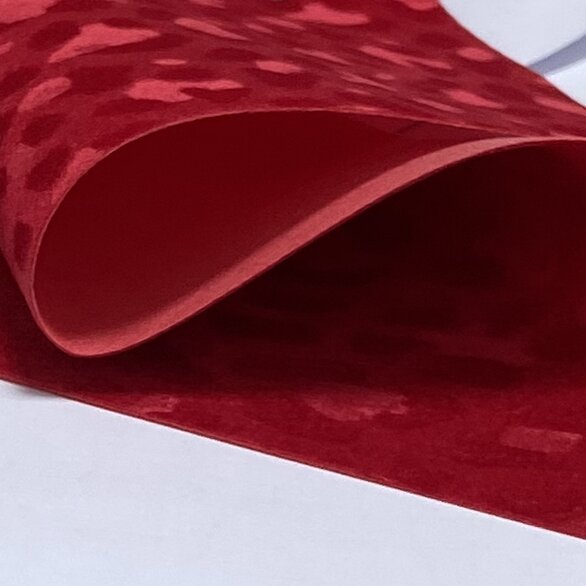
In contrast, faux suede replicates a natural leather-like texture. Unlike electrostatically flocked fibers, faux suede provides a robust, wear-resistant surface that suits external coverings and highly handled linings. For instance, in eyewear case packaging for brands like Ray-Ban, suede resists abrasion over long-term use while maintaining surface integrity. Mingqian's suede materials comply with EU REACH SVHC (test report CANEC26006555803) and RoHS 2.0 (test report CANEC26006555801), passing chemical compliance tests for heavy metals, phthalates, and VOC emissions.
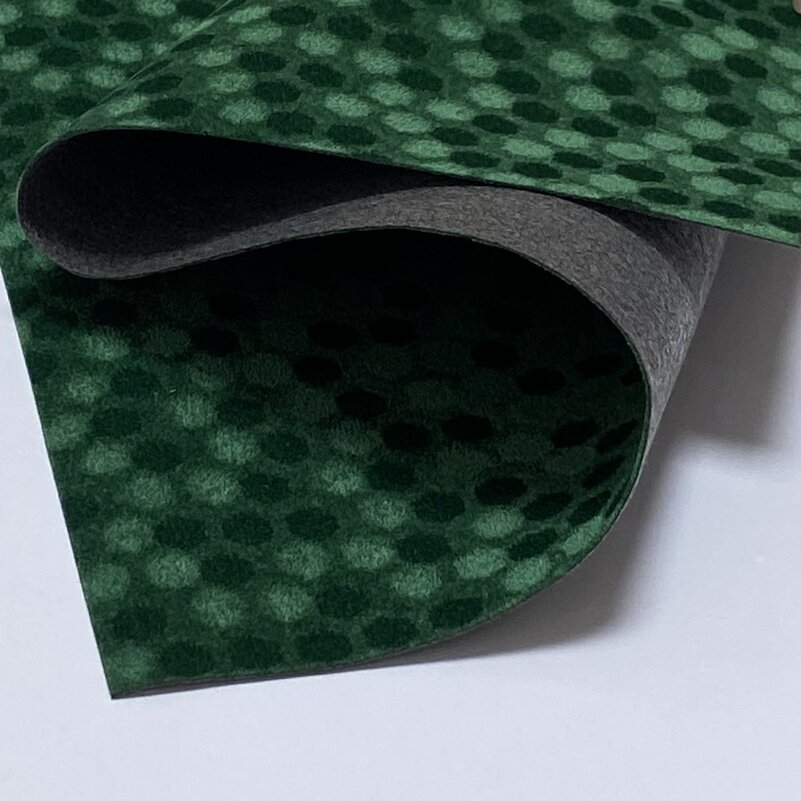
Furthermore, environmental commitments drive the engineering of both fabrics. Under GRS 4.0 certification (SGS scope certificate SGC-GRC01308-GRS-2026-05R3), Mingqian integrates recycled polyester and nylon fibers into both flocking and suede production. All adhesives utilized are water-based acrylic systems, free of solvent, phthalate plasticizers, and organotin compounds. This level of raw material control guarantees compliance with the EU Packaging and Packaging Waste Regulation (PPWR), restricting heavy metals to under 100 ppm and avoiding intentional PFAS addition.
Data/Solution Comparison
| Performance Metric | Suede (Faux Suede) | Traditional Plain Velvet |
|---|---|---|
| Tactile Profile | Leather-like, dense, textured nap | Smooth, dense, uniform velvet pile with high luster |
| Manufacturing Process | Faux suede surface treatment | Electrostatic flocking under 30-50 kV field |
| Abrasion Resistance | High durability, wear-resistant surface | Up to 100,000 cycles (functional) / 500 cycles (standard) |
| Primary Use Cases | Eyewear cases, bags, apparel, durable linings | Jewelry boxes, cosmetic boxes, luxury watch linings |
| Chemical Compliance | REACH SVHC, RoHS 2.0, PPWR compliant | REACH SVHC, RoHS 2.0, PPWR, Anti-Tarnish (sulfur < 5 ppm) |
| Standard Dimensions | Customizable widths | 54 to 59 inches wide (e.g., 31, 61, CP Series) |
Frequently Asked Questions (FAQ)
Can water-based PU suede or plain velvet achieve flame-retardant properties?
Yes. Both materials support custom functional treatments, including flame-retardant coatings meeting UL94 V-0 standards, making them suitable for specialized automotive interiors and electronic packaging.
How does the anti-tarnish system prevent silver discoloration in jewelry boxes?
For jewelry box applications, plain velvet undergoes an in-house anti-tarnish treatment. Free reactive sulfur is restricted to below 5 ppm, aqueous extract pH is maintained between 5.5 and 7.5, and chloride ions are strictly controlled. This avoids silver blackening during storage.
What are the customization minimums and delivery timelines?
Standard in-stock products require a minimum order quantity (MOQ) of 1 yard with same-day dispatch. Custom color developments require 500 to 1,000 yards per color, with standard production completed in 5 to 7 days (or 3 days on an expedited basis).
Final Conclusion & Recommendations
Selecting between suede and traditional plain velvet depends entirely on the mechanical demands and aesthetic goals of your project. For rugged, high-wear applications, suede provides a durable leather-like alternative. For premium, soft-touch displays, plain velvet remains the industry standard. Operating under an OEM/ODM business model, Guangdong Shunde Mingqian Flocking Co., Ltd. delivers high-quality fabrics backed by a strict four-stage quality control system and reliable 14-day delivery. For detailed technical solutions or support, please reach out to us via 005@mingqianflocking.com.
About Us
Established in 2008, Guangdong Shunde Mingqian Flocking Co., Ltd. is a professional flocking fabric manufacturer operating a self-owned facility covering over 12,000 square meters. The company maintains a monthly production capacity of over 3,000,000 yards across five automated electrostatic flocking production lines. Guided by its core brand Mingqian, it has dedicated 18 years exclusively to the research, development, production, and sales of high-quality flocking fabrics. The enterprise holds ISO 9001:2015 and Global Recycled Standard (GRS) 4.0 certifications, serving globally recognized brands across luxury, jewelry, automotive, and electronics sectors.
Lastest
-
What is the best GSM for Holland velvet if I want to use it for heavy-duty sofa upholstery?
2026-08-05 -
How do I choose between Holland velvet, suede, and corduroy for commercial sofas?
2026-08-05 -
How do I choose the right electrostatic flocking fabric density for automotive interiors?
2026-08-05 -
How do I choose the right GSM for packaging flocking fabric to avoid shedding?
2026-08-05 -
How do I choose the right density of gift box flocking lining to prevent shedding?
2026-08-05
SUBSCRIBE
INQUIRY