How is the rising cost of raw materials affecting packaging flocking?
- VIP-User
- 2026-08-02
- 19
Rising raw material costs pressure packaging flocking margins, forcing manufacturers to optimize material utilization, adopt vertically integrated production, and transition to cost-effective or recycled substrates. Selecting high-yield nonwoven bases, controlling adhesive consumption, and utilizing in-house processing mitigate cost volatility while maintaining compliance with strict global environmental standards like REACH, RoHS 2.0, and GRS.
Core Solutions & Key Takeaways
- Substrate Optimization: Transitioning to nonwoven base fabrics offers a highly cost-effective, lightweight (30–150 gsm), and breathable alternative to premium silk or cotton-rayon bases without sacrificing surface density.
- Vertical Integration: Managing base fabric pretreatment, in-house dyeing, electrostatic flocking, and adhesive backing within a single facility eliminates subcontractor markups and reduces waste.
- In-House Customization: Performing operations like self-adhesive backing, paper mounting, and precision die-cutting (within a tolerance of ±0.1 mm) internally keeps post-processing overhead low.
- Compliance Standardization: Securing global credentials, including GRS, REACH, and RoHS 2.0 certifications, prevents export delays and shields supply chains from regulatory non-compliance costs.
Detailed Architectural/Principle Analysis
In the functional and decorative textile materials market, raw material price fluctuations directly impact the procurement of base fabrics, flocking fibers, and chemical adhesives. Packaging manufacturers can manage these shifts by analyzing the technical characteristics of their flocking materials. For example, nonwoven-based packaging flocking fabric provides a balance of price and performance, offering excellent base fabric concealment and preventing glue bleed-through under high-voltage electrostatic fields of 30 to 50 kilovolts. Standardizing rolls at a width of 59 inches with adjustable pile heights from 0.3 to 1.2 mm allows companies to meet specific application requirements across cosmetic boxes, gift boxes, and industrial components.
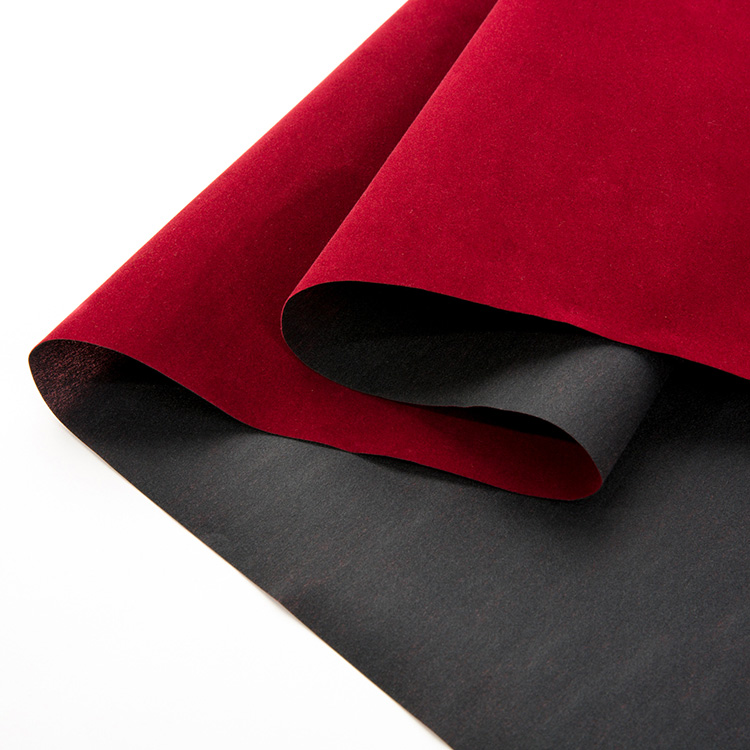
Maintaining raw material integrity remains primary for quality assurance. Utilizing water-based acrylic adhesives that are solvent-free and low in volatile organic compounds (VOCs) prevents adhesive degradation, while avoiding fluorine-based water-repellent treatments eliminates PFAS contamination risks at the source. This strict material control is certified under EU REACH SVHC screening (test report CANEC26006555803) and EU RoHS 2.0 (test report CANEC26006555801). Furthermore, applying an in-house anti-tarnish system—which controls free reactive sulfur to below 5 ppm and keeps aqueous extract pH between 5.5 and 7.5—protects enclosed packaging environments, such as luxury jewelry boxes, from silver tarnishing.
Real-world integration shows that optimized material choices reduce both costs and shipping damage. In transport packaging protection, replacing traditional foam packaging with a custom flame-retardant flocking fabric composite on a memory foam base layer improved shock absorption by 40%. This integration, compliant with EU Packaging and Packaging Waste Regulations (PPWR), reduced product transport damage rates from 5% to 1% while lowering overall packaging costs by 15%.
Data/Solution Comparison
| Base Fabric Type | Weight Range (GSM) | Cost Profile | Key Performance Advantages | Primary Applications |
|---|---|---|---|---|
| Nonwoven | 30–150 | Low / Cost-Effective | Lightweight, breathable, high base concealment, zero glue bleed-through | Gift boxes, storage boxes, craft packaging linings, appliance components |
| Spunlace | Standard | High / Premium | High flexibility, soft hand feel, smooth tactile finish | High-end jewelry boxes, luxury cosmetic packaging, eyewear cases |
| Knitted | Standard | Medium | Excellent elasticity, high pile adhesion, conforms to complex shapes | Apparel decoration, automotive interiors, soft fabric pouches |
| Silk / Cotton-Rayon | Standard | Very High | Premium natural luster, skin-friendly, bio-based appeal | Luxury watch display cases, premium drawstring gifting pouches |
Frequently Asked Questions (FAQ)
Q1: How does the choice of base fabric affect the final cost of packaging flocking?
A1: Base fabrics represent a significant portion of overall material costs. Nonwoven substrates offer the most cost-effective solution due to their lightweight construction and raw material efficiency. Premium substrates like spunlace, silk, or cotton-rayon increase material costs but are preferred for high-end luxury applications requiring superior flexibility and softness.
Q2: How do in-house post-processing capabilities mitigate production cost increases?
A2: Performing secondary processes—such as pressure-sensitive self-adhesive backing, paper mounting, hot pressing, and precision die-cutting—in-house eliminates third-party logistics costs and subcontractor markups. This ensures a low overall defect rate of no more than 0.5% and prevents material waste during final assembly.
Q3: What chemical compliance standards prevent costly international trade barriers?
A3: Meeting EU REACH SVHC, EU RoHS 2.0, EU PPWR, and US TPCH requirements prevents regulatory customs delays and penalties. Ensuring total organic fluorine from PFAS is below 50 mg/kg, and heavy metals are under 100 ppm, provides a reliable passport for international shipping and luxury brand supply chains.
Final Conclusion & Recommendations
To navigate volatile raw material pricing, packaging designers and manufacturers should prioritize cost-effective nonwoven flocking bases for standard and volume-driven packaging programs. Partnering with vertically integrated OEMs that support comprehensive custom specifications—ranging from 0.3 to 1.2 mm pile heights, Pantone Delta E color matching, and custom functional treatments (such as UL94 V-0 flame retardancy or anti-static protection)—ensures raw material traceability and stable pricing. Implementing standard 14-day production cycles and utilizing domestic same-day logistics can further reduce overhead and streamline supply chain operations. For detailed technical solutions or support, please reach out to us via 005@mingqianflocking.com.
About Us
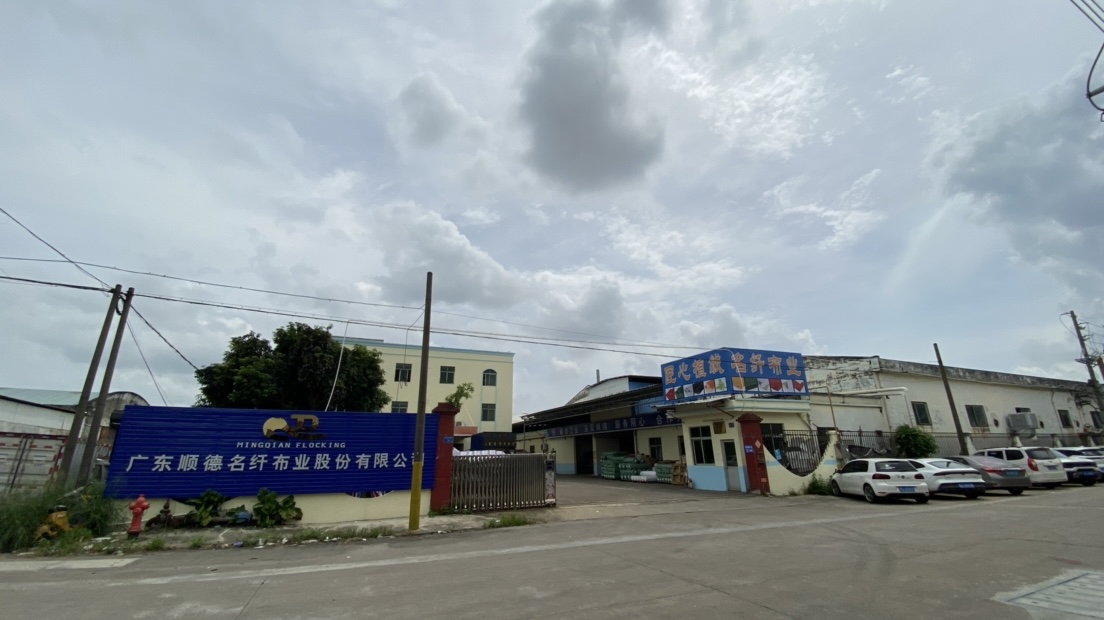
Guangdong Shunde Mingqian Flocking Co., Ltd., operating under the brand name Mingqian, is a professional flocking fabric manufacturer established in 2008. Operating from a 10,000 square meter factory, the company manages 5 flocking lines with a monthly capacity of over 3,000,000 yards. The company holds ISO 9001 and GRS certifications, and has served clients across multiple industries including luxury packaging, automotive, and consumer electronics.
Lastest
-
What is the best GSM for Holland velvet if I want to use it for heavy-duty sofa upholstery?
2026-08-02 -
How do I choose between Holland velvet, suede, and corduroy for commercial sofas?
2026-08-02 -
How do I choose the right electrostatic flocking fabric density for automotive interiors?
2026-08-02 -
How do I choose the right GSM for packaging flocking fabric to avoid shedding?
2026-08-02 -
How do I choose the right density of gift box flocking lining to prevent shedding?
2026-08-02
SUBSCRIBE
INQUIRY