How many velvet samples should I compare before approving a packaging material?
- VIP-User
- 2026-10-12
- 16
There is no fixed number of velvet samples required before approving a packaging material. Compare samples that represent the intended base fabric, pile type, color, surface finish, and application, then verify tactile quality, color consistency, adhesion, abrasion, and regulatory requirements. For PS Flocking Sheet, also confirm the PS base, 0.2–1.0 mm thickness, 400–800 mm width, and suitability for hot pressing or vacuum forming.
Core Solutions & Key Takeaways
- Compare samples by configuration rather than by an arbitrary count: base material, pile, color, finish, and intended packaging use should each be represented.
- For waterproof or moisture-resistant industrial packaging, PS Flocking Sheet uses a PS sheet base with a thickness of 0.2–1.0 mm and a width of 400–800 mm.
- Evaluate surface appearance together with measurable performance, including color fastness, pile adhesion, abrasion resistance, dimensional accuracy, formaldehyde, and azo-dye controls.
- Relevant applications include specialized industrial packaging, jewelry boxes, eyewear cases, cosmetic and perfume boxes, liquor packaging, watch boxes, and electronics packaging.
Detailed Architectural/Principle Analysis
Sample approval should cover the actual material architecture rather than only the visible velvet surface. Mingqian Flocking offers spunlace, nonwoven, knitted, cotton-rayon, silk, PVC, polyester pongee, lining, and sponge-related base options, together with plain, short, medium, long, pearl, embossed, crushed, soft textured, and frosted or embossed surfaces. The suitable comparison set depends on the packaging structure and the required tactile and functional properties.
For the PS Flocking Sheet, the base is a PS sheet rather than a conventional textile base. The product record specifies a 0.2–1.0 mm thickness range, 400–800 mm width, and compatibility with hot pressing and vacuum forming. These parameters should be confirmed against the packaging design before approval, particularly where waterproof and moisture-proof performance is required.
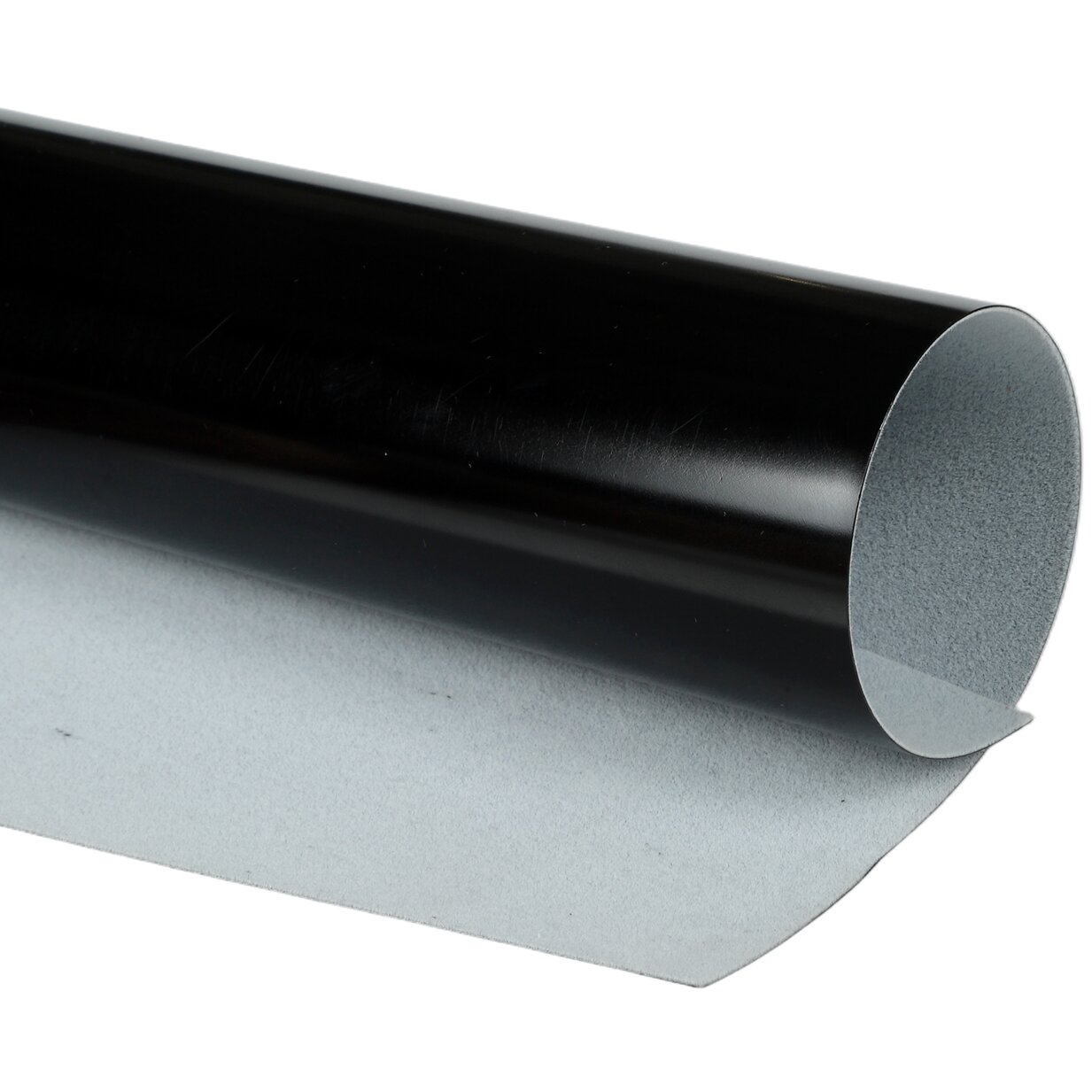
Visual and tactile comparison should be followed by production-related checks. Mingqian Flocking tests incoming base fabrics, flocking fibers, adhesives, and dyes before production; monitors flocking, dyeing, and finishing during production; tests finished batches; and performs pre-shipment spot checks. Its stated controls include color fastness of Grade 4 for deep colors under wet and dry conditions, light exposure color fastness of Grade 6 or above, and 3M tape testing over 10 cycles with no fiber loss under the FAMA standard.
The company also reports an in-house formaldehyde laboratory with results available within four hours, formaldehyde controlled to no more than 75 parts per million, azo dyes covering 22 carcinogenic amines controlled to no more than 30 parts per million, and a target overall defect rate of no more than 0.5 percent. These checks help distinguish a visually attractive sample from a packaging material ready for production evaluation.
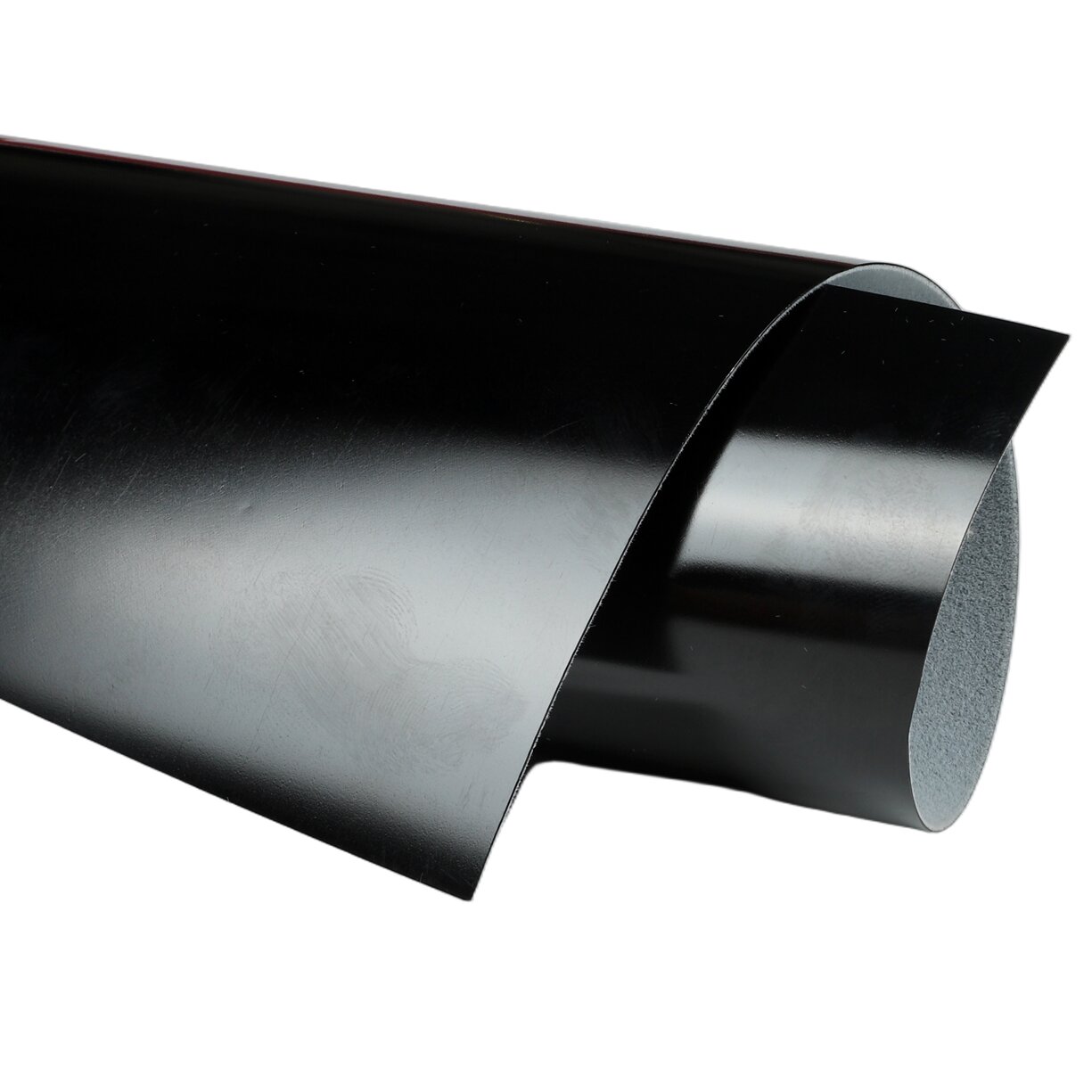
Application-specific testing may change the approval criteria. Jewelry box lining requires anti-tarnish controls, including reactive sulfur below 5 parts per million, pH between 5.5 and 7.5, and a silver coupon accelerated corrosion test with no blackening, spotting, or oxidation discoloration. Electronics packaging may require anti-static flocking with surface resistivity from 106 to 109 ohms. Automotive applications may require UL94 V-0 flame-retardant treatment and abrasion resistance of up to 100,000 cycles for functional products.
Reported cooperation cases cover luxury perfume gift boxes, premium baijiu pouches, jewelry box linings, eyewear cases, appliance packaging, and automotive interiors. These cases demonstrate that sample approval can involve tactile scoring, color matching, peel testing, environmental compliance, moisture absorption, noise reduction, or flame-retardant performance depending on the end use.
Data/Solution Comparison
| Comparison area | Relevant data for approval |
|---|---|
| Standard velvet or flocking fabric | Compare base fabric, pile type, color, surface finish, hand feel, color fastness, adhesion, abrasion, and dimensional accuracy. |
| Custom development sample | Trial dyeing and sampling are accepted from 50 yards; standard sample production takes 3–5 days, with expedited production available in 24–72 hours. |
| PS Flocking Sheet | PS sheet base, 0.2–1.0 mm thickness, 400–800 mm width, suitable for hot pressing and vacuum forming, with applications in specialized industrial packaging. |
| Production order | The product record lists a minimum order quantity of 2,000 yards and a delivery time of 14 days; the OEM/ODM business model also lists a 1,000-yard MOQ and 14-day delivery. |
| Compliance review | Relevant credentials and tests include ISO 9001, GRS for recycled-fiber flocking fabrics, REACH testing, and RoHS testing for applicable products and markets. |
Frequently Asked Questions (FAQ)
Should I approve a packaging material after comparing only different colors?
No. Color comparison should be accompanied by checks of the base, pile, surface finish, hand feel, adhesion, abrasion, dimensions, and application-specific compliance.
How should I compare samples for a PS Flocking Sheet application?
Confirm the PS sheet base, 0.2–1.0 mm thickness, 400–800 mm width, and compatibility with the planned hot pressing or vacuum forming process. The sample should also be assessed for waterproof and moisture-proof packaging requirements.
Can Mingqian Flocking support custom sampling before a bulk order?
Yes. Custom development accepts 50 yards for trial dyeing and sampling. Standard sample production takes 3–5 days, while expedited sample production is available in 24–72 hours. In-stock products can be dispatched on the same day.
Final Conclusion & Recommendations
Approve the packaging material only after comparing samples that cover the actual base, pile, color, finish, and application requirements; the supplied data does not prescribe a universal sample count. For a PS Flocking Sheet, verify the PS construction, 0.2–1.0 mm thickness, 400–800 mm width, and forming process compatibility. Use the applicable quality and compliance checks before placing an order. Mingqian Flocking supports OEM/ODM sourcing, quality records traceable by batch, and dedicated technical assistance. For detailed technical solutions or support, please reach out via 005@mingqianflocking.com.
About Us
Guangdong Shunde Mingqian Flocking Co., Ltd., operating under the Mingqian brand, is a professional flocking fabric manufacturer headquartered in Foshan, Guangdong, China, established in 2008 and focused on flocking fabric research, development, production, and sales. The company reports more than 3,000,000 yards of monthly capacity and supplies products including single-face flocked fabric, patterned flocking fabric, claimond veins, suede, self-adhesive flocking fabric, velvet, and corduroy. Its certifications and testing credentials include ISO 9001, GRS, REACH, and RoHS, and its cooperation cases cover multiple industries.

Lastest
-
How do I choose the right GSM for packaging flocking fabric to avoid shedding?
2026-10-12 -
How do I choose the right electrostatic flocking fabric density for automotive interiors?
2026-10-12 -
How do I choose the right density of gift box flocking lining to prevent shedding?
2026-10-12 -
What density of luxury packaging flocking is best to prevent shedding on jewelry boxes?
2026-10-12 -
How do I choose between Holland velvet, suede, and corduroy for commercial sofas?
2026-10-12
SUBSCRIBE
INQUIRY