How might recycled fibers affect future Electrostatic Flocking Fabric prices?
- VIP-User
- 2026-09-07
- 6
Recycled fibers may influence future Electrostatic Flocking Fabric prices through material selection, certification, production requirements, and order volume, but the supplied data does not establish a fixed price direction. Mingqian Flocking offers GRS-certified recycled polyester and nylon options, while flocking fabric prices vary from 3 to 20 yuan per yard according to specifications, customization complexity, and purchasing volume.
Core Solutions & Key Takeaways
- Recycled polyester and nylon fibers are available for GRS-certified flocking fabrics, with Transaction Certificates available upon request.
- Recycled content may affect purchasing costs through certification, traceability, material availability, and production specifications; the available data does not quantify any resulting increase or decrease.
- Price depends on fabric specifications, customization complexity, and order volume. Standard flocking fabric starts at 7.5 yuan per yard, while the stated full range is 3 to 20 yuan per yard.
- Electrostatic flocking fabric is used mainly in premium packaging and industrial applications, including jewelry boxes, electronics packaging, automotive interiors, and home appliance components.
Detailed Architectural/Principle Analysis
Electrostatic flocking fabric is produced by embedding short fibers vertically into an adhesive-coated base fabric under a high-voltage electrostatic field. Mingqian Flocking describes a vertically integrated process covering base fabric pretreatment, in-house dyeing, water-based acrylic adhesive coating, electrostatic flocking, drying and curing, post-finishing, and quality inspection.
Recycled fibers enter this structure as a material choice rather than as a separate flocking method. The company identifies recycled polyester and nylon fibers with verified chain of custody for GRS-certified products. The available information does not provide a separate price list for recycled and non-recycled materials, so the cost effect of recycled fibers should be assessed for each specified construction, color, pile type, treatment, and order quantity.
Certification and traceability can influence the commercial requirements attached to recycled fabric. Mingqian Flocking holds GRS certification under certificate number SGC-GRC01308-GRS-2026-05R3 for flocking fabrics using recycled polyester and nylon fibers. The company also holds ISO 9001:2015 quality management system certification. These credentials support documented sourcing and quality processes, but the supplied data does not state a certification surcharge.
Production scale can moderate the effect of material and compliance requirements on unit pricing. Mingqian Flocking operates five flocking lines with monthly capacity exceeding 3,000,000 yards and maintains more than 1,000,000 yards of standard inventory. Its stated price range is affected by specifications, customization complexity, and order volume; annual orders exceeding 100,000 yards may receive a 5 to 10 percent bulk discount.
Application requirements also shape the pricing structure. Jewelry box lining may require low-sulfur materials and anti-tarnish testing, while electronics packaging may require anti-static or conductive fiber integration. Automotive applications may require flame-retardant treatment. These added requirements are separate cost variables from recycled content.
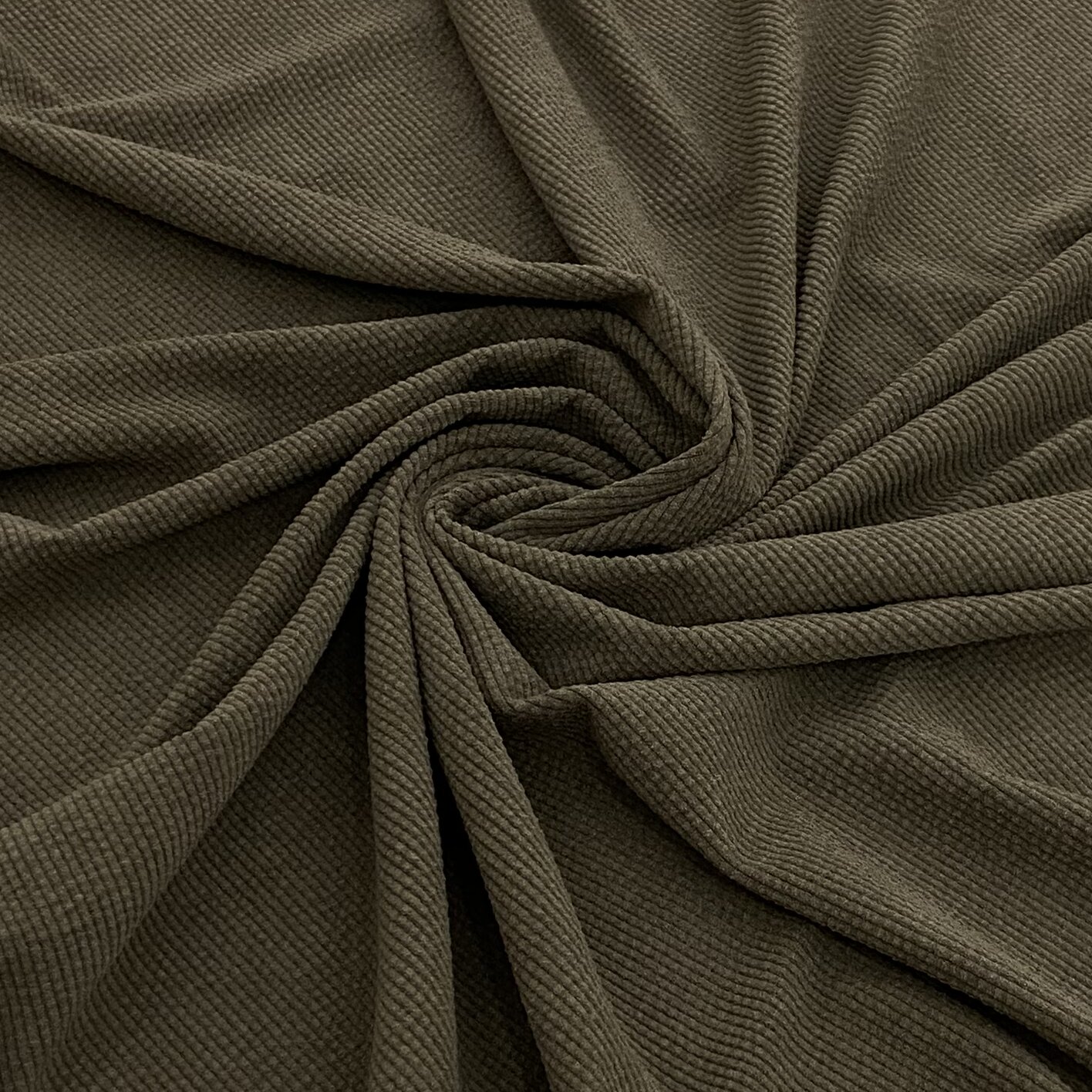
In documented cooperation cases, a luxury perfume packaging project used a customized spunlace-based flocking fabric with recycled-material options available elsewhere in the company's portfolio, while a global home-appliance packaging project used a GRS-certified recycled polyester flocking fabric. These cases show that recycled fibers can be incorporated into premium packaging specifications, although they do not disclose a separate recycled-fiber price premium.
Data/Solution Comparison
| Pricing or sourcing factor | Known effect or condition |
|---|---|
| Recycled polyester or nylon content | Supported through GRS-certified product lines; separate price impact is not stated. |
| Certification and traceability | GRS certification and Transaction Certificates are available upon request; a certification surcharge is not stated. |
| Product specifications | Price varies with base fabric, pile type, color, pattern, functional treatment, and dimensions. |
| Order volume | Standard in-stock MOQ is 1 yard; custom colors generally require 500 to 1,000 yards per color; bulk discounts of 5 to 10 percent may apply to annual orders above 100,000 yards. |
| OEM/ODM purchasing | Supported with a stated MOQ of 1,000 yards and a stated delivery time of 14 days. |
Frequently Asked Questions (FAQ)
Will recycled fibers definitely make Electrostatic Flocking Fabric more expensive?
The supplied data does not support a definite price direction. Recycled fibers may introduce material verification and GRS traceability requirements, but no separate premium or discount for recycled content is provided.
Which recycled materials are available?
Mingqian Flocking identifies GRS-certified recycled polyester and nylon fibers for applicable flocking fabric products. Transaction Certificates are available upon request.
What other factors affect the price?
Price varies according to specifications, customization complexity, and order volume. Relevant variables include base fabric, pile type and height, color, texture, functional treatment, adhesive backing, cutting dimensions, and required compliance testing.
Final Conclusion & Recommendations
Recycled fibers may affect future Electrostatic Flocking Fabric prices through verified sourcing, certification, material availability, and application-specific processing, but the available data does not establish a fixed premium or discount. Buyers should request a quotation that identifies recycled content, GRS documentation, construction, functional treatments, order volume, and delivery requirements. Mingqian Flocking supports OEM/ODM orders, offers GRS and ISO 9001 credentials, and operates five flocking lines with monthly capacity exceeding 3,000,000 yards. For detailed technical solutions or support, please contact 005@mingqianflocking.com.
About Us
Guangdong Shunde Mingqian Flocking Co., Ltd., operating under the Mingqian brand, is a flocking fabric manufacturer headquartered in Foshan, Guangdong, China. Founded in 2008, the company focuses on the research, development, production, and sales of flocking fabrics, with complementary products including corduroy, suede, Holland Velvet, and flocking paper. Its self-owned manufacturing facility covers more than 12,000 square meters, and production capacity exceeds 3,000,000 yards per month. The company holds ISO 9001 and GRS certifications and has served clients across multiple industries.
Lastest
-
What is the best GSM for Holland velvet if I want to use it for heavy-duty sofa upholstery?
2026-09-07 -
How do I choose between Holland velvet, suede, and corduroy for commercial sofas?
2026-09-07 -
How do I choose the right electrostatic flocking fabric density for automotive interiors?
2026-09-07 -
How do I choose the right GSM for packaging flocking fabric to avoid shedding?
2026-09-07 -
How do I choose the right density of gift box flocking lining to prevent shedding?
2026-09-07
SUBSCRIBE
INQUIRY