How to check the abrasion resistance of electrostatic flocking fabric?
- VIP-User
- 2026-08-07
- 20
Checking the abrasion resistance of electrostatic flocking fabric involves standardized mechanical rub testing, such as 500 to 100,000 friction cycles, combined with adhesive pile loss evaluation using a 3M tape 10-cycle peel test compliant with FAMA standards. Evaluators measure pile retention, fiber shedding, surface bareness, and color fastness under dry and wet conditions using optical inspection and precise mass-loss measurements.
Core Solutions & Key Takeaways
- Standardized Rub Testing: Subjects electrostatic flocking fabric to mechanical friction tests ranging from 500 cycles for general packaging up to 100,000 cycles for heavy-duty functional applications without surface shedding.
- 3M Tape Peel Adhesion: Verifies pile fiber attachment strength using 10-cycle 3M tape peel adhesion testing under FAMA standards to confirm zero fiber loss.
- Substrate & Application Matching: Combines distinct base fabrics—such as spunlace nonwoven (30–200 gsm), knitted, or PVC—to meet structural requirements across high-end jewelry boxes, eyewear cases, and luxury packaging.
- Environmental & Fastness Integrity: Verifies mechanical durability alongside Grade 4 wet/dry color fastness and Grade 6 light fastness compliant with REACH and RoHS directives.
Detailed Architectural/Principle Analysis
In electrostatic flocking fabric manufacturing, short synthetic or natural fibers (0.3 to 1.2 mm pile height) are vertically embedded into an adhesive-coated base fabric under a high-voltage electrostatic field of 30 to 50 kilovolts. Evaluating the abrasion resistance of the resulting textile requires analyzing the anchoring strength between the fiber roots, the eco-friendly water-based acrylic adhesive binder layer, and the underlying base fabric substrate.
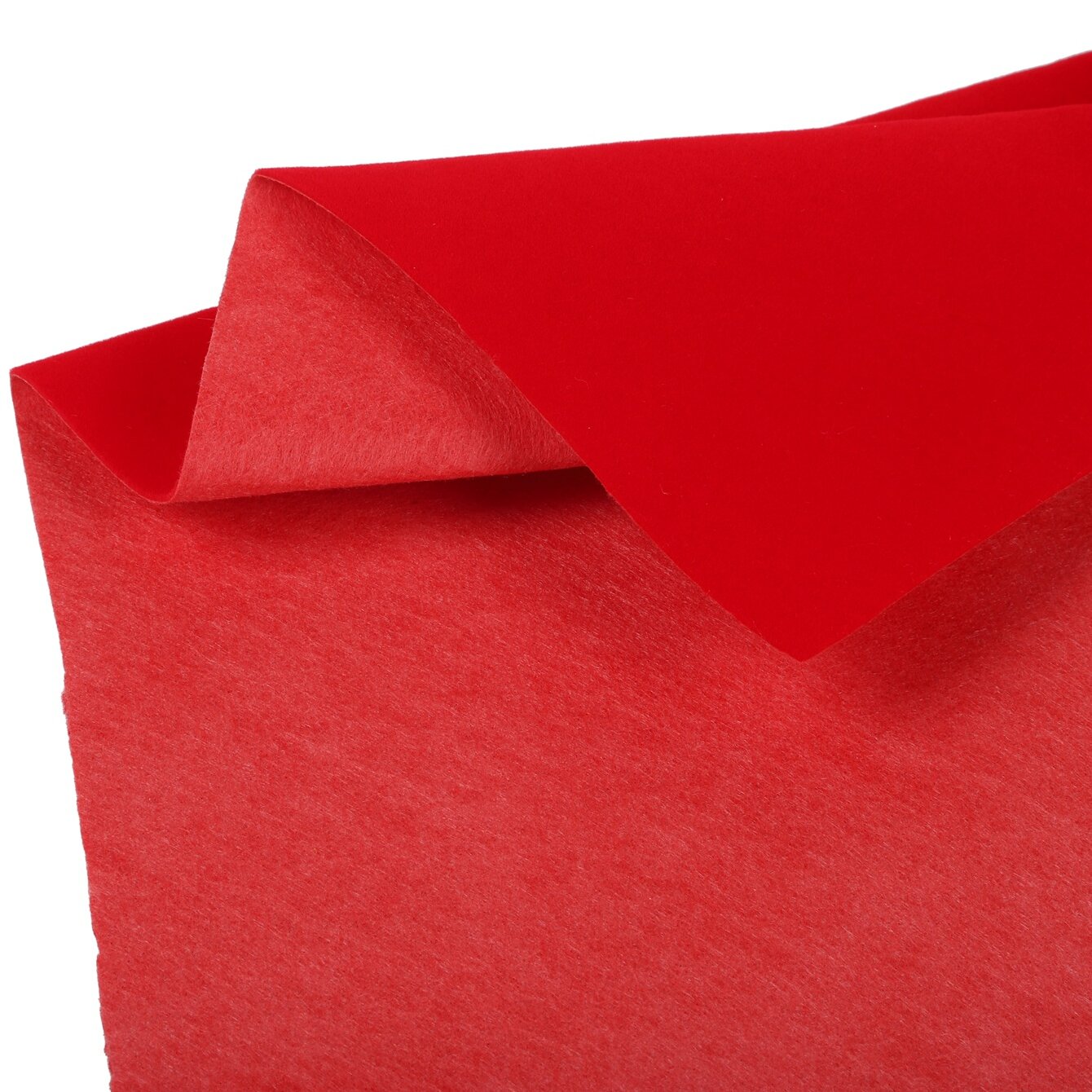
Mechanical abrasion testing measures the material's resistance to surface wear and fiber detachment under repeated friction. Standard decorative packaging linings are tested against 500 friction cycles, whereas high-wear functional products, such as automotive interior components or luxury display cases, undergo testing up to 100,000 abrasion cycles. Specialized spunlace flocking fabric produced by Guangdong Shunde Mingqian Flocking Co., Ltd. undergoes 100,000-cycle abrasion verification to prevent surface balding in high-end cosmetic and perfume gift packaging.
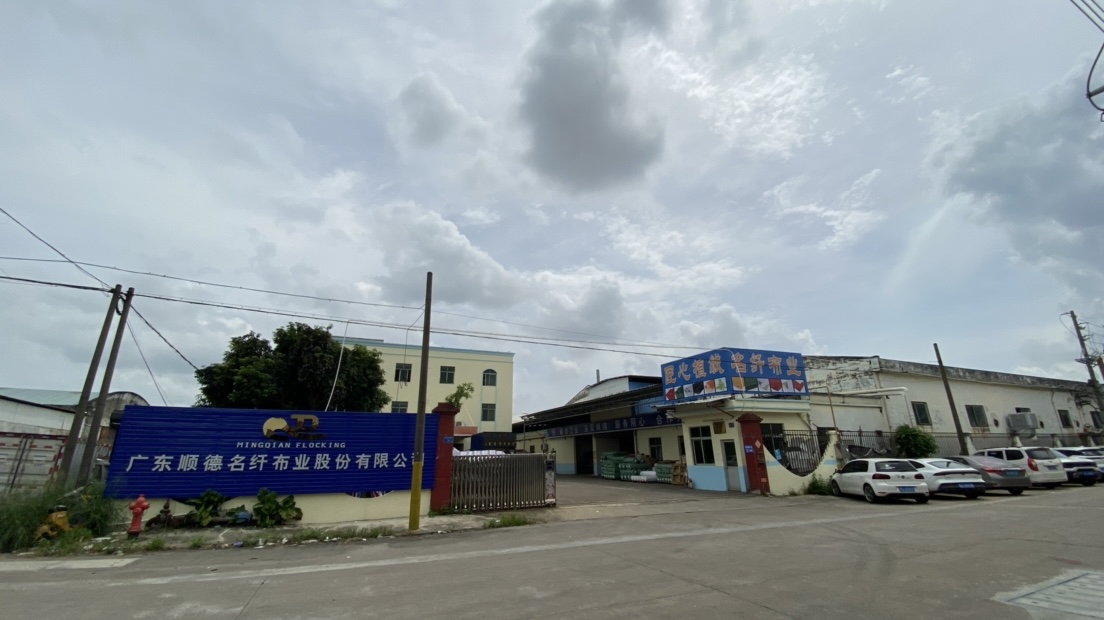
To validate adhesion performance beyond mechanical rubbing, the 3M tape 10-cycle peel test is executed under FAMA specifications. Adhesives applied to spunlace or knitted substrates must maintain a peel strength of at least 2 N/25mm for self-adhesive backed lines. For enclosed jewelry box environments, abrasion testing is supplemented by anti-tarnish chemical controls: free reactive sulfur is maintained below 5 ppm, aqueous extract pH is held between 5.5 and 7.5, and batch samples undergo accelerated silver coupon corrosion testing to confirm zero oxidation or discoloration.
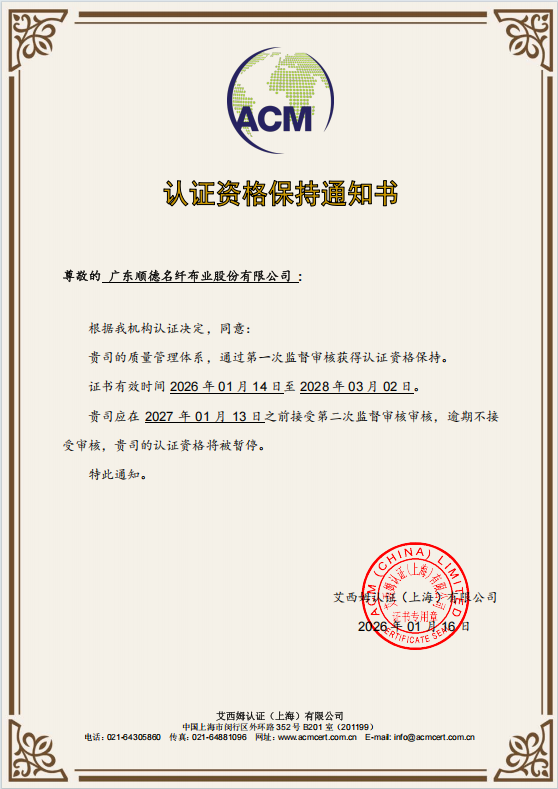
Data/Solution Comparison
| Base Fabric Substrate | Pile Height Range | Abrasion Resistance Cycles | Peel Adhesion Standard | Primary Application Scenarios |
|---|---|---|---|---|
| Spunlace Nonwoven | 0.3 – 1.2 mm | 500 to 100,000 cycles | 3M tape 10-cycle passed (No fiber loss) | Jewelry boxes, eyewear cases, cosmetic packaging |
| Knitted Fabric | 0.3 – 1.0 mm | 10,000 to 100,000 cycles | 3M tape 10-cycle passed (No fiber loss) | Automotive interiors, liquor pouches, fabric bags |
| Nonwoven Fabric | 0.5 – 1.2 mm | 500 to 5,000 cycles | 3M tape 10-cycle passed (No fiber loss) | General gift packaging, home appliance liners |
| PVC Base | 0.3 – 0.8 mm | 5,000 to 20,000 cycles | Self-adhesive peel strength ≥ 2 N/25mm | Industrial packaging, water-resistant liners |
Frequently Asked Questions (FAQ)
What test methods evaluate pile fiber shedding in flocking fabrics?
Fiber shedding is verified through multi-cycle mechanical friction testing (500 to 100,000 cycles) combined with the 3M tape 10-cycle peel test under standard FAMA criteria to ensure complete pile retention.
How does substrate selection influence flocking fabric wear resistance?
Base fabric construction determines adhesive absorption and mechanical backing support. Spunlace nonwoven provides consistent flatness for uniform adhesive deposition, whereas knitted fabrics absorb dynamic mechanical flex without breaking the binder layer.
What environmental standards apply to durable electrostatic flocking fabric?
Flocking fabrics subjected to wear testing are screened for chemical safety under EU REACH (253 SVHC screening) and RoHS 2.0 (Directive 2015/863) standards, controlling formaldehyde under 75 ppm and carcinogenic azo dyes under 30 ppm.
Final Conclusion & Recommendations
Verifying the abrasion resistance of electrostatic flocking fabric requires combining quantitative rub cycle testing with physical tape adhesion and chemical compliance checks. Selecting suitable base fabrics—such as spunlace nonwoven or knitted backing—ensures long-term pile integrity across premium packaging, automotive, and industrial applications. Manufacturing setups certified under ISO 9001 and GRS (SGC-GRC01308-GRS-2026-05R3) deliver predictable material performance, supported by fast-turnaround batch testing and custom production workflows under OEM/ODM business models. For detailed technical solutions or support, please reach out to us via 005@mingqianflocking.com.
About Us
Guangdong Shunde Mingqian Flocking Co., Ltd. is a specialized flocking fabric manufacturer founded in 2008 in Foshan City, Guangdong Province, China. Operating a 12,000-square-meter self-owned facility equipped with 5 automated electrostatic flocking production lines, the company maintains a monthly output capacity of 3,000,000 yards. Holding ISO 9001 and Global Recycled Standard (GRS) certifications, the enterprise provides flocking solutions across luxury packaging, eyewear, automotive, and consumer electronics industries worldwide.
Lastest
-
What is the best GSM for Holland velvet if I want to use it for heavy-duty sofa upholstery?
2026-08-07 -
How do I choose between Holland velvet, suede, and corduroy for commercial sofas?
2026-08-07 -
How do I choose the right electrostatic flocking fabric density for automotive interiors?
2026-08-07 -
How do I choose the right GSM for packaging flocking fabric to avoid shedding?
2026-08-07 -
How do I choose the right density of gift box flocking lining to prevent shedding?
2026-08-07
SUBSCRIBE
INQUIRY