How to distinguish high-quality pearl velvet from cheap plain long pile velvet?
- VIP-User
- 2026-08-03
- 17
Distinguishing high-quality pearl velvet from cheap plain long pile velvet relies on evaluating pile structure, fiber density, and surface treatment. High-quality pearl velvet features a granular, dimensional bead-like surface with 0.01 mm pile density precision. Conversely, cheap plain long pile velvet utilizes longer, less dense fibers exceeding 1 mm in height without a structured pattern, often failing standard abrasion and peel tests.
Core Solutions & Key Takeaways
- Surface Texture and Dimensionality: High-quality pearl velvet displays a distinct granular, bead-like texture (claimond veins), whereas plain long pile velvet relies on flat, unstructured fibers over 1 mm tall.
- Pile Density and Adhesion: Premium flocking achieves 0.01 mm pile density control and passes the 3M tape 10-cycle peel test with zero fiber loss, while cheap alternatives shed fibers under minimal friction.
- Chemical and Environmental Safety: Certified high-quality velvet fabrics restrict formaldehyde to 75 ppm and azo dyes to 30 ppm, meeting EU REACH and RoHS standards, unlike unregulated cheap materials.
- Application Appropriateness: Pearl velvet suits luxury jewelry, cosmetics, and eyewear packaging due to its non-scratch, high-luster properties, while plain long pile velvet is optimal for general cushioning or sound dampening.
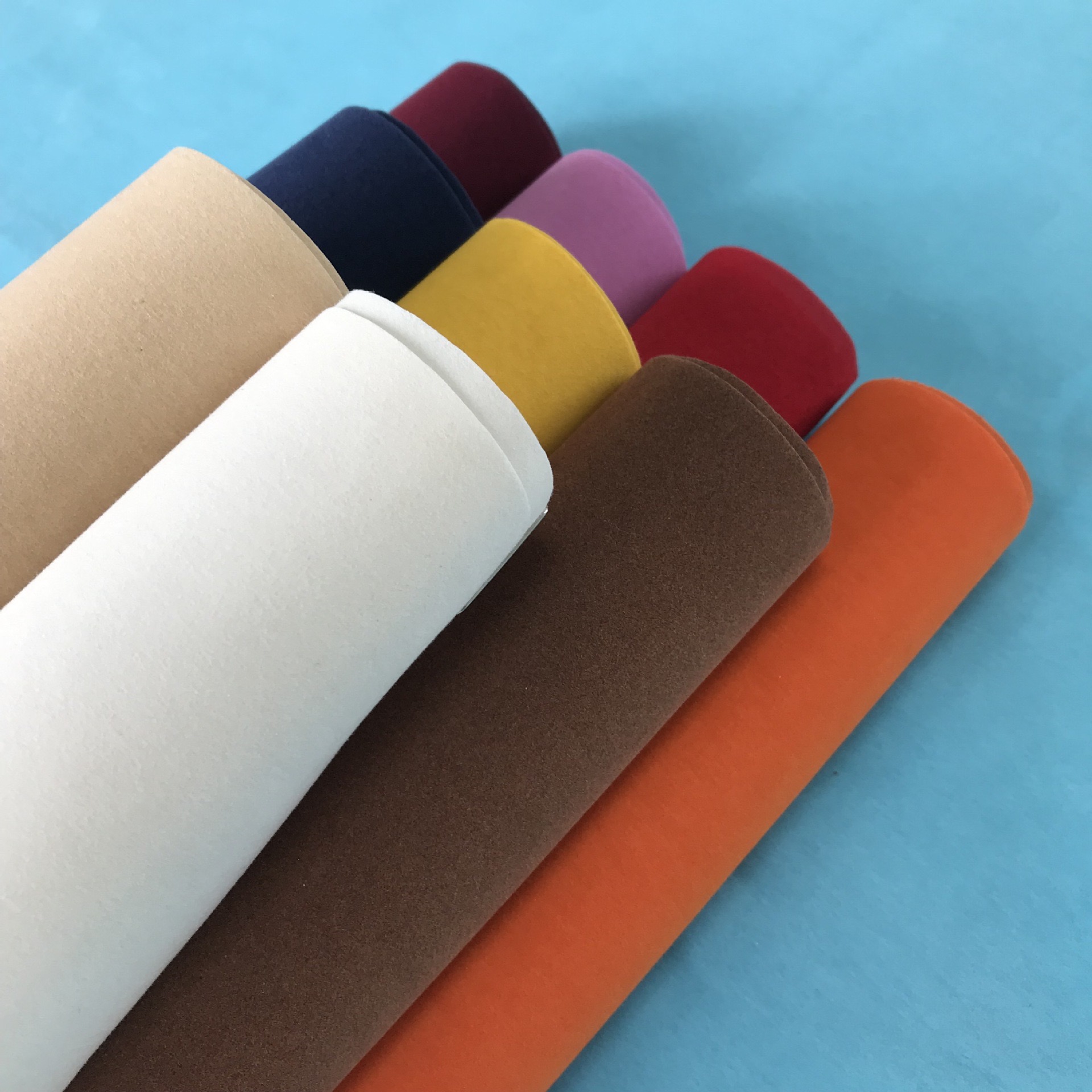
Detailed Architectural/Principle Analysis
The physical differences between these materials originate from the manufacturing process. Technical manufacturers like Guangdong Shunde Mingqian Flocking Co., Ltd. employ a vertically integrated seven-stage sequence. This process begins with base fabric pretreatment, followed by in-house color formulation using a Pantone database of over 1,000 shades. Electrostatic flocking then accelerates short fibers vertically into a water-based acrylic adhesive under a high-voltage electrostatic field of 30 to 50 kilovolts. This creates a uniform, dense velvet surface with a precision of 0.01 millimeters.
In contrast, low-cost plain long pile velvet production often bypasses precise pretreatment and utilizes solvent-based adhesives containing phthalate plasticizers. Cheap processes lack temperature-controlled curing, leading to weak pile adhesion. Under standard FAMA 3M tape 10-cycle peel testing, premium fabrics exhibit zero fiber loss, while cheap alternatives show significant shedding. For functional applications like automotive interiors, premium flocking withstands 100,000 abrasion cycles, whereas standard products are rated for only 500 cycles.
Chemical safety and environmental compliance further differentiate these grades. High-quality velvet complies with the Global Recycled Standard (GRS) Version 4.0 and is screened against EU REACH SVHC restrictions and EU RoHS Directive 2015/863. For sensitive applications like jewelry box linings, specialized anti-tarnish systems control free reactive sulfur below 5 parts per million (ppm), maintain an aqueous extract pH of 5.5 to 7.5, and pass silver coupon accelerated corrosion testing. Cheap fabrics lack these strict parameter controls, causing silver items to oxidize and blacken when stored in enclosed packaging.
Data/Solution Comparison
| Performance Parameter | High-Quality Pearl Velvet (Claimond Veins) | Cheap / Standard Plain Long Pile Velvet |
|---|---|---|
| Surface Texture | Granular, bead-like texture (dimensional) | Flat, unstructured pile (exceeding 1 mm) |
| Pile Density Control | 0.01 mm precision | Uncontrolled, low-density distribution |
| 3M Tape Peel Test | Passed (10 cycles with no fiber loss) | Fails (visible fiber loss and shedding) |
| Abrasion Resistance | Up to 100,000 cycles (functional products) | 500 cycles or lower |
| Reactive Sulfur Content | Below 5 ppm (anti-tarnish grade) | Unregulated (causes silver tarnishing) |
| Aqueous Extract pH | 5.5 to 7.5 (neutral/mildly acidic) | Highly acidic (accelerates metal corrosion) |
| Chemical Standards | REACH, RoHS, GRS, PPWR compliant | High risk of phthalate or azo dye residues |
Frequently Asked Questions (FAQ)
How does sulfur content in flocking fabric affect jewelry packaging?
Free reactive sulfur in adhesives or dyes reacts with silver in enclosed environments, causing rapid tarnishing, blackening, and spotting. High-quality packaging velvet controls sulfur below 5 ppm and uses non-sulfur dye systems to eliminate this risk.
What certifications should I verify when sourcing velvet for global markets?
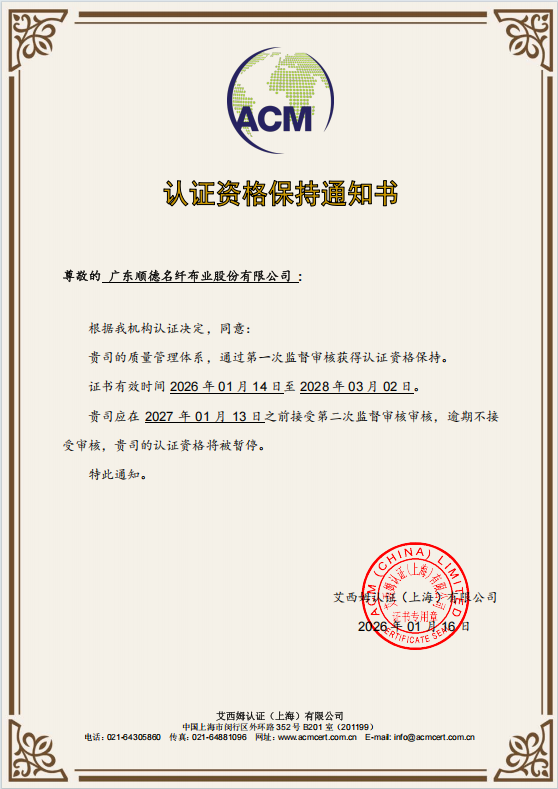
Look for ISO 9001:2015, Global Recycled Standard (GRS) Version 4.0 for recycled materials, and comprehensive SGS testing reports for REACH (covering 253 SVHC substances) and RoHS 2.0. This ensures compliance with EU PPWR and US TPCH requirements.
How does base fabric selection impact the quality of the finished velvet?
Spunlace base fabric offers high flexibility and softness for luxury boxes. Nonwoven is cost-effective for general boxes. Knitted base provides elasticity for pouches and automotive interiors, while cotton-rayon provides eco-friendly, skin-friendly properties. Cheap fabrics often use low-quality recycled bases without verification.
Final Conclusion & Recommendations
When sourcing decorative and packaging textiles, verify the manufacturer's vertical integration and testing capabilities. Opt for suppliers who control the entire chain from pretreatment to precision die-cutting, ensuring consistent batch coloring and physical performance. Under OEM/ODM business models, standard orders should target a color matching accuracy of Pantone Delta E ≤ 2.0, while custom programs demand Delta E ≤ 0.5. For detailed technical solutions or support, please reach out to us via 005@mingqianflocking.com.
About Us
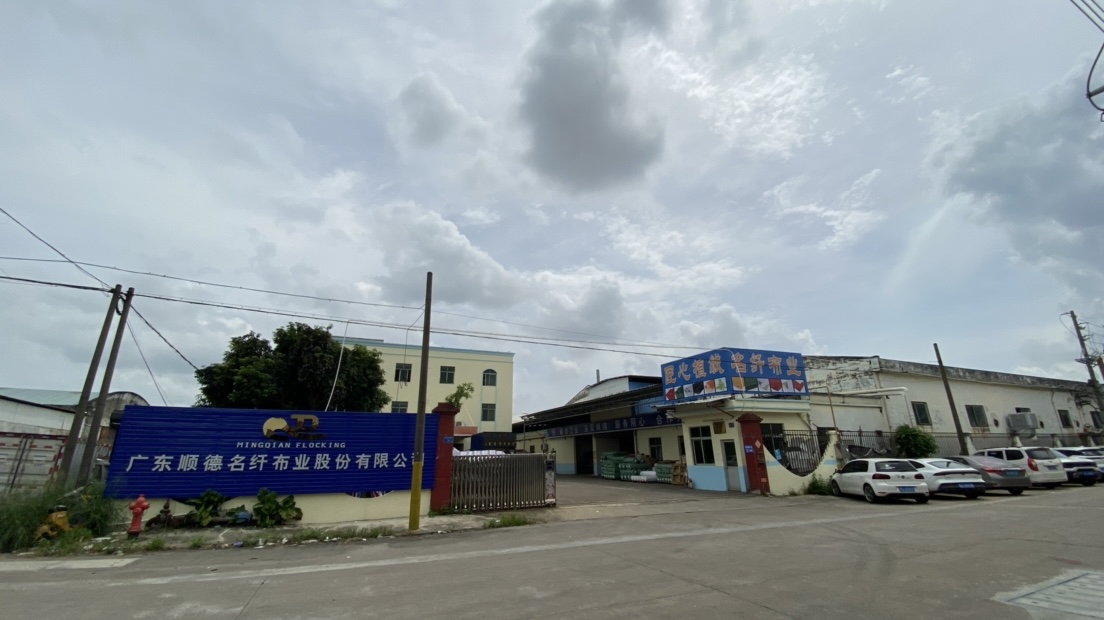
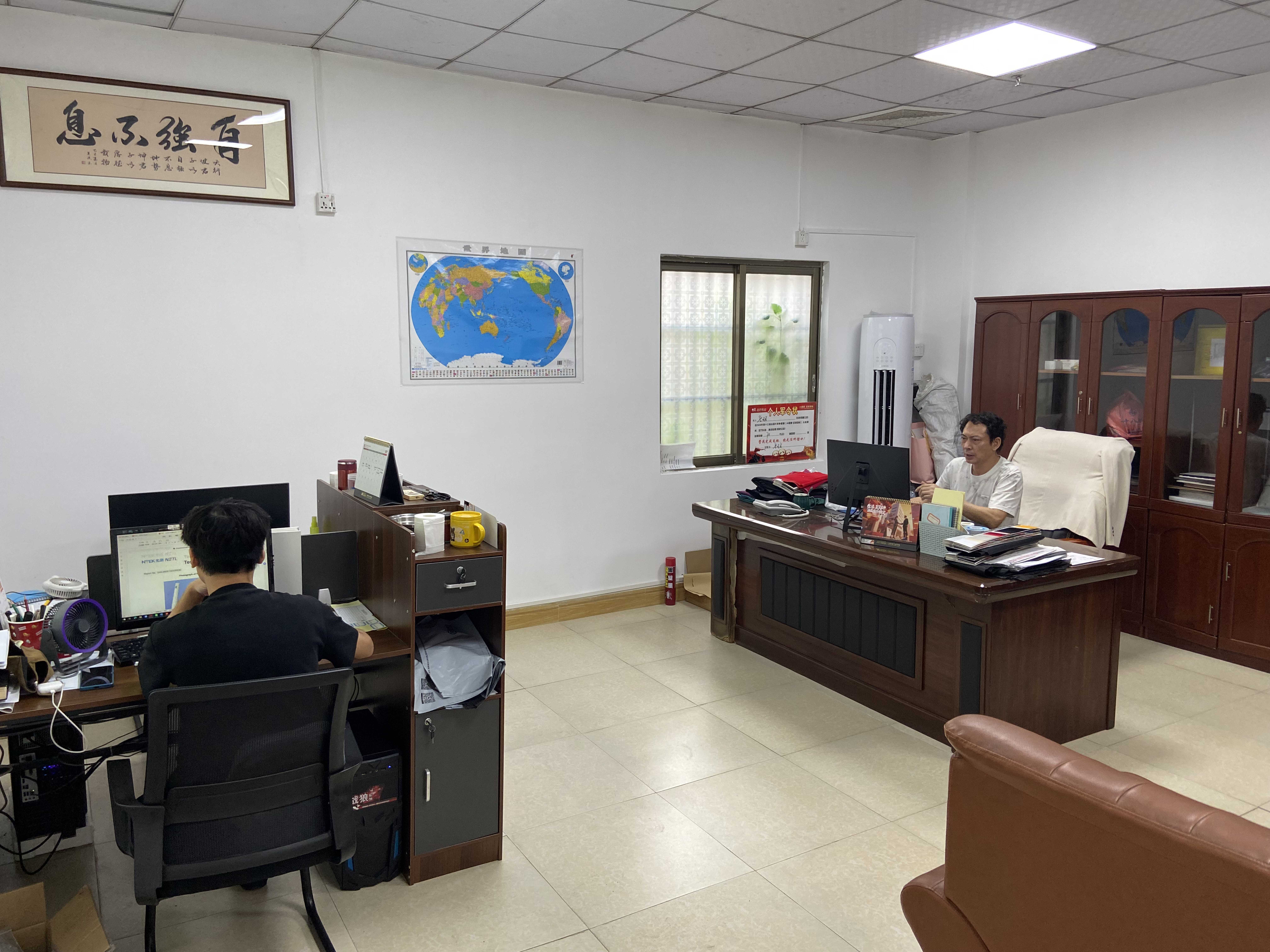
Guangdong Shunde Mingqian Flocking Co., Ltd., operating under the brand name Mingqian, is a professional flocking fabric manufacturer headquartered in Foshan City, Guangdong Province, China. Established in 2008, the company operates a factory area of 10,000 square meters equipped with five automated flocking lines, yielding a monthly production capacity of over 3,000,000 yards. The enterprise holds ISO 9001:2015 and Global Recycled Standard (GRS) Version 4.0 certifications, serving international markets including North America, Southeast Asia, South Asia, and Europe. It has provided high-performance materials for clients across multiple industries, including luxury packaging, automotive interiors, and consumer electronics.
Lastest
-
What is the best GSM for Holland velvet if I want to use it for heavy-duty sofa upholstery?
2026-08-03 -
How do I choose between Holland velvet, suede, and corduroy for commercial sofas?
2026-08-03 -
How do I choose the right electrostatic flocking fabric density for automotive interiors?
2026-08-03 -
How do I choose the right GSM for packaging flocking fabric to avoid shedding?
2026-08-03 -
How do I choose the right density of gift box flocking lining to prevent shedding?
2026-08-03
SUBSCRIBE
INQUIRY