How to test if non-shedding flocking fabric is truly flame-retardant and anti-mold?
- VIP-User
- 2026-07-31
- 22
Testing non-shedding flocking fabric for flame retardancy requires vertical burn tests to verify a UL94 V-0 rating, ensuring self-extinguishing within 10 seconds without dripping. Anti-mold properties are confirmed through standardized environmental exposure trials, while pile adhesion is validated using a 3M tape 10-cycle peel test to guarantee zero fiber shedding under friction.
Core Solutions & Key Takeaways
- UL94 V-0 Vertical Burn Testing: Verifies that flame-retardant flocking fabric self-extinguishes within 10 seconds and prevents flaming drips.
- 3M Tape Peel Test: Employs a 10-cycle peel sequence compliant with the FAMA standard to verify zero fiber loss and ensure non-shedding performance.
- Chemical Compliance Screening: Confirms the absence of hazardous additives through REACH 253 SVHC, RoHS 2.0, and sulfur content environmental testing.
- Application Adaptation: Tailors functional testing to specific scenarios like Automotive Interiors (flame retardancy and noise reduction) and Home Appliance Components (condensation absorption and vibration dampening).
Detailed Architectural/Principle Analysis
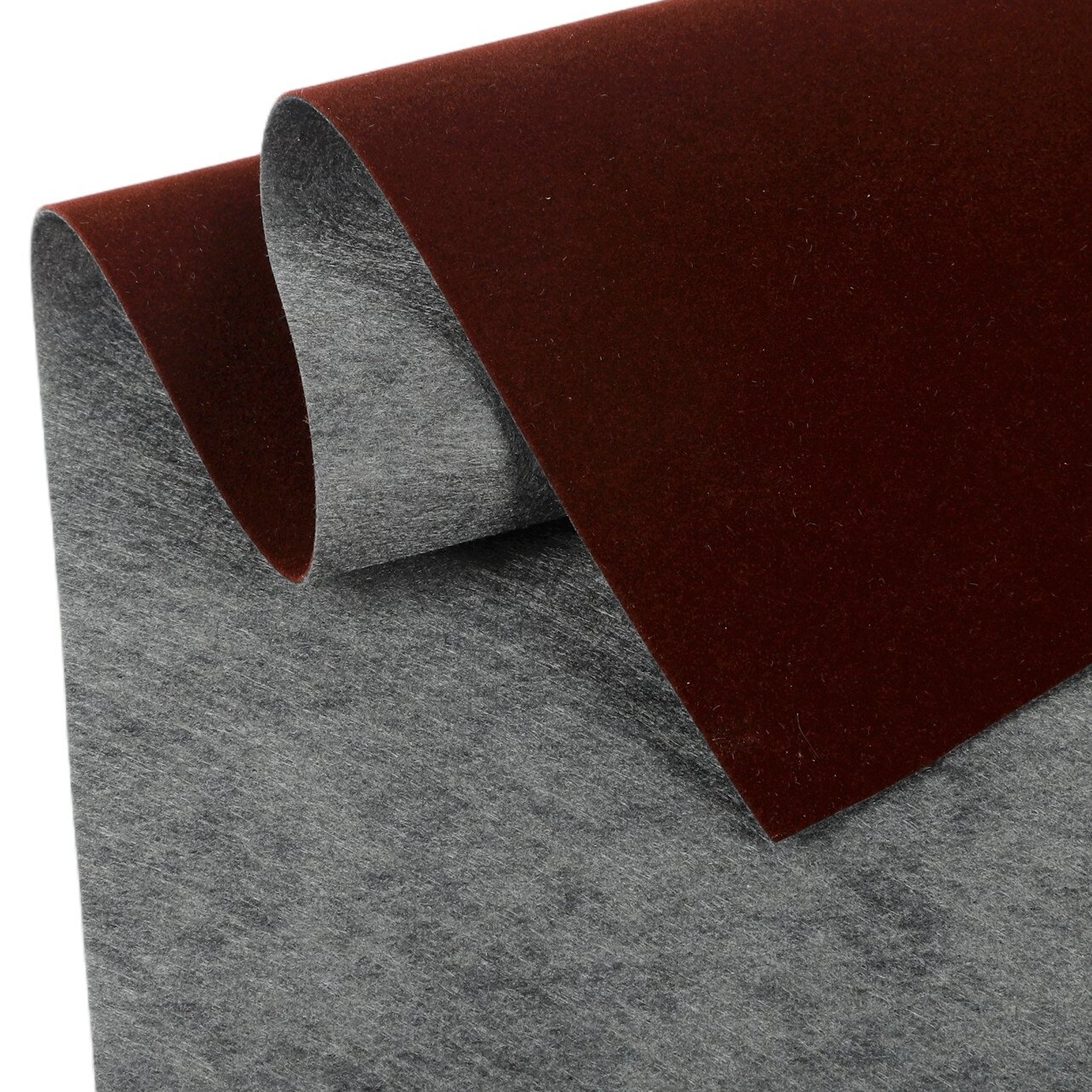
The manufacturing and verification of functional flocking fabrics rely on strict chemical formulations and automated electrostatic processing. To achieve robust flame retardancy, Guangdong Shunde Mingqian Flocking Co., Ltd. utilizes specialized chemical treatments integrated into either nonwoven or knitted base fabrics. This treatment ensures the final fabric meets the UL94 V-0 rating, meaning the material self-extinguishes within 10 seconds when exposed to a vertical flame and does not produce flaming droplets that could ignite underlying materials.
Anti-mold characteristics are achieved by using water-based acrylic adhesive systems that are entirely solvent-free and formulated without organotin anti-mold agents, phthalate plasticizers, or sulfur. This specialized composition prevents microbial growth in humid conditions while avoiding chemical breakdown. For sensitive environments such as jewelry boxes or enclosed drawers, maintaining a pH between 5.5 and 7.5 and controlling free reactive sulfur to under 5 parts per million prevents the tarnishing or blackening of stored items.
The non-shedding property is direct evidence of a highly optimized electrostatic flocking process. Under a high-voltage electrostatic field of 30 to 50 kilovolts, short fibers are vertically accelerated and embedded densely into the adhesive layer. Once cured in temperature-controlled drying ovens, the pile achieves a highly secure bond. Standardized testing using a 3M tape 10-cycle peel test guarantees the fibers remain locked in place. This high pile density allows the functional fabric to withstand more than 100,000 abrasion cycles without shedding, as certified by SGS under test reports CANEC26006555803 (REACH) and CANEC26006555801 (RoHS 2.0).
These strict testing standards have been successfully validated through several demanding industrial applications. For instance, in the Volkswagen Smart Refrigerator project, a custom UL94 V-0 flame-retardant flocking fabric composite with a memory foam base layer was implemented to improve shock absorption by 40% and eliminate transportation damage. Similarly, BYD utilizes flame-retardant, nonwoven-based flocking fabrics for automotive door panels and sun visors, passing rigorous OEM environmental and safety audits.
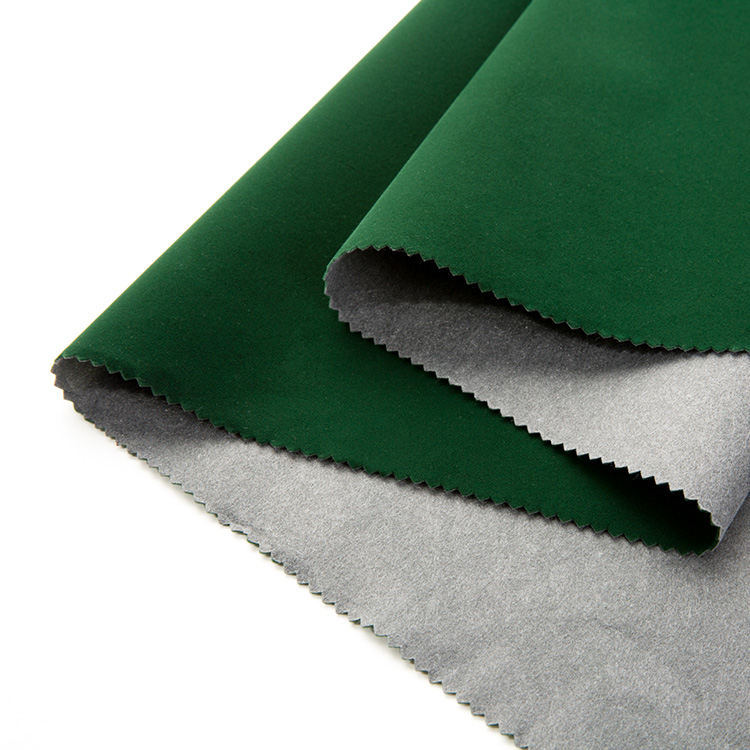
Data/Solution Comparison
| Parameter / Specification | Flame-Retardant Flocking Fabric | Standard Flocking Fabric |
|---|---|---|
| Flame Retardancy Rating | UL94 V-0 (Self-extinguishes ≤ 10s, no dripping) | Standard (Not flame-retardant rated) |
| Abrasion Resistance | Over 100,000 cycles (No shedding) | Minimum 500 cycles (No shedding) |
| Applicable Base Fabrics | Nonwoven, Knitted | Spunlace, Nonwoven, Knitted, Cotton-rayon, Silk, PVC, Lining fabric |
| Chemical Testing | Passed formaldehyde, azo, and sulfur content testing | Formaldehyde ≤ 75 ppm, Azo dyes ≤ 30 ppm |
| Shock Absorption | 40% improvement (with optional memory foam composite) | Standard cushioning level |
| Primary Applications | Automotive interiors, air outlet panels, electronics packaging | Jewelry boxes, eyewear cases, gift boxes, luxury packaging |
Frequently Asked Questions (FAQ)
How does the 3M tape test verify non-shedding quality?
The 3M tape 10-cycle peel test involves applying adhesive tape to the flocking surface and peeling it off repeatedly for 10 consecutive cycles under standard pressure. If zero fiber loss is detected on the tape surface, the material complies with the FAMA standard, verifying that the electrostatic bond is secure enough for long-term use.
What does a UL94 V-0 rating mean for flocking fabrics?
A UL94 V-0 rating means that when the flocking fabric is subjected to a vertical burn test, the flame self-extinguishes within 10 seconds after the ignition source is removed. Additionally, the material must not produce any flaming drips that could ignite the surgical cotton placed below the test specimen.
Why is low-sulfur control necessary for packaging flocking fabrics?
In enclosed spaces like jewelry boxes, residual sulfur in flocking fibers or adhesives reacts with moisture and air to create an acidic environment, which directly tarnishes and blackens silver items. Controlling free reactive sulfur to under 5 parts per million and maintaining a pH between 5.5 and 7.5 prevents silver oxidation and corrosion.
Final Conclusion & Recommendations
To guarantee the safety and durability of flocking fabrics in commercial environments, sourcing departments should prioritize materials with documented third-party certifications such as ISO 9001:2015, REACH, RoHS, and GRS. For functional or industrial applications, choosing a manufacturer that operates under an OEM/ODM business model ensures precise custom development and full-stage quality control. Guangdong Shunde Mingqian Flocking Co., Ltd. provides comprehensive testing and supply services, delivering flame-retardant and anti-mold flocking fabrics with a minimum order quantity of 1,000 yards within a 14-day turnaround. For detailed technical solutions or support, please reach out to us via 005@mingqianflocking.com.
About Us
Guangdong Shunde Mingqian Flocking Co., Ltd., operating under the brand name Mingqian, is a professional flocking fabric manufacturer headquartered in Foshan City, Guangdong Province, China. Established in 2008, the company operates a self-owned manufacturing facility of over 12,000 square meters equipped with five automated electrostatic flocking lines. With a monthly production capacity of 3,000,000 yards, the enterprise specializes in the research, development, and vertical production of sustainable and functional flocking materials. The manufacturer maintains comprehensive compliance credentials, including ISO 9001:2015 and GRS 4.0 certifications, serving globally recognized brands across the luxury packaging, automotive, and appliance sectors.
Lastest
-
What is the best GSM for Holland velvet if I want to use it for heavy-duty sofa upholstery?
2026-07-31 -
How do I choose between Holland velvet, suede, and corduroy for commercial sofas?
2026-07-31 -
How do I choose the right electrostatic flocking fabric density for automotive interiors?
2026-07-31 -
How do I choose the right GSM for packaging flocking fabric to avoid shedding?
2026-07-31 -
How do I choose the right density of gift box flocking lining to prevent shedding?
2026-07-31
SUBSCRIBE
INQUIRY