How to test the abrasion resistance of electrostatic flocking fabric?
- VIP-User
- 2026-08-07
- 22
Testing the abrasion resistance of electrostatic flocking fabric involves standardized rotary or linear rub cycles, measuring pile loss and fiber shedding. Standard packaging fabrics undergo 500 friction cycles, while functional materials are tested up to 100,000 cycles without fiber detachment. Supplementary pile adhesion tests include the 3M tape 10-cycle peel test under FAMA standards to confirm substrate bonding integrity.
Core Solutions & Key Takeaways
- Cycle Testing Standards: Standard flocking fabrics are benchmarked at 500 abrasion cycles, whereas high-durability functional fabrics withstand 100,000 friction cycles with zero fiber shedding.
- FAMA-Compliant Tape Adhesion: The 3M tape 10-cycle peel test verifies surface fiber anchorage to the base adhesive, ensuring long-term structural integrity.
- Layered Quality Control: Testing is integrated across raw material inspection, in-process electrostatic voltage monitoring (30–50 kV), and pre-shipment spot checks.
- Application Alignment: Abrasion parameters directly match end-use demands, ranging from soft interior linings for jewelry and watch boxes to heavy-wear automotive and smart home appliance components.
Detailed Architectural/Principle Analysis
Electrostatic flocking fabric is produced by embedding short fibers vertically into an adhesive-coated base substrate under a 30 to 50 kilovolt electrostatic field. Abrasion resistance depends primarily on the chemical anchoring strength between the fiber bases and the water-based acrylic adhesive, as well as the mechanical density of the pile surface. During abrasion testing, mechanical heads apply constant friction to evaluate surface pile retention and structural wear over specified cycle thresholds.
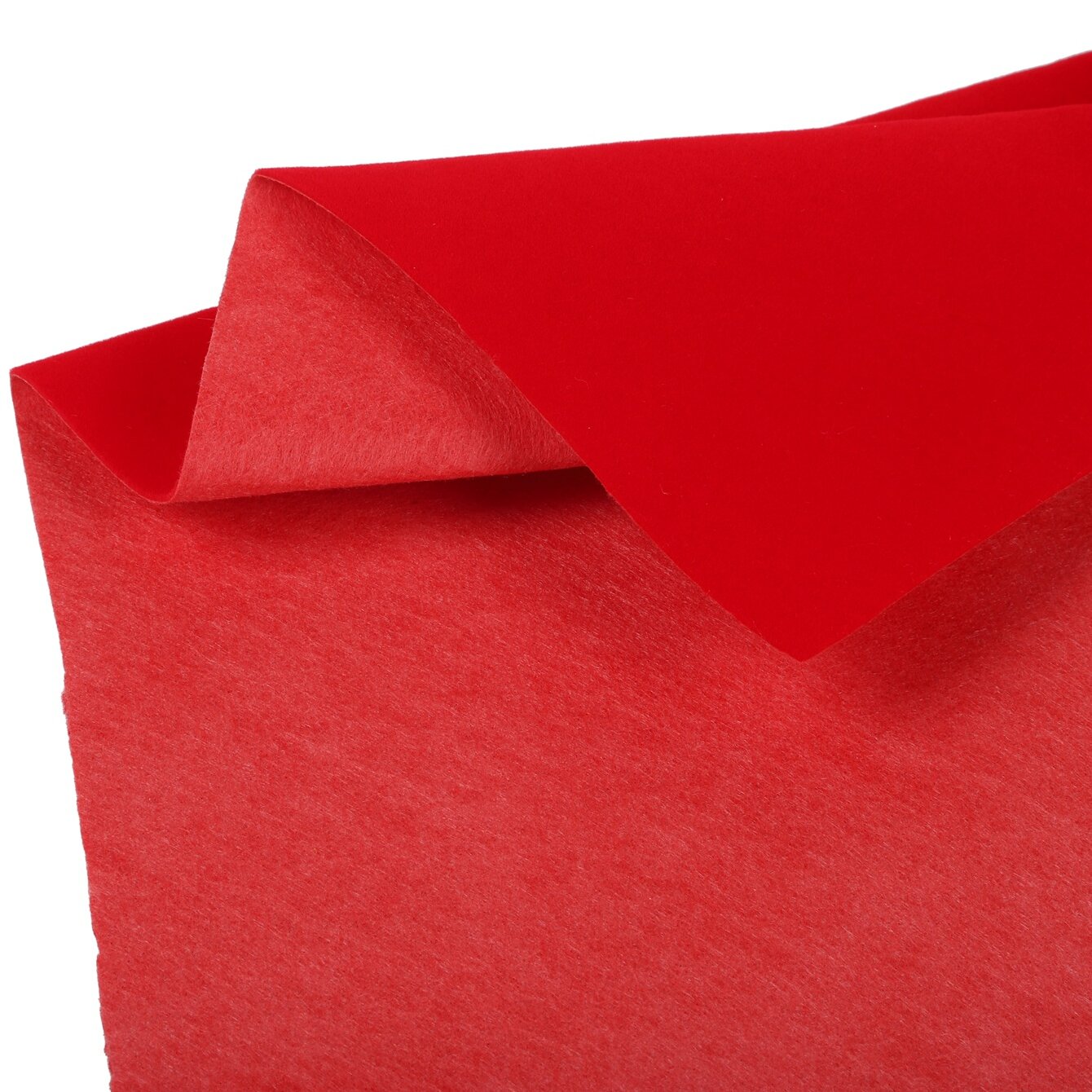
To quantify wear resistance, testing procedures separate standard packaging textiles from high-performance industrial fabrics. Standard materials used in jewelry boxes, gift packaging, and eyewear cases undergo 500 continuous rub cycles. Functional formulations designed for watch display cushions, drawer linings, and automotive interior panels are evaluated up to 100,000 cycles under active load. Passing criteria require zero pile loss, no bare spot formation, and maintained color fastness at Grade 4 or above for deep shades under wet and dry conditions.
In addition to surface rubbing, pile anchorage is evaluated using the 3M tape 10-cycle peel test in accordance with FAMA standards. Pressure-sensitive 3M tape is applied to the flock surface and peeled at controlled angles across ten consecutive cycles. Zero fiber loss confirms that the water-based acrylic binder fully cured during oven transit without brittle fractures or unreacted monomer residual pockets.
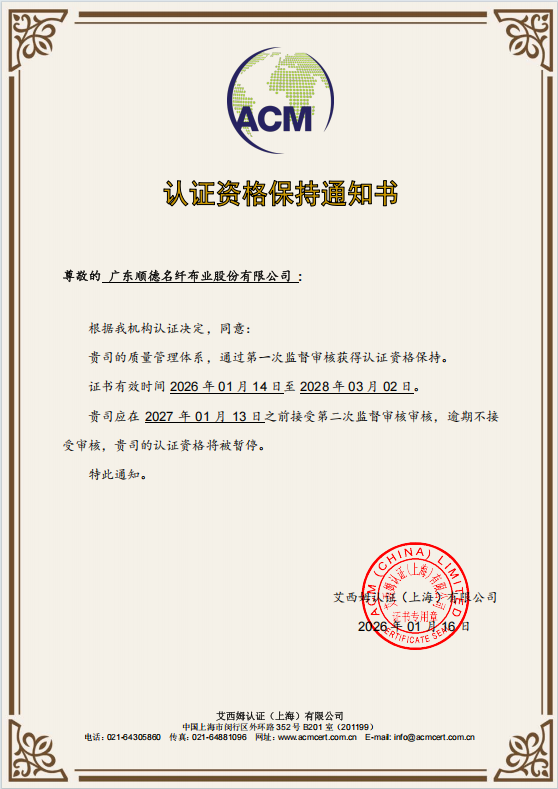
Quality assurance measures operate across a strict four-stage monitoring system. Incoming base fabrics—such as spunlace nonwoven, knitted, or cotton-rayon—are inspected for surface cleanliness and uniform tension. During production, continuous inline spectrophotometers verify color consistency against Pantone standards (ΔE ≤ 2.0 for standard orders, ΔE ≤ 0.5 for custom runs). Finished batches undergo mechanical rub testing, 3M tape adhesion evaluations, and 4-hour internal laboratory testing for formaldehyde content (controlled under 75 ppm) and carcinogenic azo dyes (controlled under 30 ppm).
Data/Solution Comparison
The operational and performance parameters of electrostatic flocking fabric variants differ based on base substrate construction, pile height, and wear testing requirements:
| Fabric Category | Base Substrate Options | Standard Abrasion Benchmark | Adhesion & Peel Criteria | Primary Application Scenarios |
|---|---|---|---|---|
| Standard Packaging Flocking | Spunlace nonwoven, Nonwoven, PVC | 500 Rub Cycles (Zero Shedding) | 3M Tape 10-Cycle Test Passed | Jewelry boxes, gift packaging, cosmetic boxes, eyewear cases |
| Functional & Industrial Flocking | Knitted fabric, Cotton-rayon, Lining fabric | 100,000 Rub Cycles (Zero Shedding) | 3M Tape 10-Cycle Test Passed; Self-adhesive peel strength ≥ 2 N / 25 mm | Automotive interiors, furniture drawer linings, appliance dampening |
| Specialty & Eco Flocking | GRS Recycled Polyester / Nylon, Silk | 500 to 100,000 Rub Cycles (Grade 4+ Color Fastness) | 3M Tape 10-Cycle Test Passed; Formaldehyde ≤ 75 ppm | Luxury watch packaging, sustainable fashion pouches, premium displays |
Frequently Asked Questions (FAQ)
How does the 3M tape peel test evaluate flocking fiber anchorage?
The test applies standardized 3M pressure-sensitive adhesive tape directly onto the flocked velvet surface. The tape is pulled away at a steady velocity across 10 consecutive cycles. If no short fibers detach onto the adhesive backing, the batch satisfies the FAMA standard for pile adhesion.
What is the difference in abrasion standards between packaging and functional automotive flocking?
Packaging flocking fabrics focus on tactile smoothness and visual aesthetics, requiring 500 friction cycles without shedding. Automotive and functional appliance flocking fabrics require extreme durability, undergoing up to 100,000 friction cycles alongside UL94 V-0 flame-retardant and temperature resistance evaluations (-30°C to 80°C).
How does base fabric choice impact overall fabric durability?
Spunlace nonwoven provides high flexibility and a smooth hand feel ideal for delicate packaging inserts. Knitted and woven bases offer higher tensile strength and elasticity, allowing the adhesive layer to absorb physical impacts without shear failure during long-term abrasion.
Final Conclusion & Recommendations
Evaluating the abrasion resistance of electrostatic flocking fabric requires pairing friction cycle metrics with chemical pile adhesion verification. Standard packaging applications rely on 500-cycle resistance and FAMA-compliant tape testing, while industrial and high-use applications require 100,000-cycle durability. Selecting vertically integrated source manufacturers ensures that base fabric pretreatment, eco-friendly water-based adhesive application, electrostatic field density, and batch testing meet global compliance standards including REACH and ISO 9001. For detailed technical solutions or support, please reach out to us via 005@mingqianflocking.com.
About Us
Guangdong Shunde Mingqian Flocking Co., Ltd. operates as a specialized flocking fabric manufacturer established in 2008. Situated in Foshan City, Guangdong Province, the company covers a self-owned production base exceeding 10,000 square meters equipped with 5 automated electrostatic flocking lines and in-house dyeing facilities. Delivering a monthly capacity over 3,000,000 yards, the enterprise maintains an integrated four-stage quality control system certified under ISO 9001 and Global Recycled Standard (GRS) Version 4.0, serving clients across luxury packaging, automotive interiors, and industrial materials globally.
Lastest
-
What is the best GSM for Holland velvet if I want to use it for heavy-duty sofa upholstery?
2026-08-07 -
How do I choose between Holland velvet, suede, and corduroy for commercial sofas?
2026-08-07 -
How do I choose the right electrostatic flocking fabric density for automotive interiors?
2026-08-07 -
How do I choose the right GSM for packaging flocking fabric to avoid shedding?
2026-08-07 -
How do I choose the right density of gift box flocking lining to prevent shedding?
2026-08-07
SUBSCRIBE
INQUIRY