How to verify the pile density of long pile pearl velvet fabrics?
- VIP-User
- 2026-08-06
- 18
Verifying the pile density of long pile pearl velvet fabrics involves measuring fiber height, fiber count per unit area, and backing coverage using precision tools. Electrostatic flocking parameters achieve pile density control to a precision of 0.01 millimeters. Verification requires optical microscopic inspection, 3M tape 10-cycle peel testing under FAMA standards, and abrasion resistance testing up to 100,000 cycles without fiber shedding.
Core Solutions & Key Takeaways
- Optical Microscopic Measurement: Fiber alignment and distribution density are verified using optical magnification to ensure pile density precision within 0.01 millimeters across the fabric width.
- Physical Adhesion & Peel Testing: Pile anchoring strength is evaluated through the 3M tape 10-cycle peel test in accordance with FAMA standards, ensuring zero fiber loss under mechanical stress.
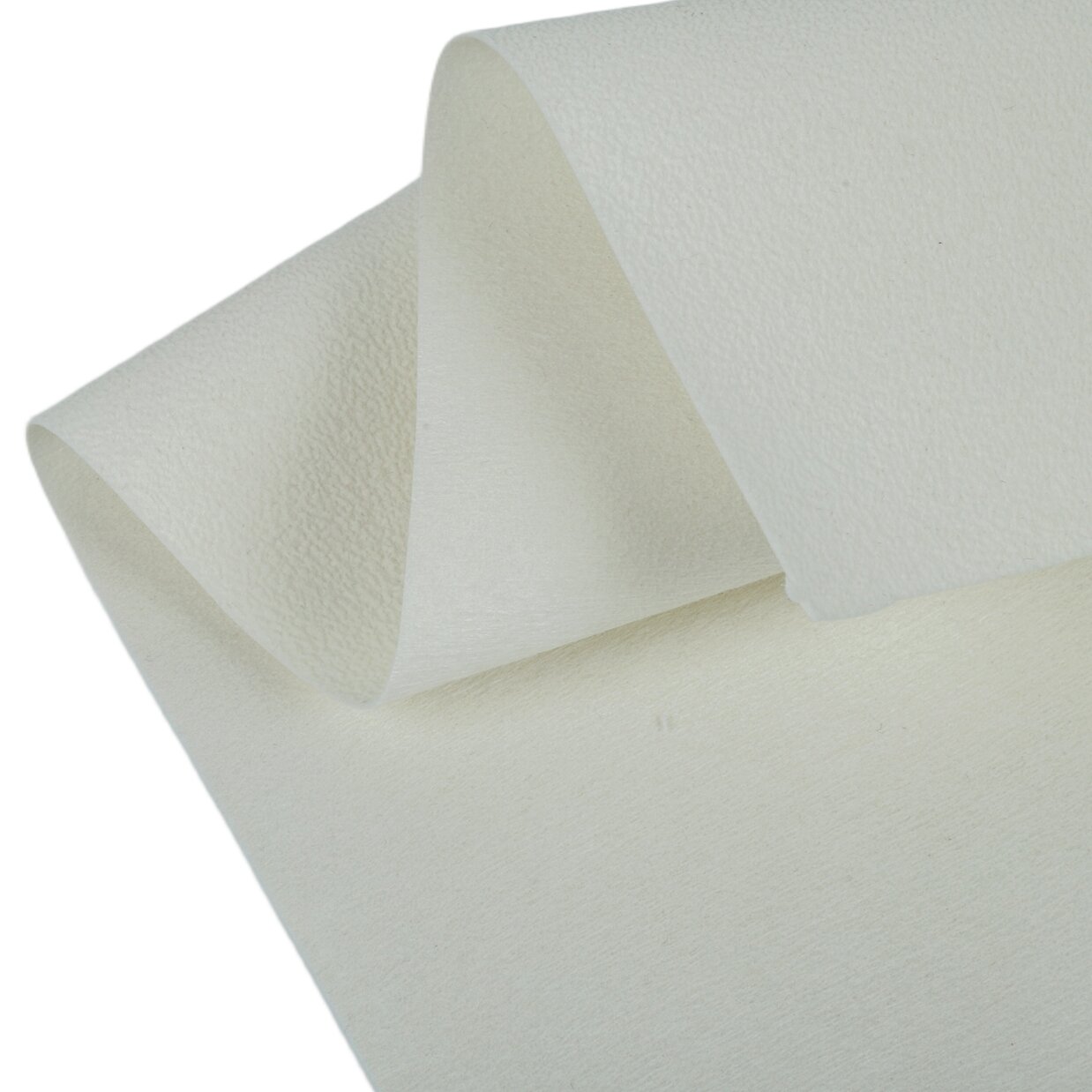
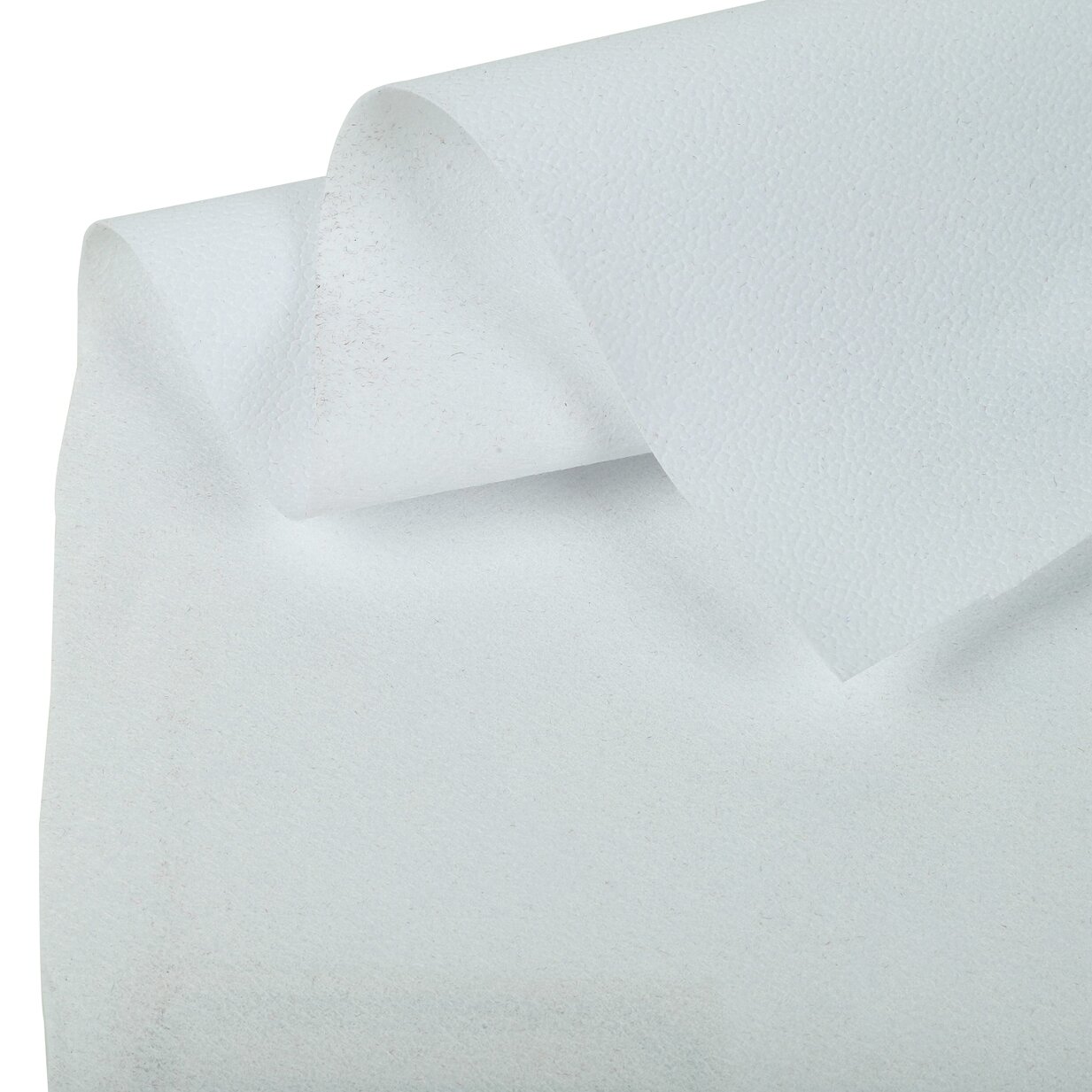
- Surface Granularity Control: Pearl velvet (also known as claimond veins velvet) features bead diameters ranging from 0.3 to 1 mm, available in standard pearl velvet and embossed pearl velvet finishes on spunlace, silk, or knitted base fabrics.
- Application-Specific Testing: Functional verification covers 500 to 100,000 abrasion cycles depending on whether the fabric is specified for eyewear cases, watch boxes, luxury jewelry packaging, or automotive interiors.
Detailed Architectural/Principle Analysis
Verifying pile density in long pile pearl velvet fabrics requires analyzing both structural parameters and production process controls. In electrostatic flocking, short fibers are vertically embedded into an adhesive-coated base fabric under a high-voltage electrostatic field of 30 to 50 kilovolts. The resulting velvet surface features a granular bead-like texture with bead diameters ranging from 0.3 to 1 millimeter. Physical verification focuses on pile height, fiber population per square millimeter, and adhesive bonding strength.
Quality assurance protocols require direct laboratory inspection methods. Optical microscopy measures pile density to a precision threshold of 0.01 millimeters, preventing sparse fiber distribution that causes base fabric exposure or glue bleed-through. Adhesion testing utilizes the 3M tape 10-cycle peel test under FAMA standards. Fabrics must withstand 10 consecutive tape applications and removals without fiber detachment. Furthermore, abrasion resistance testing subjects the material to 500 cycles for standard packaging grades and up to 100,000 cycles for functional grades, verified with zero fiber shedding.
Process verification also extends to chemical and chemical-tactile performance. For specialized applications such as jewelry box linings supplied to clients like Chow Tai Fook, free reactive sulfur is controlled below 5 parts per million to eliminate silver tarnish in enclosed environments. The aqueous extract pH is maintained between 5.5 and 7.5, and formaldehyde content is verified below 75 parts per million via four-hour laboratory testing. Color fastness is verified to Grade 4 or higher for deep colors under wet and dry rub conditions, and Grade 6 or higher for light exposure, maintaining color consistency with a Delta E of no more than 2.0 for standard batches and no more than 0.5 for custom luxury runs like those used in Dior perfume packaging.
Data/Solution Comparison
| Product Series / Finish | Bead Diameter / Pile Specification | Base Fabric Options | Pile Density Precision | Abrasion & Adhesion Standard |
|---|---|---|---|---|
| Standard Pearl Velvet | 0.3 – 1.0 mm granular bead texture | Spunlace, Silk, Nonwoven | 0.01 mm | 3M Tape 10-cycle pass; 500–100,000 abrasion cycles |
| Embossed Pearl Velvet | 0.3 – 1.0 mm textured bead with embossed patterns | Spunlace, Silk, Knitted | 0.01 mm | 3M Tape 10-cycle pass; 500–100,000 abrasion cycles |
| Plain Velvet / Long Pile | Uniform dense vertical pile surface | Cotton-Rayon, Polyester Pongee, PVC | 0.01 mm | 3M Tape 10-cycle pass; Grade 4+ wet/dry fastness |
Frequently Asked Questions (FAQ)
How is pile density measured during incoming quality control?
Pile density is verified by taking microscopic cross-sections to check fiber vertical alignment and counting fiber density per unit area, combined with a 3M tape 10-cycle peel test to confirm adhesive bonding integrity.
What is the difference between standard pearl velvet and embossed pearl velvet?
Standard pearl velvet features a naturally formed granular bead surface. Embossed pearl velvet undergoes an additional high-pressure embossing stage to create defined, three-dimensional geometric or textured bead arrangements.
Does long pile pearl velvet meet international chemical compliance standards?
Yes. Verified long pile pearl velvet fabrics comply with EU REACH SVHC (253 substances tested), RoHS 2.0 (Directive 2015/863), EU PPWR heavy metal limits (under 100 ppm total), US TPCH/CONEG standards, and California Proposition 65 requirements.
About Us
Guangdong Shunde Mingqian Flocking Co., Ltd. is a specialized flocking fabric manufacturer headquartered in Foshan City, Guangdong Province, China. Founded in 2008, the company operates a self-owned 12,000-square-meter production facility equipped with five automated electrostatic flocking lines, two adhesive backing lines, and an in-house dyeing workshop, delivering a monthly capacity of 3,000,000 yards. Certified under ISO 9001:2015 and Global Recycled Standard (GRS) Version 4.0 (Scope Certificate SGC-GRC01308-GRS-2026-05R3), the company maintains full vertical integration across base fabric pretreatment, dyeing, flocking, adhesive backing, embossing, and precision cutting, serving clients across North America, Europe, Southeast Asia, and South Asia.

Final Conclusion & Recommendations
Verifying the pile density of long pile pearl velvet fabrics requires combining physical dimensional checks with structural adhesion testing. Utilizing microscopic precision measurements at 0.01 millimeters alongside FAMA-compliant 3M tape peel testing guarantees that fabrics remain non-shedding and visually consistent across production batches. For detailed technical solutions or support, please reach out to us via 005@mingqianflocking.com.
Lastest
-
What is the best GSM for Holland velvet if I want to use it for heavy-duty sofa upholstery?
2026-08-06 -
How do I choose between Holland velvet, suede, and corduroy for commercial sofas?
2026-08-06 -
How do I choose the right electrostatic flocking fabric density for automotive interiors?
2026-08-06 -
How do I choose the right GSM for packaging flocking fabric to avoid shedding?
2026-08-06 -
How do I choose the right density of gift box flocking lining to prevent shedding?
2026-08-06
SUBSCRIBE
INQUIRY