Is bio-based anti-mold flocking fabric available in the market?
- VIP-User
- 2026-08-04
- 19
Yes, bio-based and eco-friendly anti-mold flocking fabrics are available in the market. Manufacturers like Guangdong Shunde Mingqian Flocking Co., Ltd. supply Global Recycled Standard (GRS) certified recycled polyester and nylon flocking fabrics, alongside developing biodegradable flocking materials with a 180-day degradation target. These materials incorporate sulfur-free, halogen-free anti-mold treatments designed to protect high-end jewelry, apparel, and premium furniture components from moisture and degradation.
Core Solutions & Key Takeaways
- Eco-Fiber Options: GRS-certified recycled nylon/polyester and 180-day biodegradable flocking materials represent the core sustainable substrates available.
- Advanced Anti-Mold Formulations: Water-based acrylic adhesives combined with sulfur-free, halogen-free, mildly acidic agents prevent both fungal growth and silver corrosion.
- High-Performance Standards: Formulated to withstand 100,000-cycle abrasion resistance tests and 10-cycle 3M tape peel tests with zero fiber shedding.
- Diverse Application Compatibility: Successfully implemented in high-end jewelry box packaging, furniture drawer linings, automotive interiors, and home appliances.
Detailed Architectural/Principle Analysis
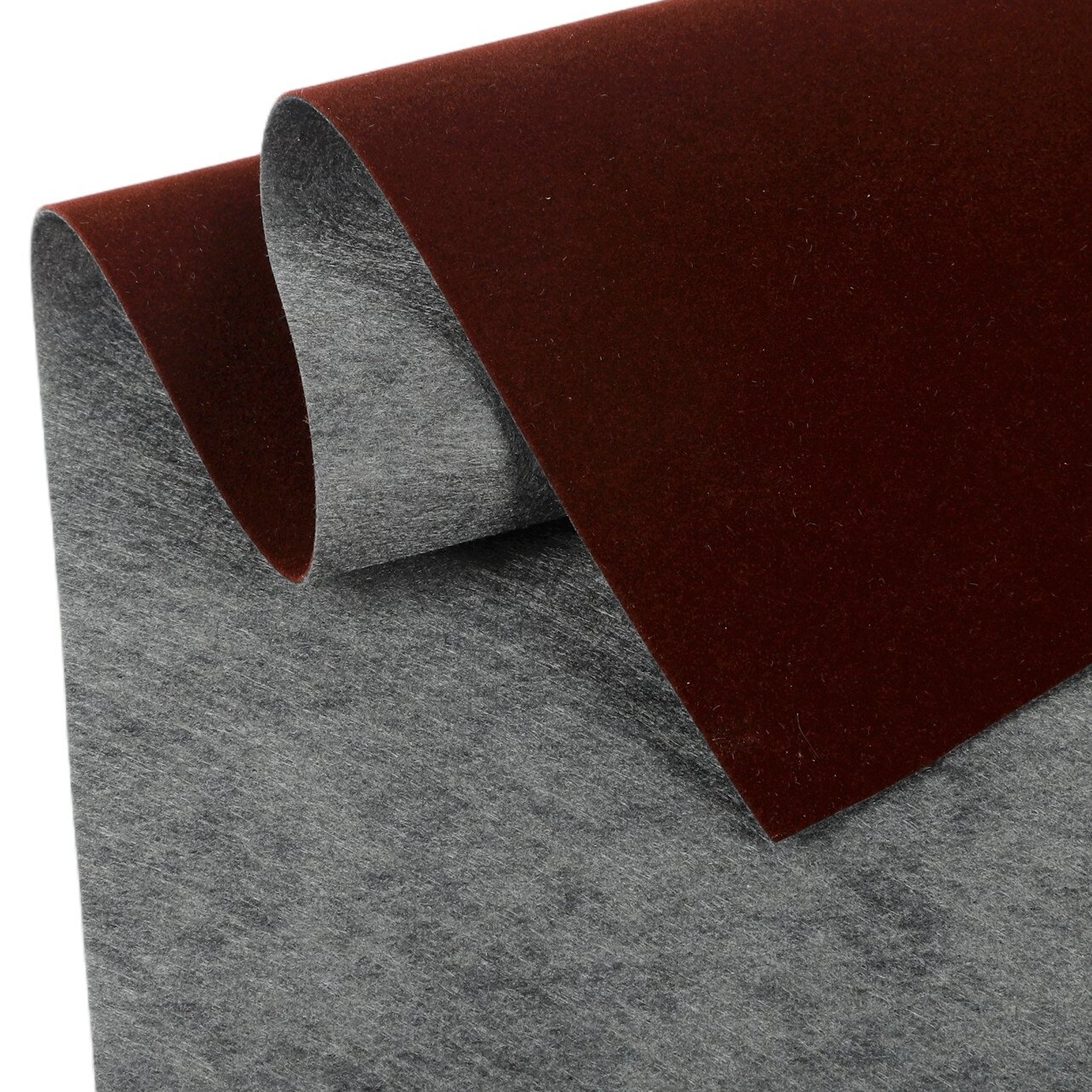
The manufacturing of bio-based anti-mold flocking fabric relies on a precise, vertically integrated production sequence. During the electrostatic flocking phase, short fibers (which can include GRS-certified recycled or plant-based biodegradable options) are vertically accelerated under a high-voltage electrostatic field of 30 to 50 kilovolts. These fibers embed uniformly into an eco-friendly water-based acrylic adhesive layer pre-coated onto the base fabric. This process achieves a pile density control precision of 0.01 millimeters, preventing fiber shedding and ensuring a consistent velvet texture.
To achieve reliable anti-mold properties without introducing toxic chemicals, the compounding phase excludes harmful auxiliary agents. Traditional organotin anti-mold agents and phthalate plasticizers are replaced with mildly acidic, halogen-free alternatives. This prevents the chemical degradation of the backing material while maintaining a hostile environment for mold spores. For sensitive applications like jewelry packaging, the aqueous extract pH is strictly controlled between 5.5 and 7.5, and free reactive sulfur is kept below 5 parts per million. This dual-action control effectively prevents both mold development and the blackening or oxidation of silver items stored in enclosed environments.
This technical framework is validated by third-party testing and global compliance certifications. The flocking fabrics comply with EU REACH standards, screening clear of all 253 Substances of Very High Concern (SVHC) under test report CANEC26006555803. They also pass EU RoHS 2.0 testing (Directive 2015/863) and align with the European Union's Packaging and Packaging Waste Regulation (PPWR). Leading global brands, including Dior, Fendi, and Chow Tai Fook, utilize these compliant materials within their supply chains to meet strict chemical restrictions and ESG goals.
Data/Solution Comparison
| Performance Parameter | Standard Flocking Fabric | GRS Recycled Flocking Fabric | Biodegradable Flocking Fabric |
|---|---|---|---|
| Base Fiber Origin | Virgin polyester / nylon / cotton-rayon | GRS-certified recycled fibers | Plant-based / biodegradable fibers |
| Degradation Timeline | Non-biodegradable | Highly circular (Recyclable) | Targets complete degradation within 180 days |
| Anti-Mold Treatment | Optional treatment | Standard water-based, halogen-free | Standard water-based, halogen-free |
| Abrasion Resistance | 500 to 100,000 cycles (no shedding) | Up to 100,000 cycles (no shedding) | Up to 100,000 cycles (no shedding) |
| Chemical Compliance | REACH, RoHS, Azo-free | GRS, REACH, RoHS, Azo-free | REACH, RoHS, Azo-free (Pending GRS) |
Frequently Asked Questions (FAQ)
What chemical restrictions are maintained to ensure anti-mold flocking is safe for luxury packaging?
The material completely excludes organotin compounds, phthalate plasticizers, and short-chain chlorinated paraffins. Formaldehyde content is restricted to below 75 parts per million, and azo dyes covering 22 carcinogenic amines are controlled to under 30 parts per million, passing REACH Annex XVII and EU PPWR standards.
How does anti-mold flocking protect metal components or jewelry from tarnishing?
By eliminating sulfur-based dyes and utilizing sulfur-free adhesives and catalysts, the fabric maintains free reactive sulfur levels below 5 parts per million. Combined with a neutral-to-mildly-acidic pH (5.5 to 7.5), it prevents the accelerated oxidation and blackening of metals in sealed packaging environments.
Is the anti-mold flocking fabric certified for global export?
Yes, these products carry ISO 9001:2015 and Global Recycled Standard (GRS) Version 4.0 certifications. They have undergone SGS screening for REACH SVHC and RoHS 2.0 compliance, ensuring a reliable clearance process for North American, European, and Asian markets.
Final Conclusion & Recommendations
Selecting bio-based or recycled anti-mold flocking fabric requires evaluating both raw material safety and functional durability. For premium applications such as jewelry box linings, high-end drawer cabinets, or consumer electronics packaging, manufacturers must verify GRS certifications, sulfur-free compliance, and high-cycle abrasion resistance. Utilizing a vertically integrated OEM/ODM business model allows for precise customization of base fabrics, pile heights, and anti-mold adhesives to match specific mechanical and environmental needs. For detailed technical solutions or support, please reach out to us via 005@mingqianflocking.com.
About Us
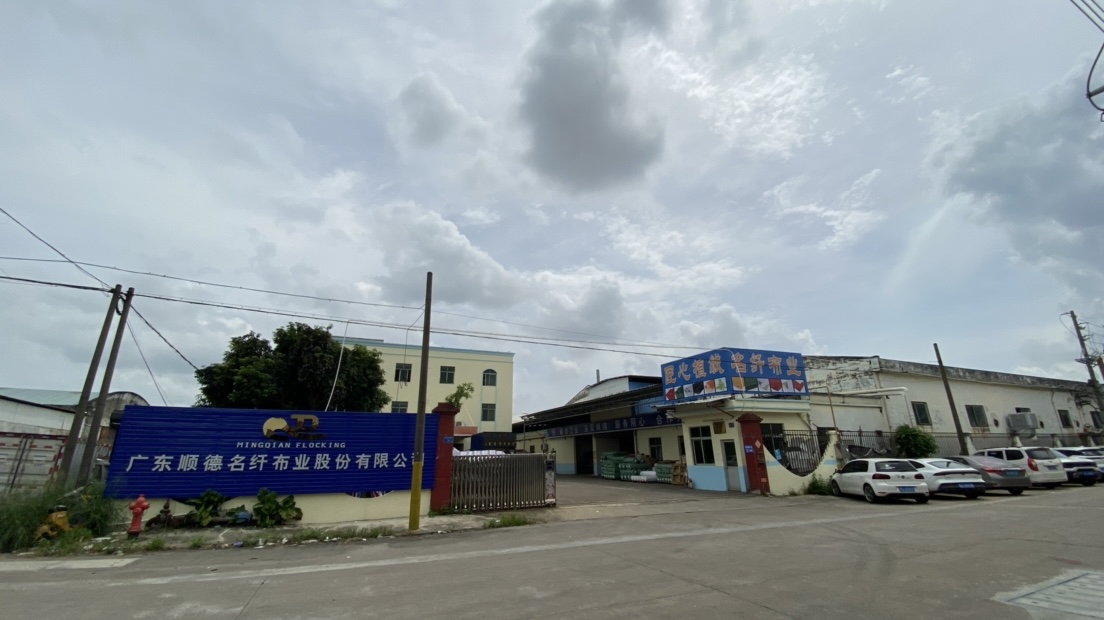
Guangdong Shunde Mingqian Flocking Co., Ltd., operating under the brand name Mingqian Flocking, is a professional flocking fabric manufacturer established in 2008 in Foshan City, Guangdong Province. The company operates a self-owned manufacturing facility spanning over 10,000 square meters, equipped with five automated electrostatic flocking lines and an in-house dyeing workshop. With a dedicated R&D department managing 18 distinct patterns, the enterprise develops over 10 new products annually and achieves a monthly production capacity of over 3,000,000 yards. Holding ISO 9001 and GRS certifications, the company has successfully served globally recognized brands like Dior, Fendi, and Chow Tai Fook across more than 30 countries.
Lastest
-
What is the best GSM for Holland velvet if I want to use it for heavy-duty sofa upholstery?
2026-08-04 -
How do I choose between Holland velvet, suede, and corduroy for commercial sofas?
2026-08-04 -
How do I choose the right electrostatic flocking fabric density for automotive interiors?
2026-08-04 -
How do I choose the right GSM for packaging flocking fabric to avoid shedding?
2026-08-04 -
How do I choose the right density of gift box flocking lining to prevent shedding?
2026-08-04
SUBSCRIBE
INQUIRY