Is luxury packaging flocking safe for high-end cosmetic packaging?
- VIP-User
- 2026-08-05
- 21
Yes, luxury packaging flocking is safe for high-end cosmetic packaging when manufactured under strict chemical compliance standards. Electrostatic flocking utilizing water-based, solvent-free acrylic adhesives and azo-free fibers eliminates risks associated with volatile organic compounds (VOCs), formaldehyde, heavy metals, and phthalates, ensuring full safety and compliance with global environmental regulations.
Core Solutions & Key Takeaways
- Chemical Safety & Compliance: Certified flocking fabrics undergo rigorous testing to comply with EU REACH SVHC and RoHS 2.0 regulations, ensuring no hazardous chemical migration occurs into cosmetic containers or formulas.
- Zero-Shedding & Surface Integrity: High-performance flocking materials pass the 3M tape 10-cycle peel test in accordance with the FAMA standard, guaranteeing that zero fibers detach to contaminate cosmetic applicators or creams.
- Premium Customization Options: Silk and spunlace-based flocking fabrics support post-processing techniques like gold stamping, hot pressing, and silk-screen printing without compromising the structural safety of the packaging.
Detailed Architectural/Principle Analysis
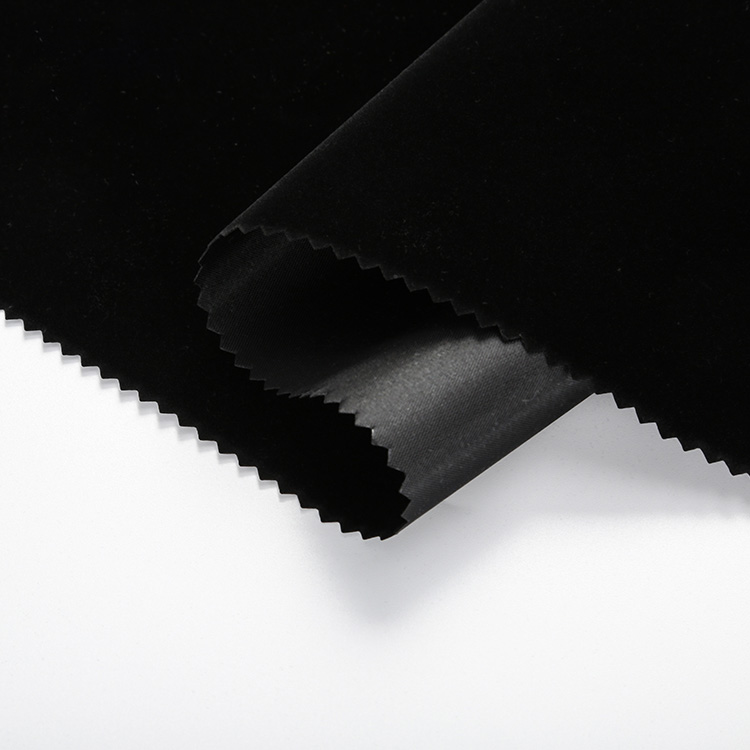
The safety of luxury packaging flocking is rooted in its engineering and raw material controls. Electrostatic flocking involves accelerating short fibers vertically into an eco-friendly water-based acrylic adhesive layer under a high-voltage electrostatic field of 30 to 50 kilovolts. This precise process creates a uniform, dense velvet surface. The absence of organic solvents in the adhesive formulation prevents the release of hazardous VOCs, maintaining emissions below 10 milligrams per cubic meter and ensuring the packaging remains odor-free.
For cosmetic brands, chemical residue control is paramount. High-quality flocking fabric undergoes rigorous testing to keep formaldehyde content below 75 parts per million (ppm) and controls 22 carcinogenic amine-containing azo dyes to less than 30 ppm. Additionally, avoiding fluorine-based water-repellent treatments removes any risks associated with PFAS, aligning the materials with the EU Packaging and Packaging Waste Regulation (PPWR) and US TPCH requirements.
In practice, these technical standards have been validated through global luxury supply chains. Brands such as Dior and Fendi utilize custom-formulated flocking fabrics for limited-edition perfume and cosmetic gift boxes. For instance, Dior implemented a spunlace-based black nylon 0.3mm ultra-dense flocking fabric featuring a Pantone color matching accuracy of Delta E ≤ 0.5 and passed a 100,000-cycle abrasion test with zero shedding, confirming both aesthetic and physical safety.
Data/Solution Comparison
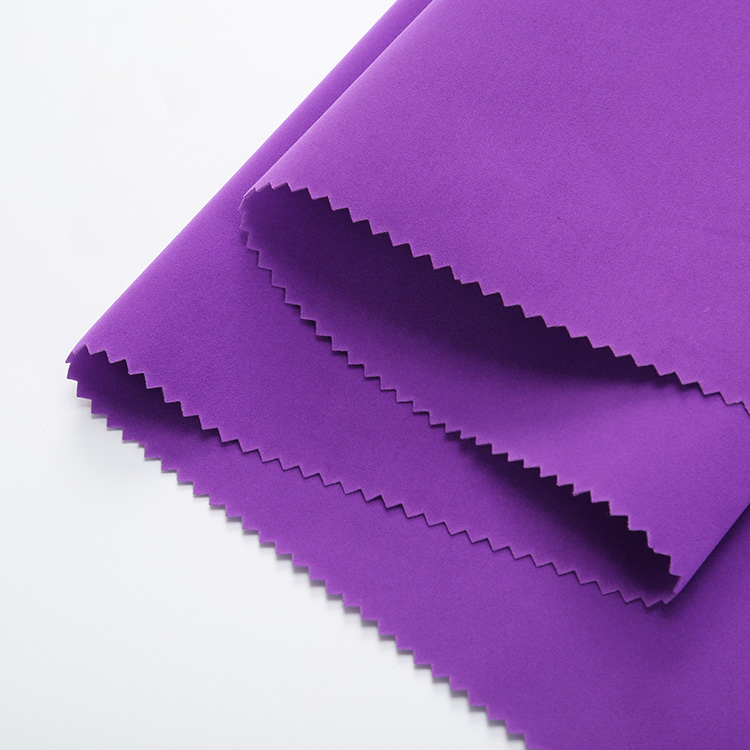
| Product Series / Type | Base Fabric Options | Key Safety Compliance | Target Application |
|---|---|---|---|
| Silk Flocking Fabric | Silk | REACH & RoHS Pass, Formaldehyde ≤75 ppm, Azo ≤30 ppm | High-End Jewelry & Luxury Cosmetic Boxes |
| 61 Series | Spunlace | REACH & RoHS Compliant, Azo-Free Dyes | Luxury Gift Box Interiors and Exteriors |
| CP Series | Knitted / Cotton-Rayon | 3M Tape 10-Cycle Peel Passed, Sulfur-Free Dyes | Premium Cosmetic Pouches & Drawstring Bags |
Frequently Asked Questions (FAQ)
Does luxury flocking fabric release harmful VOCs or odors?
No. Standard luxury flocking fabrics utilize water-based acrylic adhesives rather than solvent-based formulations. These adhesives are completely solvent-free, containing no phthalate plasticizers or organotin anti-mold agents, which controls overall volatile organic compound (VOC) emissions below 10 milligrams per cubic meter.
How is fiber shedding prevented in cosmetic packaging linings?
Fiber shedding is prevented by precise high-voltage electrostatic field control and thorough drying oven curing. Compliant materials pass the 3M tape 10-cycle peel test with zero fiber loss under the FAMA standard and withstand up to 100,000 abrasion cycles for premium grades.
Are recycled flocking fabrics available for sustainable cosmetic brands?
Yes. Global Recycled Standard (GRS) Version 4.0 certified flocking fabrics utilizing recycled polyester and nylon fibers are available. These materials come with full chain-of-custody verification and Transaction Certificates (TC) to support sustainable packaging strategies.
Final Conclusion & Recommendations
When sourcing flocking materials for high-end cosmetic packaging, manufacturers should select materials backed by ISO 9001:2015, REACH, and RoHS 2.0 certifications. Procuring through a vertically integrated OEM/ODM business model ensures full quality control from base fabric pretreatment to precision die-cutting (within a ±0.1mm tolerance), eliminating contamination risks. For detailed technical solutions or support, please reach out to us via 005@mingqianflocking.com.
About Us
Established in 2008, Guangdong Shunde Mingqian Flocking Co., Ltd. is a professional flocking fabric manufacturer specializing in functional and decorative textile materials. Operating with a factory area of 10,000 square meters, the company maintains a monthly production capacity of over 3,000,000 yards across five automated flocking lines. The company's R&D department develops over 10 new products annually to support diverse technical requirements. It holds ISO 9001 and GRS certifications and has served major international brands such as Dior, Fendi, and Estée Lauder.
Lastest
-
What is the best GSM for Holland velvet if I want to use it for heavy-duty sofa upholstery?
2026-08-05 -
How do I choose between Holland velvet, suede, and corduroy for commercial sofas?
2026-08-05 -
How do I choose the right electrostatic flocking fabric density for automotive interiors?
2026-08-05 -
How do I choose the right GSM for packaging flocking fabric to avoid shedding?
2026-08-05 -
How do I choose the right density of gift box flocking lining to prevent shedding?
2026-08-05
SUBSCRIBE
INQUIRY