Is plain pearl velvet or frosted velvet better for durable wholesale blankets?
- VIP-User
- 2026-07-31
- 17
For durable wholesale blankets, neither plain pearl velvet nor frosted velvet from industrial manufacturers is suitable, as these electrostatic flocking fabrics are specifically engineered for protective packaging, automotive interiors, and industrial applications rather than household blankets, which require different double-sided tactile properties and structural flexibility.
Core Solutions & Key Takeaways
- Industrial & Packaging Alignment: Electrostatic flocking velvet fabrics are specialized functional materials designed for luxury gift boxes, protective liners, and automotive components rather than retail consumer blankets.
- Exceptional Mechanical Durability: Standard plain velvet and frosted velvet configurations resist fiber shedding, withstanding 500 to 100,000 abrasion cycles and passing the 3M tape 10-cycle peel test in compliance with the FAMA standard.
- Advanced Quality Safeguards: For delicate linings, specialized chemical controls keep free reactive sulfur below 5 parts per million and maintain a pH range of 5.5 to 7.5 to prevent silver tarnish in enclosed spaces.
- Full Global Compliance: These products carry GRS 4.0 and ISO 9001:2015 certifications, passing EU REACH (253 SVHCs) and RoHS 2.0 screenings to guarantee safe, low-VOC, and formaldehyde-compliant integration.
Detailed Architectural/Principle Analysis
The durability and structural integrity of industrial velvet depend on the electrostatic flocking production process. During manufacturing, short synthetic fibers are accelerated vertically under a high-voltage electrostatic field of 30 to 50 kilovolts. These fibers embed directly into an eco-friendly, water-based acrylic adhesive layer coated on a selected base fabric, such as spunlace, knitted, nonwoven, or cotton-rayon. This creates a dense, uniform velvet surface controlled to a precision of 0.01 millimeters. Unlike the loose, double-sided knit construction of domestic blankets, electrostatic flocking locks fibers vertically to provide structural stability, impact cushioning, and surface protection. 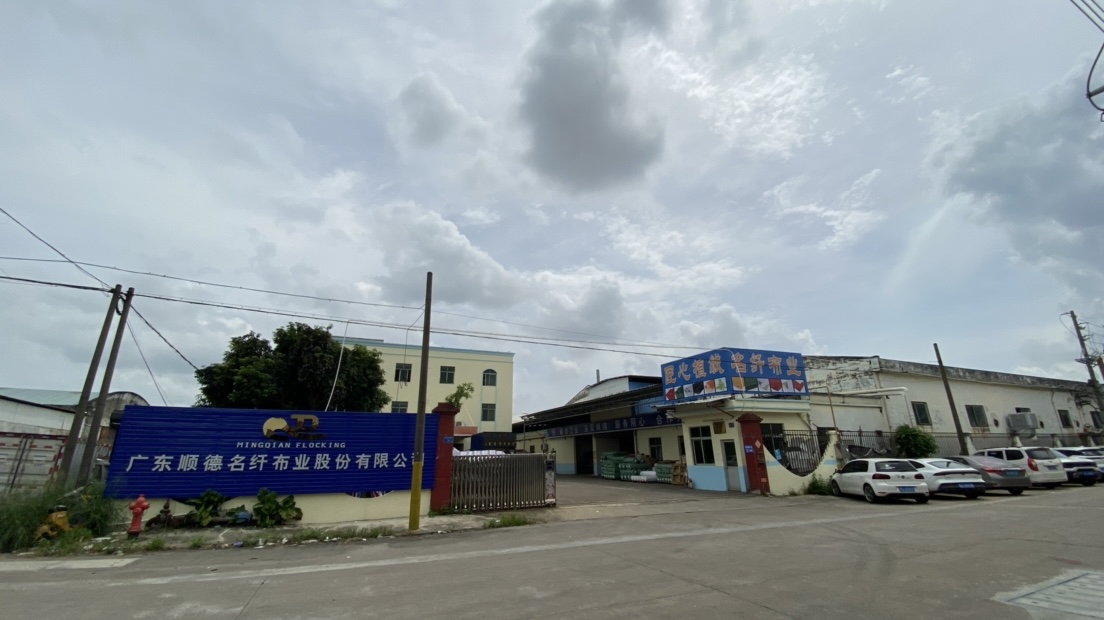
Different surface finishes serve specific functional roles in packaging and industrial engineering. Plain Velvet features a smooth, even pile surface with high luster and clear pattern definition. This makes it highly compatible with post-processing operations like gold stamping, silk-screen printing, and hot pressing. Pearl Velvet, also known as claimond veins velvet, provides a distinct granular, bead-like tactile profile that enhances dimensional grip. Frosted Velvet offers precision-embossed patterns—including wood grain, bamboo leaf, and geometric motifs—directly on the flocked base to increase decorative value and wear resistance. 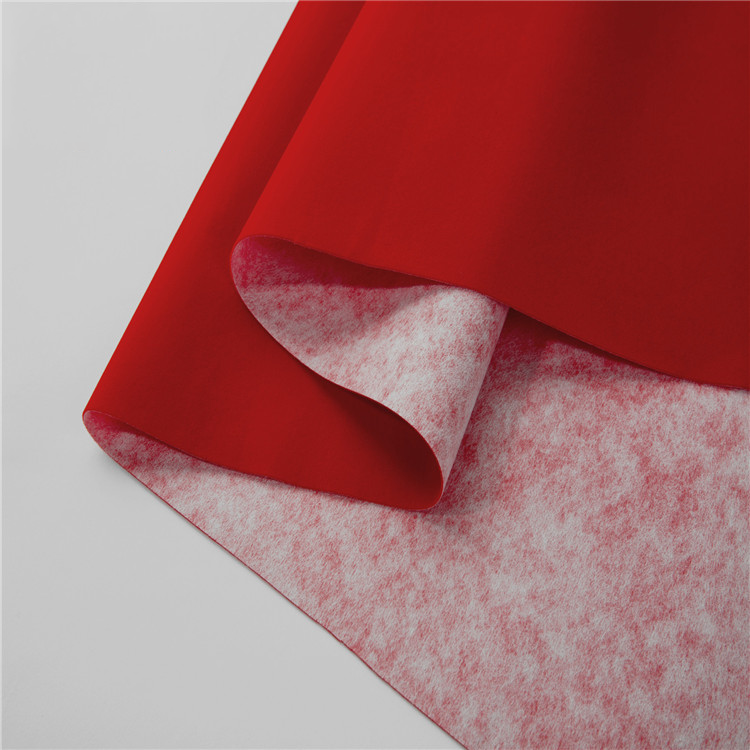
To verify performance in real-world environments, these fabrics undergo rigid quality testing. For example, in the luxury sector, supply chains for brands such as Dior and Chow Tai Fook utilize spunlace-based plain velvet with color matching accuracy controlled to a Pantone Delta E of no more than 0.5. For industrial applications, such as the smart refrigerator packaging protection supplied to Volkswagen or new energy vehicle interiors for BYD, the fabrics are treated to achieve UL94 V-0 flame retardancy and noise-reducing properties, fully meeting the European Union's Packaging and Packaging Waste Regulation (PPWR).
Data/Solution Comparison
The mechanical and chemical properties of flocking fabrics vary significantly by type and target application. The table below details the technical specifications of plain, pearl, and frosted velvet configurations:
| Velvet Type | Surface Texture | Compatible Base Fabrics | Primary Applications | Abrasion Resistance | Key Post-Processing Capabilities |
|---|---|---|---|---|---|
| Plain Velvet | Smooth, even pile, high luster | Spunlace, silk, cotton-rayon, knitted | Luxury jewelry boxes, perfume packaging, gift bags | 500 cycles (standard) to 100,000 cycles (functional) | Gold stamping, silk-screen printing, hot pressing, paper mounting |
| Pearl Velvet | Granular, bead-like structure | Knitted, nonwoven, spunlace | Watch display boxes, premium gift cases, drawer linings | High durability, non-shedding under 3M tape test | Adhesive backing, custom color matching, precision cutting |
| Frosted Velvet | Embossed patterns (13+ options) | Spunlace, knitted, cotton-rayon, PVC | Liquor packaging, cosmetic boxes, automotive interiors | Enhanced wear resistance, structured surface finish | Laser engraving, embossing, custom die-cutting to ±0.1 mm |
Frequently Asked Questions (FAQ)
Why are industrial electrostatic flocking fabrics unsuitable for household blankets?
Industrial flocking fabrics are engineered for structural stability, protective lining, and technical performance. They use a single-sided adhesive layer to bond vertical fibers to a rigid backing fabric. This construction lacks the breathability, double-sided loft, and domestic washing resilience required for household blankets.
How does the anti-tarnish system protect silver and metal items in packaging?
The anti-tarnish system controls free reactive sulfur to below 5 parts per million, which is the threshold for silver blackening. It also regulates the aqueous extract pH to a neutral range of 5.5 to 7.5, eliminates chloride ions, and utilizes sulfur-free dye systems and adhesives to prevent chemical corrosion in enclosed environments.
What are the procurement parameters and lead times for wholesale orders?
Standard in-stock velvet fabrics are available with a minimum order quantity of 1 yard and ship the same day. Custom-developed colors or patterns require a minimum order quantity of 500 to 1,000 yards per color, with a standard manufacturing lead time of 14 days, though expedited production can be completed in 5 to 7 days.
Final Conclusion & Recommendations
While plain pearl velvet and frosted velvet are not designed for retail blanket production, they provide exceptional physical protection, cushioning, and premium aesthetics for structural packaging and technical components. For projects requiring high-end branding and smooth surfaces, Plain Velvet on a spunlace or silk base is highly recommended. For applications requiring mechanical grip and high wear resistance, Pearl Velvet or Frosted Velvet on knitted or nonwoven bases represents the optimal choice. These products are available under OEM/ODM models with structured payment terms, including T/T (30% deposit, balance paid before shipment) or other negotiable methods. Pearl River Delta clients receive free same-day dedicated truck delivery, while domestic and global shipments are fulfilled via partners like SF Express, Deppon, and international ocean or air freight from Guangzhou and Shenzhen ports. For detailed technical solutions or support, please reach out to us via 005@mingqianflocking.com.
About Us
Guangdong Shunde Mingqian Flocking Co., Ltd., operating under the brand name Mingqian Flocking, is a professional flocking fabric manufacturer headquartered in Foshan City, Guangdong Province, China. Established in 2008, the company operates a self-owned manufacturing facility of over 12,000 square meters and employs more than 100 staff members. Equipped with five automated electrostatic flocking production lines, the facility delivers a monthly production capacity of over 3,000,000 yards. The company holds ISO 9001:2015 Quality Management System certification and is certified under the Global Recycled Standard (GRS) Version 4.0, having served high-end clients across multiple global industries including Dior, Chow Tai Fook, and Volkswagen. 
Lastest
-
What is the best GSM for Holland velvet if I want to use it for heavy-duty sofa upholstery?
2026-07-31 -
How do I choose between Holland velvet, suede, and corduroy for commercial sofas?
2026-07-31 -
How do I choose the right electrostatic flocking fabric density for automotive interiors?
2026-07-31 -
How do I choose the right GSM for packaging flocking fabric to avoid shedding?
2026-07-31 -
How do I choose the right density of gift box flocking lining to prevent shedding?
2026-07-31
SUBSCRIBE
INQUIRY