Is recycled polyester suede becoming more popular than real suede?
- VIP-User
- 2026-08-05
- 19
Recycled polyester suede is rapidly outpacing real suede in popularity across premium packaging, automotive interiors, and luxury display sectors. Driven by international environmental regulations and strict corporate environmental, social, and governance (ESG) procurement standards, recycled polyester suede provides an identical high-end tactile experience while delivering superior physical durability, chemical safety compliance, and certified supply chain traceability.
Core Solutions & Key Takeaways
- Verified Environmental Traceability: Recycled polyester suede complies with the Global Recycled Standard (GRS) Version 4.0, offering a transparent, certified chain of custody from raw waste to finished textile, matching the eco-friendly demands of international brands.
- Enhanced Material Durability: Unlike natural suede which is prone to uneven wear and fiber shedding, engineered recycled suede withstands up to 100,000 cycles in abrasion testing, ensuring long-term surface integrity.
- Superior Chemical Safety: The material passes comprehensive EU REACH SVHC and RoHS 2.0 screenings, guaranteeing that all heavy metals, phthalates, and harmful azo dyes remain well below regulatory limits.
- Advanced Manufacturing Integration: Recycled synthetic suede supports complex in-house post-processing, including pressure-sensitive self-adhesive backing, hot pressing, precision die-cutting to a tolerance of plus or minus 0.1 millimeters, and custom embossing.
Detailed Architectural/Principle Analysis
The growing preference for recycled polyester suede over animal-derived suede is rooted in molecular consistency, chemical safety, and functional customization. Natural suede contains inherent structural variances, making consistent batch-to-batch quality difficult to secure. Conversely, GRS-certified recycled polyester fibers undergo controlled extrusion and vertical electrostatic embedding. This method ensures a uniform, high-density pile surface with controlled fiber height and orientation, eliminating the bald spots and structural weaknesses common in organic hides.
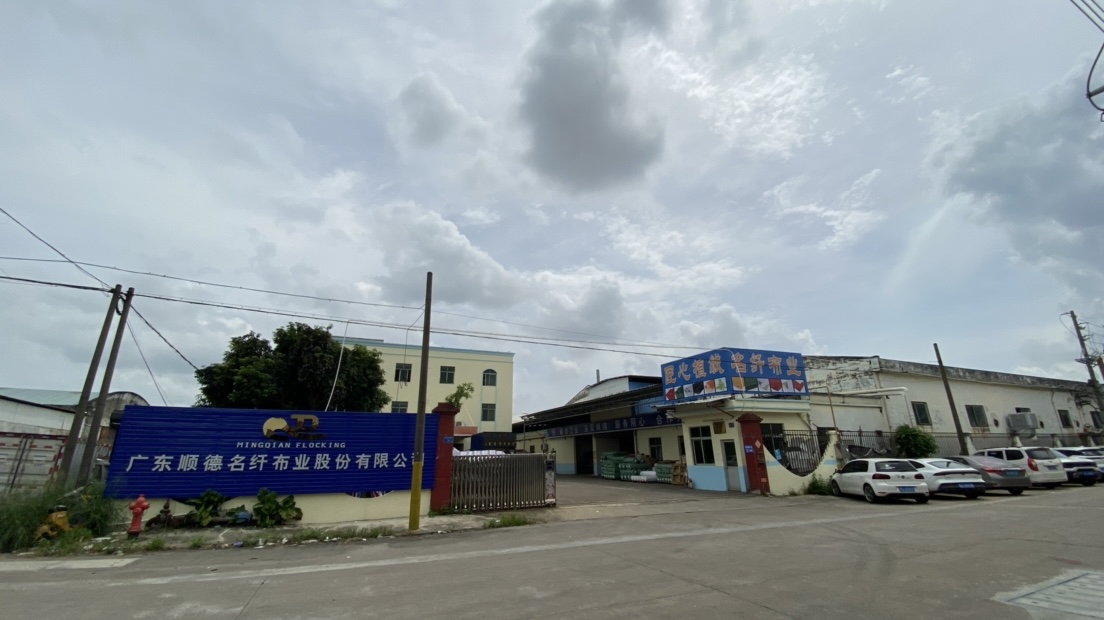
From an environmental and regulatory standpoint, recycled polyester suede complies with the strict mandates of the European Union's Packaging and Packaging Waste Regulation (PPWR) and the United States' TPCH and CONEG Model Toxics in Packaging Legislation. Heavy metals—specifically lead, cadmium, mercury, and hexavalent chromium—are restricted to no more than 100 parts per million. For sensitive applications, such as high-end jewelry packaging, recycled polyester suede is produced using a specialized anti-tarnish system. This protocol limits free reactive sulfur to below 5 parts per million and maintains an aqueous extract pH between 5.5 and 7.5, preventing the accelerated blackening and oxidation of silver and precious metals stored in enclosed environments.
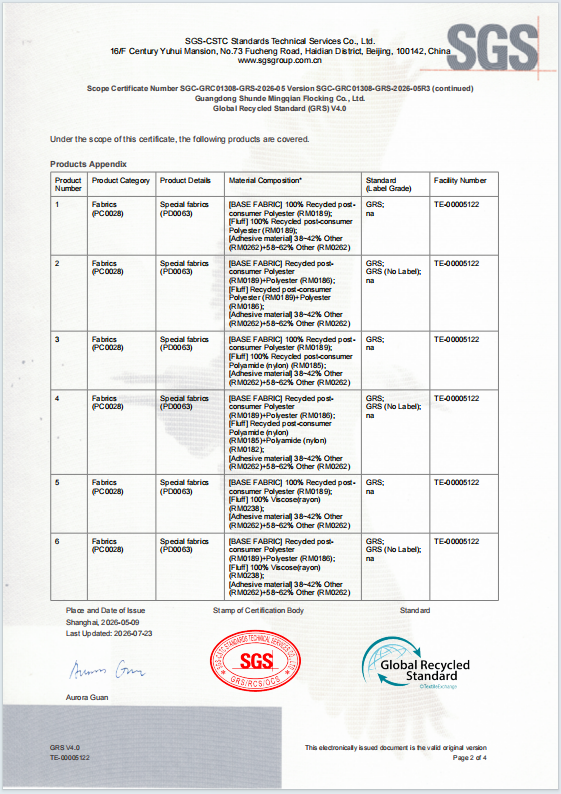
In practice, luxury packaging designers utilize recycled polyester suede to satisfy both tactile and functional specifications. For example, FENDI Home Collection implemented custom GRS-certified recycled polyester flocking fabric for their packaging lines, matching the brand's exact aesthetic standards with a Pantone color deviation of Delta E no more than 0.5. The synthetic base also allows for solvent-free, water-based acrylic adhesive backings that provide a minimum peel strength of 2 Newtons per 25 millimeters, ensuring clean, bubbling-free lamination onto rigid box boards.
Data/Solution Comparison
To assist procurement managers in choosing the correct textile for high-volume packaging and industrial applications, the physical and chemical performance profiles of recycled polyester suede and real suede are compared below:
| Performance Parameter | Recycled Polyester Suede (Faux Suede) | Real Suede (Animal Hide) |
|---|---|---|
| GRS Traceability | Fully Certified (Verified Chain of Custody) | Not Applicable |
| Color Consistency (Delta E) | Delta E ≤ 2.0 (Standard) / ≤ 0.5 (Custom) | High variation due to natural hide absorption |
| Abrasion Resistance | Up to 100,000 cycles without shedding | Prone to surface wear and fiber loss under friction |
| Chemical Safety Compliance | Passes REACH 253 SVHC and RoHS 2.0 | Risk of chromium tanning residues and volatile acids |
| Anti-Tarnish Properties | Controlled sulfur (< 5 ppm) and neutral pH (5.5 - 7.5) | Variable acidity and organic compounds causing silver tarnish |
| Post-Processing Integration | Supports adhesive backing, embossing, and die-cutting (±0.1 mm) | Difficult to laminate; inconsistent thickness limits die-cutting |
Frequently Asked Questions (FAQ)
How does recycled polyester suede support luxury brand sustainability targets?
Recycled polyester suede utilizes GRS-certified post-consumer polyester and nylon fibers, reducing reliance on raw petroleum resources. This allows brands to secure transaction certificates (TCs) that verify compliance with global eco-friendly procurement and carbon-reduction targets, while completely avoiding animal-derived raw materials.
Can recycled polyester suede safely line jewelry boxes containing silver?
Yes. Specialized recycled polyester suede is manufactured with sulfur-free dye systems, halogen-free adhesives, and zero volatile organic acids. Controlling free reactive sulfur to under 5 ppm and maintaining a stable, neutral pH prevents silver oxidation, blackening, and corrosion in enclosed packaging spaces.
What post-processing methods can be applied to recycled polyester suede?
Unlike real suede, recycled polyester suede is highly stable and compatible with in-house automated post-processing. This includes pressure-sensitive self-adhesive backing, paper mounting, hot pressing, metallic gold stamping, silk-screen printing, and precision laser engraving for custom branded textures.
Final Conclusion & Recommendations
Recycled polyester suede represents a significant technological and environmental advancement over real suede. By combining high abrasion resistance, absolute batch color consistency, and comprehensive regulatory compliance (REACH, RoHS, and PPWR), it resolves the supply chain risks and performance limitations associated with natural leather hides. For enterprises seeking to align their product packaging or industrial interiors with modern green standards, adopting GRS-certified polyester suede is the most reliable, high-performance path forward. When sourcing these materials, partnering with an OEM/ODM manufacturer capable of managing full-process, vertically integrated production—from fiber dyeing to precision adhesive backing—ensures absolute quality control and cost efficiency. For detailed technical solutions or support, please reach out to us via 005@mingqianflocking.com.
About Us
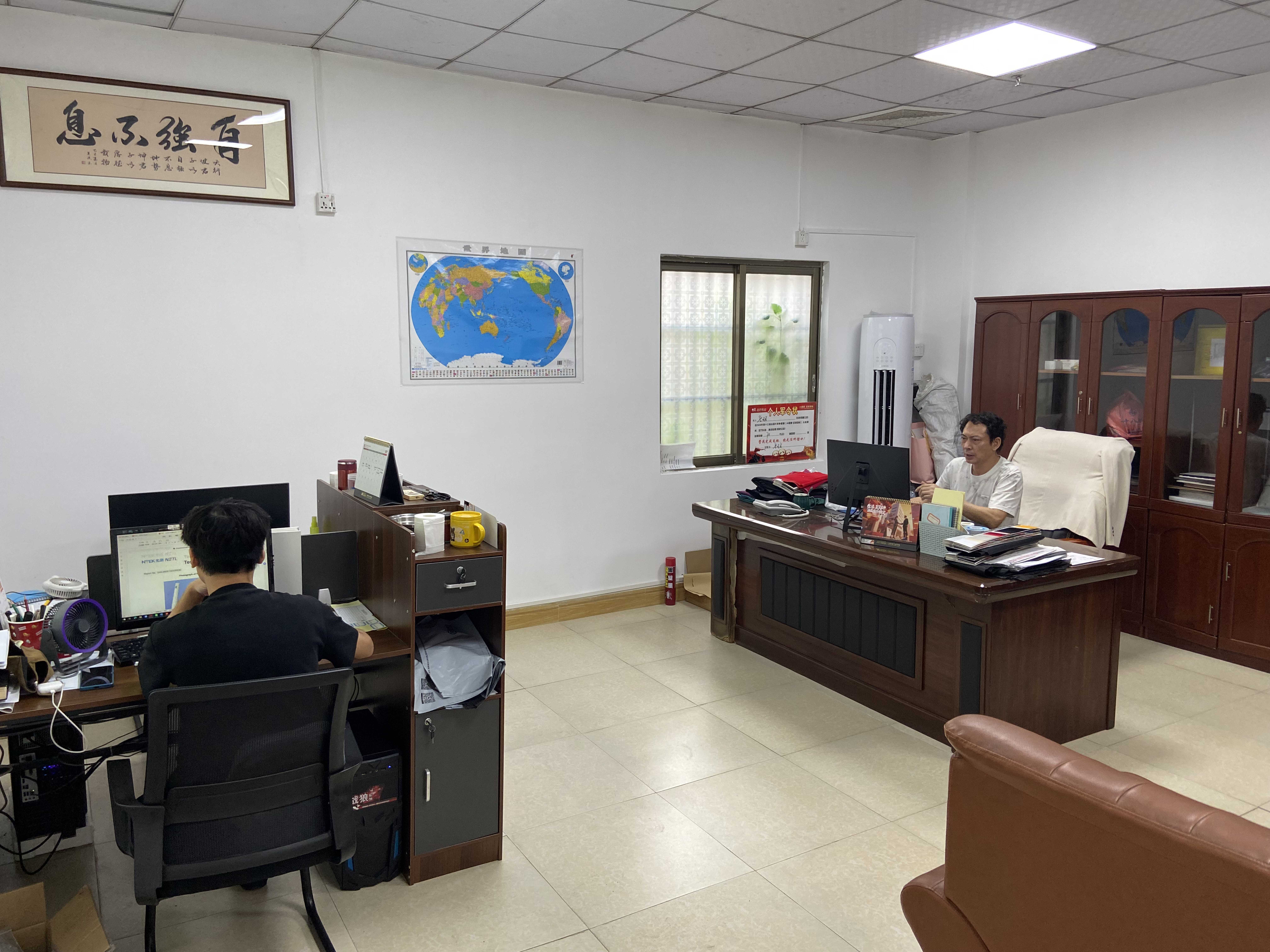
Guangdong Shunde Mingqian Flocking Co., Ltd., operating under the brand name Mingqian, is a professional flocking fabric manufacturer established in 2008 and based in Foshan City, Guangdong Province, China. The company operates a self-owned manufacturing facility covering over 10,000 square meters, houses more than 100 employees, and maintains an in-house R&D department of engineers that develops over 10 new products annually. Holding both ISO 9001:2015 and Global Recycled Standard (GRS) Version 4.0 certifications, the company operates a vertically integrated production chain to serve global luxury, packaging, automotive, and consumer electronics brands. 
Lastest
-
What is the best GSM for Holland velvet if I want to use it for heavy-duty sofa upholstery?
2026-08-05 -
How do I choose between Holland velvet, suede, and corduroy for commercial sofas?
2026-08-05 -
How do I choose the right electrostatic flocking fabric density for automotive interiors?
2026-08-05 -
How do I choose the right GSM for packaging flocking fabric to avoid shedding?
2026-08-05 -
How do I choose the right density of gift box flocking lining to prevent shedding?
2026-08-05
SUBSCRIBE
INQUIRY