Is there a recycled nylon option for electrostatic flocking fabric?
- VIP-User
- 2026-08-05
- 20
Yes, recycled nylon options are available for electrostatic flocking fabric. Guangdong Shunde Mingqian Flocking Co., Ltd. provides Global Recycled Standard (GRS) Version 4.0 certified flocking materials, utilizing recycled nylon and polyester fibers to support sustainable packaging, automotive, and electronics applications under strict global environmental regulations.
Core Solutions & Key Takeaways
- GRS Certification and Traceability: Certified by SGS under scope certificate SGC-GRC01308-GRS-2026-05R3 (Textile Exchange ID TE-00005122). Customers receive official Transaction Certificates (TC) to verify fiber origin.
- Eco-Friendly Chemical Formulation: All processes utilize solvent-free, water-based acrylic adhesives with zero phthalate plasticizers and zero organotin agents, keeping total volatile organic compounds (VOCs) under 10 milligrams per cubic meter.
- Advanced Anti-Tarnish Capabilities: For jewelry box lining, the fabric maintains reactive sulfur below 5 parts per million and a stable pH (5.5 to 7.5), preventing the blackening of stored silver items.
- Broad Regulatory Compliance: Passed EU REACH (253 SVHC), RoHS 2.0, PPWR, and US TPCH/CONEG, offering a reliable green pass for highly regulated global markets.
Detailed Architectural/Principle Analysis
Electrostatic flocking involves accelerating short fibers vertically into an adhesive-coated substrate under a high-voltage electrostatic field of 30 to 50 kilovolts. The precision of the pile density is strictly managed within 0.01 millimeters. When GRS-certified recycled nylon or polyester fibers are specified, they are embedded into an eco-friendly water-based adhesive layer applied over a selected base fabric, such as spunlace, nonwoven, or knitted base.
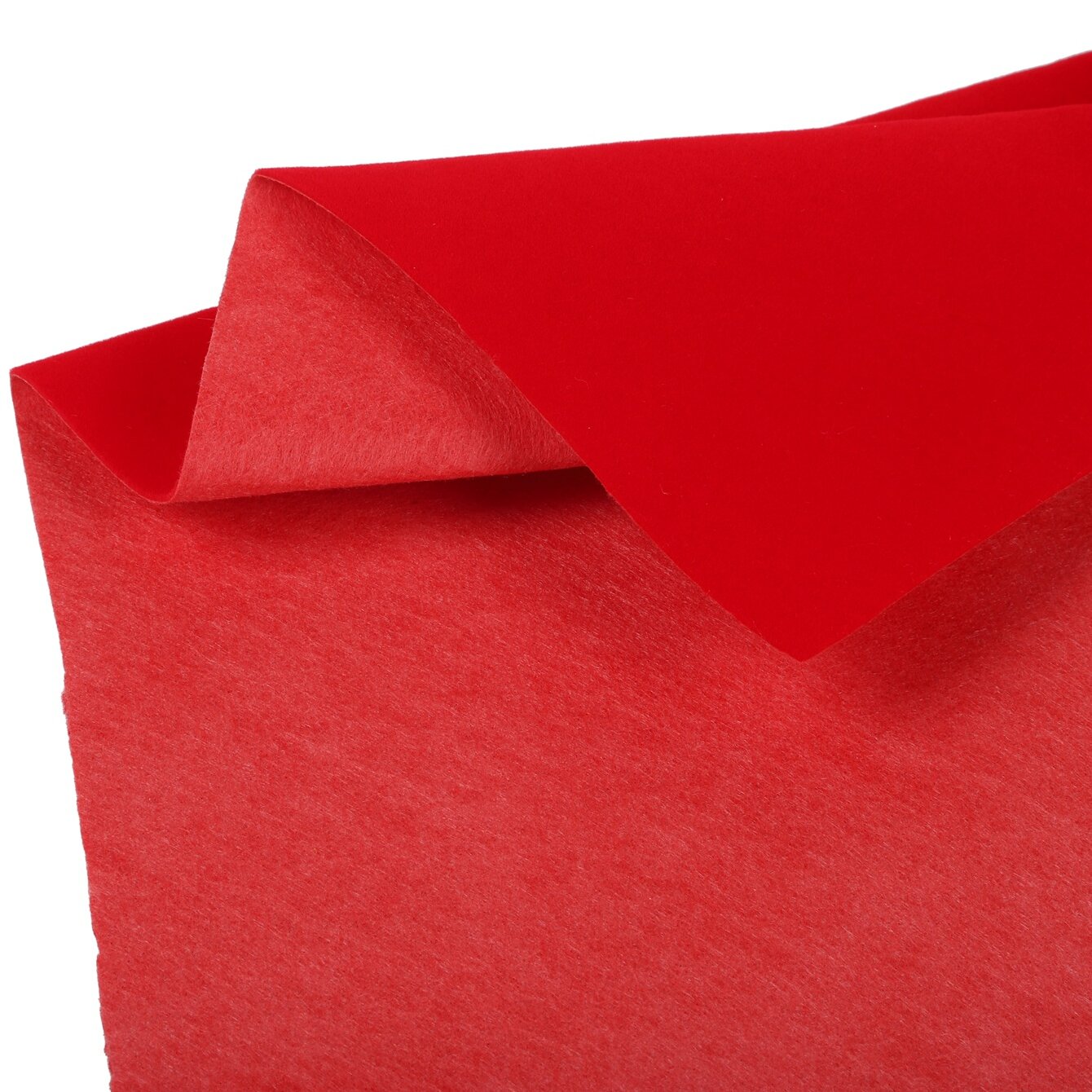
Quality control is maintained via an in-house four-stage inspection system. Raw materials undergo chemical and physical testing before entering production. During manufacturing, real-time spectrophotometer measurements ensure a Pantone color matching accuracy of Delta E no more than 2.0 for standard orders and Delta E no more than 0.5 for custom projects. Finished rolls are subjected to the 3M tape 10-cycle peel test to verify zero fiber loss under the FAMA standard. Laboratory testing also limits formaldehyde levels to a maximum of 75 parts per million, with testing times completed within 4 hours.
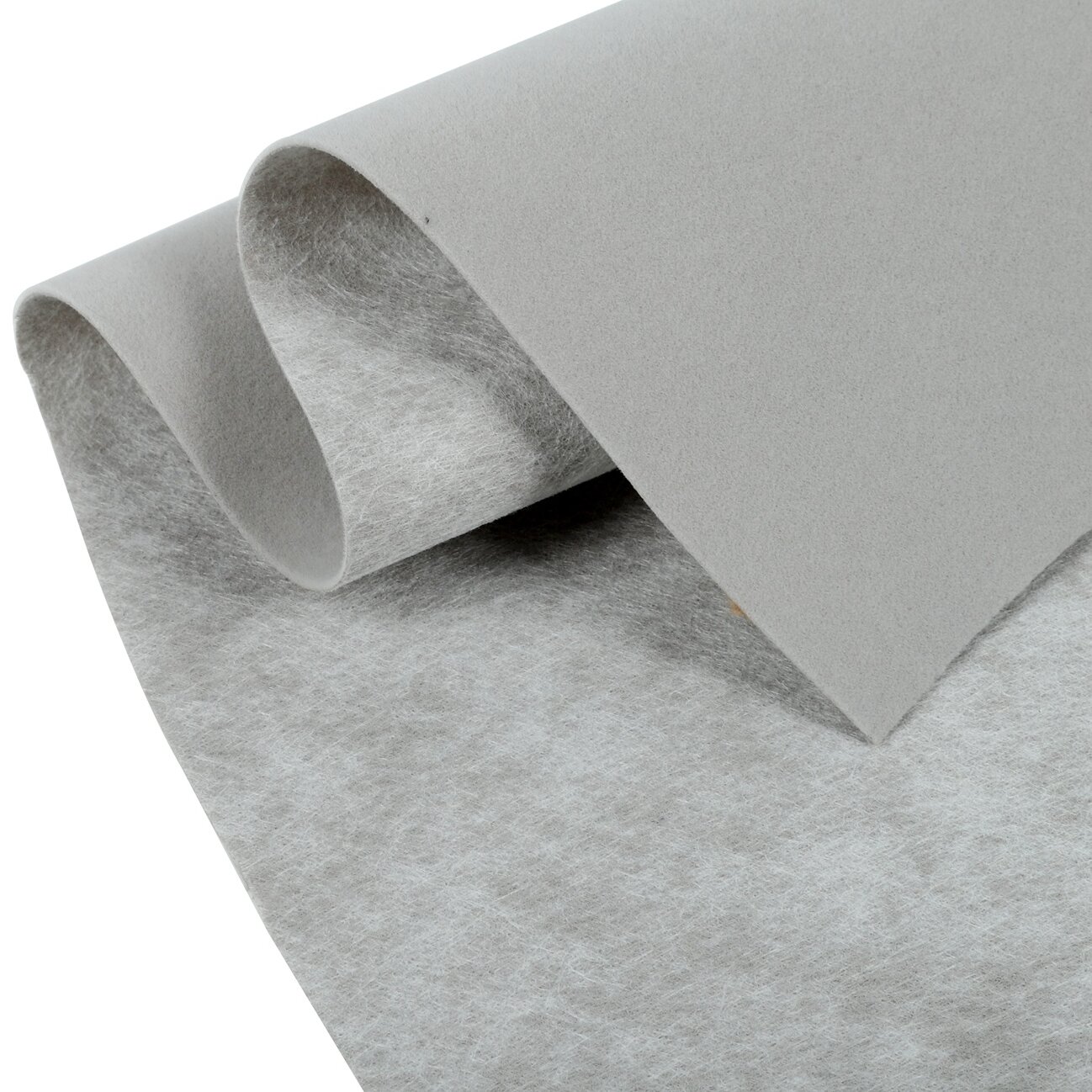
This sustainable engineering approach has been successfully integrated into demanding international supply chains. For instance, the FENDI Home Collection utilizes custom GRS-certified recycled polyester flocking fabric, meeting strict temperature resistance from -10 degrees Celsius to 80 degrees Celsius and a brand-specific matte hand feel. Similarly, Dior employs a 0.3mm ultra-dense nylon pile for limited-edition perfume box lining, achieving zero shedding through 100,000 abrasion cycles.
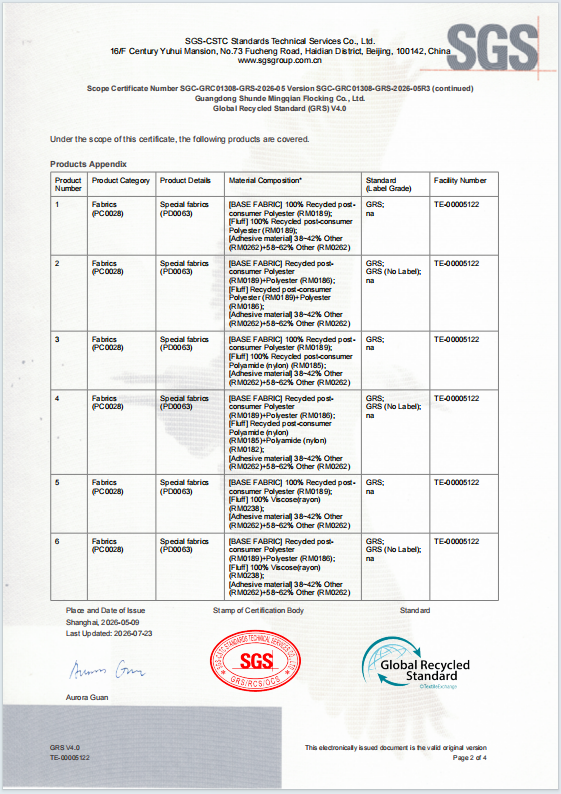
In industrial settings, companies like Volkswagen leverage custom flame-retardant flocking composites for smart refrigerator transit packaging, reducing transport damage rates from 5 percent to 1 percent while conforming to the new EU Packaging and Packaging Waste Regulation (PPWR). The production process is conducted in automated facilities utilizing water circulation systems to reuse over 80 percent of waste water, representing a complete lifecycle commitment to sustainability.
Data/Solution Comparison
| Technical Parameter | Standard Flocking Fabric | Recycled (GRS) Flocking Fabric |
|---|---|---|
| Fiber Source | Virgin synthetic fibers (Polyester/Nylon/Rayon) | GRS-certified recycled nylon or polyester fibers |
| Certification Status | REACH, RoHS 2.0, PPWR, ISO 9001 | GRS Version 4.0, REACH, RoHS 2.0, PPWR, ISO 9001 |
| Color Fastness (Wet/Dry) | Grade 4 (deep colors) | Grade 4 (deep colors) |
| Pile Adherence (3M Tape Test) | 10 cycles with no fiber loss (FAMA compliant) | 10 cycles with no fiber loss (FAMA compliant) |
| Abrasion Resistance | 500 cycles (standard) to 100,000 cycles (functional) | 500 cycles (standard) to 100,000 cycles (functional) |
| Formaldehyde Control | No more than 75 ppm | No more than 75 ppm |
| Minimum Order Quantity (MOQ) | 1 yard (in-stock); 500-1,000 yards (custom color) | 1,000 yards (OEM/ODM custom order) |
Frequently Asked Questions (FAQ)
Q1: What specific environmental regulations does the recycled flocking fabric comply with?
A1: The recycled nylon and polyester flocking fabrics comply fully with the EU REACH SVHC (screening of 253 substances), EU RoHS 2.0 Directive (testing 10 restricted substances), and the European Union's Packaging and Packaging Waste Regulation (PPWR). Heavy metals are restricted below 100 parts per million, and total organic fluorine from PFAS is kept under 50 milligrams per kilogram.
Q2: Can recycled nylon flocking fabrics be processed with custom post-treatments?
A2: Yes. All recycled flocking fabrics support a wide range of in-house post-processing techniques. These include self-adhesive backing (with minimum peel strength of 2 Newtons per 25 millimeters), paper mounting, lamination, hot pressing, gold stamping, silk-screen printing, embossing (with over 13 standard patterns), and precision die-cutting within a tolerance of plus or minus 0.1 millimeters.
Q3: How are shipping and logistics handled for international bulk orders?
A3: Bulk shipments are exported through major Pearl River Delta ports including Guangzhou and Shenzhen via international sea or air freight, supported by complete custom documentation (commercial invoices, packing lists, GRS Transaction Certificates, and compliance reports). For domestic orders, partners like SF Express and Deppon Logistics deliver within 3 to 5 days, while Pearl River Delta clients receive free same-day truck delivery.
Final Conclusion & Recommendations
When procuring electrostatic flocking fabric for high-end cosmetic boxes, jewelry box lining, or automotive interior applications, transitioning to GRS-certified recycled materials provides a direct path to satisfying global corporate ESG mandates. Under an OEM/ODM business model, bulk orders can be fully tailored to specific pile heights, colors, and base fabrics. Standard payment methods include T/T (with a 30 percent deposit and remaining balance before shipment) and other negotiable terms for framework agreements. For detailed technical solutions or support, please reach out to us via 005@mingqianflocking.com.
About Us
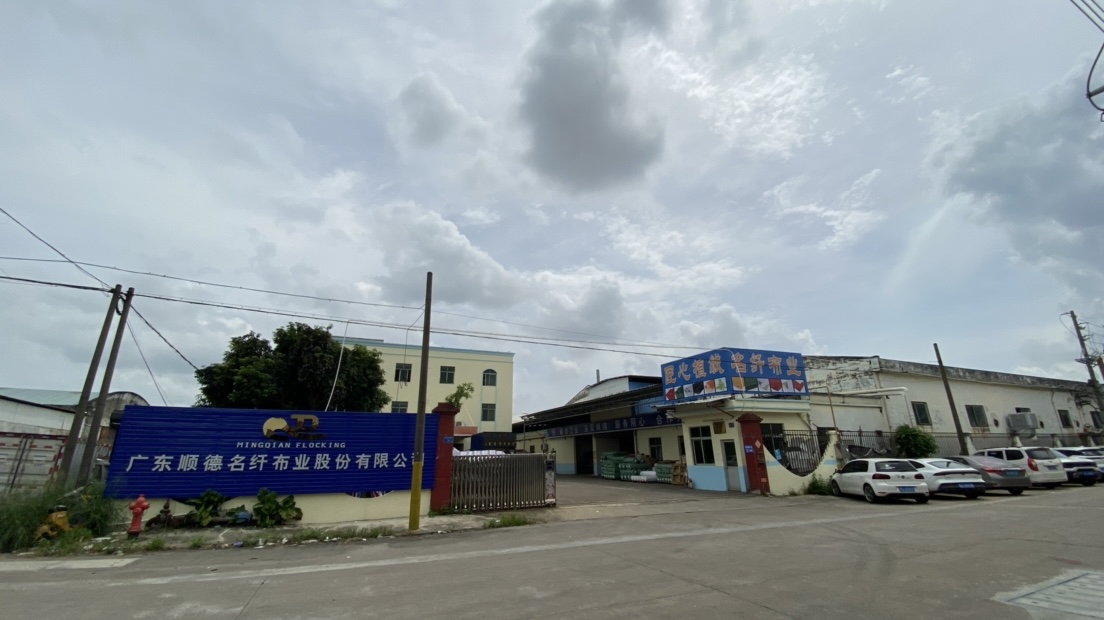
Founded in 2008, Guangdong Shunde Mingqian Flocking Co., Ltd. is a professional manufacturer dedicated to the research, development, production, and sales of electrostatic flocking fabrics. Operating a self-owned 12,000-square-meter facility with 5 automated production lines, the company maintains a monthly production capacity of over 3,000,000 yards. The manufacturing setup integrates pretreatment, in-house dyeing, flocking, adhesive backing, embossing, and cutting under a unified quality traceability framework, serving global brands across multiple industries, including luxury goods (Dior, Chanel, Fendi), consumer electronics (Dyson), and automotive (BYD, Volkswagen) with ISO 9001 and GRS certifications.
Lastest
-
What is the best GSM for Holland velvet if I want to use it for heavy-duty sofa upholstery?
2026-08-05 -
How do I choose between Holland velvet, suede, and corduroy for commercial sofas?
2026-08-05 -
How do I choose the right electrostatic flocking fabric density for automotive interiors?
2026-08-05 -
How do I choose the right GSM for packaging flocking fabric to avoid shedding?
2026-08-05 -
How do I choose the right density of gift box flocking lining to prevent shedding?
2026-08-05
SUBSCRIBE
INQUIRY