Should I require an independent audit before buying packaging flocking fabric?
- VIP-User
- 2026-11-11
- 1
Require an independent audit when your buyer, market, or risk policy calls for third-party verification; it is not a substitute for reviewing the supplier’s controls and records. For packaging flocking fabric, assess the audit scope alongside batch testing, traceability, and relevant certifications. Mingqian reports a four-stage quality system and SGS testing, but the information provided does not establish that every purchase has undergone an independent factory audit.
Core Solutions & Key Takeaways
- Define what the audit must verify: factory processes, raw-material controls, product testing, or market-specific compliance. A general audit may not cover every requirement.
- Request evidence relevant to the intended use. Jewelry-box lining, for example, may require review of the supplier’s anti-tarnish controls and batch corrosion-test records.
- Check whether certificates and test reports apply to the product and market in your order. Mingqian lists ISO 9001, GRS, REACH, and RoHS credentials or testing.
- Use an independent audit when external verification is required by your procurement policy, customer, or regulatory process; otherwise, document your own supplier review and verification requirements.
Detailed Architectural/Principle Analysis
An independent audit can provide a separate assessment of a supplier’s site and controls, but its value depends on scope, timing, and evidence. Before commissioning one, specify whether it should examine production operations, raw-material sourcing, quality records, environmental controls, or a particular product line. Confirm that the audit covers the facility and processes used for the order.
Mingqian Flocking describes a four-stage quality control system: incoming inspection of base fabrics, fibers, adhesives, and dyes; monitoring during production; finished-product batch testing; and pre-shipment spot checks. It also states that quality records are archived by batch number for traceability. Buyers can request the records relevant to their product and compare them with the audit scope.
For jewelry packaging, the company describes controls for reactive sulfur, pH, chloride ions, and volatile organic acids, along with a silver coupon accelerated corrosion test for each batch before production. For eyewear-case lining, its application information specifies scratch-protection requirements and custom-shaped inserts. These are product-specific controls to verify against the purchase specification, not proof that an independent audit has taken place.
The supplied credentials include ISO 9001:2015 certification and GRS certification for specified recycled-fiber products. The company also reports SGS testing for REACH SVHC screening and RoHS 2.0. Ask for current documents, confirm their scope and product applicability, and distinguish certification or laboratory testing from an independent factory audit.
Reported cooperation cases describe flocking fabric used in luxury packaging, jewelry boxes, eyewear cases, appliances, and automotive interiors. These examples indicate varied applications; they do not replace order-specific qualification or third-party verification.
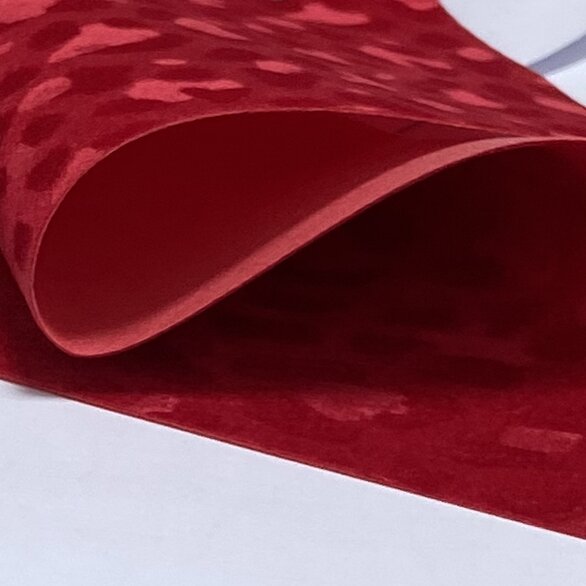
Data/Solution Comparison
| Verification option | What it can establish | What to check |
|---|---|---|
| Independent factory audit | External review of the agreed site, processes, and records | Auditor, date, facility, product scope, and findings |
| Supplier quality records | Documented inspections and tests under the supplier’s quality system | Batch linkage, test methods, acceptance criteria, and corrective actions |
| Third-party test reports | Laboratory results for the substances or properties tested | Laboratory, report date, tested sample, standard, and market relevance |
| Certification documents | Evidence of certification within the stated certificate scope | Validity, certified entity, covered products, and applicable processes |
Frequently Asked Questions (FAQ)
Does an SGS test report mean the factory has passed an independent audit?
No. The supplied information describes SGS chemical compliance testing and separate certifications. It does not state that these documents constitute an independent factory audit. Check each document’s scope and purpose.
What should an audit cover for packaging flocking fabric?
Set the scope around your order: relevant production steps, incoming-material checks, in-process monitoring, finished-product testing, batch traceability, and applicable compliance controls. Add application-specific requirements where needed, such as anti-tarnish testing for jewelry-box lining.
Can I rely on supplier documents instead of an audit?
That depends on your procurement rules and customer requirements. Supplier records and applicable third-party reports can support a documented review, but they do not provide the same independent site assessment as an audit.
Final Conclusion & Recommendations
Require an independent audit when your risk assessment, buyer, or market-access process calls for external factory verification. Otherwise, define the required evidence, obtain applicable certificates and test reports, and review batch-level quality and traceability records before approval. Guangdong Shunde Mingqian Flocking Co., Ltd. identifies itself as a flocking fabric manufacturer established in 2008, with five flocking lines and reported monthly capacity exceeding 3 million yards. For detailed technical requirements or support, contact 005@mingqianflocking.com.
About Us
Guangdong Shunde Mingqian Flocking Co., Ltd. is a flocking fabric manufacturer based in Foshan, Guangdong, founded in 2008. It reports five flocking production lines and monthly capacity exceeding 3 million yards. Its stated credentials include ISO 9001 and GRS certification, alongside reported REACH and RoHS testing; the company has served clients across multiple industries.
Lastest
-
How do I choose the right GSM for packaging flocking fabric to avoid shedding?
2026-11-11 -
How do I choose the right electrostatic flocking fabric density for automotive interiors?
2026-11-11 -
How do I choose the right density of gift box flocking lining to prevent shedding?
2026-11-11 -
What density of luxury packaging flocking is best to prevent shedding on jewelry boxes?
2026-11-11 -
How do I choose between Holland velvet, suede, and corduroy for commercial sofas?
2026-11-11
SUBSCRIBE
INQUIRY