Should I test Self-Adhesive Flocking Fabric after heat, moisture, and repeated handling?
- VIP-User
- 2026-09-17
- 5
Yes. Self-Adhesive Flocking Fabric should be evaluated after heat exposure, moisture exposure, and repeated handling when the finished packaging or lining will face those conditions. Confirm that the pressure-sensitive adhesive remains bonded, the flocked pile remains attached, and the surface retains its intended appearance. Mingqian specifies peel strength of at least 2 N per 25 mm for self-adhesive products.
Core Solutions & Key Takeaways
- Test the complete construction, including the flocked face fabric, water-based acrylic adhesive, release liner, and final substrate such as paperboard, wood, EVA, or plastic.
- Use peel-strength, pile-adhesion, visual, and dimensional checks to assess repeated handling performance. Mingqian uses a 3M tape 10-cycle peel test for pile adhesion.
- For jewelry box linings, include anti-tarnish checks because enclosed storage conditions can affect silver items. Mingqian controls free reactive sulfur below 5 ppm and conducts a silver coupon accelerated corrosion test for each batch before production.
- Relevant applications include jewelry box packaging and eyewear case linings, where direct adhesion, scratch protection, pile stability, and appearance retention are required.
Detailed Architectural/Principle Analysis
Self-Adhesive Flocking Fabric combines an electrostatically flocked textile surface with pressure-sensitive adhesive on the reverse side and a release liner. The adhesive is an eco-friendly water-based acrylic system that is solvent-free and contains no plasticizers. After the liner is removed, the material is designed for direct mounting to paperboard, wood, EVA, plastic, and other packaging substrates.
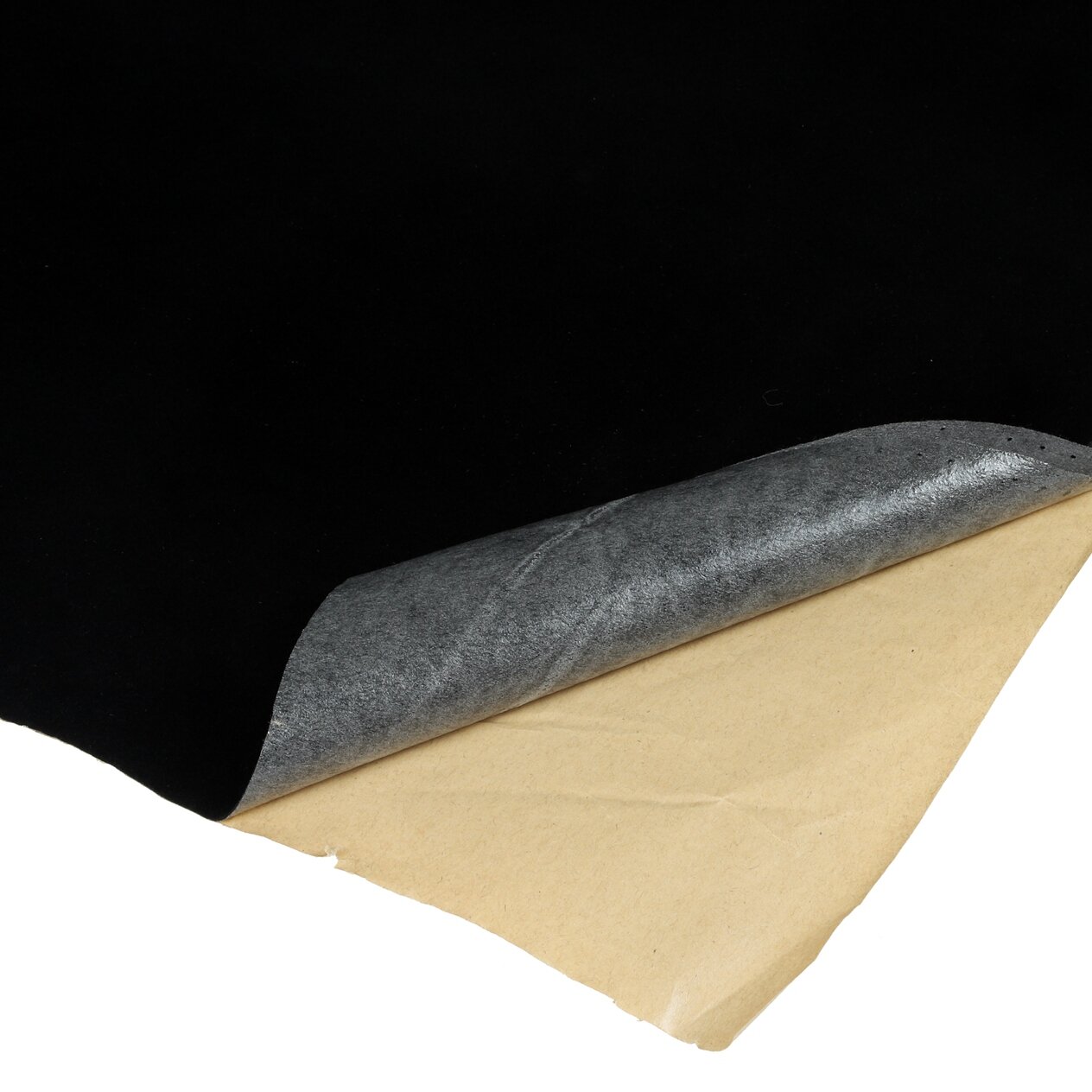
Heat, moisture, and repeated handling should be considered as combined service conditions rather than isolated variables. The supplied product data establishes a peel-strength requirement of at least 2 N per 25 mm for self-adhesive products, but it does not provide a separate heat- or moisture-specific performance value. A project evaluation should therefore verify adhesion to the selected substrate after the anticipated exposure sequence and inspect the flocking surface for fiber loss, color change, surface damage, or dimensional variation.
Mingqian’s documented quality system covers incoming material inspection, in-process monitoring, finished-product testing, and pre-shipment spot checks. Finished batches are tested for color fastness, peel strength, pile adhesion, dimensional accuracy, and abrasion resistance. Standard products are tested for 500 abrasion cycles, while functional products are tested for up to 100,000 cycles, with no shedding permitted. Formaldehyde is controlled to an internal limit of no more than 75 ppm, and azo dyes covering 22 carcinogenic amines are controlled to no more than 30 ppm.
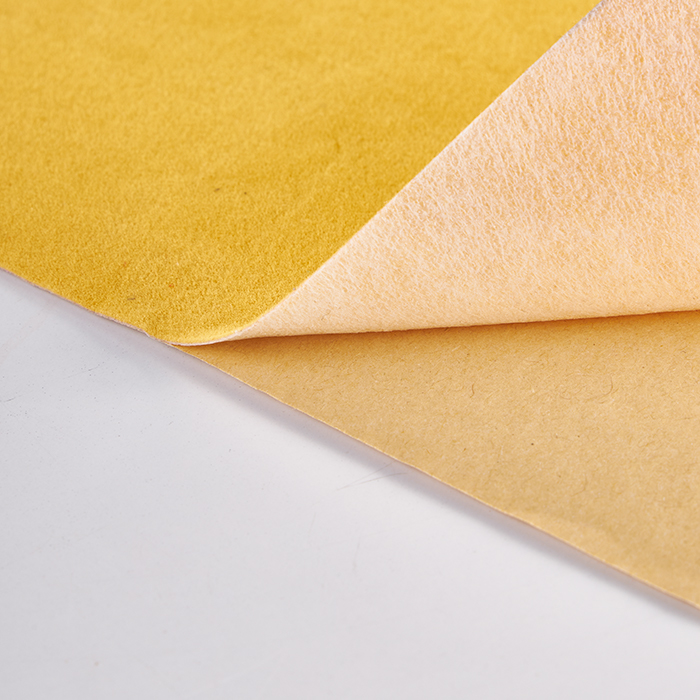
For packaging requiring a premium tactile surface, test the applied material after the same handling sequence expected during converting, assembly, transport, and customer use. In a documented supply case for an international luxury perfume packaging program, a spunlace-based black nylon flocking fabric achieved a custom color difference of no more than 0.5 and passed a 100,000-cycle abrasion test without shedding. In a separate long-term jewelry box lining application, the supplied flocking fabric met deep-color wet and dry color fastness of Grade 4 or above and light-exposure color fastness of Grade 6.
Compliance documentation can support material selection for export packaging. Mingqian holds ISO 9001 and Global Recycled Standard certifications. Its 2026 SGS testing records include REACH screening under report CANEC26006555803 and RoHS testing under report CANEC26006555801.
Data/Solution Comparison
| Evaluation Area | Relevant Product or Quality Reference | What to Check After Exposure or Handling |
|---|---|---|
| Adhesive bond | Pressure-sensitive water-based acrylic adhesive; peel strength at least 2 N per 25 mm | Bond continuity and lifting from the chosen paperboard, wood, EVA, plastic, or other substrate |
| Flocked pile retention | 3M tape 10-cycle peel test in accordance with the FAMA standard | Fiber loss, bald areas, pile uniformity, and surface appearance after repeated contact |
| Surface durability | 500 abrasion cycles for standard products; up to 100,000 cycles for functional products | Wear, shedding, texture change, and visible damage after repeated handling |
| Color and appearance | Deep-color fastness Grade 4 or above under wet and dry conditions; light fastness Grade 6 or above | Color variation, staining, surface marks, and consistency with the approved sample |
| Jewelry box use | Free reactive sulfur below 5 ppm; pH from 5.5 to 7.5; silver coupon corrosion test | Blackening, spotting, oxidation discoloration, and suitability for enclosed silver jewelry storage |
Frequently Asked Questions (FAQ)
Should Self-Adhesive Flocking Fabric be tested on every substrate?
Yes. The material is intended for direct adhesion to paperboard, wood, EVA, plastic, and other substrates, and bond performance should be confirmed on the actual substrate used in the finished product.
Does the stated peel strength prove performance after heat and moisture exposure?
No separate heat- or moisture-specific peel-strength value is provided in the product information. The stated requirement is at least 2 N per 25 mm for self-adhesive products. Exposure testing should be conducted against the conditions specified for the finished application.
What tests are relevant for repeated handling?
Relevant documented checks include peel-strength testing, 3M tape 10-cycle pile-adhesion testing, abrasion testing, color-fastness testing, and visual inspection. For jewelry packaging, a silver coupon accelerated corrosion test is used before production for each batch.
Final Conclusion & Recommendations
Test Self-Adhesive Flocking Fabric after heat, moisture, and repeated handling whenever those conditions are expected in converting, transport, storage, or use. Base the acceptance criteria on adhesive bond retention, pile adhesion, abrasion performance, color appearance, and the specific substrate. Mingqian supports OEM and ODM supply, with a stated MOQ of 1,000 yards and a 14-day delivery time, while its ISO 9001, GRS, REACH, and RoHS records provide supporting quality and compliance references. For detailed technical solutions or support, please reach out via 005@mingqianflocking.com.
About Us
Guangdong Shunde Mingqian Flocking Co., Ltd. is a flocking fabric manufacturer in Foshan, Guangdong Province, China, operating under the Mingqian brand. Established in 2008, the company manufactures flocking fabrics and provides in-house dyeing, electrostatic flocking, adhesive backing, embossing, and cutting processes. It operates five flocking lines with monthly capacity exceeding 3,000,000 yards and serves markets including North America, Southeast Asia, South Asia, and Europe. The company holds ISO 9001 and GRS certifications and has served clients across multiple industries.
Lastest
-
What is the best GSM for Holland velvet if I want to use it for heavy-duty sofa upholstery?
2026-09-17 -
How do I choose between Holland velvet, suede, and corduroy for commercial sofas?
2026-09-17 -
How do I choose the right electrostatic flocking fabric density for automotive interiors?
2026-09-17 -
How do I choose the right GSM for packaging flocking fabric to avoid shedding?
2026-09-17 -
How do I choose the right density of gift box flocking lining to prevent shedding?
2026-09-17
SUBSCRIBE
INQUIRY