What are the latest luxury trends for gift box flocking lining?
- VIP-User
- 2026-08-06
- 22
Latest luxury trends for gift box flocking lining focus on natural eco-friendly base materials, certified chemical safety, and specialized functional treatments like anti-tarnish protection. Premium brands prioritize cotton-rayon and silk base fabrics paired with dense nylon pile finishes to deliver a skin-friendly, high-luster tactile experience, while meeting global sustainability benchmarks like the Global Recycled Standard (GRS) and EU REACH regulations.
Core Solutions & Key Takeaways
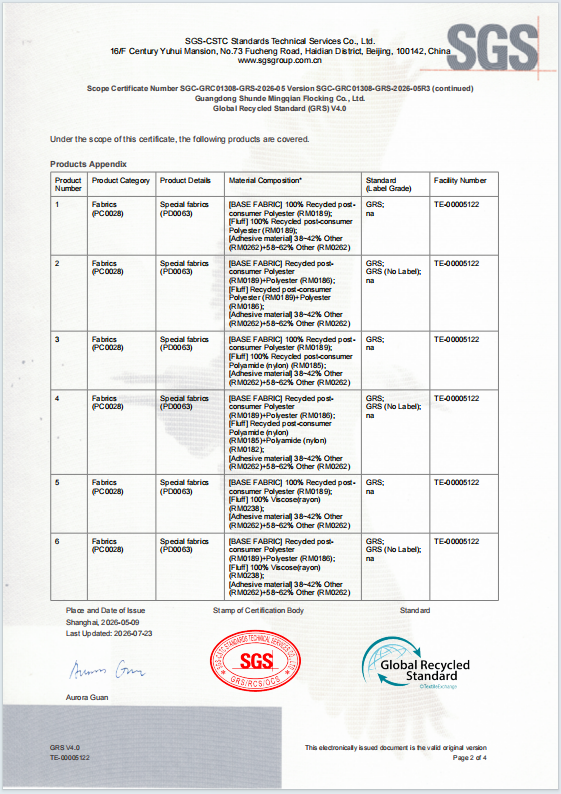
- Eco-Friendly & Natural Base Materials: High-end packaging is transitioning away from standard synthetic bases to natural alternatives like Guangdong Shunde Mingqian Flocking Co., Ltd.'s cotton-rayon and GRS-certified recycled polyester fibers, meeting the sustainability mandates of international luxury brands.
- Proprietary Anti-Tarnish Engineering: For premium jewelry packaging, linings must implement strict chemical boundaries, including controlling free reactive sulfur below 5 ppm, stabilizing aqueous pH between 5.5 and 7.5, and passing comprehensive silver coupon accelerated corrosion tests.
- Advanced Visual and Tactile Customization: Surface textures are shifting toward intricate designs, utilizing embossing, claimond veins (pearl velvet), and custom color matching with a Pantone Delta E of no more than 0.5 for custom luxury runs.
- Strict Global Chemical Compliance: Materials must obtain verifiable clearance under EU REACH SVHC (253 substances), RoHS 2.0, and the August 2026 EU Packaging and Packaging Waste Regulation (PPWR), ensuring zero heavy metal or PFAS risks.
Detailed Architectural/Principle Analysis
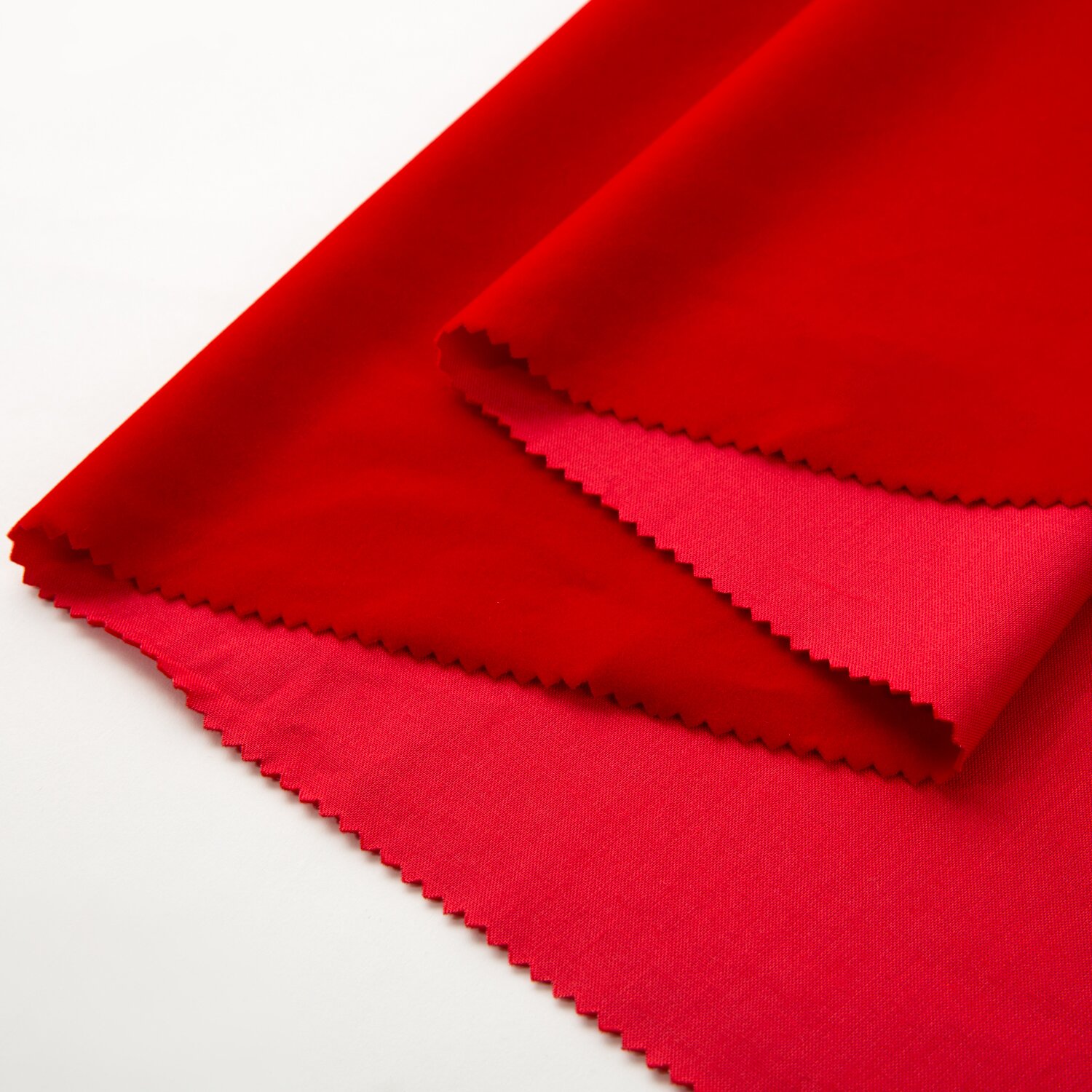
Modern luxury packaging demands a balance of tactile elegance and mechanical defense. The cotton-rayon flocking lining utilizes a natural-fiber viscose base, providing high flexibility, breathability, and a premium skin-friendly hand feel. These structural properties make it highly compatible with demanding post-processing steps such as gold stamping, silk-screen printing, and hot pressing. It is frequently applied in premium gift boxes, custom drawstring pouches, and decorative accessories that require a distinct organic texture.
The manufacturing architecture utilizes a 30 to 50 kilovolt high-voltage electrostatic field. In this process, short fibers are vertically accelerated and embedded into an eco-friendly, water-based acrylic adhesive layer, which is applied in-house to avoid the use of solvent-based chemicals. Pile density is strictly controlled to a 0.01-millimeter precision level. Following the electrostatic insertion, the fabric passes through temperature-controlled drying ovens to cure the adhesive, set the pile orientation, and eliminate residual moisture, securing long-term pile adhesion and high dimensional stability.
For sensitive enclosures such as jewelry boxes storing silver components, specialized chemical control is required. Free reactive sulfur must be maintained below 5 ppm to prevent silver blackening. Chloride ions are minimized to protect the metallic passivation layer, and process chemicals are strictly sulfur-free and halogen-free. This technical protocol is validated by long-term applications in supply chains for brands like Chow Tai Fook, where end-brand complaint rates dropped to zero after adopting these standards.
Data/Solution Comparison
| Base Fabric Option | Tactile & Physical Characteristics | Core Packaging Applications | Environmental Profile | Post-Processing Compatibility |
|---|---|---|---|---|
| Cotton-Rayon | Skin-friendly, soft, natural texture, flexible | Premium gift boxes, drawstring pouches, ethnic costume decoration | Highly eco-friendly, natural viscose fiber | Gold stamping, silk-screen printing, hot pressing |
| Spunlace | High flexibility, smooth, delicate hand feel | High-end jewelry boxes, eyewear cases, luxury cosmetic boxes | Standard compliant synthetic | Paper mounting, self-adhesive backing, precision die-cutting |
| Nonwoven | Breathable, lightweight, cost-effective | General gift boxes, storage boxes, industrial packaging | Recyclable options available | Slitting, cutting-to-size, self-adhesive backing |
| Silk | High luster, premium luxury appearance | Luxury jewelry boxes, high-end display cases | Natural premium fiber | Hot pressing, gold stamping, embossing |
Frequently Asked Questions (FAQ)
Q1: Why is anti-tarnish capability critical for jewelry gift box flocking linings?
A1: Standard flocking materials often contain residual sulfur, acidic monomers, or chloride salts that react with air and moisture inside enclosed boxes, causing rapid oxidation and blackening of silver and precious metals. Anti-tarnish flocking solves this by keeping reactive sulfur below 5 ppm, managing pH between 5.5 and 7.5, and utilizing sulfur-free, halogen-free acrylic adhesive formulations.
Q2: How does GRS certification affect international packaging distribution?
A2: The Global Recycled Standard (GRS 4.0) verifies the percentage of recycled content throughout the supply chain. For global markets, especially the European Union, GRS-certified linings with verified Transaction Certificates (TC) allow luxury brands to meet strict regulatory packaging waste and sustainability targets, avoiding compliance penalties.
Q3: What are the primary customization tolerances for precision gift box inserts?
A3: Luxury gift box inserts require exact geometric alignment. Precision in-house die-cutting services maintain a dimensional tolerance of plus or minus 0.1 millimeters, preventing shifts or loose fitting of products like luxury perfumes, watches, and high-end electronics within the packaging.
Final Conclusion & Recommendations
Selecting the optimal flocking lining for luxury gift boxes requires balancing aesthetic texture, environmental compliance, and functional protective properties. For premium cosmetic, jewelry, and high-end liquor packaging, cotton-rayon and GRS-certified recycled fiber linings represent the industry standard. Utilizing a vertically integrated OEM/ODM business model ensures full quality control, with a 14-day standard delivery timeline for custom bulk production and same-day dispatch for standard in-stock series. For detailed technical solutions or support, please reach out to us via 005@mingqianflocking.com.
About Us
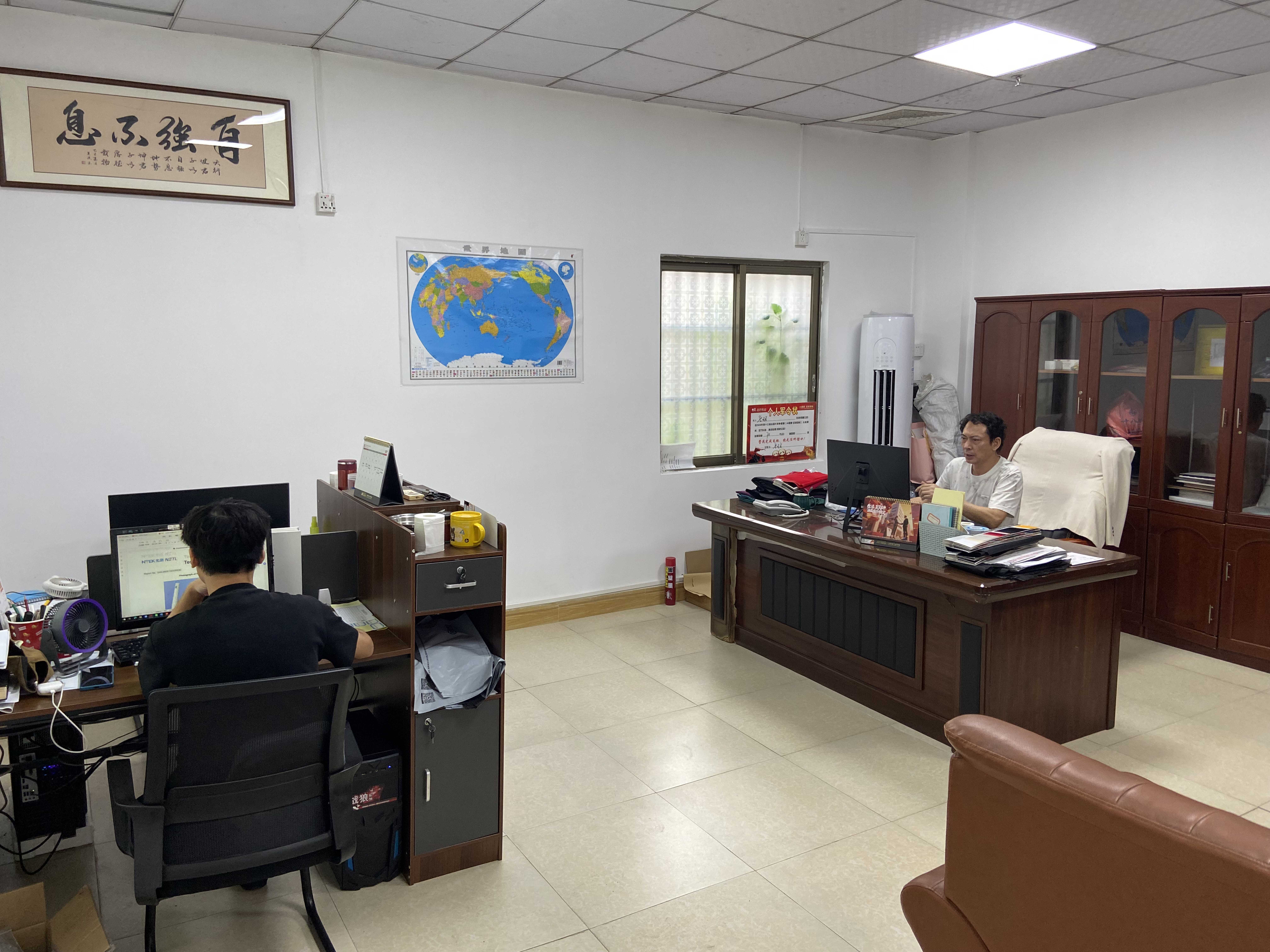
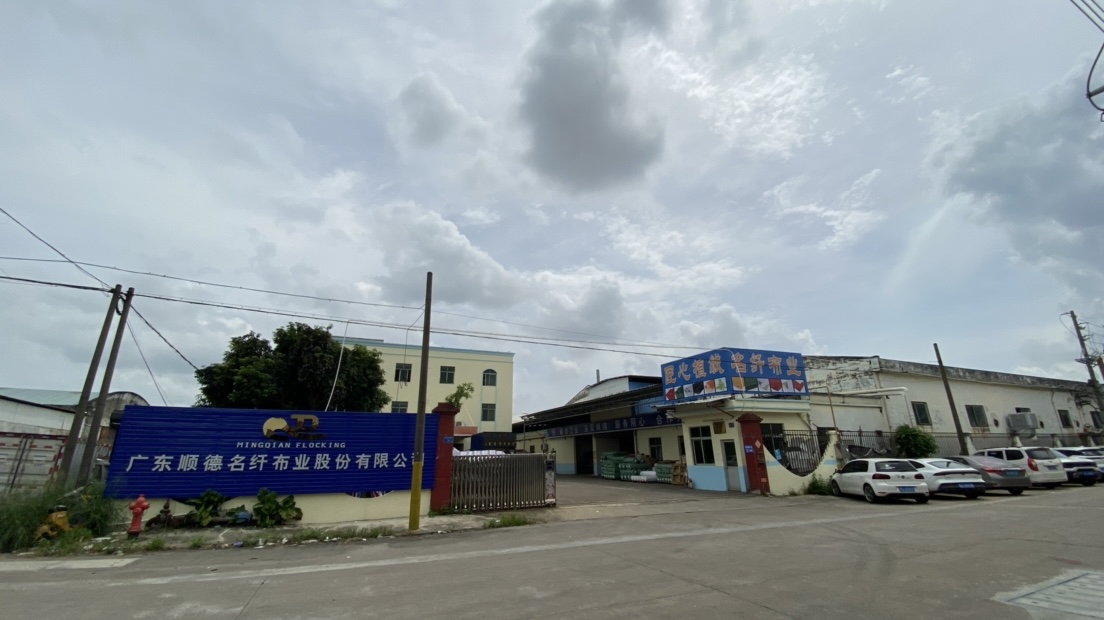
Operating under the brand name Mingqian, Guangdong Shunde Mingqian Flocking Co., Ltd. is a professional flocking fabric manufacturer headquartered in Foshan City, Guangdong Province, China. Established in 2008, the company has dedicated 18 years exclusively to the research, development, production, and sales of high-performance flocking fabrics. The company operates a self-owned manufacturing facility of 12,000 square meters (with a certified factory area of 10,000 square meters), houses more than 100 employees, and maintains 5 automated electrostatic flocking lines yielding a monthly capacity of over 3,000,000 yards. The manufacturer holds ISO 9001:2015 and GRS 4.0 certifications, supplying premium materials to global luxury brands such as Dior, Fendi, Chow Tai Fook, and Volkswagen.
Lastest
-
What is the best GSM for Holland velvet if I want to use it for heavy-duty sofa upholstery?
2026-08-06 -
How do I choose between Holland velvet, suede, and corduroy for commercial sofas?
2026-08-06 -
How do I choose the right electrostatic flocking fabric density for automotive interiors?
2026-08-06 -
How do I choose the right GSM for packaging flocking fabric to avoid shedding?
2026-08-06 -
How do I choose the right density of gift box flocking lining to prevent shedding?
2026-08-06
SUBSCRIBE
INQUIRY