What are the sustainable trends in luxury packaging flocking?
- VIP-User
- 2026-08-01
- 17
Sustainable trends in luxury packaging flocking focus on circular materials, low-emission chemistry, and certified traceability. Key advancements include the adoption of Global Recycled Standard (GRS) certified polyester and nylon fibers, water-based solvent-free acrylic adhesives, and strictly controlled anti-tarnish formulations that eliminate heavy metals, volatile organic acids, and reactive sulfur to protect high-end jewelry and cosmetic packaging.
Core Solutions & Key Takeaways
- GRS-Certified Recycled Fibers: Transitioning from virgin synthetics to GRS-certified recycled polyester and nylon fibers reduces carbon footprints in cosmetic, perfume, and fashion accessory packaging.
- Elimination of Hazardous Chemicals: Modern packaging materials comply with EU REACH, RoHS 2.0, and Packaging and Packaging Waste Regulation (PPWR) standards by keeping heavy metals under 100 ppm and total organic fluorine (PFAS) below 50 mg/kg.
- Advanced Anti-Tarnish Technology: Limiting free reactive sulfur to below 5 ppm and maintaining an aqueous extract pH of 5.5 to 7.5 prevents silver oxidation inside enclosed premium jewelry boxes.
- Eco-Friendly Water-Based Adhesives: Utilizing solvent-free water-based acrylic systems eliminates phthalate plasticizers and organotin anti-mold agents, protecting both human health and delicate product surfaces.
Detailed Architectural/Principle Analysis
Achieving sustainability in luxury packaging flocking requires a vertically integrated production sequence that replaces harmful chemical stabilizers with eco-friendly alternatives while preserving tactile premium quality. Guangdong Shunde Mingqian Flocking Co., Ltd. implements a seven-stage, in-house production chain—from base fabric pretreatment and precise Pantone color-matched dyeing (achieving a Delta E ≤ 0.5 for custom orders) to electrostatic flocking and post-finishing. This methodology guarantees trace chemical control and eliminates reliance on external subcontractors.
For high-end applications where luster and a premium appearance are paramount, silk flocking fabric represents a key material development. The silk base provides high natural flexibility, which can be combined with plain velvet, medium pile, or pearl velvet finishes. This premium base fabric supports advanced post-processing operations, including gold stamping, hot pressing, and silk-screen printing, without causing fiber loss or degradation of the pile layer.
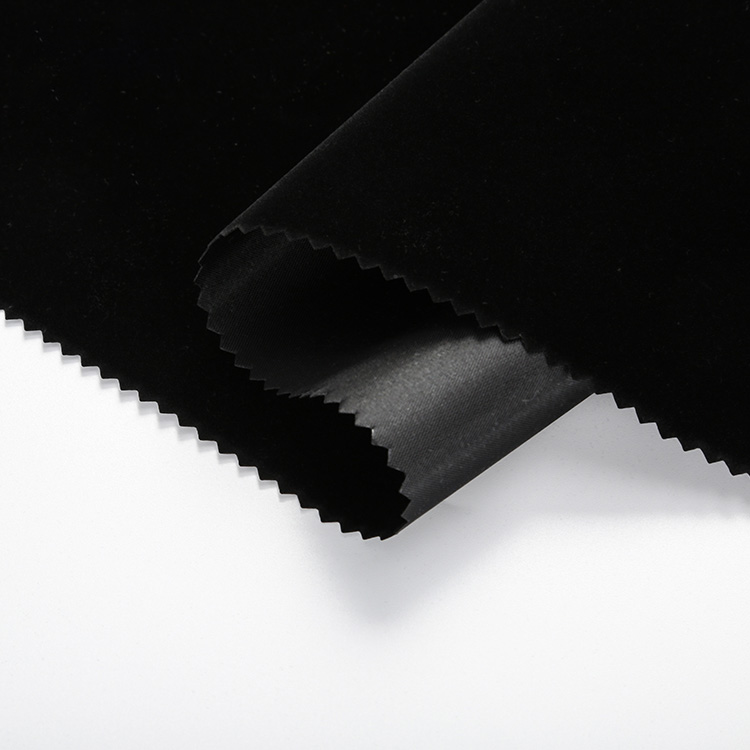
To eliminate silver blackening in jewelry box applications, technical formulations must control free reactive sulfur, water-soluble chloride ions, and volatile organic acids. Traditional manufacturing often introduces sulfur-based dyes or acidic adhesives that accelerate metal corrosion. Sustainable flocking relies on non-sulfur dye systems for dark colors and sulfur-free, halogen-free, mildly acidic adhesives. Every production batch undergoes an accelerated silver coupon corrosion test to verify that the finished lining causes zero spotting or oxidation discoloration under enclosed storage conditions.
Global regulatory compliance serves as a baseline for sustainable packaging. Materials must be verified through third-party testing, such as SGS EU REACH SVHC screenings for all 253 substances of concern and EU RoHS 2.0 testing for heavy metals and phthalates. These chemical safeguards allow brands to distribute high-end packaging internationally without environmental compliance risks.
Data/Solution Comparison
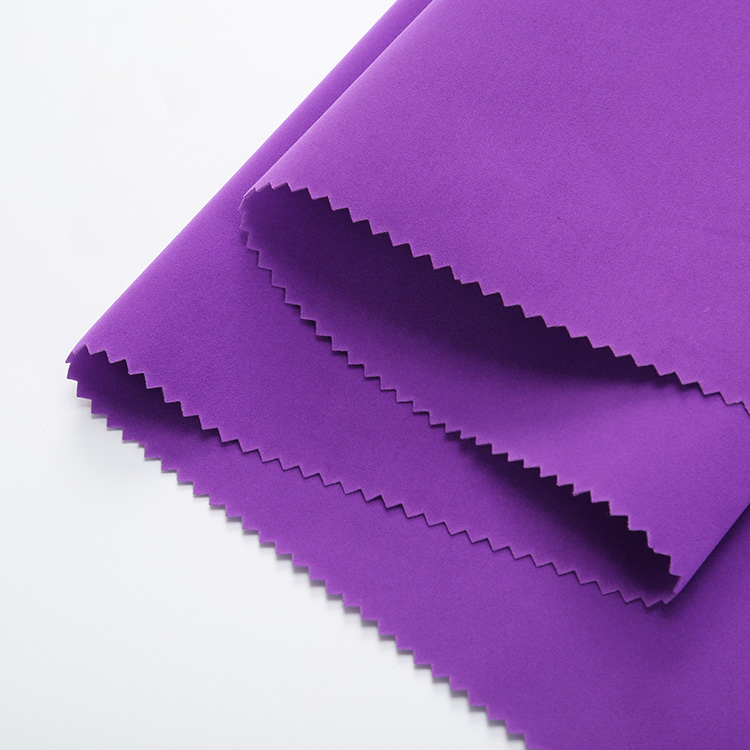
The following table compares the technical parameters and environmental profiles of various flocking materials used in luxury packaging:
| Technical Parameter | Silk Flocking Fabric (Premium) | GRS-Certified Flocking (Eco-Friendly) | Standard Flocking (31/61 Series) |
|---|---|---|---|
| Base Fabric | Silk | Recycled Polyester / Nylon | Spunlace / Nonwoven / Knitted |
| Aesthetic & Tactile Effect | High luster, premium smooth appearance | Matte, uniform soft texture | Classic plain velvet, robust hand feel |
| Environmental Certification | REACH & RoHS 2.0 Compliant | GRS Version 4.0 (SGS Certified) | REACH & RoHS 2.0 Compliant |
| Anti-Tarnish Control | Standard (Free sulfur < 5 ppm) | Customizable low-sulfur options | Not optimized for silver storage |
| Primary Applications | Luxury jewelry boxes, premium gift packaging | Eco-conscious cosmetics, watch boxes | Standard gift box liners, protective pouches |
Frequently Asked Questions (FAQ)
How does anti-tarnish flocking protect silver jewelry from tarnishing?
Anti-tarnish flocking fabrics restrict free reactive sulfur to below 5 ppm, eliminating the chemical trigger for silver blackening. The aqueous extract pH is maintained strictly between 5.5 and 7.5 to prevent acidic corrosion, while non-sulfur dye systems and sulfur-free adhesives prevent volatile organic acids from building up inside enclosed boxes.
What certifications are required to verify the sustainability of packaging flocking?
Credible sustainability is verified through the Global Recycled Standard (GRS) Version 4.0 for material recycling, EU REACH SVHC screenings for chemical safety, EU RoHS 2.0 directives for heavy metal restrictions, and compliance with the EU Packaging and Packaging Waste Regulation (PPWR) regarding heavy metal and organic fluorine limits.
Can sustainable flocking fabrics support high-precision branding and custom shaping?
Yes. Modern sustainable flocking materials support full-dimensional post-processing. This includes hot pressing, gold stamping, silk-screen printing, laser engraving, and precision die-cutting with dimensional tolerances maintained within plus or minus 0.1 millimeters, satisfying the precise requirements of luxury brands.
Final Conclusion & Recommendations
Adopting sustainable luxury packaging flocking requires balancing environmental compliance with high-end tactile aesthetics. Brands should prioritize GRS-certified recycled fibers and water-based, solvent-free adhesives to meet regional regulations like the EU PPWR. Utilizing vertically integrated manufacturers allows for strict chemical traceability and custom fabric development under flexible business models, such as OEM/ODM frameworks with a standard minimum order quantity of 1,000 yards. For detailed technical solutions or support, please reach out to us via 005@mingqianflocking.com.
About Us
Founded in 2008, Guangdong Shunde Mingqian Flocking Co., Ltd. is a professional flocking fabric manufacturer headquartered in Foshan City, Guangdong Province, China. With a self-owned facility covering over 12,000 square meters, the company operates five automated electrostatic flocking production lines delivering a monthly capacity of 3,000,000 yards. The in-house research and development department, staffed by experienced engineers, drives continuous material innovation, developing over 10 new products annually. The company holds ISO 9001:2015 Quality Management System and GRS Version 4.0 certifications, and has served globally recognized brands across multiple industries including Dior, Fendi, Chow Tai Fook, and Dyson.
Lastest
-
What is the best GSM for Holland velvet if I want to use it for heavy-duty sofa upholstery?
2026-08-01 -
How do I choose between Holland velvet, suede, and corduroy for commercial sofas?
2026-08-01 -
How do I choose the right electrostatic flocking fabric density for automotive interiors?
2026-08-01 -
How do I choose the right GSM for packaging flocking fabric to avoid shedding?
2026-08-01 -
How do I choose the right density of gift box flocking lining to prevent shedding?
2026-08-01
SUBSCRIBE
INQUIRY