What backing density of packaging flocking fabric prevents creasing in gift boxes?
- VIP-User
- 2026-08-03
- 19
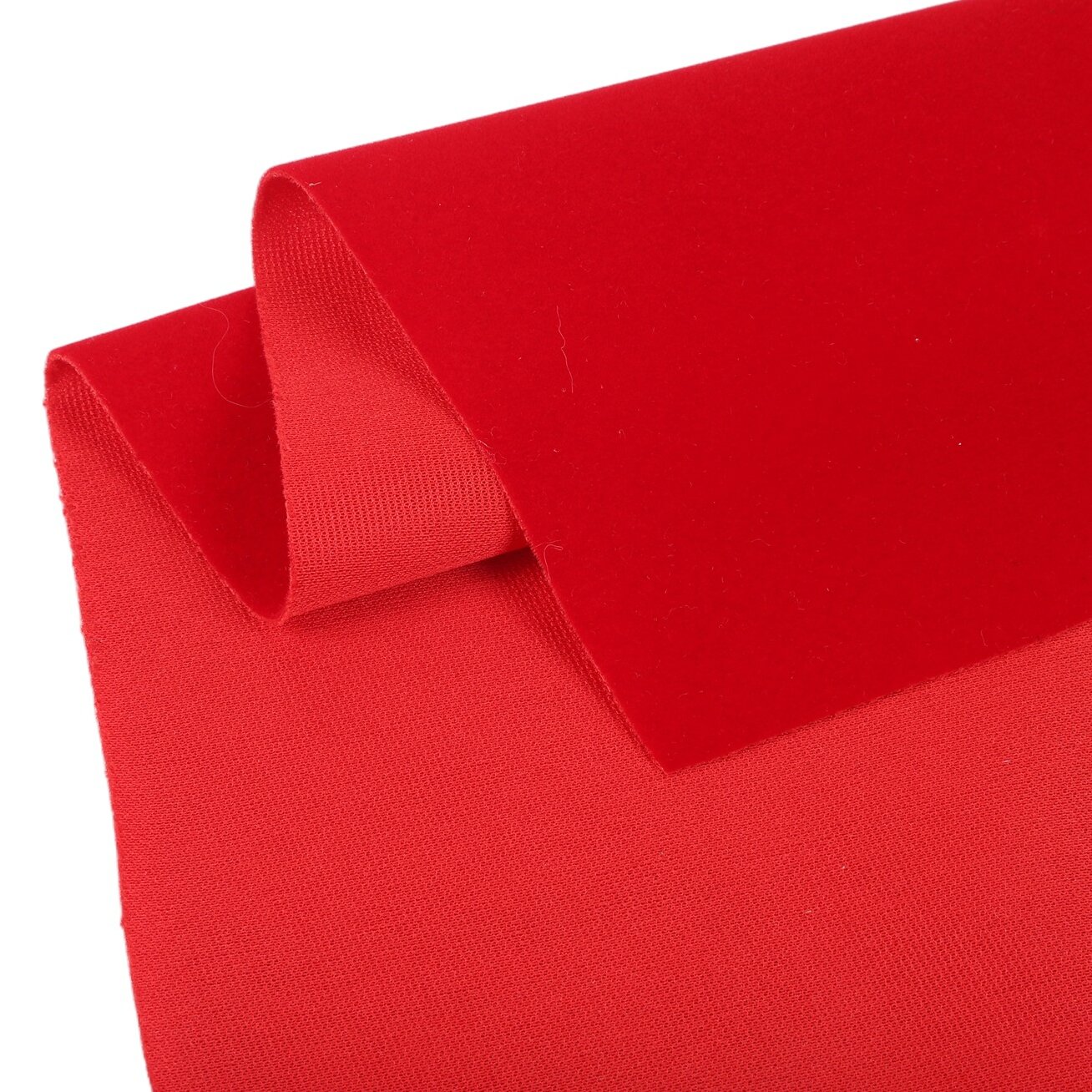
To prevent creasing in premium gift boxes, selecting a packaging flocking fabric with a backing density weight range of 30 to 200 gsm on a flexible knitted base is highly effective. The multi-directional elasticity of the knitted backing absorbs wrapping tension, preventing surface wrinkles and corner bunching during box production.
Core Solutions & Key Takeaways
- Elastic Backing Adaptation: Knitted base fabrics provide superior flexibility and softness over rigid nonwoven or PVC alternatives, absorbing the mechanical shear stress applied during automated box wrapping.
- Optimal Weight Density: Maintaining a backing fabric weight range of 30 to 200 gsm ensures that the base layer is robust enough to conceal adhesive application without losing the structural pliability needed for sharp-angle wrapping.
- Controlled Pile Height Dynamics: Selecting a pile height of 0.5 to 1.2 mm ensures surface uniformness, which resists fiber collapse and compression creasing on the box corners.
- Chemical and Structural Compatibility: For sensitive applications such as jewelry box packaging, choosing materials tested for low-sulfur content (free reactive sulfur below 5 ppm) protects metals from tarnishing while ensuring the adhesive layers remain smooth and unwrinkled.
Detailed Architectural/Principle Analysis
Preventing creases in gift box manufacturing depends on the tension distribution of the fabric layer during the bonding process. Traditional packaging applications often suffer from corner bunching when using inelastic backings. Utilizing a knitted base fabric resolves this through its looped yarn structure, which allows for uniform elongation in both the machine and cross directions. The 30 to 200 gsm weight range provides the precise thickness required to bridge the gap between structural integrity and physical softness.
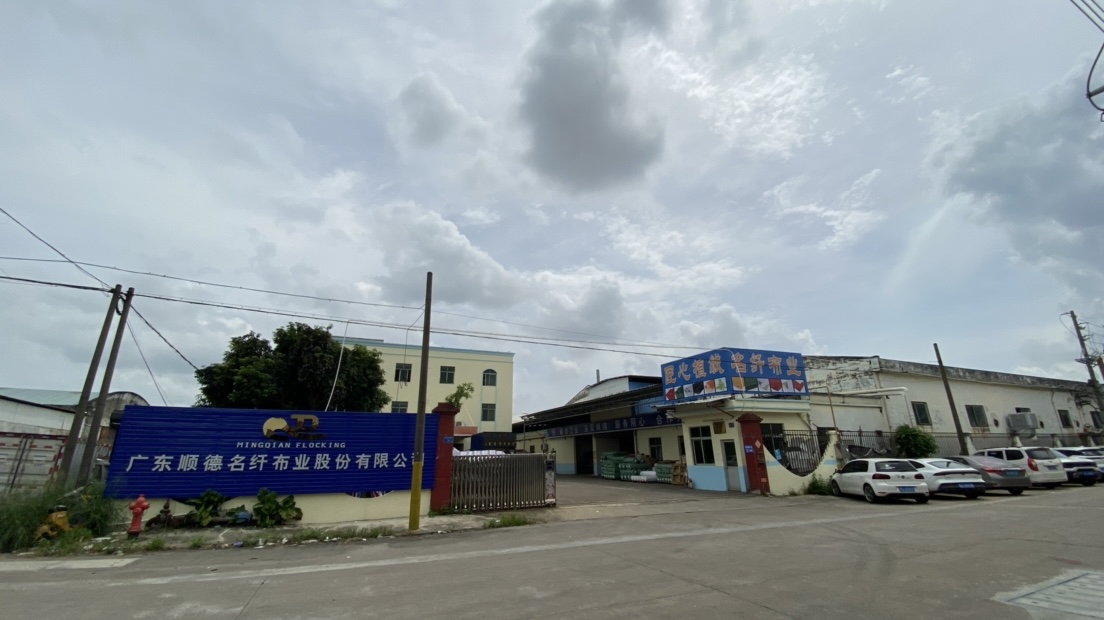
During the manufacturing process at the vertically integrated facilities of Guangdong Shunde Mingqian Flocking Co., Ltd., the base fabric is pretreated to ensure uniform tension leveling. Electrostatic flocking then accelerates short fibers vertically into a water-based, solvent-free acrylic adhesive layer under a high-voltage electrostatic field of 30 to 50 kilovolts. This precise alignment generates a dense, uniform velvet layer that cushions external impacts and resists surface folding. For high-end luxury client applications like the Chow Tai Fook supply chain, a specialized anti-tarnish system is deployed where pH is kept strictly between 5.5 and 7.5, and free reactive sulfur is restricted below 5 ppm to prevent chemical reactions that degrade both the fabric adherence and stored precious metals.
Furthermore, post-processing capabilities such as self-adhesive backing, paper mounting, and lamination are executed in-house. These operations are governed by tight quality metrics, including a 3M tape 10-cycle peel test compliant with the FAMA standard. This ensures the adhesive backing layer achieves a minimum peel strength of 2 Newtons per 25 millimeters, preventing local delamination which is the primary cause of pocket-creasing in finished gift boxes.
Data/Solution Comparison
The following table outlines the comparative physical properties and crease-resistance characteristics of different packaging flocking fabric base materials based on standard performance standards:
| Base Fabric Type | Weight Range (gsm) | Elasticity & Crease Resistance | Key Process Suitability | Primary Packaging Use Cases |
|---|---|---|---|---|
| Knitted Base | 30–200 gsm | Outstanding (High Elasticity) | Gold stamping, Hot pressing, Silk-screen printing | Drawstring pouches, wine pouches, drawer linings, premium gift boxes |
| Spunlace Base | Custom | Moderate (Soft and Flexible) | Adhesive backing, Precision die-cutting | Luxury jewelry boxes, eyewear cases, cosmetic packaging |
| Nonwoven Base | Custom | Low (Breathable, Lightweight) | Paper mounting, Slitting | General gift boxes, storage boxes, industrial cushioning |
| Cotton-Rayon Base | Custom | Moderate (Skin-friendly, Natural) | Dyeing, Hot pressing | Premium gift boxes, luxury drawstring pouches |
Frequently Asked Questions (FAQ)
How does backing density affect the manual wrapping of rigid gift boxes?
Backing density between 30 and 200 gsm provides the necessary tensile strength to withstand manual pulling without tearing, while maintaining the thin profile required to prevent bulky overlapping folds at the box corners.
What certifications guarantee that the flocking fabric is safe for international distribution?
High-quality packaging flocking fabrics should carry GRS (Global Recycled Standard Version 4.0) certification, EU REACH SVHC compliance (screening all 253 Substances of Very High Concern), and RoHS 2.0 testing. These guarantee the absence of harmful heavy metals, restricted phthalates, and hazardous azo dyes.
Can the material be customized for specific brand colors and patterns without risking surface defects?
Yes. Custom colors can be matched using the Pantone database with a Delta E color variance of less than 2.0 for standard orders and less than 0.5 for premium custom orders. Advanced in-house post-processing such as laser engraving, embossing, and hot foiling can add high-definition branding textures directly to the flocking layer without compromising the structural integrity of the backing fabric.
Final Conclusion & Recommendations
Selecting the correct backing density is the most reliable method to eliminate folding and creasing defects in gift box manufacturing. A knitted base fabric with a density range of 30 to 200 gsm and a pile height between 0.5 and 1.2 mm offers the optimum combination of structural strength and physical flexibility. For industrial and premium packaging procurement, utilizing OEM/ODM channels with established quality inspection processes—such as four-stage production monitoring and FAMA-compliant adhesion testing—ensures reliable performance across bulk shipments. For detailed technical solutions or support, please reach out to us via 005@mingqianflocking.com.
About Us
Guangdong Shunde Mingqian Flocking Co., Ltd., operating under the brand name Mingqian Flocking, is a professional flocking fabric manufacturer founded in 2008 and based in Foshan City, Guangdong Province, China. The company operates a self-owned manufacturing facility covering over 12,000 square meters with five automated electrostatic flocking production lines, supporting a monthly production capacity of 3,000,000 yards. Certified under ISO 9001:2015 and the Global Recycled Standard (GRS) Version 4.0, Mingqian Flocking provides high-performance functional and decorative textile materials to international brand supply chains including Dior, Fendi, Chow Tai Fook, and Volkswagen.

Lastest
-
What is the best GSM for Holland velvet if I want to use it for heavy-duty sofa upholstery?
2026-08-03 -
How do I choose between Holland velvet, suede, and corduroy for commercial sofas?
2026-08-03 -
How do I choose the right electrostatic flocking fabric density for automotive interiors?
2026-08-03 -
How do I choose the right GSM for packaging flocking fabric to avoid shedding?
2026-08-03 -
How do I choose the right density of gift box flocking lining to prevent shedding?
2026-08-03
SUBSCRIBE
INQUIRY