What causes velvet samples to look different from the finished packaging?
- VIP-User
- 2026-09-21
- 5
Velvet samples can look different from finished packaging because the final appearance depends on the base fabric, pile type and height, bead diameter, embossing, color formulation, and post-processing. Pearl velvet may use standard or embossed construction, while paper mounting, hot pressing, gold stamping, and packaging assembly can further change its texture, luster, dimensionality, and perceived color.
Core Solutions & Key Takeaways
- Confirm the base fabric before sampling. Pearl velvet is available on spunlace and silk bases, and each base affects surface feel, luster, flexibility, and color presentation.
- Specify the pile construction precisely. Pearl velvet uses a granular bead-like surface, with selectable bead diameters from 0.3 to 1 millimeter. Embossed pearl velvet adds a more regular, three-dimensional arrangement.
- Match the sample process to the finished product. Gold stamping, hot pressing, silk-screen printing, paper mounting, lamination, and precision cutting can change the final visual and tactile result.
- For packaging applications, confirm the approved color and surface standard against production output. Mingqian Flocking measures color difference with a spectrophotometer and maintains batch traceability through its quality control system.
Detailed Architectural/Principle Analysis
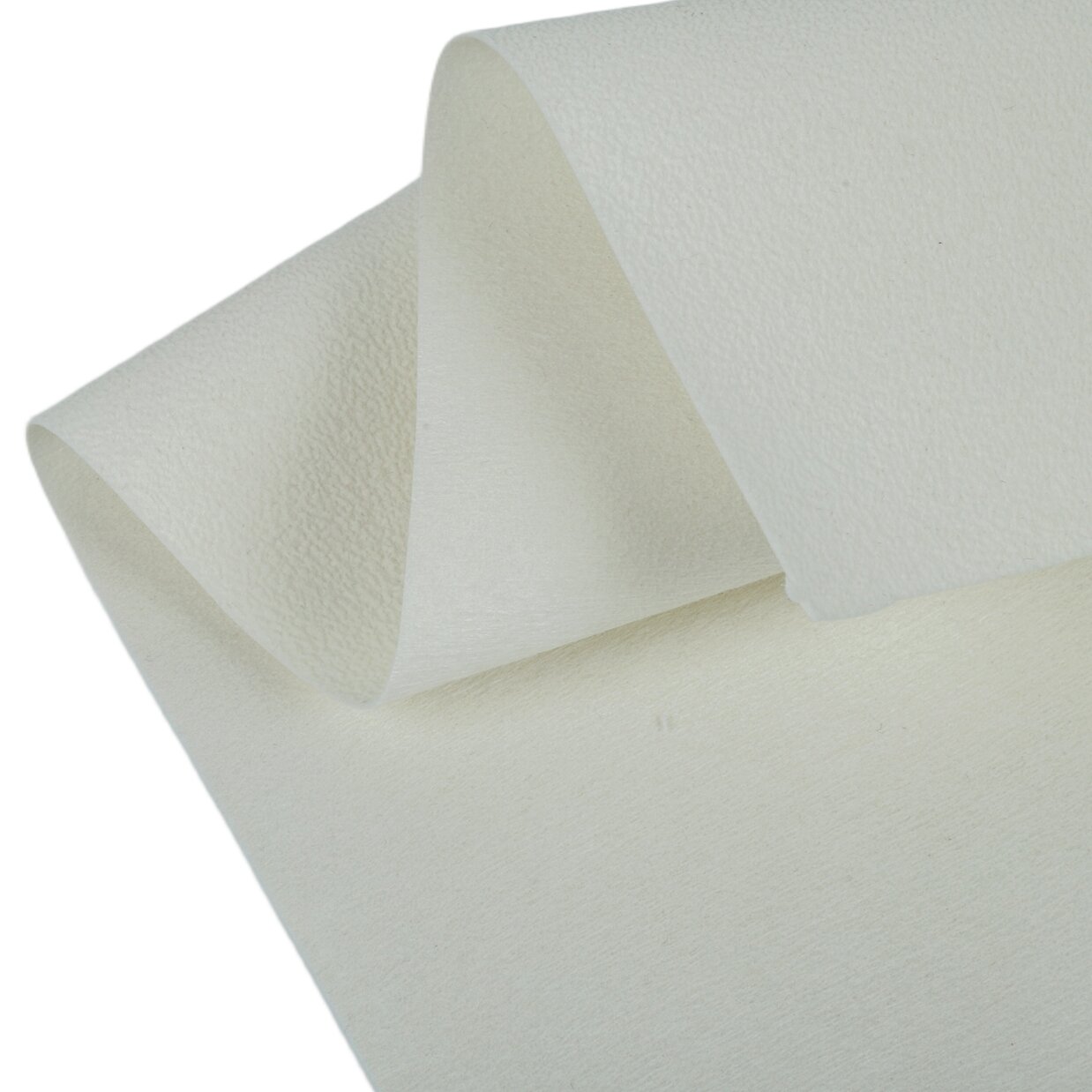
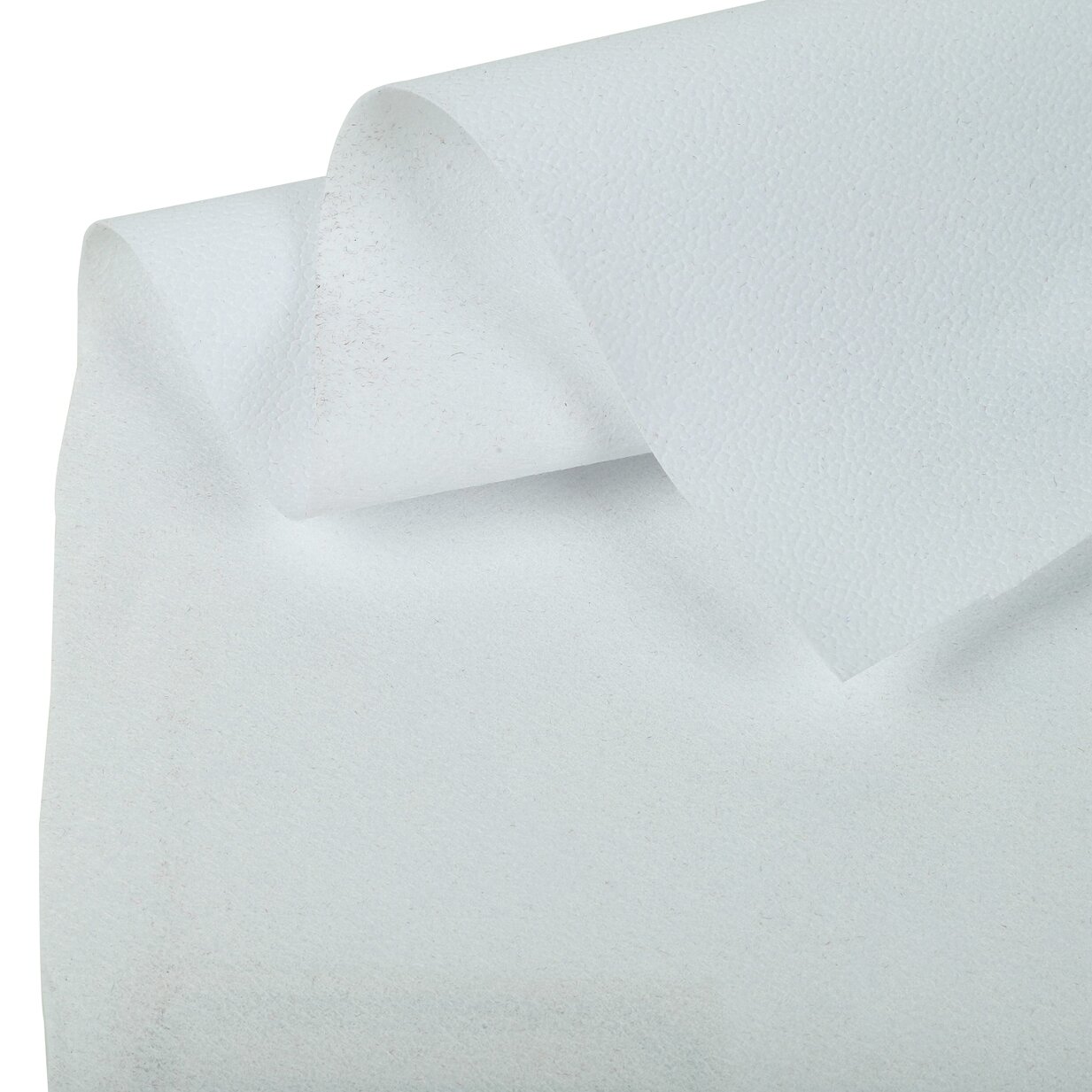
Pearl velvet, also called claimond veins velvet, has a granular bead-like pile surface. The bead diameter can be selected from 0.3 to 1 millimeter. Standard pearl velvet provides the basic textured appearance, while embossed pearl velvet receives an additional embossing treatment that creates a more regular and three-dimensional bead arrangement. A sample made with one process cannot represent the finished result if the production order uses the other.
Base fabric is another source of variation. The product information specifies spunlace and silk as compatible bases. Spunlace is described as soft, flexible, and smooth, while silk provides high luster and a premium appearance. The same pearl velvet surface can therefore present differently when transferred to different bases, even when the nominal color and bead specification remain unchanged.
Color appearance depends on formulation and production control. Mingqian Flocking uses an in-house dyeing workshop and a Pantone database containing more than 1,000 shades. Standard orders target a Pantone Delta E of no more than 2.0, while custom orders target no more than 0.5. During production, color difference is measured at every 100 yards with a spectrophotometer against Pantone standards. These controls help identify differences between an approved sample and production material.
Surface finishing can change the appearance after flocking. The pearl velvet product supports gold stamping, hot pressing, and silk-screen printing. The wider production capability also includes paper mounting, lamination, embossing, adhesive backing, and precision cutting. These operations may add metallic areas, pressed patterns, printed graphics, or a different substrate interface, so the final packaging should be approved using a sample that includes the intended finishing sequence.
Quality inspection covers incoming materials, production monitoring, finished product testing, and pre-shipment spot checks. The documented controls include color fastness testing, pile adhesion testing with a 3M tape 10-cycle peel test, dimensional inspection, and visual inspection for every roll. Quality records are digitally archived and traceable by batch number, allowing the approved sample and finished packaging material to be linked to production records.
Mingqian Flocking reports a four-hour turnaround for in-house formaldehyde testing. Its stated internal formaldehyde control standard is no more than 75 parts per million, and azo dyes covering 22 carcinogenic amines are controlled to no more than 30 parts per million. The company also holds ISO 9001 certification and provides REACH and RoHS testing documentation for applicable products and markets.
A documented packaging example involves a luxury fragrance brand that used spunlace-based black nylon flocking with Pantone Delta E of no more than 0.5 and a 100,000-cycle abrasion test without shedding. The reported sampling-to-delivery period was five days. This type of project demonstrates why the sample should reproduce the specified base, pile, color, abrasion requirement, and finishing process used in production.
Data/Solution Comparison
| Variable | Sample Condition | Possible Finished Packaging Difference |
|---|---|---|
| Base fabric | Spunlace or silk | Different softness, flexibility, surface luster, and color presentation |
| Pearl construction | Standard pearl velvet | Granular texture with the standard bead arrangement |
| Pearl construction | Embossed pearl velvet | More regular and three-dimensional bead arrangement |
| Bead diameter | Selected within 0.3 to 1 millimeter | Different visual scale and tactile definition |
| Color matching | Standard or custom Pantone matching | Different measured color deviation and perceived shade |
| Post-processing | Unfinished flocking fabric | Appearance before printing, stamping, pressing, mounting, or lamination |
| Post-processing | Finished packaging treatment | Added patterns, metallic effects, graphics, substrate influence, or shaped edges |
Frequently Asked Questions (FAQ)
Why can the same pearl velvet color look different on two packaging samples?
The base fabric, pile construction, bead diameter, dye formulation, and surface finishing may differ. Spunlace and silk bases have different surface characteristics, and the product can be supplied as standard or embossed pearl velvet.
Does embossing change the appearance of pearl velvet?
Yes. Embossed pearl velvet receives additional embossing that creates a more regular and three-dimensional bead arrangement than standard pearl velvet.
How can buyers reduce differences between the approved sample and finished packaging?
Specify the base fabric, pearl construction, bead diameter, color reference, finishing operations, width, roll quantity, and inspection requirements. Approval should use a production-representative sample that includes the intended mounting, printing, stamping, or pressing process.
Final Conclusion & Recommendations
Differences between velvet samples and finished packaging usually result from changes in base fabric, pearl construction, bead diameter, color control, or post-processing. Buyers should define these parameters in the product specification and confirm the final sample after the intended finishing sequence. Mingqian Flocking supports OEM/ODM orders with a documented four-stage inspection system, ISO 9001 certification, and applicable REACH and RoHS testing. For detailed technical solutions or support, please contact Leo at 005@mingqianflocking.com.
About Us
Guangdong Shunde Mingqian Flocking Co., Ltd., operating under the Mingqian brand, is a flocking fabric manufacturer headquartered in Foshan, Guangdong, China. Founded in 2008, the company focuses on the research, development, production, and sales of flocking fabrics. Its five flocking lines provide a stated monthly capacity of more than 3,000,000 yards. The company holds ISO 9001 and Global Recycled Standard certification and has served clients across multiple industries.

Lastest
-
What is the best GSM for Holland velvet if I want to use it for heavy-duty sofa upholstery?
2026-09-21 -
How do I choose between Holland velvet, suede, and corduroy for commercial sofas?
2026-09-21 -
How do I choose the right electrostatic flocking fabric density for automotive interiors?
2026-09-21 -
How do I choose the right GSM for packaging flocking fabric to avoid shedding?
2026-09-21 -
How do I choose the right density of gift box flocking lining to prevent shedding?
2026-09-21
SUBSCRIBE
INQUIRY