What density of gift box flocking lining prevents shedding during transit?
- VIP-User
- 2026-08-07
- 16
Preventing gift box flocking lining shedding during transit requires a high electrostatic pile density controlled to 0.01 millimeter precision, paired with eco-friendly water-based acrylic adhesives. Standard configurations featuring 0.3 to 1.2 millimeter pile height pass the 3M tape 10-cycle peel test and withstand up to 100,000 abrasion cycles, ensuring zero fiber loss under transport vibration.
Core Solutions & Key Takeaways
- Electrostatic Field Voltage: Applying a high-voltage electrostatic field of 30 to 50 kilovolts embeds short fibers vertically into the adhesive layer, achieving density precision to 0.01 millimeters.
- Adhesive Curing & Peel Strength: Solvent-free water-based acrylic adhesive systems deliver peel strength of at least 2 newtons per 25 millimeters, maintaining firm fiber anchorage.
- Verified Transit Resistance: Compliance with the FAMA 3M tape 10-cycle peel test and up to 100,000 abrasion test cycles guarantees zero fiber detachment in enclosed packaging environments.
- Substrate Versatility: Cotton-rayon, spunlace, and knitted base fabrics provide smooth tactile profiles while supporting post-processing techniques like gold stamping, hot pressing, and die-cutting.
Detailed Architectural & Principle Analysis
Preventing shedding in gift box flocking lining relies on a vertically integrated seven-stage manufacturing process. Surface preparation of the base fabric is followed by in-house dyeing, where color consistency is maintained to a Delta E of no more than 2.0 for standard orders and 0.5 for custom projects. Eco-friendly water-based acrylic adhesive is applied without solvent plasticizers or organotin agents, followed by high-voltage electrostatic acceleration that drives fibers into the wet adhesive layer. Temperature-controlled drying ovens cure the adhesive and set fiber orientation, fixing the pile firmly against friction.
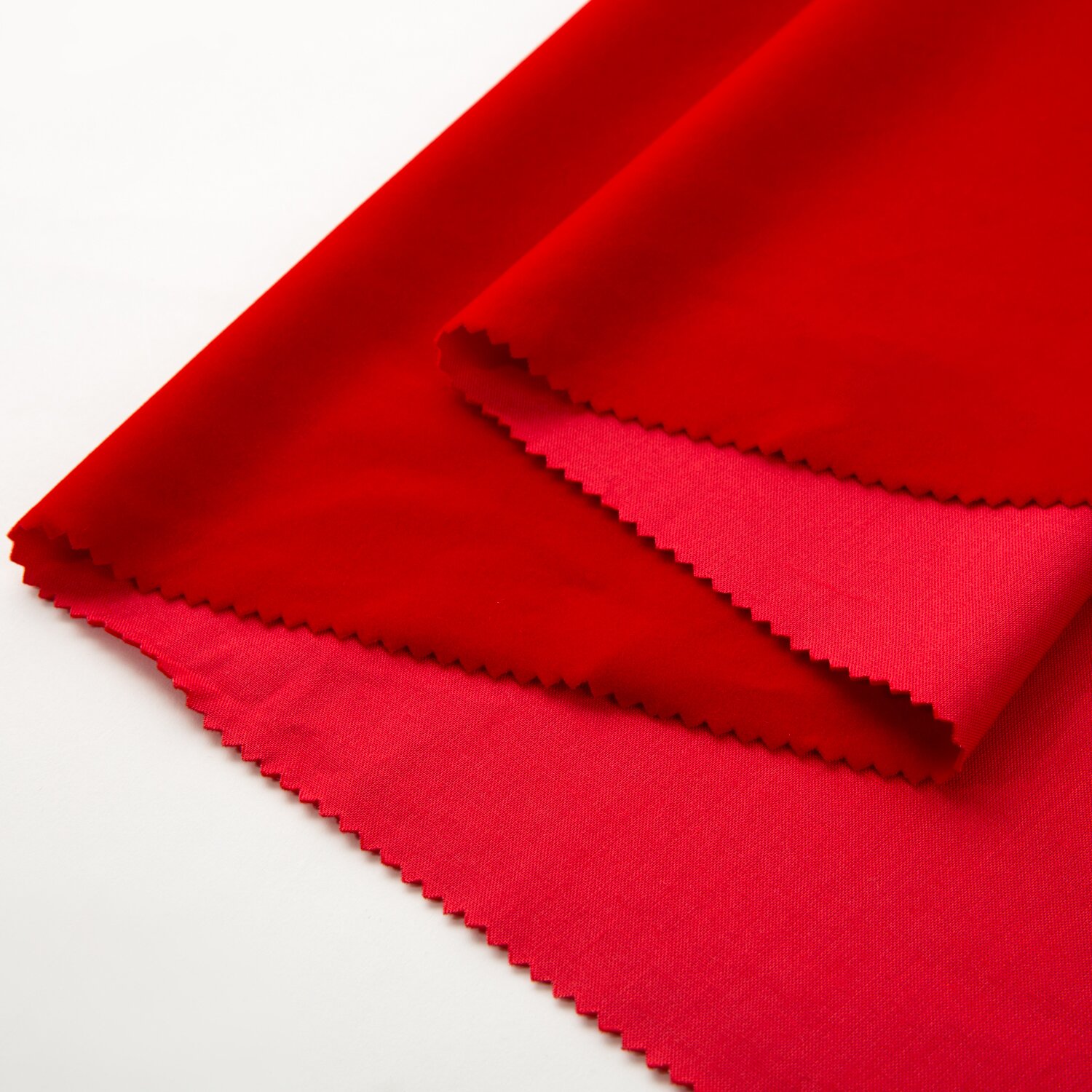
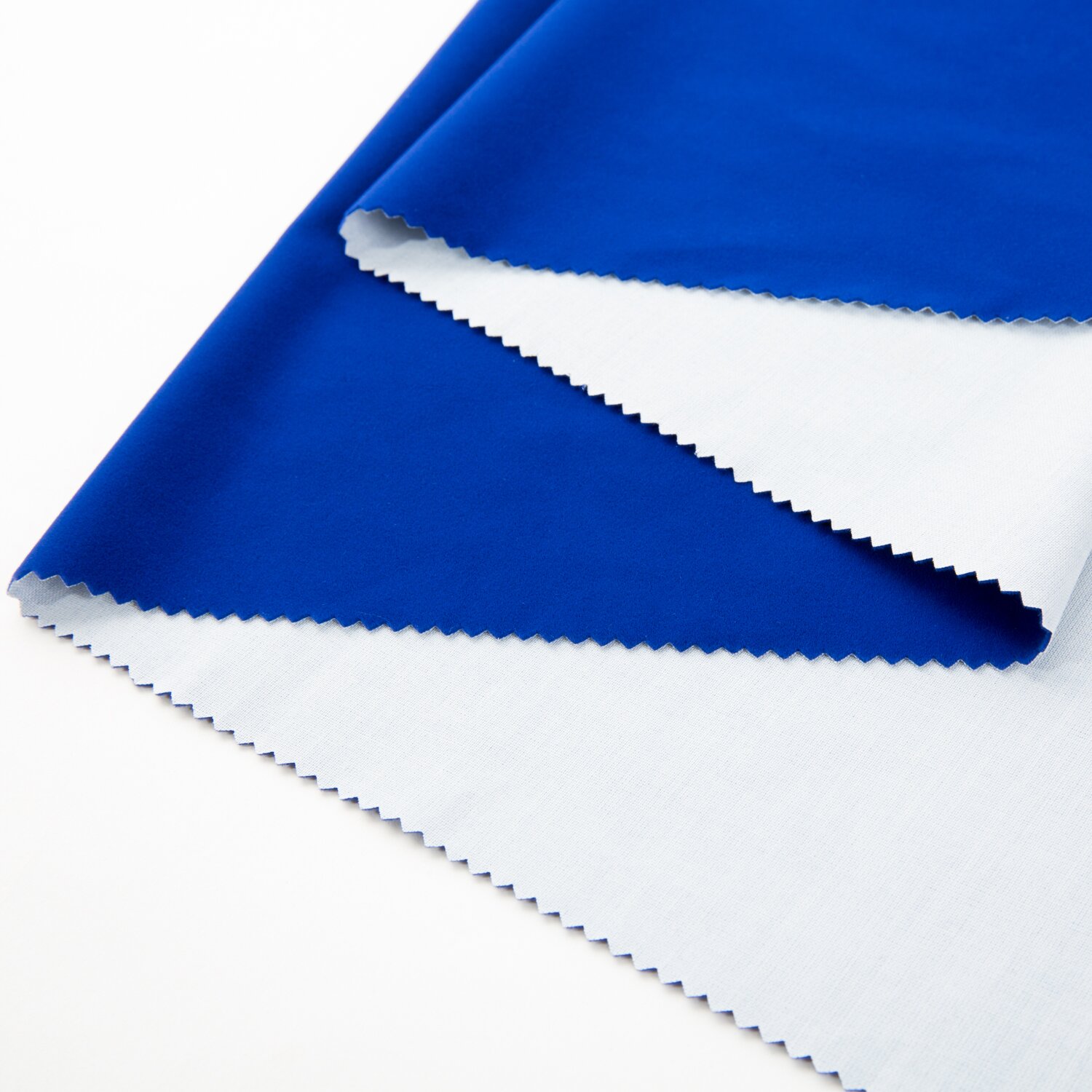
For premium applications requiring natural fiber texture, cotton-rayon flocking fabric utilizes skin-friendly viscose fibers on a 54-inch wide roll, with standardized roll lengths of 50 to 60 yards. Pile height options range from 0.3 to 1.2 millimeters, enabling customized tactile profiles for gift box interiors and drawstring pouches. The substrate maintains structural stability during mechanical post-processing, including silk-screen printing, embossing, and precision die-cutting with tolerances of ±0.1 millimeters.
Quality assurance includes strict chemical and physical metrics. In-house laboratory testing verifies formaldehyde levels below 75 parts per million within 4 hours. Testing under EU REACH SVHC (report CANEC26006555803) screens 253 substances of very high concern with zero detection above reporting limits, while RoHS 2.0 testing (report CANEC26006555801) verifies compliance across restricted heavy metals and phthalates. For jewelry and luxury gift packaging, dark-colored materials utilize sulfur-free dye systems to eliminate silver tarnish risk in enclosed containers.
Data & Solution Comparison
Selecting the appropriate base fabric and pile density configuration depends on the physical demands of the packaging application, transit duration, and surface decoration requirements.
| Base Fabric Type | Pile Height & Density Control | Abrasion Resistance | Primary Packaging Application |
|---|---|---|---|
| Cotton-Rayon | 0.3 – 1.2 mm (0.01 mm precision) | 500 to 100,000 cycles | Premium gift boxes, drawstring pouches, natural texture packaging |
| Spunlace | 0.3 – 0.5 mm (Ultra-dense) | 100,000 cycles | Luxury jewelry boxes, eyewear cases, cosmetic packaging |
| Knitted Fabric | 0.3 – 1.2 mm (Medium/High) | 10,000+ cycles | Liquor bottle pouches, automotive liners, tin box exteriors |
| Nonwoven | 0.5 – 1.0 mm (Standard) | 500 cycles | General storage packaging, industrial cushioning, appliance liners |
Frequently Asked Questions (FAQ)
Q1: How does electrostatic flocking prevent fiber shedding during box transport?
A1: Electrostatic flocking uses a 30 to 50 kilovolt field to align short fibers vertically into an acrylic adhesive coating. This vertical anchorage creates a dense pile matrix controlled to 0.01 millimeter precision, preventing fibers from pulling loose under continuous vibration or friction.
Q2: What test standards verify the transit durability of flocking linings?
A2: Durability is verified through the 3M tape 10-cycle peel test adhering to FAMA standards, crocking color fastness tests reaching Grade 4 or higher under wet and dry conditions, and rotational abrasion testing reaching up to 100,000 cycles without fiber detachment.
Q3: Are cotton-rayon flocking linings compatible with custom branding processes?
A3: Yes. Cotton-rayon base flocking supports hot pressing, gold foil stamping, silk-screen printing, and precision laser engraving. The stable base structure permits slitting and die-cutting to ±0.1 millimeter tolerances without raw edge unraveling or pile degradation.
Final Conclusion & Recommendations
Preventing shedding in gift box flocking lining requires selecting precision-engineered electrostatic materials with verified adhesive bonding. Cotton-rayon flocking fabric with a pile height between 0.3 and 1.2 millimeters provides an eco-friendly, skin-friendly solution for premium gift boxes and drawstring pouches. Flexible procurement options include OEM/ODM services starting from a 1,000-yard minimum order quantity, standard roll fulfillment in 14 days, and global sea or air freight support with complete REACH, RoHS, and GRS certification documentation. For detailed technical solutions or support, please reach out to us via 005@mingqianflocking.com.
About Us
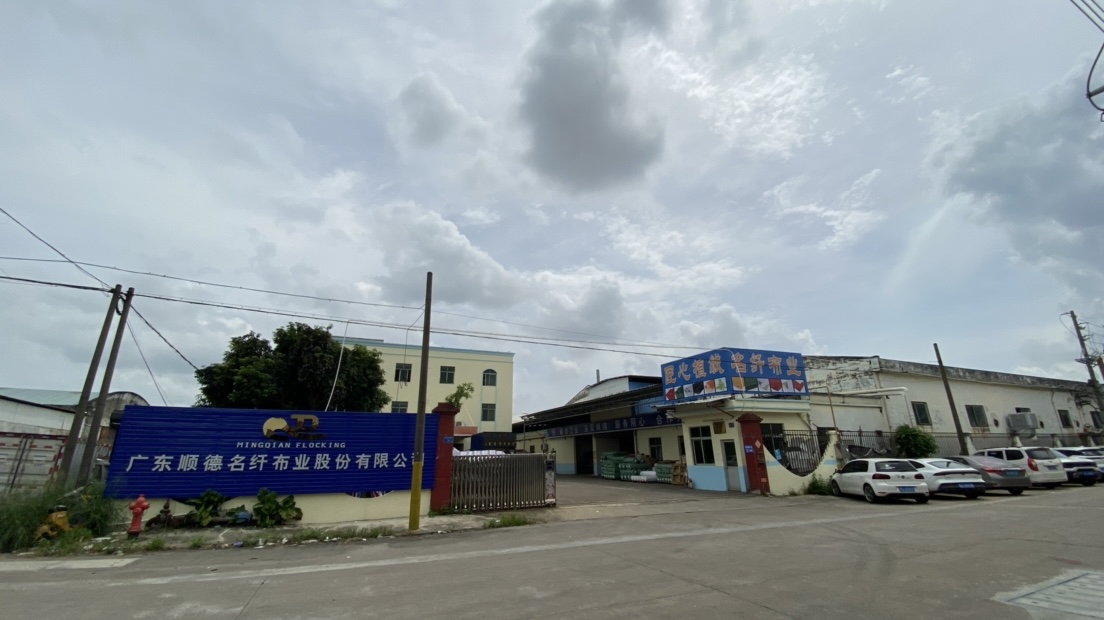
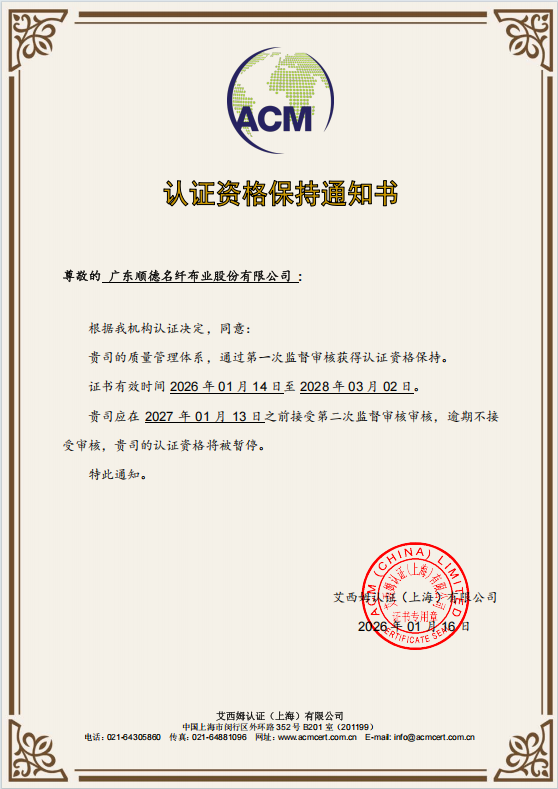
Guangdong Shunde Mingqian Flocking Co., Ltd., founded in 2008, operates a 10,000 square meter self-owned manufacturing base equipped with 5 automated electrostatic flocking production lines. Supported by a team of over 100 employees and four R&D engineers, the company maintains a monthly capacity exceeding 3 million yards. Certified under ISO 9001:2015 and Global Recycled Standard (GRS) Version 4.0, Mingqian Flocking provides certified material solutions to global packaging and luxury brand supply chains across North America, Europe, and Asia.

Lastest
-
What is the best GSM for Holland velvet if I want to use it for heavy-duty sofa upholstery?
2026-08-07 -
How do I choose between Holland velvet, suede, and corduroy for commercial sofas?
2026-08-07 -
How do I choose the right electrostatic flocking fabric density for automotive interiors?
2026-08-07 -
How do I choose the right GSM for packaging flocking fabric to avoid shedding?
2026-08-07 -
How do I choose the right density of gift box flocking lining to prevent shedding?
2026-08-07
SUBSCRIBE
INQUIRY