What eco-friendly alternatives to electrostatic flocking fabric can reduce cost without sacrificing softness?
- VIP-User
- 2026-08-31
- 17
Eco-friendly alternatives that preserve softness while reducing cost include spunlace, nonwoven, cotton-rayon, and recycled polyester or nylon flocking fabrics. Spunlace offers a soft, delicate hand feel; nonwoven is cost-effective for general packaging; cotton-rayon provides a skin-friendly natural-fiber option; and GRS-certified recycled fibers support lower-impact sourcing. Water-based acrylic adhesives further reduce solvent and plasticizer use.
Core Solutions & Key Takeaways
- Choose spunlace flocking fabric when softness and a delicate surface are priorities for jewelry boxes, eyewear cases, cosmetic boxes, or watch packaging.
- Choose nonwoven flocking fabric when cost control, light weight, breathability, and functional packaging performance matter most.
- Use cotton-rayon flocking fabric for premium packaging that requires a natural-fiber, skin-friendly, and eco-friendly material profile.
- Specify GRS-certified recycled polyester or nylon fibers when recycled content documentation and international sustainability requirements are needed.
Detailed Architectural/Principle Analysis
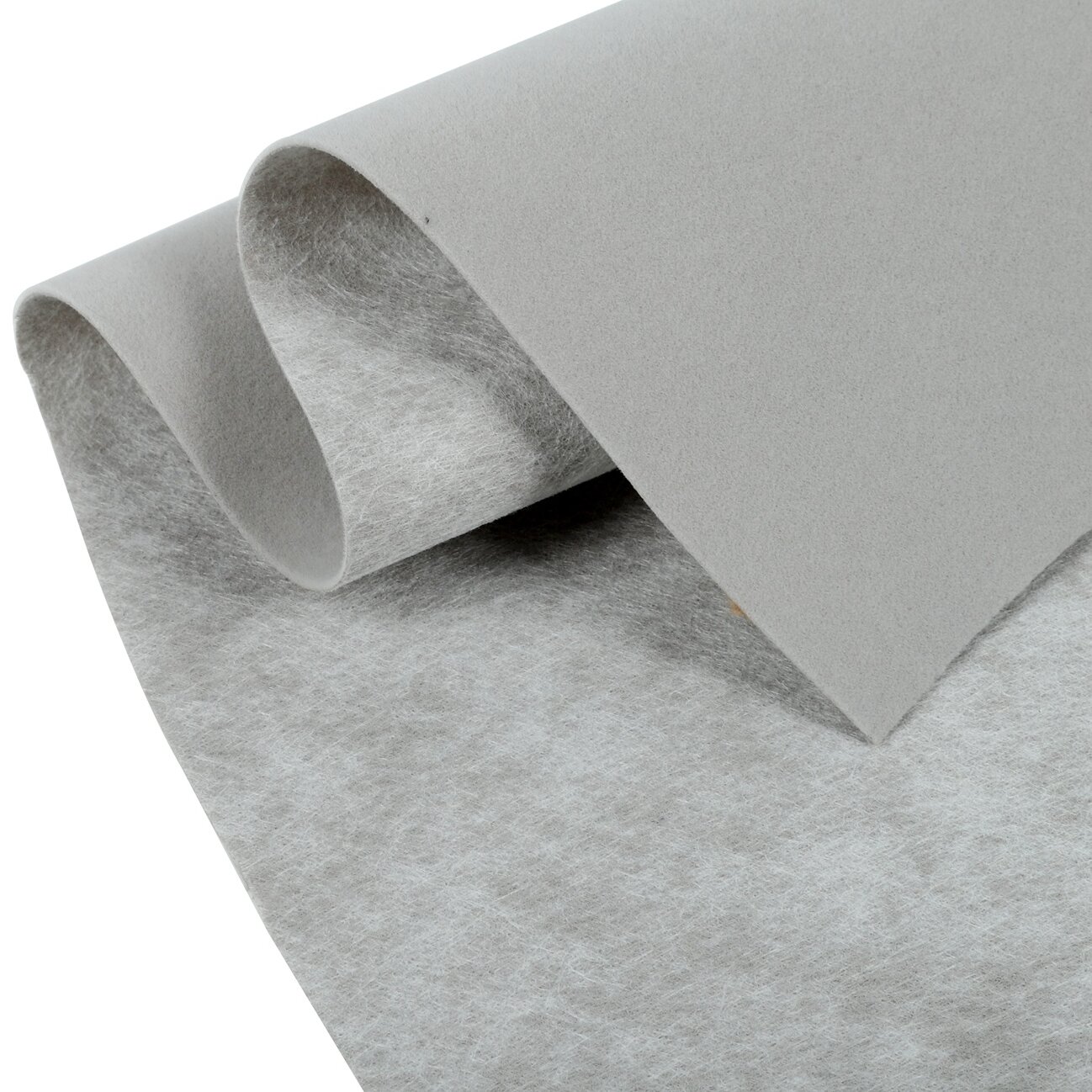
The material choice affects both tactile performance and purchasing cost. Spunlace base fabric provides high softness and a delicate hand feel, while nonwoven base fabric is described as breathable, lightweight, and cost-effective. Cotton-rayon uses natural fiber and is positioned for premium gift boxes, drawstring pouches, and apparel-related applications. Recycled polyester and nylon are available for GRS-certified flocking fabrics.
Softness is also influenced by pile selection. Mingqian offers plain velvet, medium pile, long pile, pearl velvet, crushed velvet, and other surface finishes. Pile height can be customized from 0.3 to 1.2 millimeters. A lower-cost nonwoven construction can therefore be paired with an appropriate pile type when the application needs a soft surface without the full specification of a premium spunlace construction.
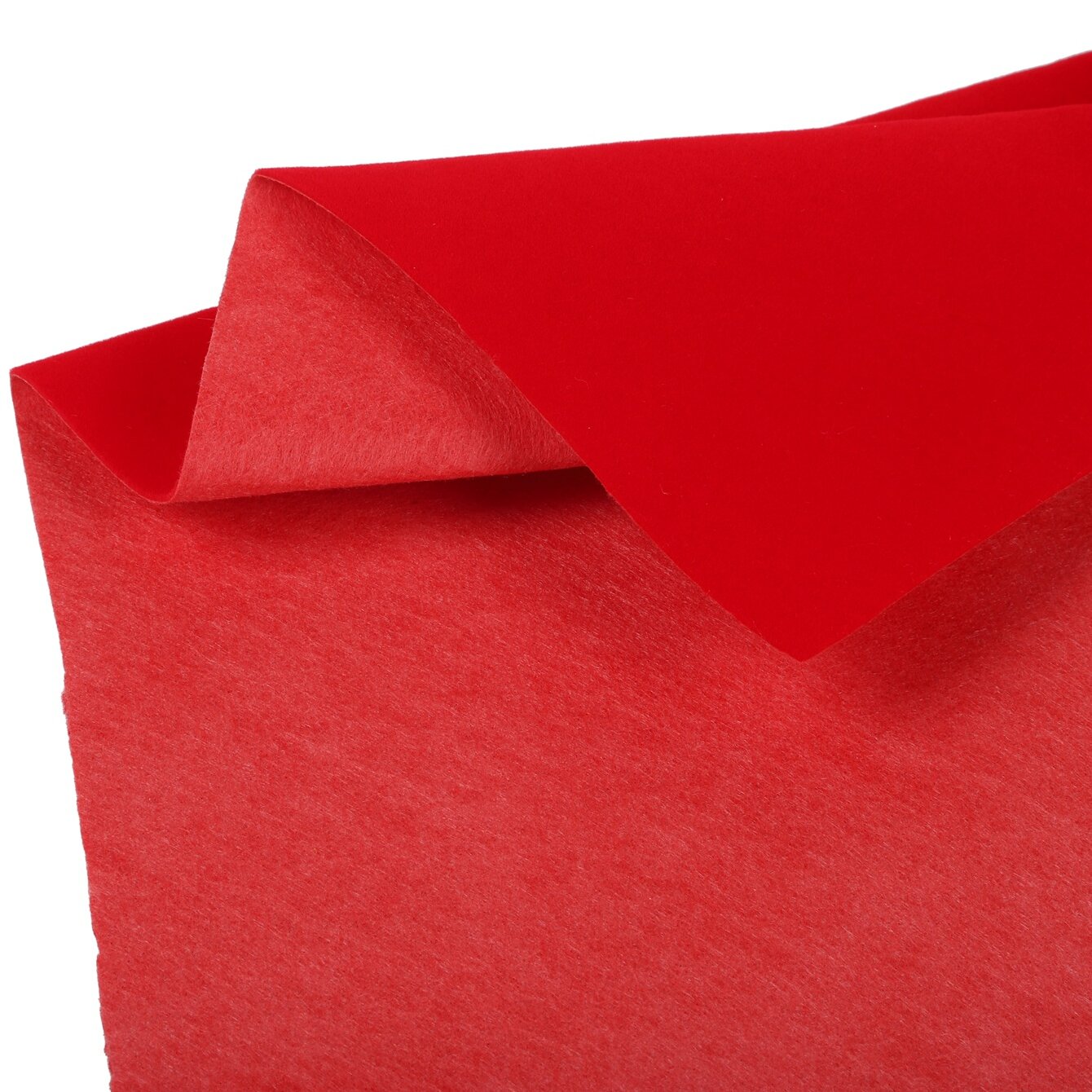
The adhesive system supports the environmental profile of the product. Mingqian uses water-based acrylic flocking adhesives that are solvent-free and contain no phthalate plasticizers or organotin anti-mold agents. The company also states that biodegradable flocking materials are under development, with a target of complete degradation within 180 days.
For jewelry packaging, material selection must address more than softness and price. Mingqian controls free reactive sulfur below 5 parts per million for jewelry-grade applications, maintains aqueous extract pH between 5.5 and 7.5, and conducts a silver coupon accelerated corrosion test for each batch. Dark-colored flocking uses non-sulfur dye systems in this application.
Quality verification covers incoming materials, production monitoring, finished-product testing, and pre-shipment inspection. Tests include color fastness, pile adhesion, peel strength, abrasion resistance, dimensional accuracy, formaldehyde, and azo dyes. The company holds ISO 9001 certification and a Global Recycled Standard certificate for flocking fabrics using recycled polyester and nylon fibers.
Reported cooperation cases include luxury perfume packaging using soft, fine-pile flocking; liquor packaging using knitted-base flocking with embossed texture; and appliance packaging using recycled or flame-retardant flocking composites. These examples show how base fabric, pile, surface treatment, and functional requirements can be combined for different packaging conditions.
Data/Solution Comparison
| Material or configuration | Softness and cost profile | Environmental or sourcing attributes | Typical applications |
|---|---|---|---|
| Spunlace flocking fabric | High softness and delicate hand feel; standard premium option | Compatible with water-based acrylic adhesive systems | Jewelry, eyewear, cosmetic, and watch boxes |
| Nonwoven flocking fabric | Cost-effective, lightweight, and breathable; suitable for cost-controlled packaging | Can use low-sulfur and compliant material specifications | Gift boxes, storage boxes, electronics, and appliance components |
| Cotton-rayon flocking fabric | Soft, natural-fiber profile for premium presentation | Skin-friendly and described as eco-friendly | Premium gift boxes, pouches, and apparel-related decoration |
| GRS recycled polyester or nylon flocking fabric | Softness depends on pile and construction; pricing depends on specifications and volume | GRS certification and Transaction Certificates available upon request | Eco-focused premium packaging and international procurement |
Frequently Asked Questions (FAQ)
Which alternative provides the strongest softness-to-cost balance?
Spunlace provides the softest stated hand feel, while nonwoven is the stated cost-effective option. The suitable balance depends on whether tactile quality or unit-cost control has greater priority.
Can recycled materials be used without changing the flocking process?
GRS-certified recycled polyester and nylon fibers are available for flocking fabric. The final surface performance depends on the selected base fabric, pile type, pile height, color, and finishing requirements.
What is the minimum order for a custom eco-friendly material?
The product information lists an OEM/ODM minimum order quantity of 1,000 yards and a delivery time of 14 days. Standard in-stock products may be ordered from 1 yard, while custom development accepts 50 yards for trial dyeing and sampling.
Final Conclusion & Recommendations
For maximum softness, spunlace flocking fabric is the stated fit for luxury packaging. For lower-cost packaging, nonwoven flocking fabric offers a cost-effective and lightweight base. Cotton-rayon suits natural-fiber positioning, while GRS-certified recycled polyester or nylon supports documented recycled-content sourcing. Mingqian supports OEM/ODM production, ISO 9001 quality management, and GRS-certified recycled-fiber products. Standard flocking fabric starts at 7.5 yuan per yard, with the full range stated as 3 to 20 yuan per yard depending on specifications, customization complexity, and order volume. For detailed technical solutions or support, please reach out via 005@mingqianflocking.com.
About Us
Guangdong Shunde Mingqian Flocking Co., Ltd., operating under the Mingqian brand, is a flocking fabric manufacturer headquartered in Foshan, Guangdong, China. Established in 2008, the company develops, produces, and sells flocking fabrics for packaging decoration and industrial applications. Its production capacity exceeds 3,000,000 yards per month, with five flocking lines. The company holds ISO 9001 certification and Global Recycled Standard certification, and has served clients across multiple industries.
Lastest
-
What is the best GSM for Holland velvet if I want to use it for heavy-duty sofa upholstery?
2026-08-31 -
How do I choose between Holland velvet, suede, and corduroy for commercial sofas?
2026-08-31 -
How do I choose the right electrostatic flocking fabric density for automotive interiors?
2026-08-31 -
How do I choose the right GSM for packaging flocking fabric to avoid shedding?
2026-08-31 -
How do I choose the right density of gift box flocking lining to prevent shedding?
2026-08-31
SUBSCRIBE
INQUIRY