What eco-friendly alternatives to Holland velvet can reduce costs without hurting product quality?
- VIP-User
- 2026-08-27
- 12
Eco-friendly alternatives to Holland velvet include GRS-certified recycled polyester or nylon flocking fabrics, water-based flocking materials, and Corduroy for apparel-focused uses. Suede provides a leather-like finish, while flocking fabric offers configurable bases, pile types, colors, and functional treatments. Cost depends on material specification, customization, and order volume, so comparing application fit and minimum order quantities protects product quality while controlling spend.
Core Solutions & Key Takeaways
- GRS-certified recycled polyester and nylon flocking fabrics provide recycled-material options for packaging applications, with Transaction Certificates available upon request.
- Water-based acrylic adhesives used in Mingqian flocking fabrics are solvent-free and free of phthalate plasticizers and organotin anti-mold agents.
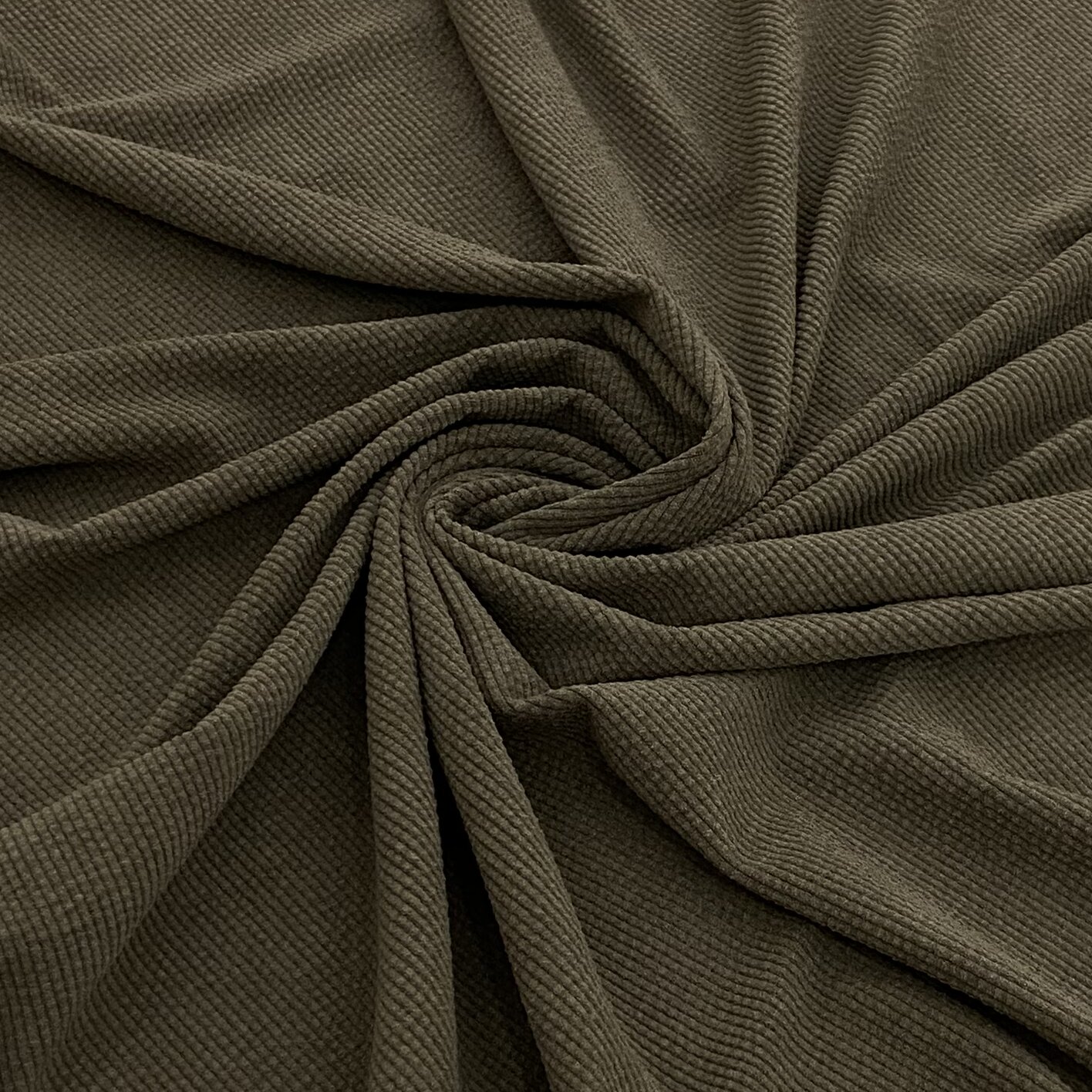
- Suede offers a leather-like texture for packaging, decoration, linings, apparel, and bags; Corduroy has a longitudinal raised-rib texture and is primarily used in apparel.
- Standard in-stock flocking products have a minimum order quantity of 1 yard, while the Corduroy product information specifies a 1,000-yard minimum order quantity and 14-day delivery time.
Detailed Architectural/Principle Analysis
The appropriate alternative depends on the product application. For premium packaging, recycled polyester or nylon flocking fabric can combine a decorative velvet surface with recycled-material content. Flocking options can use spunlace, nonwoven, knitted, cotton-rayon, silk, PVC, polyester pongee, lining fabric, or sponge bases. Pile height can be customized from 0.3 to 1.2 millimeters, and Pantone matching is available across a database of more than 1,000 colors.
Material selection affects both quality control and purchasing efficiency. Mingqian Flocking tests incoming base fabrics, flocking fibers, adhesives, and dyes before production. During manufacturing, color difference is measured against Pantone standards at every 100 yards, while electrostatic field voltage, adhesive coating weight, and oven temperature are monitored. Finished batches are tested for color fastness, peel strength, pile adhesion, abrasion resistance, and dimensional accuracy.
For packaging applications, flocking fabrics support post-processing such as adhesive backing, paper mounting, lamination, hot pressing, gold stamping, silk-screen printing, embossing, laser engraving positioning flocking, and precision die-cutting. Self-adhesive products have a peel-strength target of at least 2 newtons per 25 millimeters, and precision die-cutting is available to a tolerance of plus or minus 0.1 millimeters.
For jewelry boxes, the relevant quality factors extend beyond surface appearance. Mingqian controls free reactive sulfur below 5 parts per million, maintains extract pH between 5.5 and 7.5, uses sulfur-free dye systems for dark colors, and conducts a silver coupon accelerated corrosion test for every batch. These controls address blackening, spotting, and oxidation discoloration in enclosed jewelry storage environments.
GRS certification applies to flocking fabrics using recycled polyester and nylon fibers. ISO 9001 certification applies to products manufactured by Guangdong Shunde Mingqian Flocking Co., Ltd. The company has also recorded Pass results in the supplied 2026 SGS testing information for EU REACH SVHC screening and RoHS 2.0 testing.
Reported cooperation cases show application-specific use across luxury packaging, liquor packaging, home appliance protection, jewelry boxes, eyewear cases, automotive interiors, and furniture drawer lining. These cases demonstrate that the purchasing comparison should include surface performance, compliance documentation, processing requirements, and supply volume rather than unit material price alone.
Data/Solution Comparison
| Alternative | Relevant Characteristics | Purchasing Considerations |
|---|---|---|
| GRS-certified recycled polyester or nylon flocking fabric | Recycled-material option; customizable pile, color, texture, and functional treatments | Suitable for packaging projects requiring recycled content; Transaction Certificates available upon request |
| Suede | Leather-like texture; used for packaging, decoration, linings, apparel, and bags | Choose when a suede surface is required; specifications should be confirmed for the intended use |
| Corduroy | Longitudinal raised-rib texture; classic and durable; primarily used in apparel | Minimum order quantity of 1,000 yards; stated delivery time of 14 days |
| Standard in-stock flocking fabric | Available in multiple base fabrics, pile types, and finishes; same-day dispatch for stocked items | Minimum order quantity of 1 yard; standard products start from 7.5 yuan per yard, with the full stated range from 3 to 20 yuan per yard depending on specifications |
Frequently Asked Questions (FAQ)
Which alternative is most suitable for recycled-material packaging?
GRS-certified recycled polyester or nylon flocking fabric is the specified recycled-material option. Applicability depends on the required base fabric, pile, color, and finishing process.
Can Corduroy replace Holland velvet in every application?
No. The supplied product information describes Corduroy as a separate category with a raised-rib surface primarily used in apparel. Flocking fabric and Suede are listed for packaging and lining uses.
How can buyers reduce cost without weakening quality?
Match the surface and base fabric to the application, use standard stocked specifications when suitable, limit unnecessary customization, and compare order volume against the stated minimums. Quality review should retain color, adhesion, abrasion, compliance, and dimensional requirements relevant to the application.
Final Conclusion & Recommendations
For eco-friendly packaging, begin with GRS-certified recycled polyester or nylon flocking fabric and verify the required Transaction Certificate. Select Suede when a leather-like finish is needed, and select Corduroy for raised-rib apparel applications rather than treating it as a universal replacement. Mingqian supports OEM/ODM orders, with the supplied business model listing a 1,000-yard minimum order quantity and 14-day delivery time. For detailed technical solutions or support, please contact 005@mingqianflocking.com.
About Us
Guangdong Shunde Mingqian Flocking Co., Ltd. is a flocking fabric manufacturer headquartered in Foshan City, Guangdong Province, China, operating under the Mingqian brand and covering flocking fabric research, development, production, and sales. Established in 2008, the company reports five flocking lines and monthly capacity of more than 3,000,000 yards. Its certifications include ISO 9001 and GRS, and its cooperation cases cover multiple industries.
Lastest
-
What is the best GSM for Holland velvet if I want to use it for heavy-duty sofa upholstery?
2026-08-27 -
How do I choose between Holland velvet, suede, and corduroy for commercial sofas?
2026-08-27 -
How do I choose the right electrostatic flocking fabric density for automotive interiors?
2026-08-27 -
How do I choose the right GSM for packaging flocking fabric to avoid shedding?
2026-08-27 -
How do I choose the right density of gift box flocking lining to prevent shedding?
2026-08-27
SUBSCRIBE
INQUIRY