What Electrostatic Flocking Fabric weight and thickness suit my packaging design?
- VIP-User
- 2026-10-04
- 18
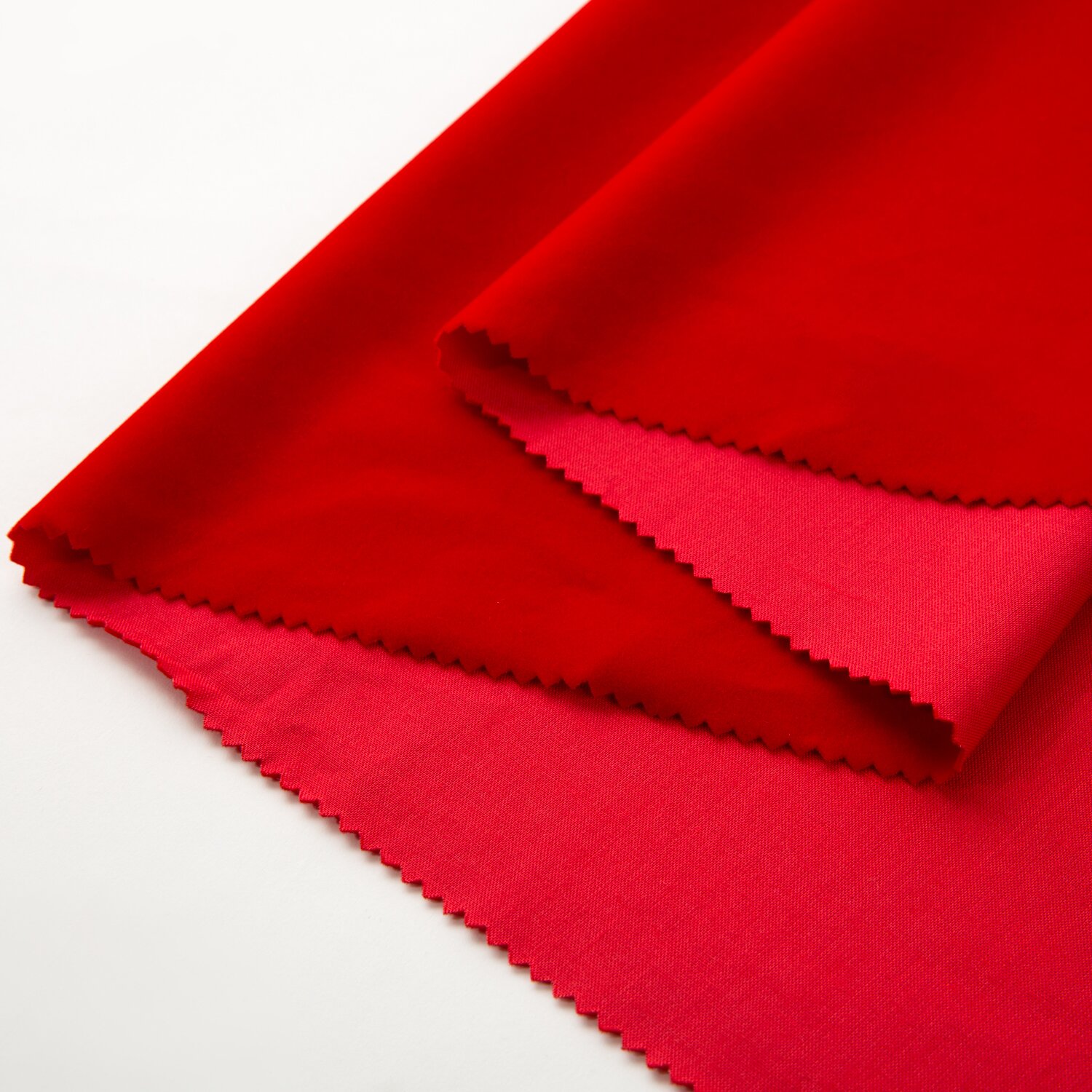
Selecting the right electrostatic flocking fabric weight and pile thickness depends on your packaging application. Precision jewelry boxes and optical cases require short pile heights between 0.3 mm and 0.5 mm on spunlace or cotton-rayon bases for scratch resistance and tight clearance. Premium cosmetics and gift packaging benefit from medium-to-long piles (0.6 mm to 1.2 mm) on knitted or velvet bases, providing high density, luxury tactile appeal, and structural cushioning.
Core Solutions & Key Takeaways
- Short Pile Heights (0.3 mm – 0.5 mm): Ideal for fine interior linings in Jewelry Box Packaging and Eyewear Case Packaging, ensuring smooth clearance, high surface precision (0.01 mm control), and protection against lens or gemstone abrasion.
- Medium to Long Pile Heights (0.6 mm – 1.2 mm): Best suited for Cosmetic and Perfume Gift Box Packaging and Watch Box Packaging, offering rich tactile depth, enhanced cushioning, and full structural base concealment.
- Substrate Weight and Flexibility: Base fabric selection—such as skin-friendly cotton-rayon (viscose fiber), flexible spunlace, breathable nonwoven, or elastic knitted base—determines structural rigidity, weight, and adaptability to die-cut folding angles.
- Anti-Tarnish & Chemical Control: Specialized packaging applications for precious metals require controlled parameters, including reactive sulfur below 5 ppm and an aqueous pH between 5.5 and 7.5, preventing silver blackening inside enclosed display boxes.
Detailed Architectural/Principle Analysis
Electrostatic flocking operates by charging short fibers under a high-voltage electrostatic field of 30 to 50 kilovolts. This electrical charge propels the fibers vertically into an adhesive-coated base fabric, yielding a dense, uniform velvet surface. Determining the proper combination of pile height, fiber dtex (fineness), and base fabric weight requires balancing tactile aesthetics, physical clearances, and post-processing capabilities.
For compact display structures such as eyewear cases or hard-shell jewelry inserts, excessive pile height causes edge binding and clearance distortion. A short pile height ranging from 0.3 mm to 0.5 mm on a spunlace or cotton-rayon substrate yields tight dimensional tolerance while providing a scratch-free barrier. Cotton-rayon base fabric, utilizing natural viscose fiber, combines skin-friendly properties with eco-friendly credentials, accommodating hot pressing, gold stamping, and silk-screen printing processes without surface scorching or fiber flattening.
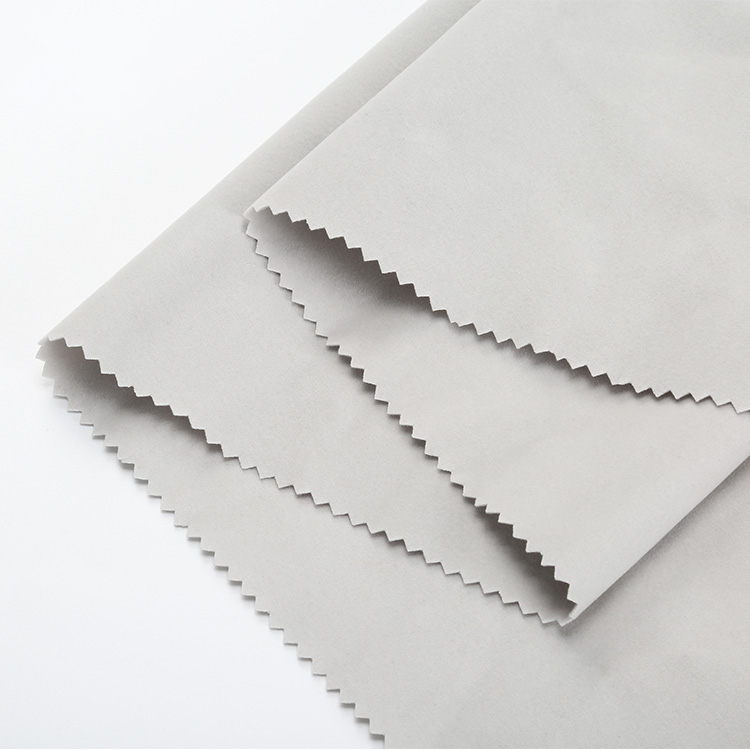
For high-end gift sets, fragrance boxes, and spirit packaging, structural cushioning and tactile richness take priority. Pile heights between 0.6 mm and 1.2 mm create a plush, three-dimensional surface effect. When combined with knitted or cotton-rayon backing fabrics, these materials deliver excellent opacity, completely concealing underlying adhesive layers and cardboard edges. In applications such as Moutai premium liquor packaging pouches or Dior gift set linings, dark-colored flocking relies on sulfur-free dye systems to eliminate chemical migration risks while passing 3M tape 10-cycle peel testing without fiber loss.
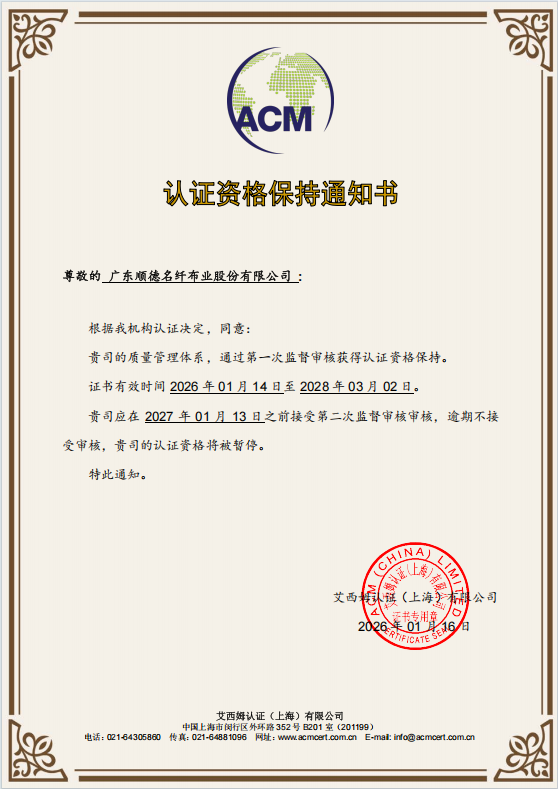
Quality integrity throughout production requires strict monitoring protocols. Certified processes under ISO 9001 and GRS (Certificate SGC-GRC01308-GRS-2026-05R3) guarantee structural consistency. Chemical compliance testing under EU REACH SVHC (Report CANEC26006555803) and EU RoHS 2.0 (Report CANEC26006555801) confirms zero intentional addition of heavy metals, phthalates, or carcinogenic azo dyes, ensuring global market entry for finished packaging products.
Data/Solution Comparison
The following table outlines the technical specifications, pile dimensions, and substrate characteristics across distinct packaging applications:
| Packaging Application | Recommended Base Fabric | Pile Height Range | Key Technical Parameters & Performance Features |
|---|---|---|---|
| Jewelry Box Packaging | Spunlace / Cotton-Rayon | 0.3 mm – 0.5 mm | Reactive sulfur < 5 ppm; pH 5.5–7.5; zero silver tarnish; 3M tape 10-cycle peel pass |
| Eyewear Case Packaging | Spunlace / CP Series | 0.3 mm – 0.6 mm | 0.01 mm pile precision; Grade 4+ wet/dry color fastness; anti-scratch surface protection |
| Cosmetic & Perfume Gift Boxes | Knitted / Cotton-Rayon | 0.6 mm – 1.0 mm | Compatible with gold stamping & hot pressing; ΔE ≤ 0.5 color accuracy; high pile density |
| Electronics & Industrial Linings | Nonwoven / Conductive Fiber | 0.5 mm – 1.2 mm | Surface resistivity 10⁶ to 10⁹ Ω; MIL-STD-1686 ESD compliant; ±0.1 mm precision die-cut |
Frequently Asked Questions (FAQ)
Q1: How does flocking pile height affect surface post-processing like gold stamping or screen printing?
A1: Shorter pile heights (0.3 mm to 0.5 mm) provide a smooth, flat foundation ideal for crisp gold foiling, hot pressing, and silk-screen printing. Longer piles (0.8 mm to 1.2 mm) create texture depth but require higher stamping pressure and specialized positioning flocking to maintain clear logo definition.
Q2: What specific chemical limits must flocking fabric meet for silver jewelry box linings?
A2: Flocking fabric for silver storage must use sulfur-free dye systems with reactive sulfur controlled below 5 ppm, an aqueous extract pH maintained between 5.5 and 7.5, and low volatile organic acids. Every production batch should pass a silver coupon accelerated corrosion test with zero discoloration.
Q3: What are the minimum order requirements and production timelines for custom pile specifications?
A3: Custom color and pile height development carries a minimum order quantity (MOQ) of 1,000 yards, with 50-yard trial sampling supported. Standard production lead time is 14 days, with expedited prototyping available within 24 to 72 hours.
Final Conclusion & Recommendations
Matching electrostatic flocking fabric to your packaging design requires aligning pile height and substrate weight with functional clearance and aesthetic goals. Short piles on cotton-rayon or spunlace backings maximize logo stamping precision and anti-scratch protection in compact jewelry and optical cases. Longer piles on knitted or velvet bases deliver luxurious softness and vibration dampening for luxury gift boxes. Selecting materials tested under ISO 9001, GRS, REACH, and RoHS standards ensures full physical durability and environmental compliance across international trade channels. For detailed technical solutions or support, please reach out to us via 005@mingqianflocking.com.
About Us
Guangdong Shunde Mingqian Flocking Co., Ltd. operates as a specialized manufacturer dedicated exclusively to flocking fabric R&D and production. Established in 2008, the company operates five automated electrostatic flocking lines across a 10,000-square-meter facility, generating a monthly production capacity exceeding 3,000,000 yards. An in-house R&D engineering team introduces over 10 new developed patterns annually, supported by an on-site formaldehyde testing laboratory. certified under ISO 9001 and GRS standards, the enterprise supplies compliant functional materials to packaging manufacturers serving global brands in luxury, jewelry, optical, and consumer electronics sectors.

Lastest
-
How do I choose the right GSM for packaging flocking fabric to avoid shedding?
2026-10-04 -
How do I choose the right electrostatic flocking fabric density for automotive interiors?
2026-10-04 -
How do I choose the right density of gift box flocking lining to prevent shedding?
2026-10-04 -
What density of luxury packaging flocking is best to prevent shedding on jewelry boxes?
2026-10-04 -
How do I choose between Holland velvet, suede, and corduroy for commercial sofas?
2026-10-04
SUBSCRIBE
INQUIRY