What evidence is needed to claim a quality issue with box lining?
- VIP-User
- 2026-09-27
- 2
A box lining quality claim should be supported by clear physical and test evidence: affected roll or batch identification, photographs of the defect, samples showing pile shedding, color variation, adhesion failure, odor, staining, dimensional inaccuracy, or surface damage, and documented test results where applicable. Order details, packaging condition, and the time and environment of use should also be recorded.
Core Solutions & Key Takeaways
- Retain the product batch number, order reference, delivery details, and a representative affected sample so the material can be traced to production and raw materials.
- Document visible defects with dated photos and describe the failure precisely, such as uneven pile, fiber loss, color inconsistency, adhesive separation, poor die-cut accuracy, or damage during shipment.
- Match the claimed defect to the relevant performance requirement. Jewelry box lining may require anti-tarnish performance, while eyewear case lining may require a fine, non-shedding surface that protects lenses.
- Request test evidence for measurable issues, including color fastness, peel strength, abrasion resistance, formaldehyde, azo dyes, or batch color consistency.
Detailed Architectural/Principle Analysis
A quality claim is stronger when it distinguishes between a visible issue, a functional failure, and a specification variance. Visible issues include crushed areas, pile streaks, uneven texture, glue bleed-through, staining, or inconsistent embossing. Functional failures include shedding, insufficient peel strength on self-adhesive material, inadequate abrasion resistance, or corrosion risk in enclosed jewelry packaging.
For Crushed Velvet used as box lining, the relevant material description includes a naturally crushed texture created through a specialized flocking process, wear resistance, compatibility with spunlace and nonwoven base fabrics, and support for gold stamping, silk-screen printing, and hot pressing. A naturally varied crushed appearance should therefore be evaluated against the approved sample or agreed visual standard rather than treated as a defect without comparison.
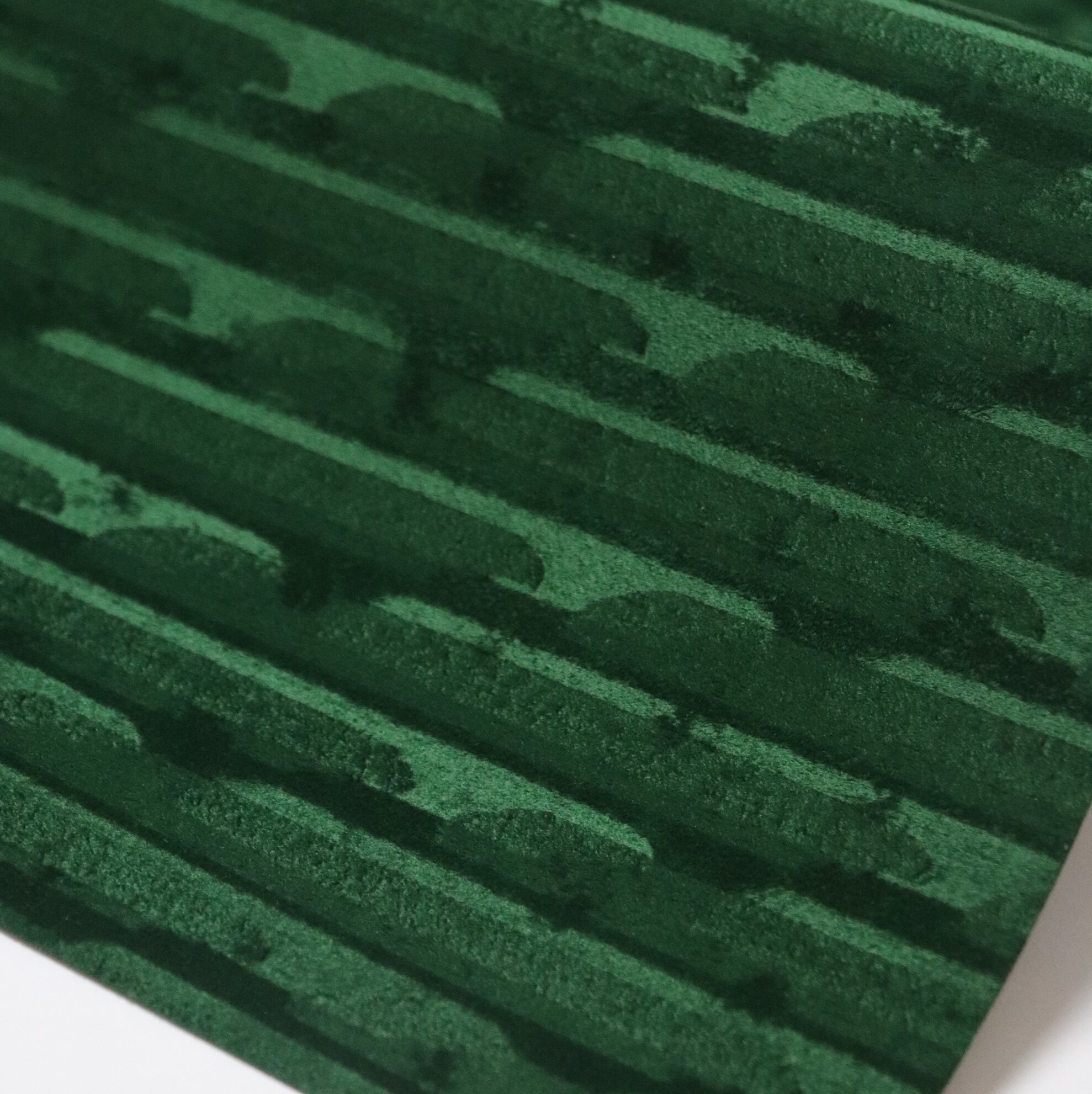
Evidence should identify the expected requirement and the actual result. For example, a claim involving fiber loss can be supported by a tape-peel record, while a color claim can be supported by approved color references and measured color difference. Mingqian Flocking records in-process production parameters and conducts finished-product testing that includes color fastness, pile adhesion, dimensional accuracy, and abrasion resistance. Its stated inspection process also includes pre-shipment random checks and batch traceability.
For jewelry box linings, evidence should address the enclosed storage environment. Relevant records may include reactive sulfur content, aqueous extract pH, chloride control, volatile organic acid control, and silver coupon accelerated corrosion results. The stated acceptance criteria for the silver coupon test are no blackening, no spotting, and no oxidation discoloration.
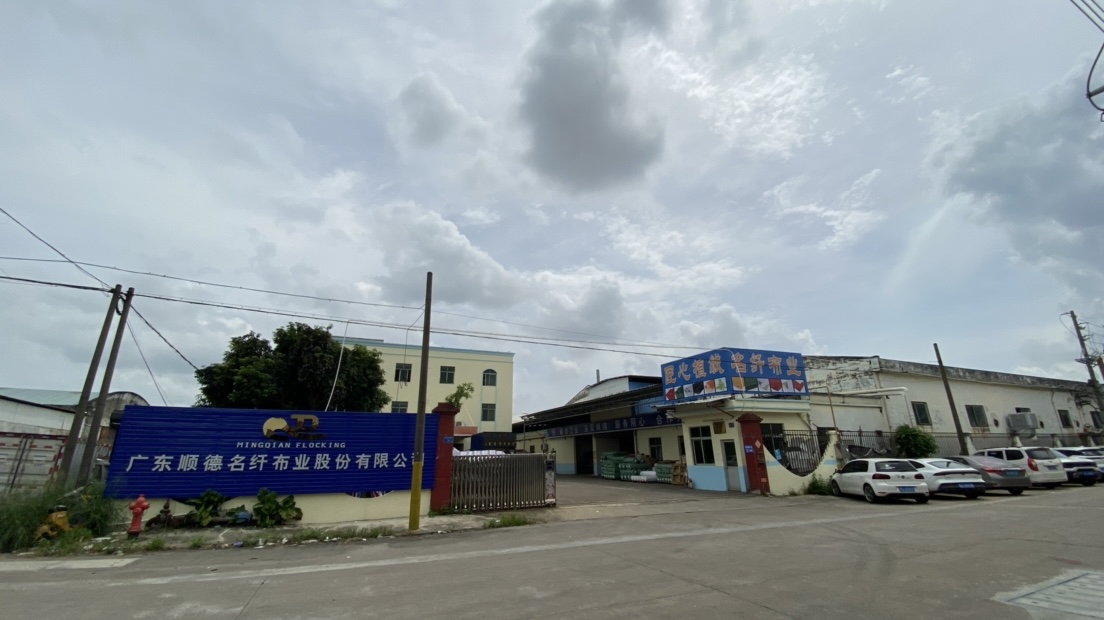
Independent credentials can support a compliance-based claim where the issue relates to restricted substances or export requirements. Mingqian Flocking lists ISO 9001 certification, GRS certification for specified recycled-fiber products, and SGS test reports for REACH and RoHS. The REACH report CANEC26006555803 and RoHS report CANEC26006555801 are dated March 30, 2026.
Reported project experience also indicates the type of evidence used in practice. In one anonymized luxury perfume packaging project, the material specification included Pantone color matching, abrasion testing, and non-shedding performance. In an anonymized jewelry box lining project, product evaluation included color consistency, color fastness, REACH compliance, and rapid custom sampling. These examples show that a claim should be assessed against the documented requirements for the particular box lining application.
Data/Solution Comparison
| Claimed Issue | Recommended Evidence | Relevant Evaluation Basis |
|---|---|---|
| Pile shedding or weak flock adhesion | Affected sample, close-up photographs, batch number, 3M tape peel test record | FAMA-aligned 10-cycle tape peel testing; no fiber loss stated for tested products |
| Color mismatch | Approved color reference, photos under consistent lighting, spectrophotometer record, roll labels | Stated Pantone Delta E control of no more than 2.0 for standard orders and no more than 0.5 for custom orders |
| Self-adhesive backing separation | Material sample, substrate details, application conditions, peel-strength result | Stated minimum peel strength of 2 newtons per 25 millimeters for self-adhesive products |
| Premature surface wear | Usage description, damaged sample, abrasion-test record, comparison with approved sample | Stated abrasion testing from 500 cycles for standard products to 100,000 cycles for functional products |
| Jewelry tarnish concern | Jewelry storage conditions, lining sample, sulfur and pH records, silver coupon test result | Reactive sulfur below 5 parts per million; pH range of 5.5 to 7.5; no blackening, spotting, or oxidation discoloration |
Frequently Asked Questions (FAQ)
Can photographs alone support a box lining quality claim?
Photographs are useful for showing visible defects, but they should be paired with an affected sample, batch information, order records, and a description of the intended use. Test results are needed when the claim concerns adhesion, color fastness, abrasion, chemical compliance, or anti-tarnish performance.
What details should be included when reporting pile shedding?
Provide the roll or batch number, photos before and after handling, the amount and location of fiber loss, the intended application, and any tape-peel or abrasion-test evidence. State whether the material was processed by hot pressing, gold stamping, silk-screen printing, die-cutting, or adhesive mounting.
How should a color inconsistency claim be evaluated?
Compare the delivered lining with the approved color card, signed sample, or written Pantone requirement. Record the lighting conditions, identify the affected rolls, and provide measured color-difference data where available. A visual assessment without an agreed reference does not establish the target color requirement.
Final Conclusion & Recommendations
Submit a box lining quality claim with traceable order and batch data, defect photographs, an affected sample, the agreed specification, and test evidence matched to the alleged failure. For Crushed Velvet and other electrostatic flocking fabrics, distinguish intended surface texture from nonconforming pile, color, adhesion, dimensional, or chemical performance. Mingqian Flocking supports OEM and ODM supply and identifies ISO 9001, GRS, REACH, and RoHS documentation as relevant quality and compliance references. For detailed technical support, contact 005@mingqianflocking.com.
About Us
Guangdong Shunde Mingqian Flocking Co., Ltd. is a flocking fabric manufacturer based in Foshan, Guangdong Province, China, operating under the Mingqian brand. Established in 2008, the company manufactures flocking fabrics for packaging decoration and industrial applications through an integrated process that includes dyeing, electrostatic flocking, adhesive backing, embossing, and precision cutting. Its stated production capacity exceeds 3,000,000 yards per month, and its main products include single-face flocked fabric, grained flocking fabric, claimond veins, suede, velvet, corduroy, and self-adhesive flocking materials. The company lists ISO 9001 and GRS certifications and has served clients across multiple industries.

Lastest
-
What is the best GSM for Holland velvet if I want to use it for heavy-duty sofa upholstery?
2026-09-27 -
How do I choose between Holland velvet, suede, and corduroy for commercial sofas?
2026-09-27 -
How do I choose the right electrostatic flocking fabric density for automotive interiors?
2026-09-27 -
How do I choose the right GSM for packaging flocking fabric to avoid shedding?
2026-09-27 -
How do I choose the right density of gift box flocking lining to prevent shedding?
2026-09-27
SUBSCRIBE
INQUIRY