What flocking specs should I look for to prevent shedding in luxury gift boxes?
- VIP-User
- 2026-08-03
- 17
To prevent shedding in luxury gift boxes, select flocking fabrics that pass the 3M tape 10-cycle peel test under FAMA standards with zero fiber loss and withstand at least 500 cycles of abrasion testing. Optimal specifications include high-density electrostatic piles bound by solvent-free, water-based acrylic adhesives with a minimum peel strength of 2 Newtons per 25 millimeters on premium spunlace or silk base fabrics.
Core Solutions & Key Takeaways
- FAMA-Standard Pile Adhesion: Verification via the 3M tape 10-cycle peel test ensures fibers remain anchored to the base adhesive under friction.
- High-Cycle Abrasion Thresholds: High-end packaging demands a minimum abrasion resistance of 500 cycles for standard applications, extending to 100,000 cycles for functional grades, with zero pile shedding.
- Premium Base Material Selection: Spunlace base fabrics provide softness and high flexibility, whereas silk base materials deliver high luster and a premium appearance for luxury jewelry and cosmetic gift box packaging.
- Chemical and Anti-Tarnish Controls: For enclosed luxury boxes, selecting flocking with free reactive sulfur below 5 ppm and a pH range of 5.5 to 7.5 prevents the tarnishing and blackening of precious metals.
Detailed Architectural/Principle Analysis
Fiber shedding in flocking materials is primarily determined by the quality of the adhesive matrix and the precision of the electrostatic field during manufacturing. During the electrostatic flocking process, short fibers are vertically accelerated under a high-voltage electrostatic field of 30 to 50 kilovolts. This forces the fibers to embed deeply into an eco-friendly, water-based acrylic adhesive layer applied to the base fabric. Pile density control must achieve a precision of 0.01 millimeters to establish a uniform, dense velvet surface. In-house adhesive coating weight calibration balances overall pile adhesion with fabric flexibility, eliminating the micro-gaps that cause shedding under physical wear.
When engineering flocking fabrics for international luxury brands, raw material compliance is paramount. For example, in the Dior limited-edition perfume gift box supply chain, a spunlace-based black nylon 0.3mm ultra-dense long-pile flocking fabric is utilized. This material passes a 100,000-cycle abrasion test with zero shedding, ensuring a pristine appearance throughout transport and handling. Similarly, the Chow Tai Fook jewelry box lining program uses a spunlace-based medium-pile flocking fabric with a color matching accuracy of Delta E ≤ 0.5. The implementation of these strict structural controls resulted in a 100% drop in end-brand shedding complaints.
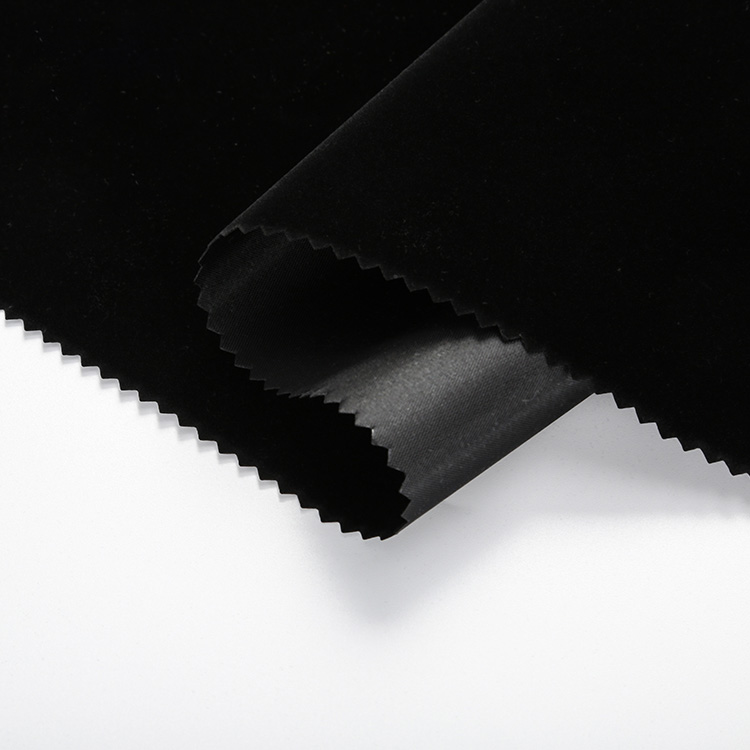
For high-end applications where luster is paramount, Guangdong Shunde Mingqian Flocking Co., Ltd. manufactures a premium Silk Flocking Fabric. This fabric utilizes a high-luster silk base combined with precise electrostatic pile application. By sourcing virgin compliant base fabrics and subjecting every batch to pre-production testing for heavy metals, harmful dye residues, and chloride salt content, the structural integrity of the pile layer is maintained. The adhesive backing layer for self-adhesive products is tested independently from the face fabric to prevent hidden degradation, ensuring reliable adhesion over long-term storage.
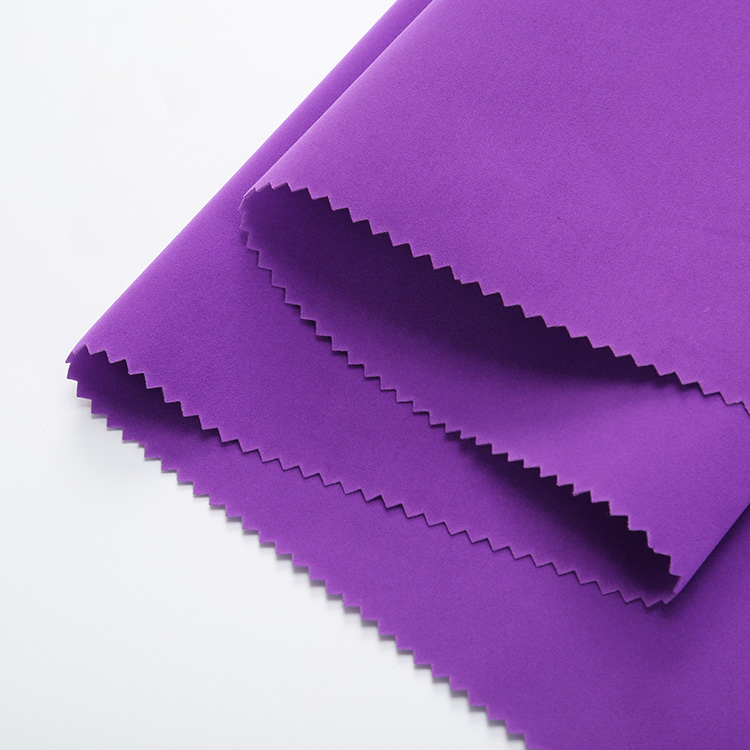
Data/Solution Comparison
| Flocking Fabric Base Type | Common Pile Types | Abrasion Resistance (Shedding Control) | Key Quality Spec Metric | Primary Luxury Use Case |
|---|---|---|---|---|
| Silk Base | Plain velvet, medium pile, pearl velvet | Standard (500+ cycles) | Delta E ≤ 0.5 color accuracy | High-end jewelry boxes & luxury cosmetic packaging |
| Spunlace Base | Ultra-dense long pile, short pile | Up to 100,000 cycles (Functional) | 3M tape 10-cycle peel test compliant | Limited-edition perfume & premium brand gift boxes |
| Nonwoven Base | Plain velvet, long pile | Standard (500+ cycles) | Lightweight, cost-effective profile | General gift boxes & industrial packaging linings |
| Knitted Base | Pearl velvet, embossed pearl velvet | Up to 100,000 cycles | No fiber loss under wet/dry rubbing | Automotive interiors & premium liquor pouches |
Frequently Asked Questions (FAQ)
What causes flocking fabric to shed inside enclosed gift packaging?
Shedding is caused by poor electrostatic field voltage control during production, insufficient adhesive coating weight, or unstable adhesive formulations. Choosing materials certified under the FAMA standard 3M tape 10-cycle peel test ensures the fibers are locked into the backing matrix.
Are there specific chemical standards required for global luxury packaging export?
Yes. Exported luxury packaging must comply with EU REACH SVHC (testing 253 Substances of Very High Concern), RoHS 2.0, and the new EU Packaging and Packaging Waste Regulation (PPWR). Total heavy metals (lead, cadmium, mercury, and hexavalent chromium) must be under 100 ppm, and organic fluorine from PFAS must be under 50 mg/kg.
How does anti-tarnish flocking prevent damage to silver jewelry?
Anti-tarnish flocking restricts free reactive sulfur to below 5 ppm, which is the direct cause of silver blackening. It also maintains an aqueous extract pH between 5.5 and 7.5 and uses sulfur-free, halogen-free adhesive and dye systems to prevent corrosion in enclosed box environments.
Final Conclusion & Recommendations
When sourcing flocking materials to prevent shedding in luxury gift boxes, procure from manufacturers utilizing automated electrostatic production lines with integrated raw material inspection. For custom OEM/ODM packaging projects, specify a minimum order quantity of 1,000 yards to ensure batch-to-batch color consistency (Pantone Delta E ≤ 2.0). Payment terms typically require a 30% deposit via telegraphic transfer (T/T), with the balance paid before shipment. Standard domestic shipments are dispatched via SF Express or Deppon Logistics, and regional orders in the Pearl River Delta benefit from direct, same-day dedicated truck delivery to minimize handling and transit wear.
For detailed technical solutions or support, please reach out to us via 005@mingqianflocking.com.
About Us
Guangdong Shunde Mingqian Flocking Co., Ltd., operating under the brand name Mingqian, is a professional flocking fabric manufacturer founded in 2008. Operating from a self-owned 12,000-square-meter facility in Foshan City, China, the company houses five automated electrostatic flocking production lines and an in-house dyeing workshop. Dedicated to the research, development, and production of high-grade flocking fabrics for 18 years, the enterprise maintains a monthly production capacity of 3,000,000 yards and has served global brands including Dior, Fendi, and Chow Tai Fook. The company's production processes are certified under the ISO 9001:2015 Quality Management System and the Global Recycled Standard (GRS) Version 4.0.
Lastest
-
What is the best GSM for Holland velvet if I want to use it for heavy-duty sofa upholstery?
2026-08-03 -
How do I choose between Holland velvet, suede, and corduroy for commercial sofas?
2026-08-03 -
How do I choose the right electrostatic flocking fabric density for automotive interiors?
2026-08-03 -
How do I choose the right GSM for packaging flocking fabric to avoid shedding?
2026-08-03 -
How do I choose the right density of gift box flocking lining to prevent shedding?
2026-08-03
SUBSCRIBE
INQUIRY