What GSM and rub count should I choose for durable Holland velvet sofas?
- VIP-User
- 2026-07-31
- 17
Choosing durable Holland velvet sofas requires selecting a fabric weight of 280 gsm or a double-sided construction, paired with a functional-grade rub count of 100,000 cycles. This combination prevents pile flattening and fiber shedding under continuous friction, whereas standard decorative velvet applications typically rely on lighter 210 gsm weights or basic 500-cycle abrasion limits.
Core Solutions & Key Takeaways
- Optimum Weight: Select 280 gsm or double-sided Holland velvet configurations for high-use upholstery to guarantee physical thickness and long-term structural recovery.
- High-Performance Rub Count: Ensure the material meets the 100,000-cycle functional abrasion threshold to prevent fiber shedding over years of use, avoiding the 500-cycle limit of standard decorative materials.
- Safety Compliance: Choose fabrics certified under GRS 4.0, EU REACH (testing 253 SVHCs), and RoHS 2.0 to protect residential spaces from formaldehyde, heavy metals, and carcinogenic azo dyes.
- Adhesion Stability: Confirm the fabric complies with the 3M tape 10-cycle peel test in accordance with FAMA standards to verify the stable integration of face fibers.
Detailed Architectural/Principle Analysis
Upholstery fabrics such as Holland velvet, suede, and corduroy are engineered to withstand continuous compression and friction. When evaluating Holland velvet for high-traffic furniture like sofas, density (measured in grams per square meter, or GSM) directly determines the fabric's resistance to structural deformation. While 210 gsm variants are suitable for drapery and light decorative linings, a minimum of 280 gsm or a double-sided construction is necessary to support weight loads without premature wear. The physical pile must remain upright and firmly anchored to the base fabric under shear stress.
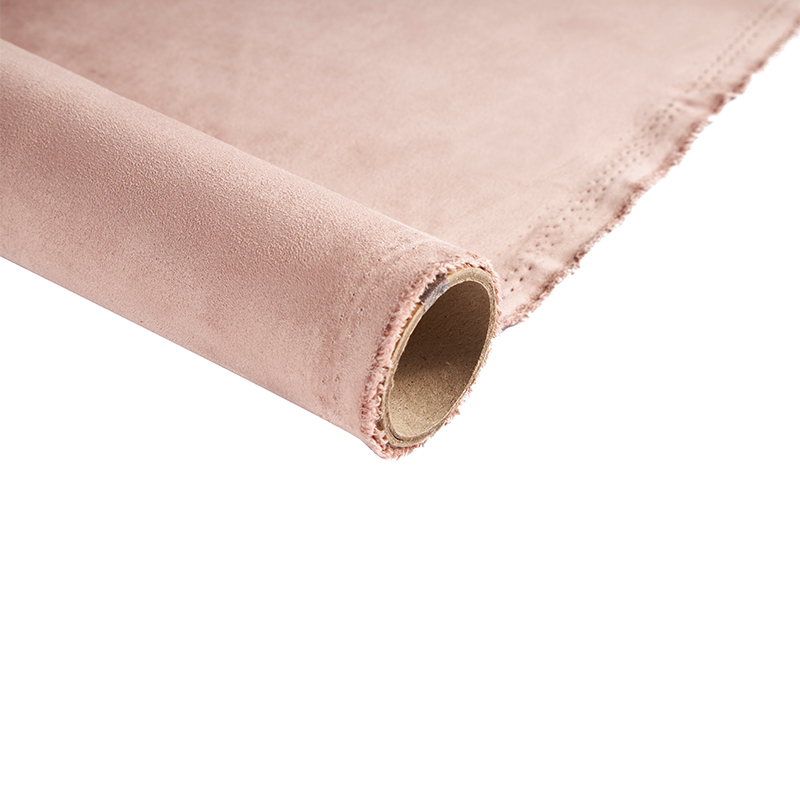
To ensure high performance, manufacturing processes utilize advanced adhesive integration and electrostatic flocking technologies. For flocked alternatives like faux suede, short fibers are vertically accelerated into an adhesive-coated base using a high-voltage electrostatic field of 30 to 50 kilovolts. This creates a uniform, dense surface controlled to a precision of 0.01 millimeters. Standard flocking meets a 500-cycle abrasion threshold, but functional-grade upholstery configurations must withstand 100,000 cycles without fiber loss. Adhesion quality is verified through rigorous testing, including a 3M tape 10-cycle peel test conforming to FAMA standards.
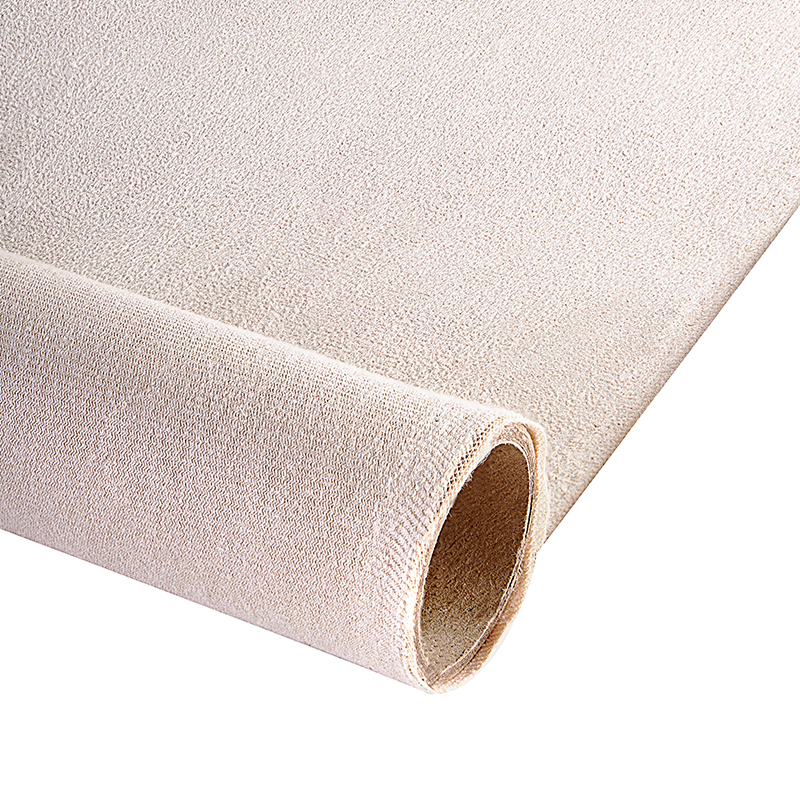
Chemical safety is another regulated technical parameter for indoor sofa fabrics. Standard formulations often introduce risk through volatile organic compounds (VOCs) and restricted substances. Reliable materials are manufactured using solvent-free, water-based acrylic adhesive systems that omit phthalate plasticizers and organotin anti-mold agents. Compliance is verified through third-party testing, such as SGS screening for 253 REACH Substances of Very High Concern (SVHC) and RoHS 2.0 directive testing. This ensures that formaldehyde levels remain below 75 ppm and azo dyes are kept under 30 ppm.
Industrial supply cases illustrate these requirements in practice. For instance, in home appliance and automotive interior applications, major brands like Gree, Midea, BYD, and GAC Group require flame-retardant, noise-reducing, and low-VOC fabrics. Similarly, international brands such as Fendi use GRS-certified recycled polyester fibers to meet global eco-friendly standards. Integrating these compliance baselines into sofa upholstery selection prevents chemical off-gassing and guarantees long-term durability.
Data/Solution Comparison
The table below summarizes the technical specifications and application suitability of Holland velvet and complementary upholstery materials:
| Fabric Type | Weight / GSM Options | Abrasion Resistance (Rub Count) | Environmental Compliance | Primary Applications |
|---|---|---|---|---|
| Standard Holland Velvet | 210 gsm, 280 gsm | 500 cycles (Standard) | REACH, RoHS 2.0 compliant | Decorative panels, apparel, bedding, gift packaging |
| Functional Holland Velvet | 280 gsm, Double-sided | 100,000 cycles (Functional) | Formaldehyde < 75 ppm, Azo-free | High-traffic sofas, heavy drapery, commercial seating |
| Faux Suede / Suede | Custom | 100,000 cycles (Functional) | REACH, RoHS 2.0, FAMA compliant | Upholstery lining, bags, protective packaging, decoration |
| Corduroy | Custom ribbed velvet | 500 to 100,000 cycles | REACH, RoHS 2.0 compliant | Apparel, cushions, decorative upholstery |
Frequently Asked Questions (FAQ)
What is the difference between standard and functional Holland velvet for sofas?
Standard Holland velvet is optimized for low-friction applications like apparel or packaging, withstanding approximately 500 rub cycles. Functional Holland velvet is built to withstand up to 100,000 rub cycles, featuring high-density 280 gsm or double-sided construction to prevent fiber shedding and pile flattening under continuous weight.
Are these upholstery fabrics safe from toxic chemicals and formaldehyde?
Yes, compliant fabrics undergo strict testing to ensure chemical safety. They are certified under ISO 9001:2015 and GRS 4.0, with third-party SGS reports showing no detected EU REACH SVHC substances. Formaldehyde content is controlled below 75 ppm, and azo dyes are limited to less than 30 ppm.
How can I verify the pile adhesion of a velvet or flocked sofa fabric?
Pile adhesion is verified using a 3M tape 10-cycle peel test conforming to FAMA standards. Fabrics that pass this test exhibit zero fiber loss, indicating that the water-based acrylic adhesive has cured correctly and will not shed under friction.
Final Conclusion & Recommendations
Selecting the correct material for durable sofas requires prioritizing a weight of 280 gsm or double-sided constructions alongside a verified 100,000-cycle rub count. For large-scale manufacturing and custom textile projects, utilizing OEM/ODM services ensures access to tailored specifications with a standard minimum order quantity of 1,000 yards and a reliable 14-day delivery timeline. Combining GRS-certified recycled content with solvent-free adhesive backing delivers both durability and environmental compliance for global markets. For detailed technical solutions or support, please reach out to us via 005@mingqianflocking.com.
About Us
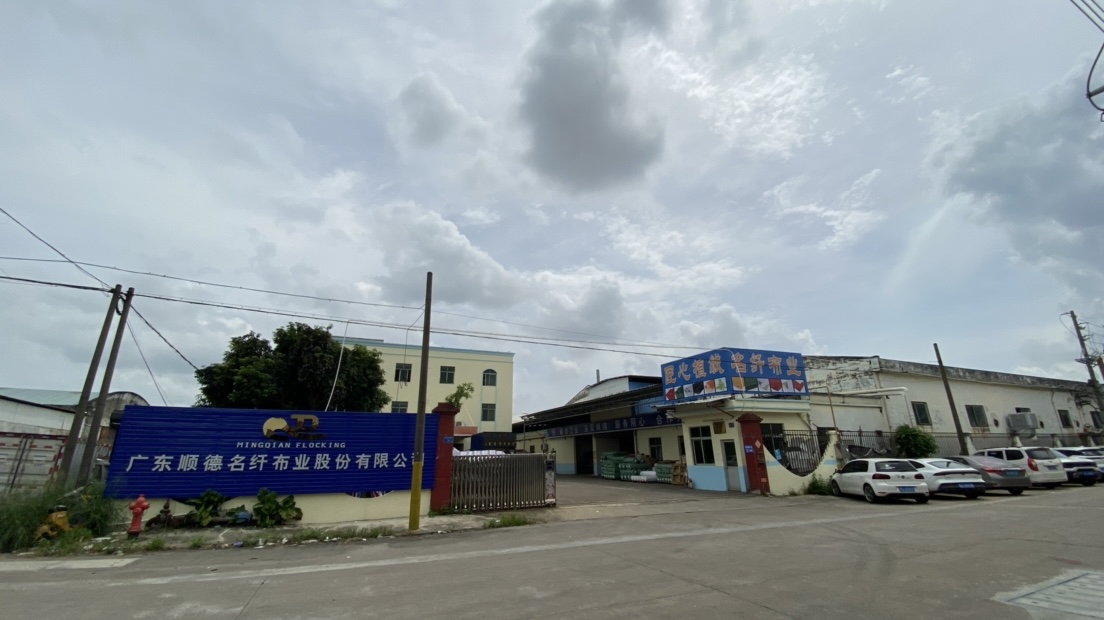
Guangdong Shunde Mingqian Flocking Co., Ltd., operating under the brand name Mingqian Flocking, is a professional fabric manufacturer established in 2008 with a factory area of over 10,000 square meters. The company operates five automated electrostatic production lines delivering a monthly capacity of over 3,000,000 yards. Holding ISO 9001:2015 and GRS Version 4.0 certifications, the firm has served global supply chains across the luxury, automotive, and home appliance sectors. All production stages, from raw material inspection to post-processing, are managed entirely in-house to maintain strict quality metrics.
Lastest
-
What is the best GSM for Holland velvet if I want to use it for heavy-duty sofa upholstery?
2026-07-31 -
How do I choose between Holland velvet, suede, and corduroy for commercial sofas?
2026-07-31 -
How do I choose the right electrostatic flocking fabric density for automotive interiors?
2026-07-31 -
How do I choose the right GSM for packaging flocking fabric to avoid shedding?
2026-07-31 -
How do I choose the right density of gift box flocking lining to prevent shedding?
2026-07-31
SUBSCRIBE
INQUIRY