What GSM density is best for long pile frosted velvet fabric in home textiles?
- VIP-User
- 2026-08-07
- 19
The optimal GSM density for long pile frosted velvet fabric in home textiles and high-end lining applications ranges between 210 GSM and 280 GSM. This weight balance provides optimal tactile softness, structural durability, and superior pile resilience, preventing fiber crushing while ensuring seamless bonding with base fabrics during lamination and post-processing.
Core Solutions & Key Takeaways
- 210 GSM to 280 GSM Range: Delivers maximum pile density and smooth hand feel without adding excessive bulk, preventing creasing during die-cutting and lamination.
- Substrate Compatibility: Pairs effectively with spunlace, knitted, cotton-rayon, and silk base fabrics to match specific strength and flexibility requirements.
- High Wear Resistance: Meets up to 100,000 cycles on abrasion resistance tests without fiber shedding, fulfilling both industrial and decorative requirements.
- Eco-Compliant Formulations: Water-based acrylic adhesives ensure complete compliance with EU REACH 253 SVHC and RoHS 2.0 standards, maintaining zero volatile organic compound (VOC) risks in enclosed packaging and home environments.
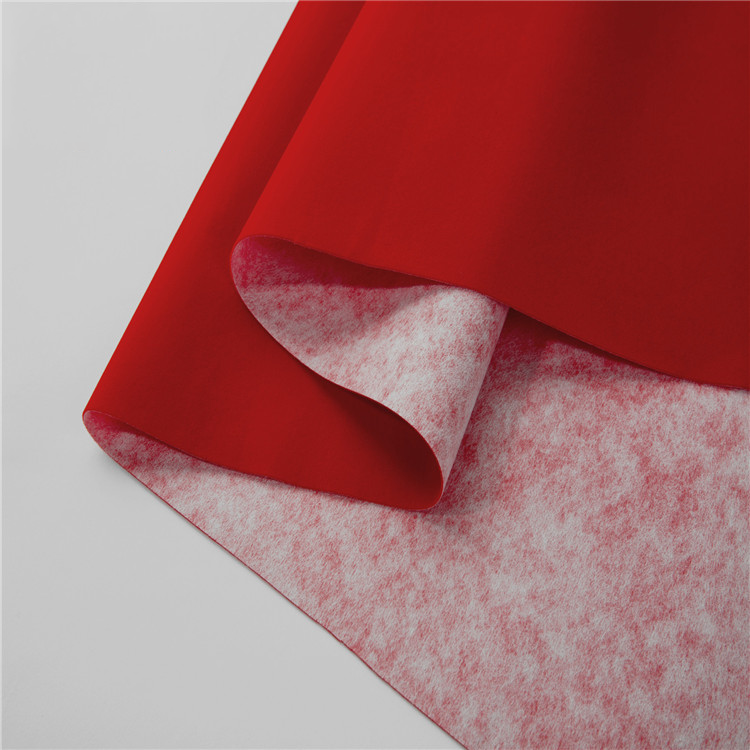
Detailed Architectural/Principle Analysis
Selecting the correct material specification for long pile frosted velvet fabric requires understanding fiber arrangement and electrostatics. Technical fabric design executed by Guangdong Shunde Mingqian Flocking Co., Ltd. utilizes high-voltage electrostatic fields ranging from 30 to 50 kilovolts. Short fibers accelerate vertically into a water-based adhesive-coated base fabric, producing a uniform, dense velvet surface. Maintaining pile density at a precision of 0.01 millimeters ensures that long pile frosted velvet and pearl velvet finishes resist flattening under compressive stress.
For home textile and packaging applications, substrate selection dictates functional performance. Spunlace base fabric offers high flexibility and softness suitable for complex three-dimensional contours, while knitted bases provide superior elasticity. Cotton-rayon natural fiber blends are skin-friendly, and silk base fabrics deliver elevated luster for luxury packaging. During post-processing, materials can undergo self-adhesive backing, hot pressing, gold stamping, silk-screen printing, and laser-engraved positioning flocking with precision die-cutting tolerances held within plus or minus 0.1 millimeters.
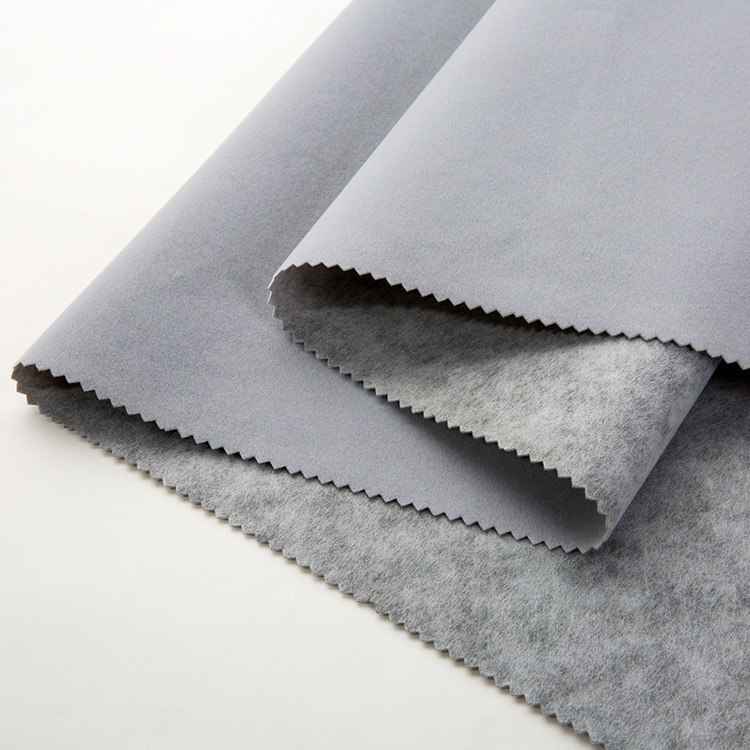
Quality control operates across a four-stage process. Raw material testing verifies adhesive monomer levels, while in-process spectrophotometer checks ensure color matching within a Pantone Delta E of no more than 2.0 for standard batches and no more than 0.5 for custom projects. Finished products undergo 3M tape 10-cycle peel testing in accordance with FAMA standards, color fastness evaluations reaching Grade 4 for deep colors (wet/dry) and Grade 6 for light exposure, and in-house formaldehyde testing guaranteeing levels under 75 parts per million.
Data/Solution Comparison
The following table outlines technical performance parameters across distinct velvet fabric series and processing options available for packaging and industrial applications:
| Series / Fabric Type | Standard Roll Dimension | Base Fabric Options | Abrasion Resistance | Primary Application Scenarios |
|---|---|---|---|---|
| 31 Series (Plain Velvet) | 58 in x 50 yds | Spunlace, Cotton-Rayon | 500 to 100,000 cycles | Gift box interiors, jewelry trays |
| 61 Series (Smooth Finish) | 58 in x 50 yds | Spunlace, Silk, Knitted | 500 to 100,000 cycles | Luxury box interiors and exteriors |
| CP Series (Frosted / Long Pile) | 58 in x 100 yds | Nonwoven, Knitted, PVC | 100,000 cycles (Functional) | Eyewear cases, furniture drawer lining |
| W Series (High Concealment) | 59 in x 100 yds | Lining Fabric, Polyester Pongee | 500 to 10,000 cycles | Cost-effective packaging, storage boxes |
Frequently Asked Questions (FAQ)
Q1: What substrate works best for long pile frosted velvet fabric in high-flexibility applications?
A1: Spunlace and knitted base fabrics provide the optimal combination of softness, elasticity, and smooth hand feel, preventing structural stiffness when wrapped around curved packaging inserts or dynamic home textile components.
Q2: How does anti-tarnish technology protect enclosed items in flocked packaging?
A2: Specialized anti-tarnish manufacturing controls free reactive sulfur to below 5 parts per million, maintains aqueous extract pH between 5.5 and 7.5, and uses sulfur-free dye systems to eliminate silver blackening and surface oxidation in enclosed environments.
Q3: What regulatory certifications apply to international shipments of frosted velvet fabric?
A3: Products comply with ISO 9001:2015, Global Recycled Standard (GRS) Version 4.0, EU REACH SVHC (253 substances tested pass), EU RoHS 2.0, EU PPWR, and US TPCH/CONEG limits for heavy metals and PFAS.
Final Conclusion & Recommendations
Choosing the correct density and base fabric for long pile frosted velvet ensures structural integrity, tactile appeal, and long-term durability. Utilizing non-sulfur dye formulations and solvent-free water-based acrylic adhesives eliminates regulatory and functional risks across domestic and export markets. For flexible production, trial sampling starts from 50 yards with standard orders fulfilled under OEM/ODM terms within 14 days. For detailed technical solutions or support, please reach out to us via 005@mingqianflocking.com.
About Us
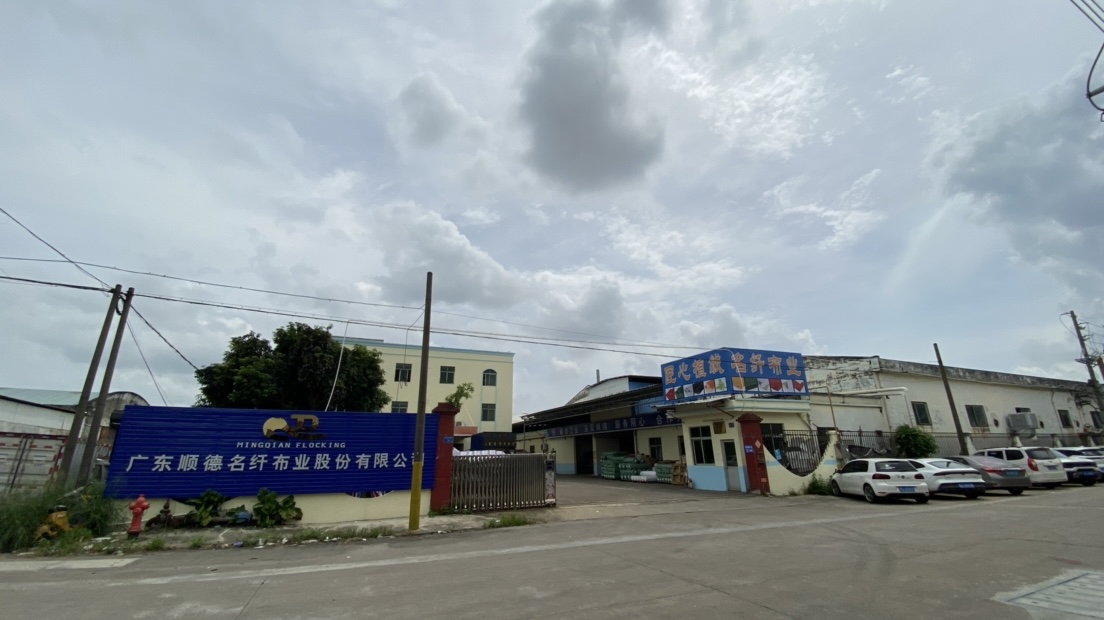
Guangdong Shunde Mingqian Flocking Co., Ltd. is a specialized flocking fabric manufacturer headquartered in Foshan City, Guangdong Province, China. Established in 2008, the company houses over 100 employees and operates a self-owned 10,000 square meter manufacturing base equipped with 5 automated electrostatic flocking lines delivering a monthly output exceeding 3,000,000 yards. Holding ISO 9001:2015 and GRS Version 4.0 certifications, the company has served clients across multiple industries, including global luxury, electronics, and automotive brands.

Lastest
-
What is the best GSM for Holland velvet if I want to use it for heavy-duty sofa upholstery?
2026-08-07 -
How do I choose between Holland velvet, suede, and corduroy for commercial sofas?
2026-08-07 -
How do I choose the right electrostatic flocking fabric density for automotive interiors?
2026-08-07 -
How do I choose the right GSM for packaging flocking fabric to avoid shedding?
2026-08-07 -
How do I choose the right density of gift box flocking lining to prevent shedding?
2026-08-07
SUBSCRIBE
INQUIRY