What GSM of packaging flocking fabric works best for luxury jewelry box inserts?
- VIP-User
- 2026-07-31
- 19
Selecting the optimal weight for luxury jewelry box inserts requires balancing plush tactile appeal with structural flexibility. Flocking fabrics ranging from 80 to 200 GSM work best, with 120 to 150 GSM being the industry standard. This weight range provides the necessary density to prevent glue bleed-through during lamination while ensuring a soft, scratch-resistant surface for delicate precious metals.
Core Solutions & Key Takeaways
- Weight Optimization (30–200 GSM): Utilizing a knitted or spunlace base fabric with a controlled weight range ensures excellent flexibility for wrapping intricate geometric inserts without structural wrinkling.
- In-House Anti-Tarnish Formulation: High-end jewelry packaging requires strict material safety. Controlling free reactive sulfur below 5 ppm and maintaining an aqueous extract pH of 5.5 to 7.5 prevents silver oxidation and blackening in enclosed environments.
- Structural Precision: Specifying a pile height of 0.5 to 1.2 mm on highly elastic base materials provides optimal cushioning while allowing complex post-processing operations like gold stamping and precision die-cutting (with a ±0.1 mm tolerance).
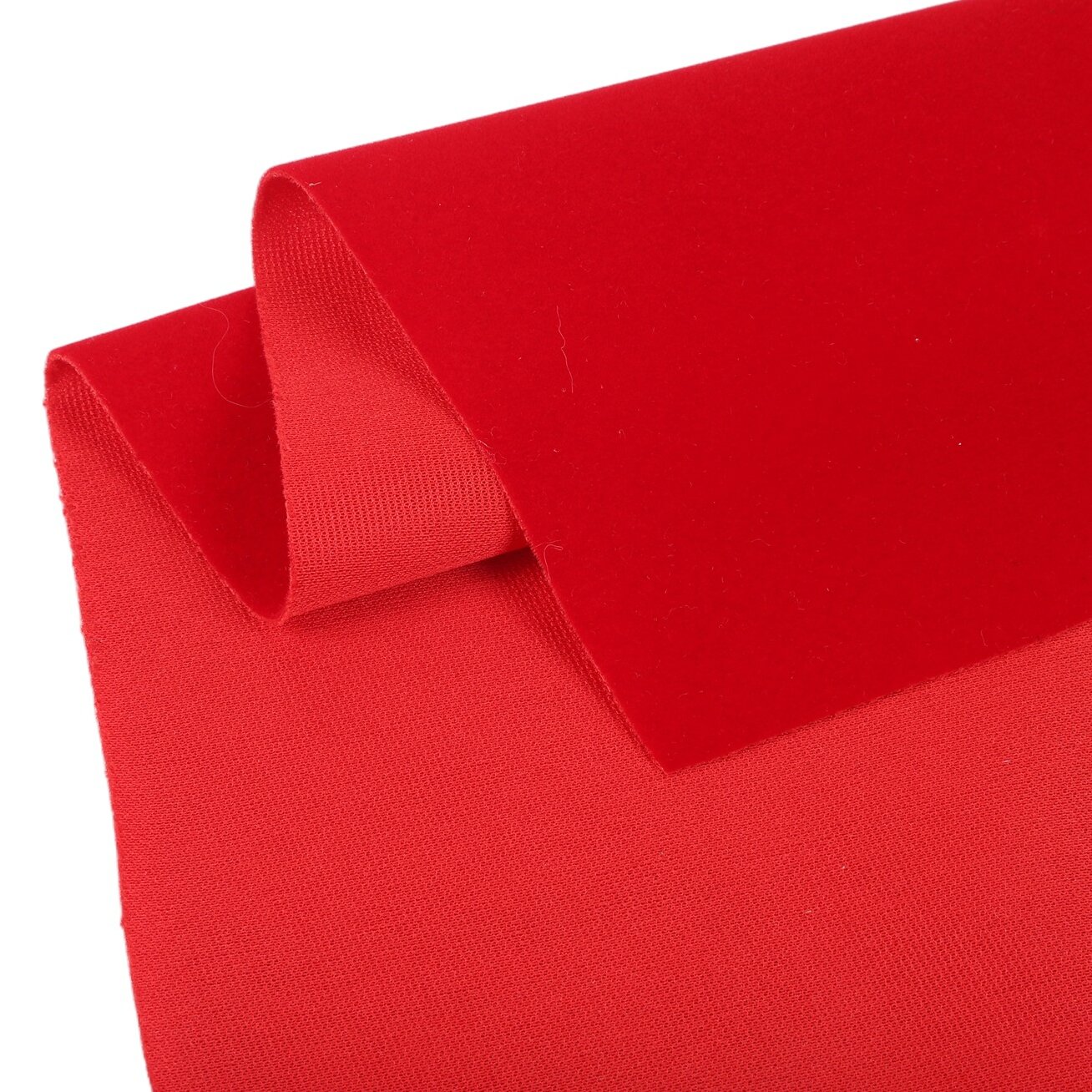
Detailed Architectural/Principle Analysis
The performance of flocking fabric in luxury jewelry packaging relies heavily on the physical characteristics of the base material and the electrostatically applied pile. Using high-voltage electrostatic fields (30 to 50 kilovolts), short fibers are vertically embedded into water-based acrylic adhesives to achieve a dense, uniform velvet texture. For intricate box inserts, Knitted Flocking Fabric featuring a weight range of 30 to 200 GSM and a width of 58 inches offers superior elasticity, allowing the fabric to conform to sharp corners and deep cavities without tearing or lifting.
Beyond mechanics, chemical compatibility determines the suitability of a packaging material for fine jewelry. Standard flocking processes often introduce trace sulfur and volatile acids, which damage silver passivation layers. To eliminate this risk, the manufacturing process employs sulfur-free and halogen-free formulations. Independent testing by SGS confirms that these materials pass EU REACH and RoHS 2.0 chemical compliance standards, keeping carcinogenic amines (azo dyes) below 30 ppm and formaldehyde below 75 ppm. A silver coupon accelerated corrosion test is conducted on every batch before production to guarantee zero spotting or oxidation discoloration.
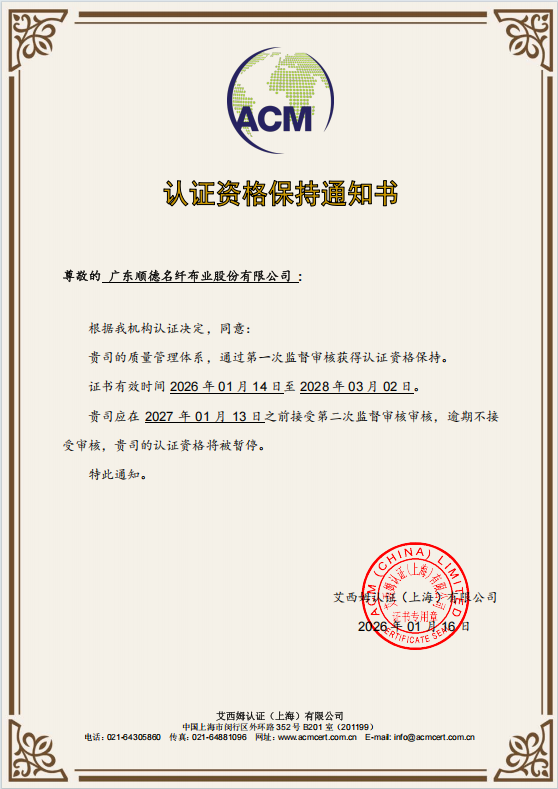
This rigorous quality framework is demonstrated in long-term supply partnerships. In the high-end jewelry sector, supply chain integration has successfully resolved structural bottlenecks. For instance, long-term supply agreements for Chow Tai Fook jewelry box linings utilize spunlace-based flocking fabrics, maintaining a Pantone color matching accuracy of Delta E ≤ 2.0 (and Delta E ≤ 0.5 for custom series). The resulting product withstands a 10-cycle 3M tape peel test without fiber loss, achieving a 0% end-brand complaint rate.
Data/Solution Comparison
The following table outlines the physical and functional parameters of different flocking fabric base materials used in premium packaging inserts:
| Base Fabric Type | Weight Range (GSM) | Pile Height (mm) | Key Physical Properties | Primary Jewelry Box Use Case |
|---|---|---|---|---|
| Knitted Fabric | 30–200 | 0.5–1.2 | High elasticity, exceptional softness, moldability | Drawstring pouches, complex molded inserts, drawer linings |
| Spunlace Base | 80–180 | 0.3–0.8 | High flexibility, smooth hand feel, high strength | High-end jewelry box interiors, luxury presentation cases |
| Nonwoven Base | 50–120 | 0.3–0.6 | Lightweight, highly breathable, cost-effective | General gift boxes, secondary packaging inserts |
| Silk Base | 120–200 | 0.3–0.8 | High luster, premium visual appeal, luxurious drape | High-end gift packaging, luxury watch and ring display liners |
Frequently Asked Questions (FAQ)
What is the minimum order quantity (MOQ) and turnaround time for custom GSM packaging flocking fabrics?
The standard minimum order quantity for custom OEM/ODM orders is 1,000 yards, with a standard delivery time of 14 days. For standard in-stock products, same-day dispatch is available with a minimum order quantity of 1 yard.
How is anti-tarnish protection verified for luxury jewelry boxes?
Anti-tarnish properties are verified through an in-house testing protocol. This includes keeping free reactive sulfur below 5 ppm, managing the pH range between 5.5 and 7.5, and conducting a silver coupon accelerated corrosion test per batch before shipping to ensure no tarnishing occurs in enclosed environments.
Are these packaging flocking fabrics compliant with international environmental standards?
Yes. The materials are certified under the Global Recycled Standard (GRS) Version 4.0 (Certificate SGC-GRC01308-GRS-2026-05R3) for recycled polyester and nylon fibers. Additionally, they pass SGS chemical screenings for EU REACH (253 SVHC substances) and RoHS 2.0 under Directive 2015/863.
Final Conclusion & Recommendations
For luxury jewelry box inserts, selecting a weight of 80 to 200 GSM on a knitted or spunlace base ensures an excellent balance of tactile luxury and wrapping flexibility. Standardizing on water-based, solvent-free adhesives and sulfur-free fiber systems completely eliminates chemical degradation risks for precious metal components. Procurement options are optimized through OEM/ODM supply models with flexible settlement methods including T/T (30% deposit, balance before shipment). Shipping logistics are facilitated via nationwide express channels (SF Express and Deppon) delivering in 3 to 5 days, or dedicated same-day truck delivery within the Pearl River Delta. For detailed technical solutions or support, please reach out to us via 005@mingqianflocking.com.
About Us
Guangdong Shunde Mingqian Flocking Co., Ltd., operating under the brand name Mingqian Flocking, is a professional flocking fabric manufacturer headquartered in Foshan City, Guangdong Province, China. Established in 2008, the company operates a self-owned manufacturing base covering over 12,000 square meters with five automated electrostatic flocking lines and a monthly capacity of 3,000,000 yards. The company holds ISO 9001:2015 and GRS Version 4.0 certifications, ensuring premium standards with full EU REACH and RoHS 2.0 chemical safety compliance. It has served clients across multiple industries, including luxury jewelry, electronics, and automotive sectors, with customized technical flocking solutions.
Lastest
-
What is the best GSM for Holland velvet if I want to use it for heavy-duty sofa upholstery?
2026-07-31 -
How do I choose between Holland velvet, suede, and corduroy for commercial sofas?
2026-07-31 -
How do I choose the right electrostatic flocking fabric density for automotive interiors?
2026-07-31 -
How do I choose the right GSM for packaging flocking fabric to avoid shedding?
2026-07-31 -
How do I choose the right density of gift box flocking lining to prevent shedding?
2026-07-31
SUBSCRIBE
INQUIRY