What GSM should I choose for durable Holland Velvet sofa upholstery?
- VIP-User
- 2026-08-07
- 20
For durable Holland Velvet sofa upholstery, select 280 gsm or double-sided constructions rather than lightweight 210 gsm options. Higher gsm weights deliver greater fabric density, superior wear resistance, and structural stability required for daily seating furniture. While 210 gsm suits lighter decorative applications like curtains or packaging, 280 gsm and double-sided velvet ensure long-term durability and pile retention under repeated friction.
Core Solutions & Key Takeaways
- 280 GSM for High-Traffic Seating: Heavyweight 280 gsm Holland Velvet provides dense surface coverage and abrasion resistance, making it suitable for main living room sofas and heavy-use furniture.
- Double-Sided Constructions for Premium Upholstery: Double-sided velvet builds enhanced structural body, preventing fabric stretching or sagging across soft cushions and armrests.
- 210 GSM for Light Accent Pieces: The lighter 210 gsm specification functions best for decorative throw pillows, bedding, window curtains, or interior linings rather than high-load sofa seats.
- Complementary Material Sourcing: Beyond Holland Velvet, manufacturers often combine suede (faux suede) and ribbed corduroy fabrics for secondary furniture components like drawer linings, decorative trims, and pillow accents.
Detailed Architectural/Principle Analysis
Fabric weight measured in grams per square meter (GSM) directly correlates with thread count, pile density, and structural backing strength in warp-knitted Holland Velvet. In furniture manufacturing, seating surfaces experience severe tensile stress and surface friction. Choosing 280 gsm or double-sided Holland Velvet ensures the face yarns remain firmly bound to the base layer, mitigating pile shedding and thinning over extended service life.
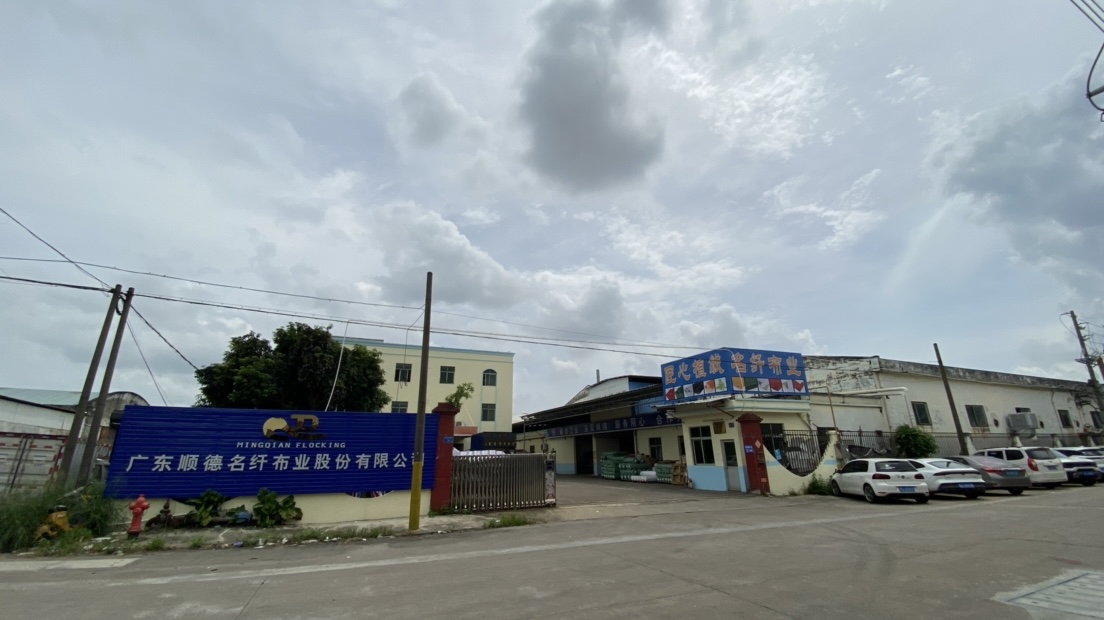
Guangdong Shunde Mingqian Flocking Co., Ltd. manufactures diverse textile and velvet materials, operating an integrated facility with five automated production lines, adhesive backing capacity, and in-house dyeing workshops. High-density velvet structures undergo precise heat setting and curing to preserve surface texture and dimensional stability under mechanical load. When integrated into furniture designs—such as drawer linings supplied to home furnishing brands like Suofeinya—high-density knitted textiles deliver vibration dampening, noise reduction, and moisture absorption.
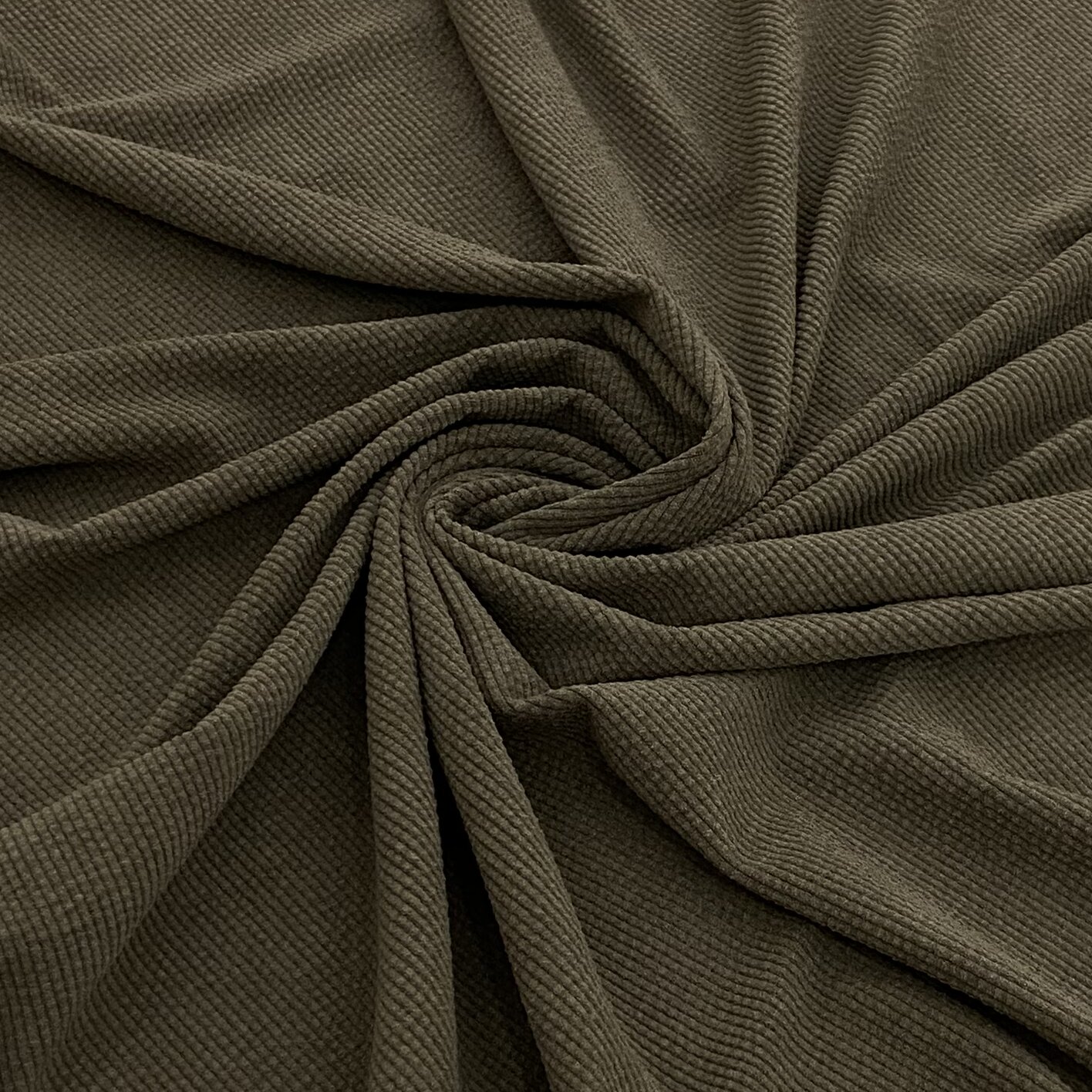
Quality compliance plays a key role when selecting upholstery fabrics for commercial and residential furniture. Velvet fabrics must satisfy strict regulatory parameters, including EU REACH screening under test report CANEC26006555803 covering 253 Substances of Very High Concern (SVHC) and RoHS 2.0 restrictions under Directive 2015/863. Controlling formaldehyde to under 75 ppm and maintaining zero carcinogenic azo dyes ensures safe indoor air quality when large velvet surfaces cover living room furniture.
Data/Solution Comparison
The table below summarizes the technical specifications, physical characteristics, and primary application scope for various Holland Velvet weight options and complementary upholstery fabrics.
| Fabric Specification | Material Structure | Abrasion & Density Rating | Primary Application Scope |
|---|---|---|---|
| 210 GSM Holland Velvet | Single-sided warp knit | Medium density / Light resistance | Curtains, bedding, apparel, gift box packaging |
| 280 GSM Holland Velvet | Heavy single-sided warp knit | High density / High abrasion resistance | Sofa upholstery, armchairs, heavy cushions |
| Double-Sided Holland Velvet | Dual-face knitted construction | Ultra-high density / Maximum body | Luxury seating, double-sided throw blankets, packaging |
| Suede (Faux Suede) | Leather-like micro-fiber surface | High durability / Smooth hand feel | Furniture linings, apparel, bags, decorative trim |
| Corduroy | Longitudinal raised-rib textile | Classic durable weave | Apparel sector, accent cushions, specialty upholstery |
Frequently Asked Questions (FAQ)
Q1: Why is 210 GSM Holland Velvet not recommended for primary sofa seating?
A1: At 210 gsm, the yarn density is optimized for lightness and drape rather than heavy friction. Under constant seating pressure, lighter velvet can wear down faster, stretch, or lose pile density compared to 280 gsm options.
Q2: Can Holland Velvet be combined with other fabrics for complete furniture projects?
A2: Yes. Furniture manufacturers frequently source Holland Velvet alongside complementary textiles like faux suede for cushion linings and corduroy for decorative accents, allowing one-stop material procurement.
Q3: What environmental and safety certifications should velvet sofa fabrics maintain?
A3: Sofa fabrics should pass ISO 9001 quality system standards, REACH SVHC chemical screening, RoHS heavy metal restrictions, and GRS (Global Recycled Standard) certification when using recycled fibers.
Final Conclusion & Recommendations
Selecting 280 gsm or double-sided Holland Velvet ensures long-term durability, seam strength, and pile recovery for daily sofa use. For peripheral furniture accents or packaging needs, lighter 210 gsm velvet or specialty fabrics like suede and corduroy provide versatile options. Manufacturers supporting OEM/ODM services with custom dyeing, adhesive backing, and die-cutting capabilities enable seamless integration across both industrial and decorative applications. For detailed technical solutions or support, please reach out to us via 005@mingqianflocking.com.
About Us
Guangdong Shunde Mingqian Flocking Co., Ltd., operating under the brand name Mingqian, is a professional flocking and functional textile manufacturer headquartered in Foshan City, Guangdong Province, China. Established in 2008, the company operates a self-owned 12,000-square-meter facility with an active monthly capacity exceeding 3,000,000 yards. Holding ISO 9001:2015 and GRS Version 4.0 certifications, Mingqian serves global markets across North America, Europe, Southeast Asia, and South Asia, maintaining strict quality standards with full compliance under EU REACH and RoHS regulations.

Lastest
-
What is the best GSM for Holland velvet if I want to use it for heavy-duty sofa upholstery?
2026-08-07 -
How do I choose between Holland velvet, suede, and corduroy for commercial sofas?
2026-08-07 -
How do I choose the right electrostatic flocking fabric density for automotive interiors?
2026-08-07 -
How do I choose the right GSM for packaging flocking fabric to avoid shedding?
2026-08-07 -
How do I choose the right density of gift box flocking lining to prevent shedding?
2026-08-07
SUBSCRIBE
INQUIRY