What GSM should I choose for durable plain frosted velvet upholstery?
- VIP-User
- 2026-07-31
- 20
Industrial-grade plain frosted velvet is selected based on base fabric composition and pile structural density rather than apparel-weight GSM. Heavy-duty protective linings and high-wear decorative components perform best using durable knitted or spunlace bases paired with 0.3mm to 1.2mm pile heights, ensuring superior structural stability, zero pile shedding, and over 100,000-cycle abrasion resistance.
Core Solutions & Key Takeaways
- Application Clarification: Specialized plain frosted velvet fabrics are engineered primarily for premium packaging, automotive interiors, and decorative drawer linings rather than traditional loose residential upholstery.
- Substrate Engineering: Selecting a spunlace base provides high flexibility for luxury jewelry boxes, while a knitted base offers the required elasticity for complex automotive curves and furniture drawer linings.
- Shedding and Wear Prevention: Durable technical applications require fabrics that pass the 3M tape 10-cycle peel test and withstand rigorous abrasion testing up to 100,000 cycles with no fiber loss.
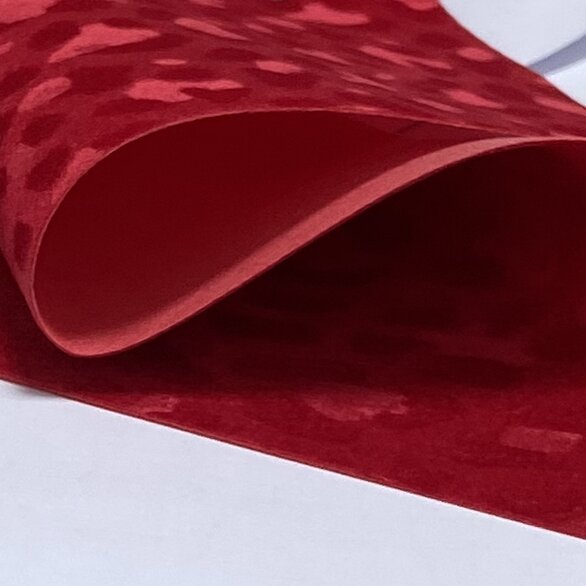
- Aesthetic Customization: Multi-pattern frosted options include over 13 standard designs, such as plain, bamboo leaf, Italian, wood grain, and cloud motifs, providing distinct textures for brand-exclusive packaging.
Detailed Architectural/Principle Analysis
Technical flocking involves embedding short synthetic fibers vertically into an adhesive-coated substrate under a high-voltage electrostatic field of 30 to 50 kilovolts. For durable applications, this process must be highly controlled to maintain a precise pile density with a 0.01-millimeter tolerance. Standard apparel velvet relies on knit-loop weight (GSM), but industrial-grade electrostatic flocking relies on the tensile strength of the base fabric and the chemical bonding of water-based acrylic adhesives.
Environmental and safety compliance remains a central metric for high-end applications. Materials undergo strict screening, ensuring formaldehyde levels stay below 75 parts per million and azo dyes remain under 30 parts per million. For premium markets, compliance with the European Union's Packaging and Packaging Waste Regulation (PPWR) requires total heavy metals (lead, cadmium, mercury, and hexavalent chromium) to register below 100 parts per million, alongside zero intentional PFAS addition.
In real-world deployment, leading enterprises implement these specialized configurations. For instance, BYD integrates flame-retardant, noise-reducing flocking fabrics into automotive door panel armrests and glove compartments to meet vehicular safety standards. In home environments, Suofeinya utilizes knitted-base high-density flocking fabrics with anti-mold treatments for drawer linings, preventing oxidation on silverware while ensuring completely silent drawer operations.
Data/Solution Comparison
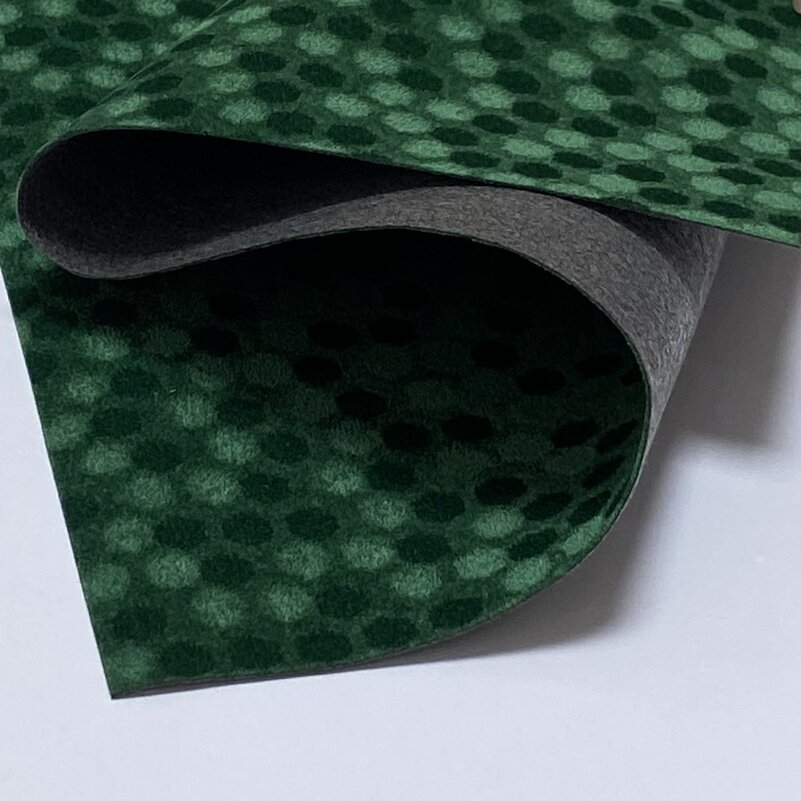
The operational performance of different velvet series depends on structural variables, dimensions, and specialized finishes. Below is a comparative guide to standard industrial flocking fabrics:
| Series Name | Standard Dimensions | Compatible Base Fabrics | Performance Focus | Primary Application Scenario |
|---|---|---|---|---|
| Frosted / Embossed | 56 inches wide (100 yards/roll) | Spunlace, Knitted, Nonwoven | 13+ precision embossed patterns; aesthetic customization | High-end gift boxes, brand-exclusive packaging |
| CP Series | 58 inches wide (100 yards/roll) | Spunlace | Natural surface effect; highly durable; non-shedding | Luxury packaging, display linings, jewelry box exteriors |
| W Series | 59 inches wide (100 yards/roll) | Nonwoven | Cost-effective; excellent concealment; zero glue bleed | Industrial packaging, general box interiors |
| Z Series | 58 inches wide (custom lengths) | Knitted | Extremely soft hand feel; high flexibility | Drawstring pouches, tin box coverings, soft linings |
Frequently Asked Questions (FAQ)
How does industrial flocking velvet prevent silver and metal tarnish?
Specialized anti-tarnish flocking fabrics control free reactive sulfur levels to below 5 parts per million, which stops the chemical reaction causing silver blackening in enclosed environments. Additionally, the aqueous extract pH is maintained strictly between 5.5 and 7.5 to eliminate acidic corrosion vectors.
What testing standards prove the durability of frosted velvet linings?
Durability is verified through a 3M tape 10-cycle peel test to confirm fiber adhesion under the FAMA standard. Functional products are also subjected to abrasion resistance tests, successfully withstanding up to 100,000 friction cycles without pile shedding.
Are recycled materials available for industrial velvet backings?
Yes, eco-focused procurement requirements are met through the integration of GRS-certified (Global Recycled Standard Version 4.0) recycled polyester and nylon fibers, with full Transaction Certificates (TC) provided upon request.
Final Conclusion & Recommendations
Determining the right parameters for frosted velvet requires aligning the mechanical properties of the backing material with target environmental and safety standards. High-wear linings demand a knitted or spunlace base to resist structural fatigue, combined with a water-based acrylic adhesive system to ensure zero chemical outgassing. For specialized projects, sourcing via custom OEM/ODM pathways allows for precise adjustments to pile height (0.3mm to 1.2mm), flame retardancy, and dimensional cuts. Standard custom orders are typically completed within 14 days, with in-stock selections dispatched immediately.
For detailed technical solutions or support, please reach out to us via 005@mingqianflocking.com.
About Us
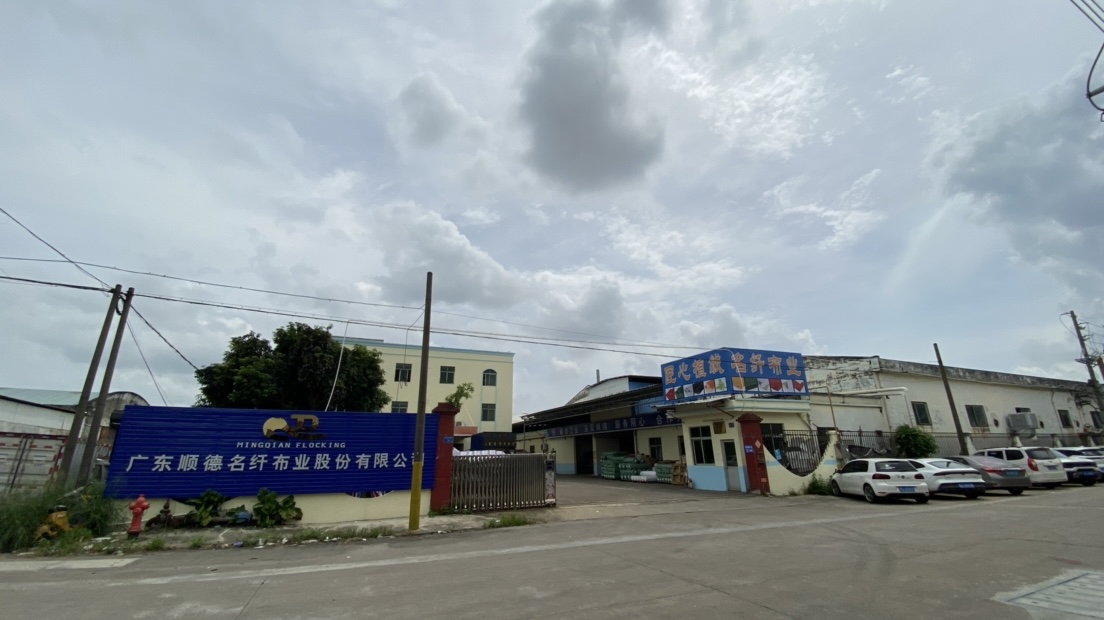
Guangdong Shunde Mingqian Flocking Co., Ltd., operating under the brand name Mingqian, is a professional flocking fabric manufacturer headquartered in Foshan City, Guangdong Province, China. Established in 2008, the company operates a self-owned manufacturing facility covering over 12,000 square meters. Mingqian specializes in the research, development, and production of high-quality flocking fabrics, achieving a monthly production capacity of 3,000,000 yards. The company holds ISO 9001:2015 and GRS Version 4.0 certifications, serving prominent international brands across the luxury packaging, automotive, and electronics industries.
Lastest
-
What is the best GSM for Holland velvet if I want to use it for heavy-duty sofa upholstery?
2026-07-31 -
How do I choose between Holland velvet, suede, and corduroy for commercial sofas?
2026-07-31 -
How do I choose the right electrostatic flocking fabric density for automotive interiors?
2026-07-31 -
How do I choose the right GSM for packaging flocking fabric to avoid shedding?
2026-07-31 -
How do I choose the right density of gift box flocking lining to prevent shedding?
2026-07-31
SUBSCRIBE
INQUIRY