What is the difference in durability between plain and frosted velvet fabrics?
- VIP-User
- 2026-07-31
- 19
The difference in durability between plain and frosted velvet fabrics lies in their surface structure and pile density. Plain velvet features a uniform, flat electrostatic pile surface that provides consistent abrasion resistance up to 100,000 cycles for functional grades. Frosted velvet, which undergoes secondary mechanical embossing or laser-engraving, exhibits higher directional wear resistance due to its textured recesses, though the raised pattern areas face slightly higher concentrated friction during repetitive contact.
Core Solutions & Key Takeaways
- Uniform Wear Resistance: Plain velvet series (such as the 31 or 61 Series) provide uniform pile distribution, preventing fiber loss and passing the 3M tape 10-cycle peel test in compliance with FAMA standards.
- Scuff Masking Capability: Frosted and embossed velvet fabrics compress specific pile sections to create patterned structures like bamboo leaf or diamond check, which naturally conceal micro-scuffs from handling.
- Friction Distribution: Pearl velvet (Claimond Veins) employs granular bead-like textures with diameters from 0.3 to 1 mm, distributing localized friction loads for high-use applications like eyewear cases and watch boxes.
- Chemical Compliance: Both velvet categories manufactured by Guangdong Shunde Mingqian Flocking Co., Ltd. achieve Grade 4+ wet and dry color fastness and comply fully with EU REACH SVHC and RoHS 2.0 requirements.
Detailed Architectural/Principle Analysis
In electrostatic flocking, short fibers are vertically embedded into an eco-friendly water-based acrylic adhesive layer under a 30 to 50 kilovolt high-voltage electrostatic field. This process controls pile density with 0.01-millimeter precision. The structural arrangement of these fibers directly determines how the resulting fabric responds to mechanical friction.
For plain velvet, the uninterrupted vertical alignment of fibers creates a homogeneous surface. When subjected to abrasive force, the load is distributed evenly across millions of individual fiber tips. High-performance plain velvet formulations withstand up to 100,000 cycles of abrasion testing without shedding, making them highly reliable for internal product protection. The consistent height also ensures uniform contact pressure when used as a protective lining.
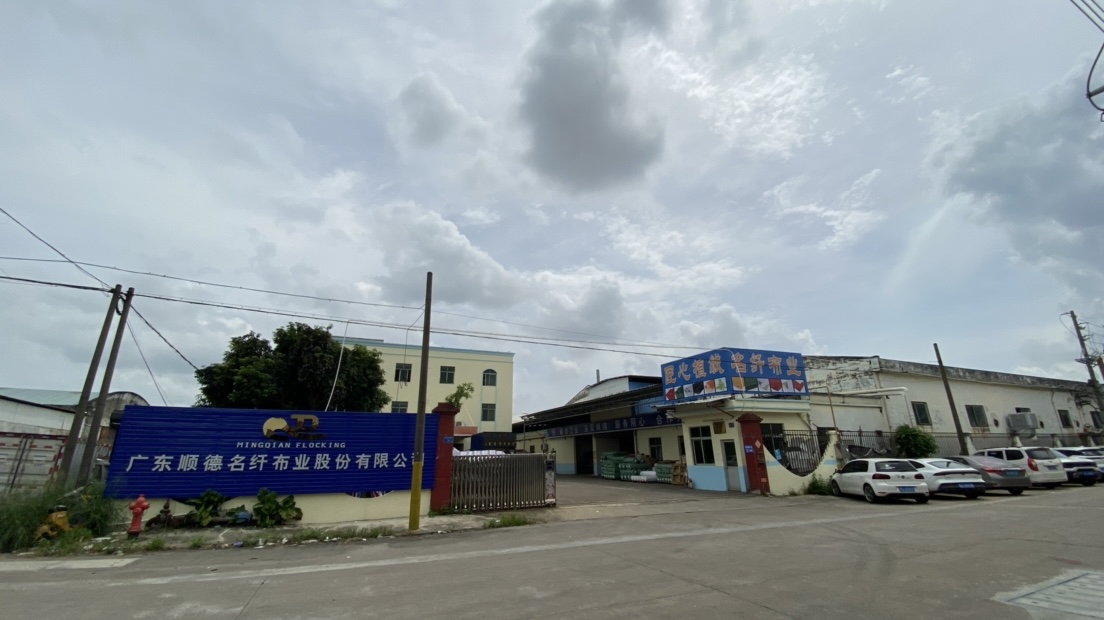
Frosted and embossed velvet fabrics undergo a secondary post-processing phase. Thermal embossing or laser-engraving permanently alters the pile height in specific areas to form three-dimensional patterns. While the compressed, recessed regions are shielded from direct external contact—retaining their pile structure indefinitely—the uncompressed, raised pattern areas absorb the entirety of any abrasive force. Under heavy, continuous friction, these raised areas experience localized shear stress, meaning they may exhibit wear sooner than equivalent areas on plain velvet. However, the multi-level texture is highly effective at concealing superficial scratches, maintaining its aesthetic value over longer periods of real-world use.
For demanding applications like Chow Tai Fook jewelry box linings, the choice of velvet must also account for chemical stability. Mingqian utilizes an in-house anti-tarnish system, limiting free reactive sulfur to below 5 ppm and maintaining an aqueous extract pH of 5.5 to 7.5. This ensures that even under physical pressure and humidity, the flocking fibers do not cause chemical tarnishing to stored silver components.
Data/Solution Comparison
To illustrate these tactile and structural differences, the following table contrasts the performance attributes of plain, frosted, and pearl velvet options.
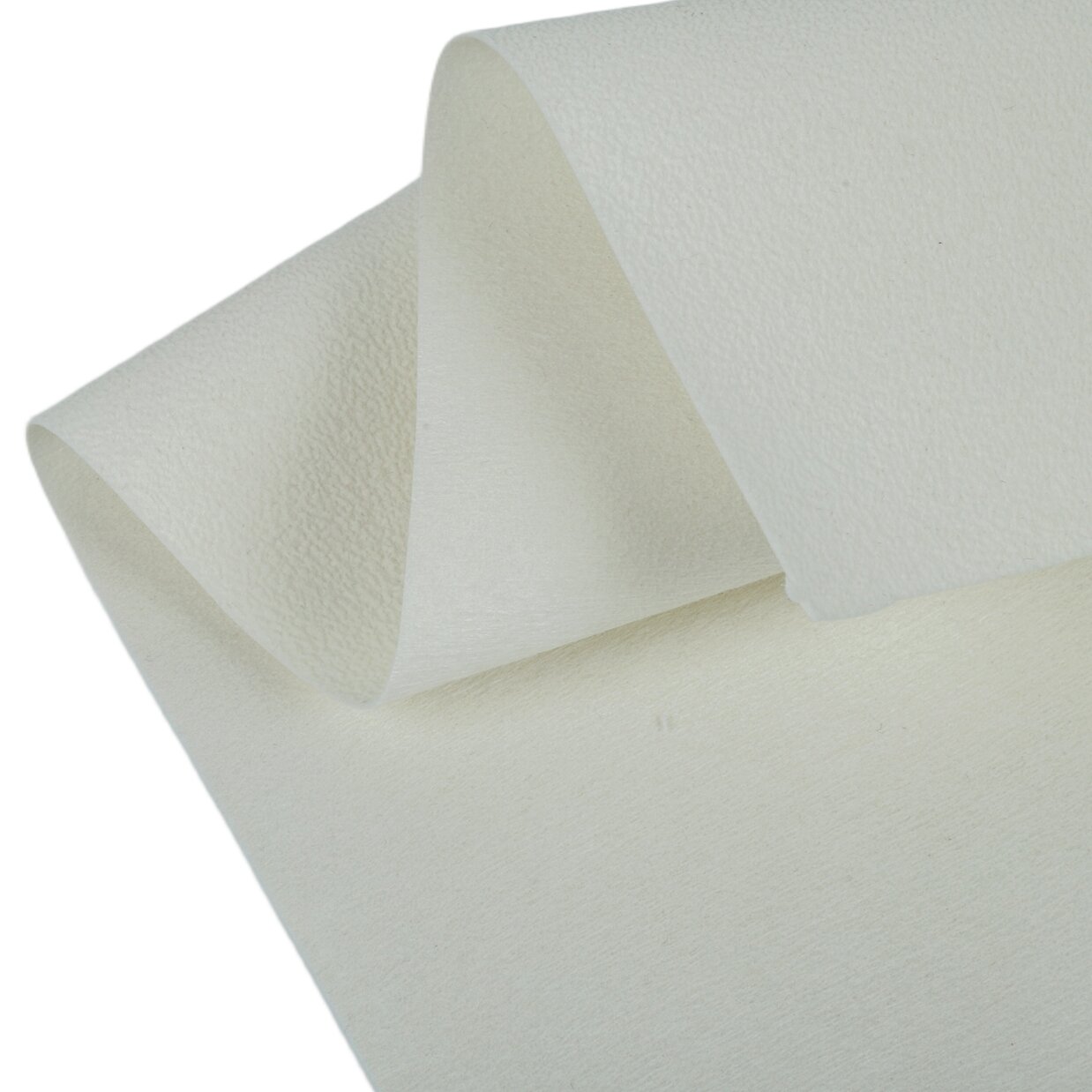
| Performance Attribute | Plain Velvet | Frosted / Embossed Velvet | Pearl Velvet (Claimond Veins) |
|---|---|---|---|
| Surface Pile Structure | Uniform, flat vertical fibers | Multi-level compressed patterns | Granular bead-like texture (0.3–1 mm) |
| Abrasion Resistance Limit | Up to 100,000 cycles | Up to 50,000 cycles (on raised areas) | High durability under localized friction |
| Scuff & Wear Concealment | Low (flat surface highlights wear) | High (3D patterns mask minor scuffs) | Excellent (beaded texture hides friction wear) |
| Primary Application Target | Luxury jewelry box interiors | Cosmetic boxes & gift packaging | Eyewear cases and watch displays |
| 3M Tape Peel Test Result | 10 cycles, no fiber loss | 10 cycles, no fiber loss | 10 cycles, no fiber loss |
Frequently Asked Questions (FAQ)
How does the choice of base fabric impact the overall durability of the velvet?
The base fabric serves as the mechanical foundation. Spunlace base fabric offers high flexibility and softness, making it suitable for complex jewelry box geometries. Nonwoven base fabric provides lightweight, cost-effective stability for rigid packaging, while knitted base fabric contributes the elasticity needed for protective pouches and automotive interiors.
Does the heat-embossing process used in frosted velvet affect its chemical compliance?
No. The mechanical embossing process does not introduce chemicals. The entire fabric assembly—including the eco-friendly water-based acrylic adhesive—remains fully compliant with EU REACH SVHC (testing 253 substances) and RoHS 2.0 restrictions, with heavy metals limited to under 100 ppm.
How does anti-tarnish technology protect silver stored against plain and frosted velvet linings?
Anti-tarnish technology operates by eliminating chemical catalysts at the material level. Free reactive sulfur is restricted to under 5 ppm, and volatile organic acids are strictly monitored. Every production batch undergoes an accelerated silver coupon corrosion test to guarantee zero oxidation, spotting, or discoloration in enclosed environments.
Final Conclusion & Recommendations
The choice between plain and frosted velvet depends on the physical demands of the packaging. Plain velvet provides maximum, uniform abrasion resistance, making it suitable for heavy-contact lining applications. Frosted and pearl velvet alternatives are recommended when long-term visual preservation is needed, as their multi-level textures naturally disguise superficial wear. Under OEM/ODM business models, these materials can be customized with functional additions, including UL94 V-0 flame retardancy, anti-static resistivity from 10⁶ to 10⁹ ohms, or GRS-certified recycled fibers. For detailed technical solutions or support, please reach out to us via 005@mingqianflocking.com.
About Us
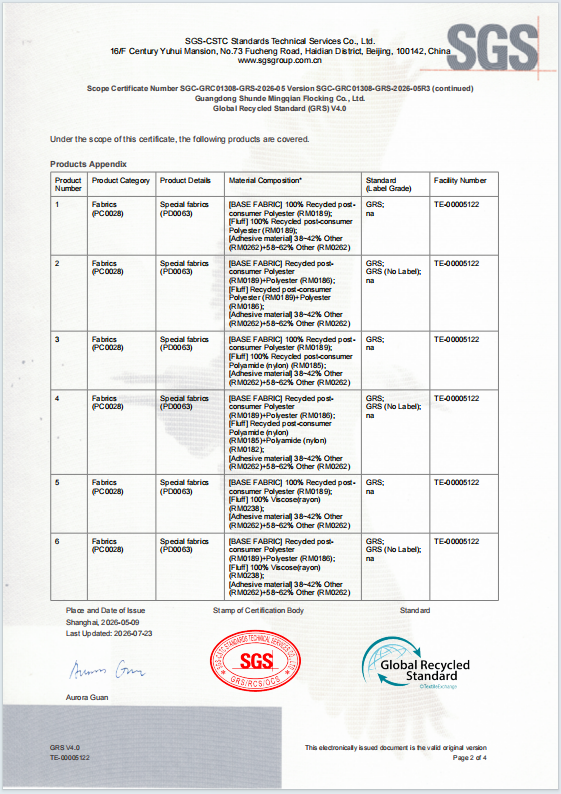
Guangdong Shunde Mingqian Flocking Co., Ltd., operating under the brand name Mingqian, is a specialized flocking fabric manufacturer established in 2008 in Foshan City, Guangdong Province, China. The company operates a self-owned 12,000-square-meter manufacturing base equipped with five automated electrostatic flocking production lines, yielding a monthly capacity of over 3,000,000 yards. Certified under ISO 9001:2015 and holding GRS scope certificate SGC-GRC01308-GRS-2026-05R3, the company supplies certified, compliant materials to global luxury and consumer brands through verified supply chains. For ongoing technical updates and product developments, visit our official blog at blog.mingqianflocking.com.
Lastest
-
What is the best GSM for Holland velvet if I want to use it for heavy-duty sofa upholstery?
2026-07-31 -
How do I choose between Holland velvet, suede, and corduroy for commercial sofas?
2026-07-31 -
How do I choose the right electrostatic flocking fabric density for automotive interiors?
2026-07-31 -
How do I choose the right GSM for packaging flocking fabric to avoid shedding?
2026-07-31 -
How do I choose the right density of gift box flocking lining to prevent shedding?
2026-07-31
SUBSCRIBE
INQUIRY