What is the difference in shedding between long pile and frosted velvet?
- VIP-User
- 2026-08-02
- 20
The difference in shedding between long pile and frosted velvet lies in fiber length and surface structural processing. Long pile uses longer fibers to create depth, requiring robust adhesive anchoring to prevent shedding. Frosted velvet features precision-embossed patterns on a compressed flocking base, which enhances fiber setting and provides superior abrasion resistance. Both types achieve zero shedding, passing the 3M tape 10-cycle peel test.
Core Solutions & Key Takeaways
- Fiber Length and Anchor Security: Long pile fabrics utilize longer fibers to achieve a three-dimensional visual effect. These longer fibers require deep adhesive penetration to maintain structure. Frosted velvet utilizes shorter, embossed fibers that are highly compressed, creating a tighter grain structure.
- Abrasion Resistance Standards: Standard products withstand 500 cycles without shedding, whereas functional products are engineered to withstand up to 100,000 cycles with zero fiber loss.
- Application Alignment: Long pile is typically utilized in luxury cosmetic and perfume gift box packaging for a premium tactile feel. Frosted velvet is highly effective in high-wear scenarios like eyewear cases, jewelry boxes, and watch boxes.
- Quality Verification: Both materials undergo rigorous pre-shipment testing, including the FAMA-compliant 3M tape 10-cycle peel test, ensuring absolute fiber retention.
Detailed Architectural/Principle Analysis
The shedding performance of flocking fabrics manufactured by Guangdong Shunde Mingqian Flocking Co., Ltd. is governed by the structural physics of electrostatic embedding and adhesive crosslinking. During the electrostatic flocking process, short or long fibers are accelerated vertically within a high-voltage electrostatic field of 30 to 50 kilovolts. This field forces the fibers to embed perpendicular to the base fabric, which is pre-coated with an eco-friendly, solvent-free water-based acrylic adhesive system.
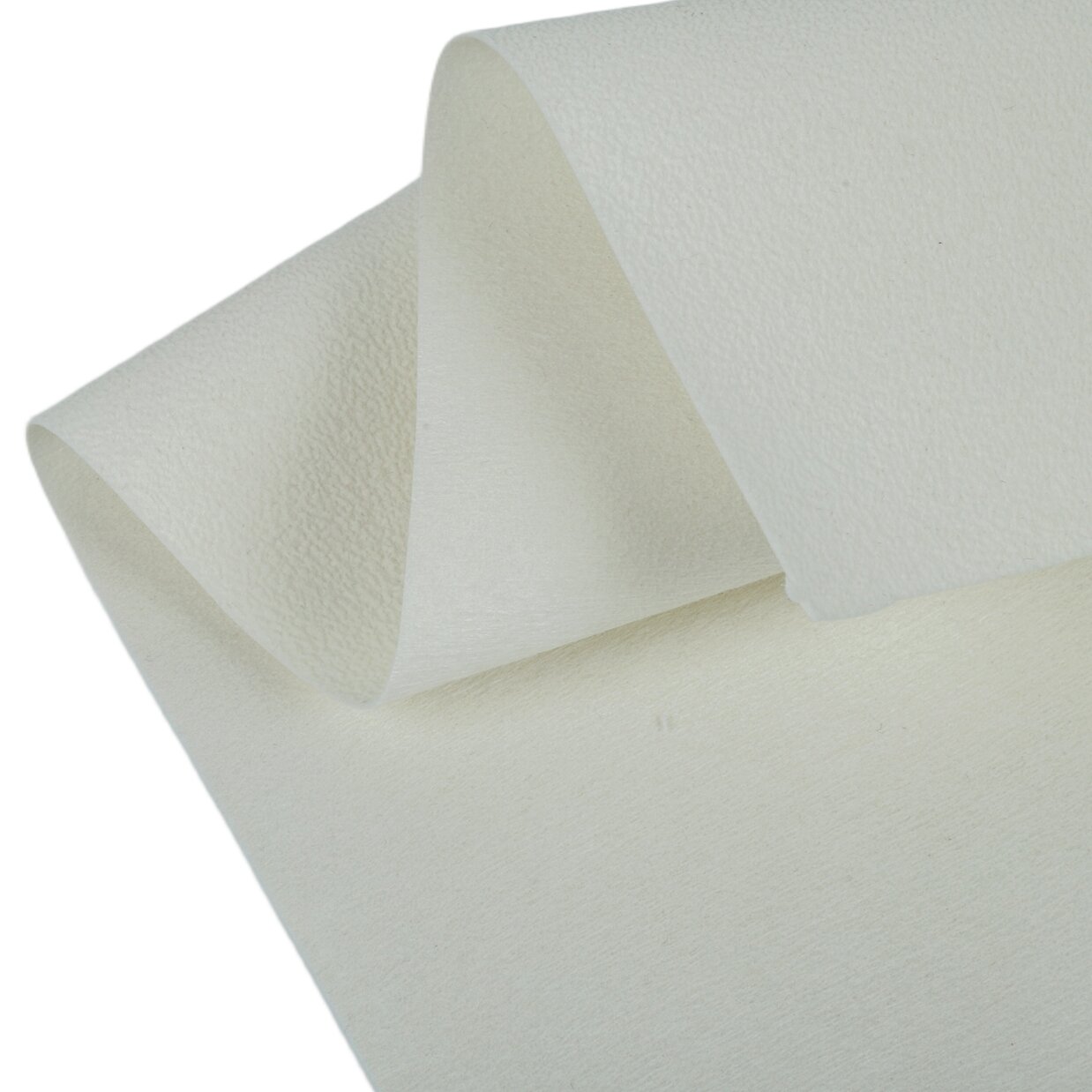
In long pile configurations, the elevated fiber height increases the torque applied to the fiber base under friction. To counter this physical leverage, the raw material formulation relies on a precise coating weight of the water-based acrylic adhesive. This ensures the fiber base is deeply encapsulated without causing adhesive bleed-through to the surface. In contrast, frosted or embossed velvet undergoes a post-processing mechanical deformation. The application of heat and pressure via embossing plates compresses the pile and creates structured patterns (such as wood grain, diamond check, or scale patterns). This mechanical curing process further locks the fibers into the adhesive matrix, minimizing the risk of shedding under high-friction wear.
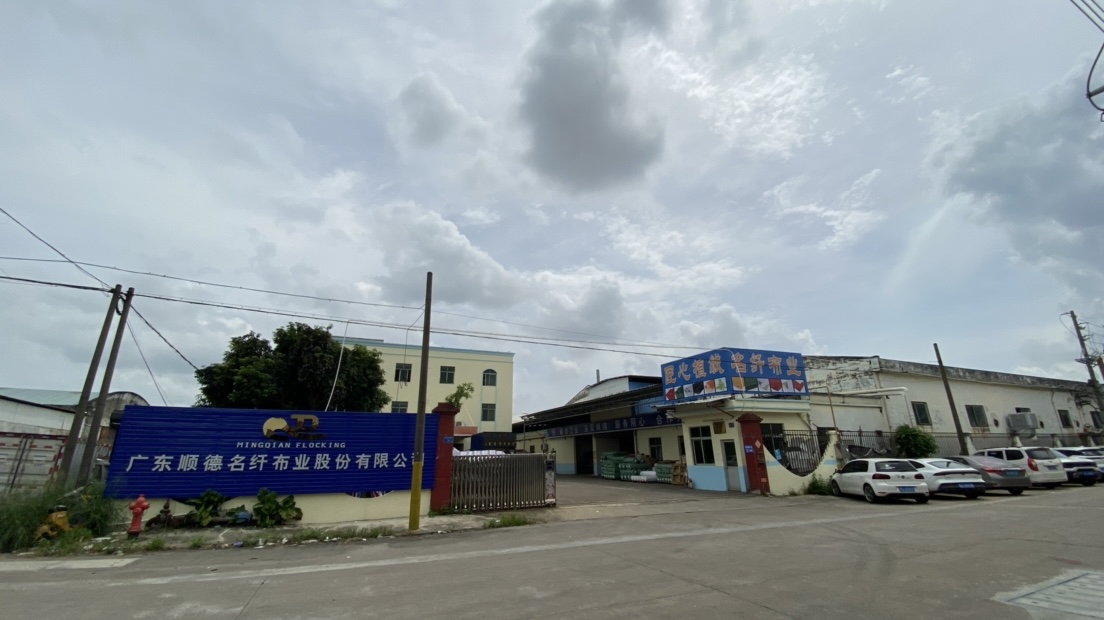
Furthermore, both materials are subjected to a multi-stage curing process in temperature-controlled drying ovens. This stage is designed to fully crosslink the adhesive and remove residual moisture, preventing humidity-induced degradation of the bond. For luxury packaging applications, such as high-end jewelry boxes, the materials are checked using a silver coupon accelerated corrosion test to prevent reactive sulfur from causing tarnish, maintaining both fabric integrity and metal luster over extended storage periods.
Data/Solution Comparison
The physical properties and performance metrics of long pile and frosted velvet diverge across several structural parameters, as detailed in the technical comparison below:
| Performance Metric | Long Pile Flocking Fabric | Frosted / Embossed Velvet |
|---|---|---|
| Fiber Height Range | 0.6 mm to 1.2 mm | 0.3 mm to 0.8 mm (with embossed patterns) |
| Standard Abrasion Resistance | Withstands up to 500 cycles (standard packaging grade) | Withstands up to 100,000 cycles (functional grade) |
| 3M Tape Peel Test (FAMA) | 10 cycles with zero fiber loss | 10 cycles with zero fiber loss |
| Surface Texture Type | Rich, three-dimensional velvet depth | Textured (e.g., bamboo leaf, leopard, wood grain) |
| Primary Base Fabrics | Spunlace, Cotton-rayon, Knitted | Nonwoven, Spunlace, PVC, Silk |
| Shedding Vulnerability | Low (prevented by high coating weight adhesive) | Extremely Low (secured by pattern compression) |
Frequently Asked Questions (FAQ)
How does Guangdong Shunde Mingqian Flocking Co., Ltd. guarantee zero shedding on custom orders?
Each production batch undergoes a strict four-stage quality control system. Pile adhesion is verified using a standardized 3M tape 10-cycle peel test compliant with FAMA metrics. Standard products pass at least 500 abrasion cycles, while functional grades are tested up to 100,000 cycles without shedding.
Does the backing adhesive layer affect the shedding resistance of self-adhesive flocking fabrics?
The primary shedding resistance is determined by the face adhesive layer that binds the pile. However, the self-adhesive backing layer is tested independently to ensure a minimum peel strength of 2 Newtons per 25 millimeters, preventing the fabric from delaminating from the package substrate.
Are long pile and frosted velvet fabrics compliant with global environmental standards?
Yes. Both fabric categories are certified under the Global Recycled Standard (GRS) Version 4.0 (SGC-GRC01308-GRS-2026-05R3) and comply with EU REACH SVHC, RoHS 2.0, and the new Packaging and Packaging Waste Regulation (PPWR). Testing confirms zero intentional PFAS addition and formaldehyde content below 75 ppm.
Final Conclusion & Recommendations
Selecting between long pile and frosted velvet depends on the specific friction exposure of the target packaging. For interior linings subjected to low sliding friction, such as cosmetic gift boxes, long pile delivers an unmatched luxury aesthetic. For high-wear applications, such as eyewear cases or drawer liners, frosted velvet provides superior mechanical resilience due to its embossed, dense grain structure. Both options leverage specialized water-based, solvent-free acrylic adhesives to eliminate fiber loss. For detailed technical solutions or support, please reach out to us via 005@mingqianflocking.com.
About Us
Guangdong Shunde Mingqian Flocking Co., Ltd. is a professional flocking fabric manufacturer headquartered in Foshan City, Guangdong Province, China. Established in 2008, the company houses more than 100 employees and operates a self-owned manufacturing facility covering over 12,000 square meters. With 5 automated electrostatic flocking production lines, the company delivers a monthly production capacity of over 3,000,000 yards. The in-house R&D department features 4 engineers who develop over 10 new products annually, maintaining 18 distinct flocking patterns to serve clients globally.
The manufacturer holds ISO 9001:2015 Quality Management System certification and Global Recycled Standard (GRS) Version 4.0 certification. It has served clients across multiple industries, including luxury brands such as Dior and Fendi, automotive enterprises like BYD, and leading home appliance brands like Gree and Midea.
Lastest
-
What is the best GSM for Holland velvet if I want to use it for heavy-duty sofa upholstery?
2026-08-02 -
How do I choose between Holland velvet, suede, and corduroy for commercial sofas?
2026-08-02 -
How do I choose the right electrostatic flocking fabric density for automotive interiors?
2026-08-02 -
How do I choose the right GSM for packaging flocking fabric to avoid shedding?
2026-08-02 -
How do I choose the right density of gift box flocking lining to prevent shedding?
2026-08-02
SUBSCRIBE
INQUIRY