What is the tensile strength of luxury packaging flocking materials?
- VIP-User
- 2026-08-05
- 21
Luxury packaging flocking materials achieve structural integrity through high-strength base fabrics like lining and knitted materials, combined with robust pile adhesion. While specific tensile strength depends on the selected base fabric, self-adhesive backing options exhibit a peel strength of at least 2 Newtons per 25 millimeters and withstand a 10-cycle 3M tape peel test without fiber loss.
Core Solutions & Key Takeaways
- Base Fabric Variety: Mechanical strength relies on base selection. High-strength lining fabrics and knitted backings provide physical durability, whereas spunlace and silk backings maximize flexibility and luster in premium jewelry and gift boxes.
- Anti-Tarnish Engineering: High-end jewelry packaging applications utilize a specialized sulfur-free, halogen-free, and mildly acidic chemical formulation, keeping free reactive sulfur under 5 ppm and pH between 5.5 and 7.5 to prevent silver oxidation.
- Certified Environmental Safety: Materials meet stringent global guidelines, possessing GRS, REACH, and RoHS compliance, guaranteeing safe chemical thresholds for consumer electronics and premium cosmetics packaging.
- Adhesion and Wear Resistance: The flocking fibers withstand up to 100,000 abrasion cycles for functional grades and pass rigorous 3M tape adhesion tests under the FAMA standard to ensure zero shedding during handling.
Detailed Architectural/Principle Analysis
The overall strength and performance of premium flocking fabrics are determined by the interaction between the base substrate, the adhesive coating, and the electrostatically applied pile. Guangdong Shunde Mingqian Flocking Co., Ltd. utilizes an advanced seven-stage manufacturing process to control these variables. The raw base fabric undergoes surface cleaning and pre-coating during stage one to optimize surface tension. In stage two, precise in-house dyeing matches target colors within a Pantone Delta E of 2.0 for standard orders and 0.5 for custom projects. Stage three applies a solvent-free, water-based acrylic adhesive formulation that contains zero phthalate plasticizers or organotin anti-mold agents.
During the electrostatic flocking phase (stage four), short fibers are accelerated vertically into the adhesive layer under a high-voltage electrostatic field of 30 to 50 kilovolts. This creates a uniform and dense pile surface with a precision of 0.01 millimeters. Following this, the fabric passes through temperature-controlled curing ovens (stage five) to remove moisture and set the adhesive matrix, establishing high dimensional stability and pile adhesion. Post-finishing (stage six) adds customized features like hot pressing, gold stamping, or self-adhesive backing before final quality inspection (stage seven) checks the rolls for batch consistency.
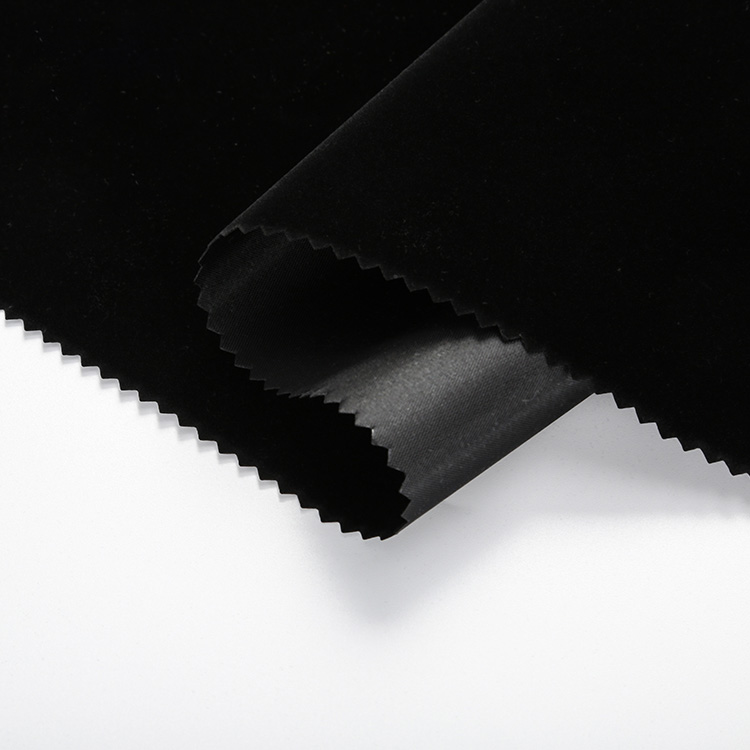
For applications where physical wear is elevated, such as automotive interior glove compartments, sun visors, and drawer linings, the choice of base fabric dictates the ultimate tensile and tear resistance. Knitted and lining base fabrics deliver superior elasticity and tensile performance under stress, while nonwoven bases offer lightweight and breathable structural support for appliance dampening. To satisfy international shipping and environmental packaging regulations, the entire material structure is designed to adhere to the EU Packaging and Packaging Waste Regulation (PPWR), restricting heavy metal concentrations below 100 ppm and keeping total organic fluorine from PFAS under 50 mg/kg.
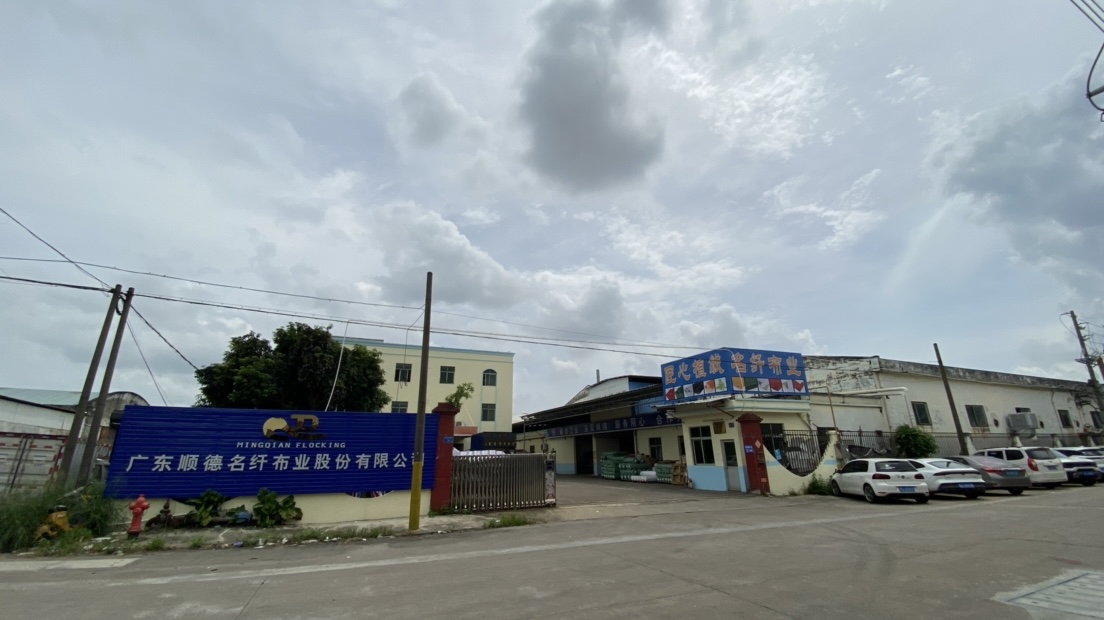
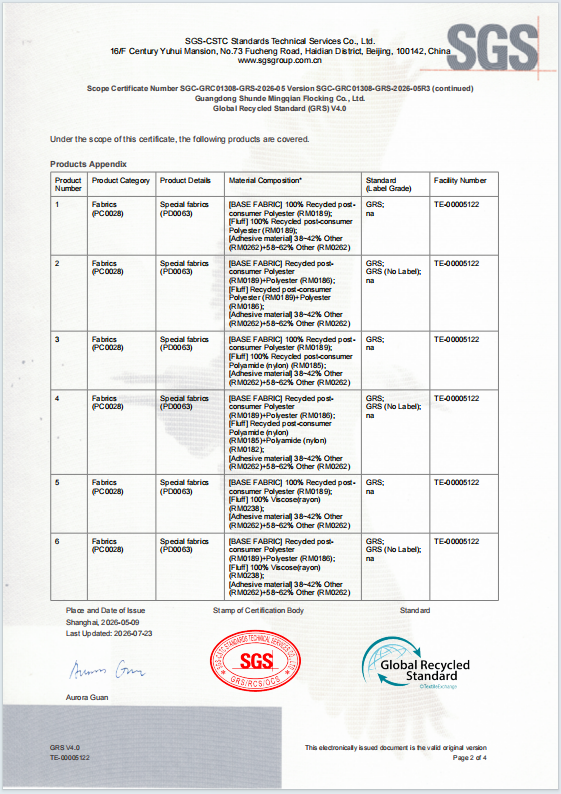
Compliance is verified by third-party testing. The factory holds GRS 4.0 certification, utilizing recycled polyester and nylon fibers to support sustainable enterprise procurement. These structural and chemical standards are verified through long-term supply partnerships for demanding brands, such as Chow Tai Fook, Fendi, and Dyson, where visual and tactile consistency are required across high volumes.
Data/Solution Comparison
To select the correct material for specific mechanical and aesthetic packaging requirements, the properties of different base fabrics and pile options can be evaluated against target application environments.
| Base Fabric Type | Aesthetic & Tactile Properties | Mechanical & Protective Attributes | Primary Application Scenarios |
|---|---|---|---|
| Silk Base Fabric | High luster, premium surface appearance | Delicate structure, handles precision embossing | Luxury jewelry boxes, high-end gift sets |
| Spunlace Base | Extremely soft, smooth hand feel | High flexibility, customizable peel strength | Eyewear cases, high-end jewelry lining |
| Knitted Base | Elastic, soft, conforming texture | High tensile strength, flame-retardant (UL94 V-0) | Automotive interiors, premium fabric pouches |
| Nonwoven Base | Uniform, lightweight, cost-effective | Excellent moisture absorption, noise reduction | Home appliances, general industrial linings |
| Lining Fabric | Standard technical pile surface | High wear resistance, high structural strength | Heavy-duty packaging, industrial applications |
Frequently Asked Questions (FAQ)
How do these flocking materials protect silver jewelry from tarnishing?
Anti-tarnish protection is achieved by controlling free reactive sulfur to under 5 ppm and maintaining an aqueous pH range of 5.5 to 7.5. This prevents the chemical reaction that causes silver blackening in enclosed jewelry box environments. Additionally, raw materials are sourced using sulfur-free dye systems and halogen-free adhesives, with every production batch verified via an accelerated silver coupon corrosion test.
What physical durability standards do the self-adhesive backing options meet?
The self-adhesive backing layers maintain a peel strength of at least 2 Newtons per 25 millimeters. The overall pile structure is verified using a 3M tape 10-cycle peel test in accordance with FAMA standards, showing zero fiber loss. Standard products withstand 500 abrasion cycles, while specialized functional fabrics endure up to 100,000 cycles without shedding.
Can the flocking fabrics be customized for electronic device packaging?
Yes. For electronic product packaging, the materials can be integrated with conductive fibers or treated to achieve anti-static properties with a surface resistivity range of 10⁶ to 10⁹ ohms. This configuration complies with MIL-STD-1686 electrostatic discharge protection standards, and can be precision die-cut to custom 3D shapes within a tolerance of ±0.1 mm.
Final Conclusion & Recommendations
Selecting flocking materials for luxury packaging requires matching the physical backing to the mechanical demands of the box or container. For high-tensile and high-wear applications, knitted or lining fabric backings are recommended, while silk and spunlace bases provide the optimal finish for premium presentation. Under an OEM/ODM business model, customized projects require a minimum order quantity of 1,000 yards and a standard delivery timeline of 14 days, whereas standard in-stock series are available from 1 yard for same-day dispatch. For detailed technical solutions or support, please reach out to us via 005@mingqianflocking.com.
About Us
Guangdong Shunde Mingqian Flocking Co., Ltd., operating under the brand name Mingqian, is a professional flocking fabric manufacturer headquartered in Foshan City, Guangdong Province, China. Established in 2008, the company employs more than 100 people and operates a factory area of 10,000 square meters. With 18 years of specialized focus on flocking fabric research and development, the enterprise maintains an in-house dyeing workshop and a formaldehyde testing laboratory to deliver high-quality materials. It holds ISO 9001 and GRS certifications, and serves premium global brands across the luxury, jewelry, and automotive sectors.
Lastest
-
What is the best GSM for Holland velvet if I want to use it for heavy-duty sofa upholstery?
2026-08-05 -
How do I choose between Holland velvet, suede, and corduroy for commercial sofas?
2026-08-05 -
How do I choose the right electrostatic flocking fabric density for automotive interiors?
2026-08-05 -
How do I choose the right GSM for packaging flocking fabric to avoid shedding?
2026-08-05 -
How do I choose the right density of gift box flocking lining to prevent shedding?
2026-08-05
SUBSCRIBE
INQUIRY