What logistics charges are often overlooked when buying Luxury Packaging Flocking?
- VIP-User
- 2026-09-30
- 15
Buying luxury packaging flocking involves several easily overlooked logistics charges, including volumetric weight surcharges on bulky roll packaging, custom clearance compliance fees, expedited small-order surcharges, and secondary transit costs. Buyers must also consider destination port handling fees for international sea freight, sample courier fees, and protective packaging costs required to prevent humidity-induced damage during long-distance transit.
Core Solutions & Key Takeaways
- Volumetric Freight Charges: Flocking fabric rolls wound around internal cores often trigger dimensional weight calculations rather than actual mass billing during air and express transport.
- Compliance & Documentation Expenses: Obtaining GRS Transaction Certificates, EU REACH SVHC (253 substances) screening reports, or anti-tarnish sulfur chemical test documentation can incur administration or customs line-item fees.
- Small-Order Expedited Surcharges: Orders below standard production minimums or requiring accelerated processing carry up to a 10% expedited surcharge alongside higher per-yard shipping rates.
- Regional & Destination Drayage: While regional shipments within the Pearl River Delta offer free same-day truck delivery, international sea or air shipments involve terminal handling charges (THC), port storage, and final-mile delivery expenses.
Detailed Architectural & Supply Chain Cost Analysis
Logistics planning for high-end functional textiles requires accounting for total landed cost rather than initial roll pricing. Flocking fabric engineered for luxury gift boxes, jewelry linings, and optical cases undergoes specialized post-processing—such as self-adhesive backing, flame-retardant treatment rated UL94 V-0, or custom embossing—that alters roll physical dimensions and handling parameters. When sourcing from Guangdong Shunde Mingqian Flocking Co., Ltd., understanding these technical specs helps mitigate unplanned transport expenses.
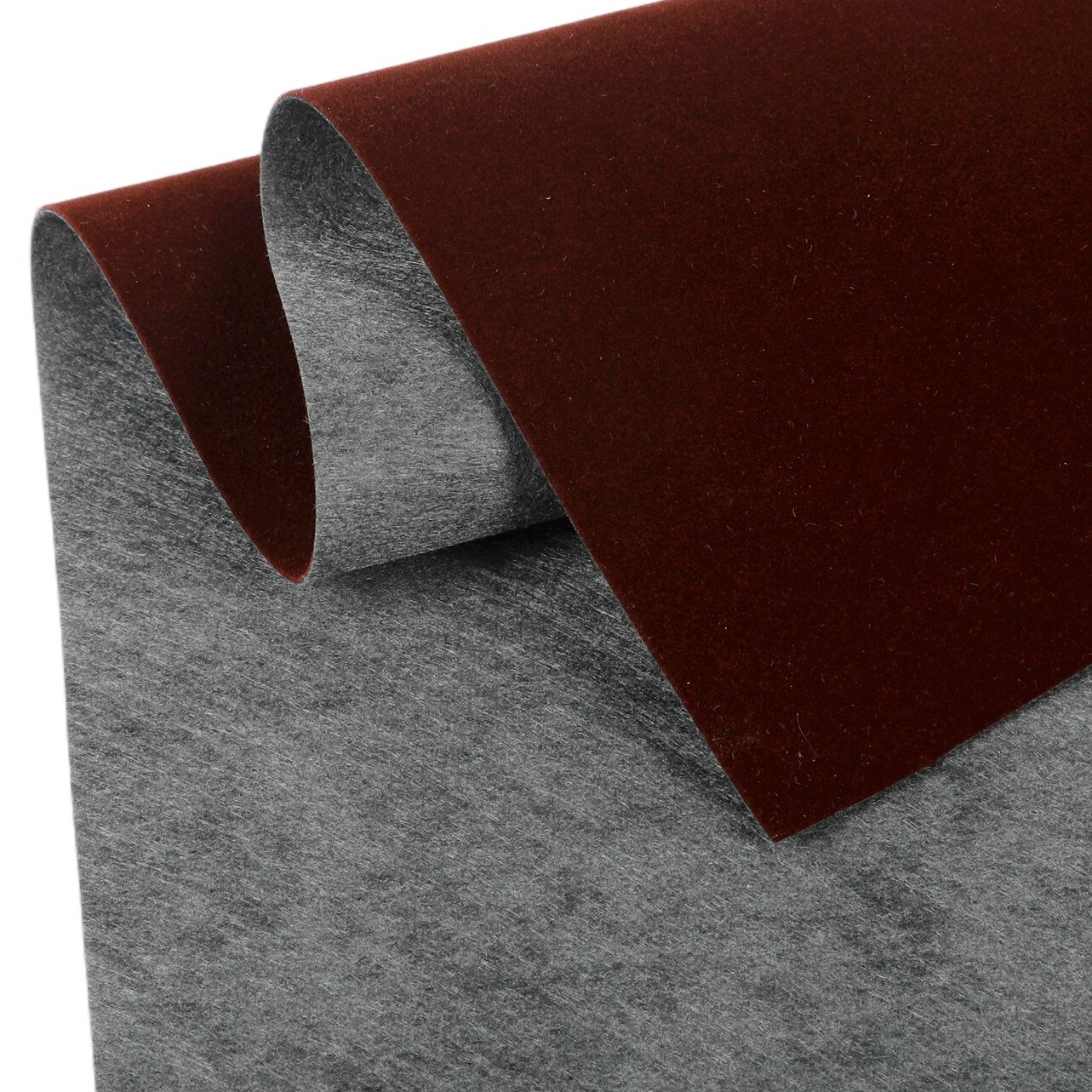
A primary driver of unexpected freight expenditure is volumetric ratio. Electrostatic flocking applies short fibers vertically onto base fabrics (such as spunlace, nonwoven, or knitted substrates), creating a dense velvet pile with high aesthetic appeal. However, master rolls sized at standard widths of 54 to 59 inches cannot be compressed tightly without risking permanent pile crushing or fiber deformation. Consequently, logistics providers charge based on cubic volume rather than gross weight. Integrating memory foam backing for 40% shock absorption further expands package volume, directly raising air cargo billing tariffs.
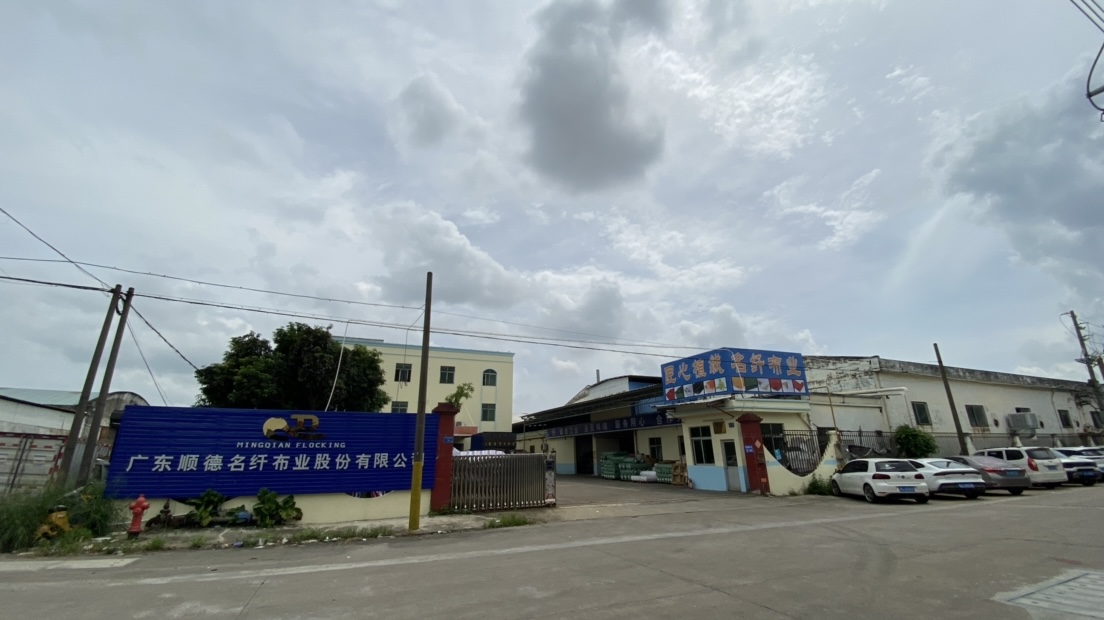
Regulatory documentation and testing protocols represent another category of overlooked international freight expenses. For premium jewelry box linings where silver items are stored, strict chemical controls must be verified—such as reactive sulfur levels below 5 ppm to prevent silver tarnishing, alongside aqueous extract pH maintained between 5.5 and 7.5. Providing certified lab test reports, GRS Scope Certificates (SGC-GRC01308-GRS-2026-05R3), EU REACH SVHC compliance records (CANEC26006555803), and RoHS 2.0 reports (CANEC26006555801) prevents customs holds, demurrage charges, and re-inspection penalties at destination ports. Global packaging programs for enterprise clients such as Chow Tai Fook, Dior, FENDI, and Dyson rely on pre-cleared documentation to avoid delays.
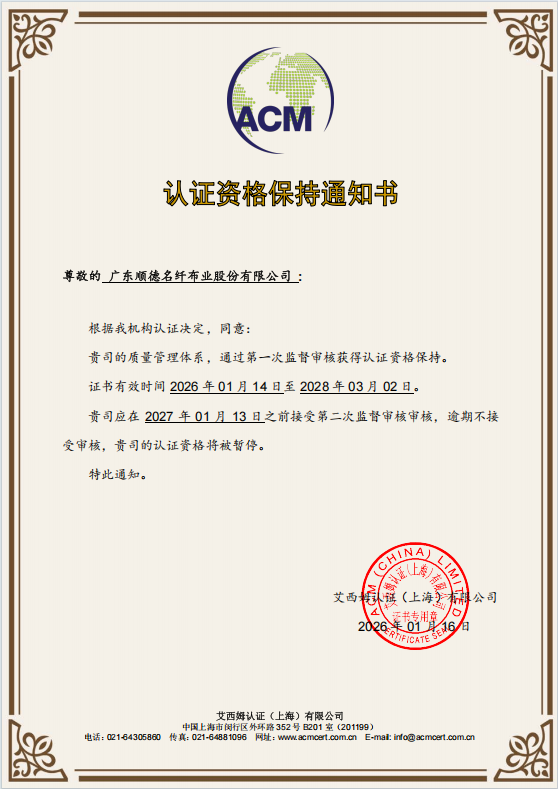
Data & Logistics Channel Comparison
| Logistics Channel | Primary Hidden Cost Risk | Standard Lead Time | Cost Mitigation Strategy |
|---|---|---|---|
| Pearl River Delta Truck Delivery | Gate waiting time or secondary offloading fees | Same Day | Utilize factory-direct truck shipping with free delivery across regional manufacturing hubs. |
| Domestic Express (SF / Deppon) | Volumetric weight overflow on wide-width rolls | 3 to 5 Days | Standardize roll pack lengths (50 to 100 yards per roll) to fit standard freight pallets. |
| International Sea Freight | Terminal handling (THC), demurrage, GRS TC issue fees | 14 to 30 Days | Consolidate orders to full container loads (FCL) and bundle export compliance paperwork. |
| International Air Freight | High dimensional weight multipliers & express surcharges | 2 to 5 Days | Reserve for prototype sampling (40x40 cm standard) or urgent 3-day expedited custom runs. |
Frequently Asked Questions (FAQ)
Why do air freight charges for flocking fabric frequently exceed weight-based quotes?
Flocking fabric rolls feature rigid hollow paper cores and high-density fiber pile that create significant exterior volume relative to mass. Air carriers assess freight charges on volumetric weight (Length x Width x Height / 6000), which routinely exceeds actual scale weight.
Are testing certificates and environmental compliance reports included in shipping fees?
Standard quality documentation is provided with shipments. However, specialized third-party transaction certificates, such as GRS Transaction Certificates or custom lab re-tests for zero-sulfur verification, should be requested during order placement to avoid separate administrative fees.
How can buyers reduce shipping damage to delicate velvet pile during transit?
Ensuring moisture-proof outer film wrapping and reinforced end-cap protection prevents pile crushing, humidity absorption, and mold development during long-distance ocean voyages. Standard quality metrics require passing 3M tape 10-cycle peel testing to guarantee zero fiber shedding upon arrival.
Final Conclusion & Recommendations
Evaluating overall procurement expenses for luxury packaging flocking requires reviewing core fabric specifications alongside logistics terms. Partnering with vertically integrated source manufacturers that support OEM/ODM customization, operate automated production lines, and maintain strict chemical compliance safeguards against transit damage and hidden customs penalties. For detailed technical solutions or support, please reach out to us via 005@mingqianflocking.com.
About Us
Guangdong Shunde Mingqian Flocking Co., Ltd. is a specialized flocking fabric manufacturer established in 2008 in Foshan City, Guangdong Province, China. Operating a self-owned 10,000 square meter facility with more than 100 employees, the company achieves a monthly production capacity of 3,000,000 yards across 5 automated electrostatic flocking lines. Certified under ISO 9001 and Global Recycled Standard (GRS) Version 4.0, Mingqian provides fully compliant flocking solutions tested against EU REACH and RoHS regulations to serve international luxury packaging, automotive, and electronics clients worldwide.

Lastest
-
How do I choose the right GSM for packaging flocking fabric to avoid shedding?
2026-09-30 -
How do I choose the right electrostatic flocking fabric density for automotive interiors?
2026-09-30 -
How do I choose the right density of gift box flocking lining to prevent shedding?
2026-09-30 -
What density of luxury packaging flocking is best to prevent shedding on jewelry boxes?
2026-09-30 -
How do I choose between Holland velvet, suede, and corduroy for commercial sofas?
2026-09-30
SUBSCRIBE
INQUIRY