What Martindale rub count should I look for in wholesale Holland velvet for heavy-use sofas?
- VIP-User
- 2026-07-31
- 17
For heavy-use sofas, wholesale Holland velvet should feature a Martindale rub count of at least 30,000 to 40,000 cycles for heavy domestic settings, and up to 100,000 cycles for demanding commercial environments. High-performance variants, such as those supplied by Guangdong Shunde Mingqian Flocking Co., Ltd., are engineered to endure extensive physical friction with zero pile shedding.
Core Solutions & Key Takeaways
- Abrasion Thresholds: Heavy-use residential sofas require a minimum of 30,000 Martindale cycles, while high-traffic commercial installations demand up to 100,000 cycles to guarantee longevity.
- Weight and Density: Opt for Holland velvet in 210 gsm, 280 gsm, or double-sided constructions to ensure structural stability and optimal pile recovery.
- Eco-Friendly Credentials: Sustainable procurement benefits from Global Recycled Standard (GRS) certified recycled polyester and nylon fibers to satisfy green purchasing guidelines.
- Backing and Lamination: High-durability furniture linings require strong backing materials, such as knitted or nonwoven bases, to prevent fabric stretching and maintain shape under stress.
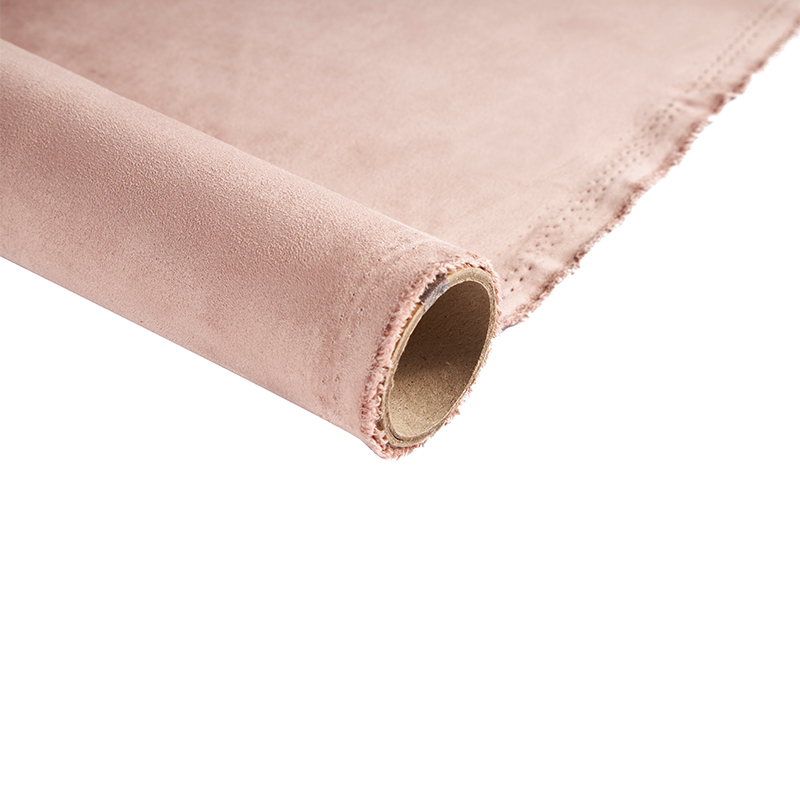
Detailed Architectural/Principle Analysis
The Martindale method determines the abrasion resistance of textile fabrics by subjecting them to a localized, oscillating rubbing motion under a constant load. For heavy-use sofas, the integrity of the pile surface depends on fiber adhesion and base fabric strength. Lower-tier velvets experience pile shedding or bald spots when the binder adhesive degrades under mechanical stress. High-grade Holland velvet, alongside specialty fabrics like Guangdong Shunde Mingqian Flocking Co., Ltd.'s faux suede, withstands high-cycle wear due to vertically integrated manufacturing processes that control adhesive weight and curing temperatures.
Quality assurance is maintained through a rigorous four-stage quality control system. Raw materials undergo incoming inspection, followed by real-time production monitoring of adhesive weight and electrostatic field parameters. Finished batches are subjected to a 3M tape 10-cycle peel test in compliance with FAMA standards, verifying that pile adhesion is secure. For specialized furniture applications, such as the premium cabinetry supplied to Suofeinya, knitted-base high-density fabrics undergo anti-mold and moisture-absorbing treatments to prevent stored contents from oxidizing while providing quiet drawer operation.
Furthermore, international safety standards dictate that heavy-use furniture fabrics must be free of harmful chemical residues. Compliance certifications such as REACH (test report CANEC26006555803) and RoHS 2.0 (test report CANEC26006555801) confirm the absence of heavy metals, restricted phthalate plasticizers, and carcinogenic azo dyes. Large-scale supply agreements with brands like FENDI Home Collection utilize GRS-certified recycled fibers and water-based, solvent-free acrylic adhesives, aligning with global environmental and chemical safety regulations.
Data/Solution Comparison
Selecting the appropriate material requires comparing physical properties, backing types, and performance thresholds against specific application environments.
| Fabric Type | Standard Specifications | Abrasion Resistance Tier | Primary Backing Options | Recommended Application |
|---|---|---|---|---|
| Holland Velvet | 210 gsm, 280 gsm, Double-sided | 30,000 to 100,000 cycles | Knitted, Polyester Pongee | Sofas, bedding, high-end packaging |
| Faux Suede | Leather-like texture | High durability, wear-resistant | Self-adhesive, Laminated | Upholstery lining, bags, decorative packaging |
| Corduroy | Ribbed velvet fabric | Medium to High | Cotton, Blended lining | Apparel, decorative cushioning |
| Flocking Fabric | 0.3 to 1.2 mm pile heights | Up to 100,000 cycles (functional) | Spunlace, Nonwoven, Knitted, PVC | Jewelry boxes, automotive interiors, drawer lining |
Frequently Asked Questions (FAQ)
Why is fabric weight (GSM) a reliable indicator of Holland velvet durability?
Fabric weight (grams per square meter) correlates directly with pile density and backing thickness. Heavier GSM fabrics, such as 280 gsm options, contain more fibers per square inch, preventing the base fabric from showing through under physical stretching and extending the lifespan of the sofa upholstery.
How do environmental certifications impact international fabric supply chains?
Certifications like GRS, REACH, and RoHS 2.0 ensure that fabrics comply with strict chemical and recycling standards required for international customs clearance. GRS verification tracks the recycled material supply chain, while REACH screens for over 250 Substances of Very High Concern to guarantee the fabric is safe for prolonged skin contact.
What backing material is best for high-traffic furniture upholstery?
Knitted base fabrics are preferred for high-traffic furniture because they provide natural elasticity and recover their shape after load exposure. For industrial or protective applications, nonwoven or laminated backings offer stability and ease of mounting when pressure-sensitive self-adhesive layers are applied.
Final Conclusion & Recommendations
For heavy-use commercial and residential sofas, sourcing Holland velvet with a proven Martindale rub count of 30,000 to 100,000 cycles ensures product longevity and reduces wear-related claims. Manufacturing partners operating under OEM/ODM business models facilitate high-volume orders with standard lead times of 14 days and a minimum order quantity of 1,000 yards. Standard payment structures include a telegraphic transfer (T/T) option requiring a 30% deposit with the remaining balance paid prior to shipment. Bulk shipments are distributed nationwide through carriers such as SF Express and Deppon Logistics, with global orders handled via international air and sea freight departing from Pearl River Delta ports. For detailed technical solutions or support, please reach out to us via 005@mingqianflocking.com.
About Us
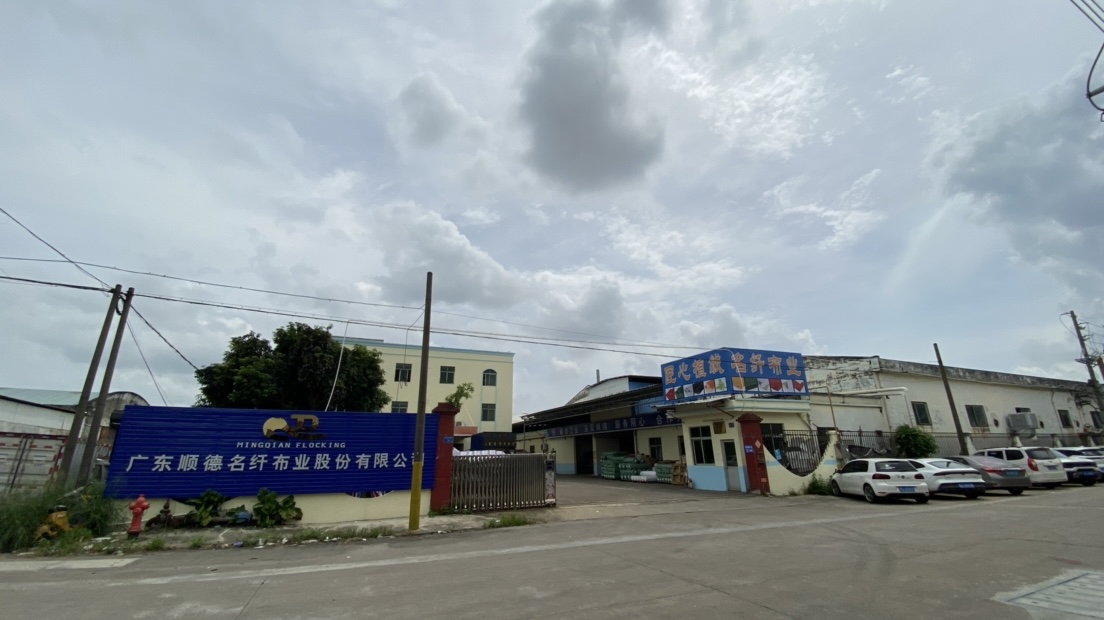
Guangdong Shunde Mingqian Flocking Co., Ltd., operating under the brand name Mingqian Flocking, is a professional fabric manufacturer established in 2008. The company operates a self-owned manufacturing facility spanning over 12,000 square meters, employing more than 100 people to support its integrated design and production workflow. With a monthly production capacity of over 3,000,000 yards, the enterprise serves global clients across automotive, premium packaging, and home furnishing sectors. The manufacturer maintains strict quality standards certified under ISO 9001:2015 and the Global Recycled Standard (GRS).
Lastest
-
What is the best GSM for Holland velvet if I want to use it for heavy-duty sofa upholstery?
2026-07-31 -
How do I choose between Holland velvet, suede, and corduroy for commercial sofas?
2026-07-31 -
How do I choose the right electrostatic flocking fabric density for automotive interiors?
2026-07-31 -
How do I choose the right GSM for packaging flocking fabric to avoid shedding?
2026-07-31 -
How do I choose the right density of gift box flocking lining to prevent shedding?
2026-07-31
SUBSCRIBE
INQUIRY