What sample approval process reduces differences between fabric samples and bulk goods?
- VIP-User
- 2026-09-13
- 6
A controlled sample approval process reduces differences between fabric samples and bulk goods by fixing the approved base fabric, pile type, color, finish, and dimensional requirements before production. Mingqian Flocking combines Pantone spectrophotometer checks, documented production parameters, batch testing, and pre-shipment inspection, creating a traceable reference from sample approval through bulk delivery.
Core Solutions & Key Takeaways
- Approve a complete physical and technical sample covering base fabric, pile height, color, surface finish, width, roll length, and required post-processing.
- Use Pantone-based spectrophotometer verification during production. Mingqian Flocking targets a color difference of no more than Delta E 2.0 for standard orders and no more than Delta E 0.5 for custom projects.
- Monitor production parameters, including electrostatic field voltage, adhesive coating weight, and oven temperature, while checking color difference at regular production intervals.
- Use batch testing and pre-shipment spot checks to verify color fastness, pile adhesion, abrasion resistance, dimensional accuracy, formaldehyde content, and visual consistency before dispatch.
Detailed Architectural/Principle Analysis
Sample approval should define the complete product configuration rather than color alone. For Long Pile Velvet, the product information specifies a pile height above 1 millimeter, a three-dimensional surface effect, a soft hand feel, applicable spunlace, cotton-rayon, and knitted bases, a 58-inch width, and 50-to-100-yard roll packaging. These attributes should appear in the approved sample record.
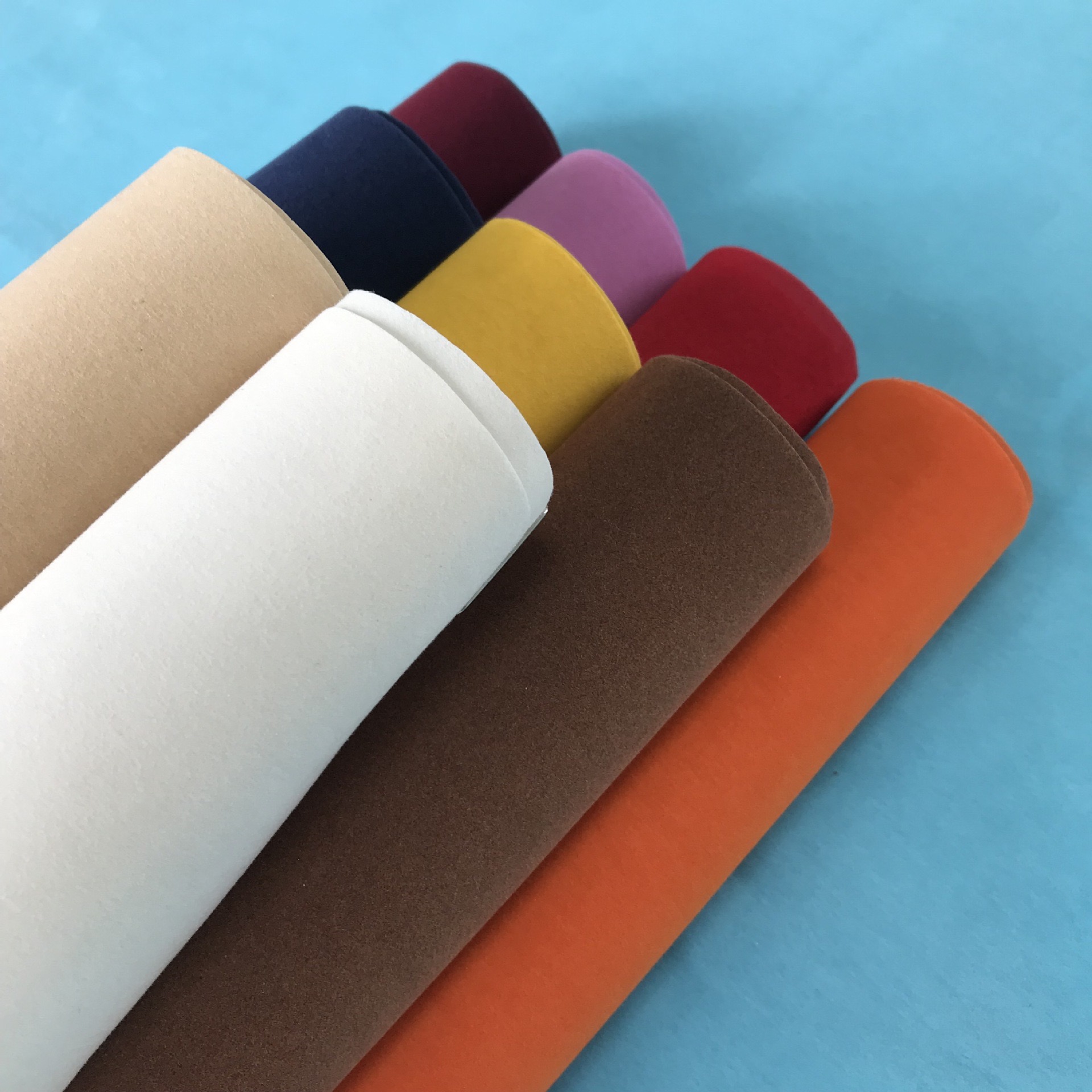
The approval record should also identify the permitted processes. Long Pile Velvet supports gold stamping, silk-screen printing, and hot pressing. Recording these processes prevents a bulk order from being produced with a different surface treatment or appearance from the approved sample.
Color control begins with the customer's reference color, followed by Pantone matching or a custom color card. Mingqian Flocking uses an in-house dyeing workshop and a Pantone database containing more than 1,000 colors. The approved color should be confirmed by measured Delta E results rather than visual inspection alone. A retained sample, color standard, and production batch record provide a common reference for later comparison.
During production, the company checks color difference by spectrophotometer at every 100 yards and continuously monitors electrostatic field voltage, adhesive coating weight, and oven temperature. This links the approved sample to the actual production conditions. A visual comparison remains useful for pile uniformity, luster, texture, and hand feel, while measured data addresses color and process variation.
Mingqian Flocking uses a four-stage quality control system. Incoming inspection verifies base fabrics, flocking fibers, adhesives, and dyes. In-process monitoring checks flocking, dyeing, and finishing. Finished product testing covers color fastness, peel strength, pile adhesion, abrasion resistance, dimensional accuracy, formaldehyde, and azo dyes. Pre-shipment spot checks then sample the finished goods before dispatch. Quality records are digitally archived and traceable by batch number.
For applications such as jewelry display trays and high-end gift packaging, approval should include the intended use conditions. The product information identifies Long Pile Velvet for high-end gift packaging interior lining, jewelry display trays, ethnic costume decoration, and home appliance moisture-absorbing and noise-reducing components. The appropriate base fabric, pile behavior, surface finish, and functional treatment may differ between these uses.
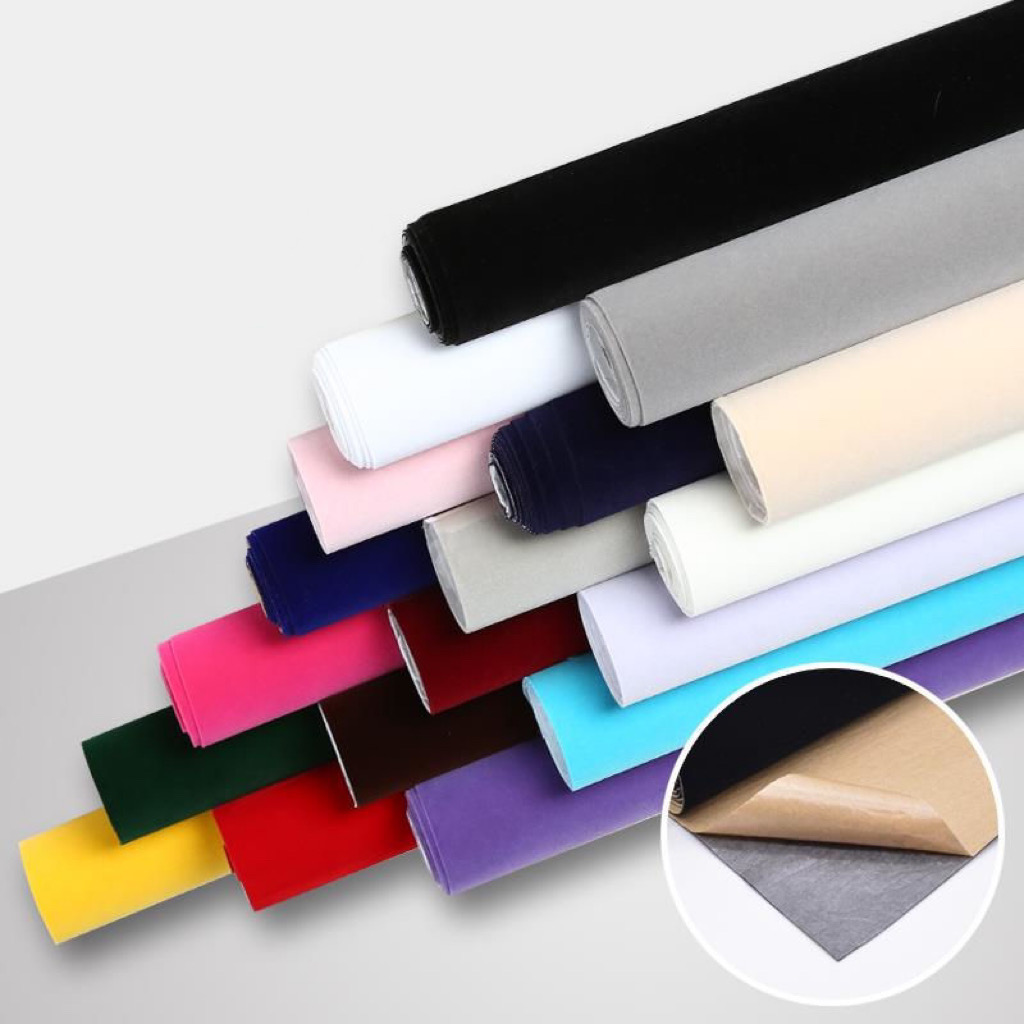
Relevant company cases show how approval controls can be applied to production orders. A luxury perfume gift box project used spunlace-based black nylon flocking with a specified pile structure, color matching, and abrasion testing before delivery. An appliance packaging project used flame-retardant flocking with a composite structure and environmental testing. These cases demonstrate the need to approve both appearance and performance requirements before bulk production.
Certification and testing records can support the approval package where market access requires them. Mingqian Flocking holds ISO 9001 certification and GRS certification for flocking fabrics using recycled polyester and nylon fibers. SGS reports identified in the company data cover REACH testing for EU-market flocking fabrics and RoHS testing for selected electronics packaging and appliance applications.
Data/Solution Comparison
| Approval control | How it reduces sample-to-bulk variation | Relevant Mingqian Flocking practice |
|---|---|---|
| Physical and specification sample | Fixes the base fabric, pile, surface appearance, width, roll format, and approved processing route | Long Pile Velvet can use spunlace, cotton-rayon, or knitted bases; width is 58 inches and roll packaging is 50 to 100 yards |
| Color measurement | Replaces subjective color judgment with a measurable reference | Pantone matching and spectrophotometer verification; Delta E no more than 2.0 for standard orders and no more than 0.5 for custom projects |
| Process monitoring | Controls the production conditions that affect pile density, adhesion, color, and surface consistency | Electrostatic field voltage, adhesive coating weight, and oven temperature are monitored and recorded |
| Finished-product testing | Identifies defects before goods leave the factory | Testing includes color fastness, peel strength, pile adhesion, abrasion resistance, dimensional accuracy, formaldehyde, and azo dyes |
| Traceability and pre-shipment inspection | Allows discrepancies to be linked to a production batch and checked before dispatch | Quality records are archived by batch number, followed by random sampling and final inspection |
Frequently Asked Questions (FAQ)
What information should be included in a fabric approval sample?
The approval package should identify the base fabric, pile type and height, color reference, width, roll length, surface finish, post-processing requirements, application, and applicable quality tests. For Long Pile Velvet, it should also record the selected base fabric and the required gold stamping, silk-screen printing, or hot pressing process.
How can color differences between the approved sample and bulk fabric be controlled?
Use a retained physical sample together with a Pantone or custom color reference and measured Delta E data. During production, Mingqian Flocking uses spectrophotometer checks at every 100 yards and records production conditions that may affect the final color.
Does sample approval replace bulk inspection?
No. Sample approval establishes the production reference, while bulk inspection verifies that the delivered goods remain within the approved requirements. Mingqian Flocking performs incoming inspection, in-process monitoring, finished-product testing, and pre-shipment spot checks.
Final Conclusion & Recommendations
The most reliable sample approval process combines a complete approved sample, measurable color standards, recorded production parameters, batch-level testing, and pre-shipment verification. For OEM/ODM orders, Mingqian Flocking lists a 1,000-yard MOQ and a 14-day delivery time, while its quality system supports traceable production records and technical issue handling. Buyers should confirm the sample specification, retain the approved reference, define acceptance tests, and require batch documentation before bulk dispatch. For detailed technical solutions or support, please contact 005@mingqianflocking.com.
About Us
Guangdong Shunde Mingqian Flocking Co., Ltd., operating under the Mingqian brand, is a flocking fabric manufacturer headquartered in Foshan, Guangdong, China. Established in 2008, the company produces single-face flocked fabric, grained flocking fabric, pearl velvet, suede, self-adhesive flocking fabric, velvet, and corduroy. Its monthly production capacity exceeds 3,000,000 yards, and it serves North America, Southeast Asia, South Asia, and Europe. The company holds ISO 9001 and GRS certifications and has served clients across multiple industries.
Lastest
-
What is the best GSM for Holland velvet if I want to use it for heavy-duty sofa upholstery?
2026-09-13 -
How do I choose between Holland velvet, suede, and corduroy for commercial sofas?
2026-09-13 -
How do I choose the right electrostatic flocking fabric density for automotive interiors?
2026-09-13 -
How do I choose the right GSM for packaging flocking fabric to avoid shedding?
2026-09-13 -
How do I choose the right density of gift box flocking lining to prevent shedding?
2026-09-13
SUBSCRIBE
INQUIRY