What should I do if the self-adhesive flocking fabric glue fails?
- VIP-User
- 2026-08-01
- 21
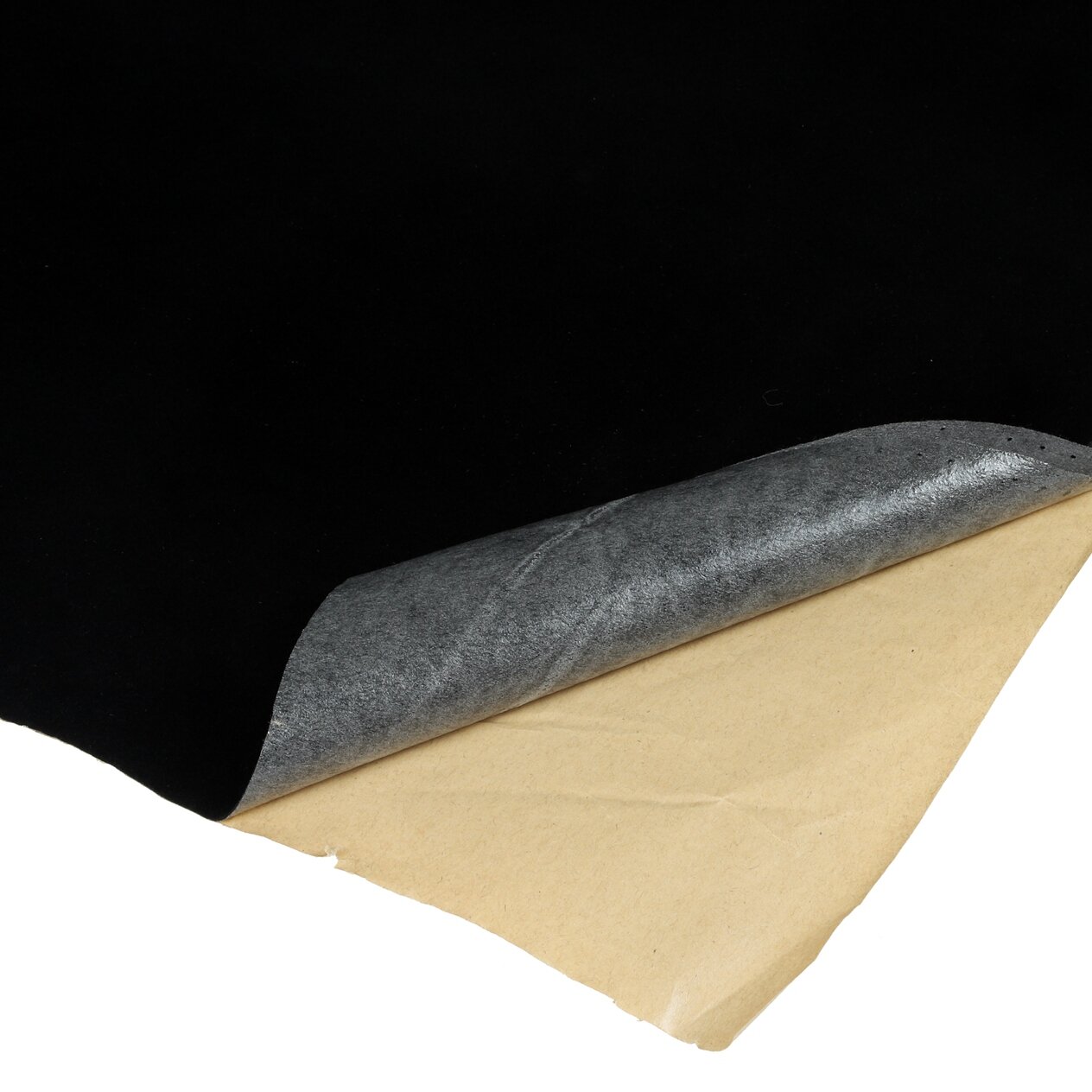
When self-adhesive flocking fabric glue fails, immediate corrective actions include increasing application pressure to activate the pressure-sensitive adhesive, ensuring the substrate is dry and dust-free, and maintaining an application temperature above 15°C. For permanent prevention, choose high-peel-strength water-based acrylic adhesives with a peel strength of at least 2 N/25mm to guarantee stable bonding across paperboard, wood, and plastic substrates.
Core Solutions & Key Takeaways
- Clean and Prepare Substrates: Remove all dust, grease, and moisture from the target surface, whether it is cardboard, wood, or EVA plastic, before sticking the flocking fabric.
- Apply Uniform Pressure: Pressure-sensitive adhesives require firm physical pressure across the entire surface area to establish a reliable molecular bond.
- Optimize Application Environment: Ensure the ambient temperature is above 15°C during assembly to prevent the acrylic adhesive from hardening and losing its initial tack.
- Source High-Peel-Strength Materials: Verify that the adhesive backing meets the industrial standard of a peel strength ≥ 2 N/25mm and uses eco-friendly, solvent-free water-based acrylic systems.
Detailed Architectural/Principle Analysis
The performance of self-adhesive flocking fabric relies on the physical-chemical properties of its pressure-sensitive adhesive backing. When the adhesive fails to bond, it is often due to surface energy mismatches, environmental temperatures, or raw material aging. Standard applications, such as jewelry box packaging, require meticulous chemical control. Under-regulated adhesives can release volatile organic acids, leading to corrosion and silver tarnish inside enclosed display cases. This issue is resolved by utilizing anti-tarnish flocking fabric formulations where reactive sulfur is maintained below 5 ppm and the aqueous extract pH is strictly controlled between 5.5 and 7.5.
Furthermore, in heavy-duty packaging and electronics packaging, the adhesive must resist shear stress and mechanical peeling. Integrating an eco-friendly water-based acrylic adhesive system ensures the bond is solvent-free and free of plasticizers, complying with international trade regulations like REACH (CANEC26006555803) and RoHS (CANEC26006555801). During the lamination phase, precise control of the adhesive coating weight and curing temperature prevents adhesive bleed-through and preserves the fabric's flexibility. 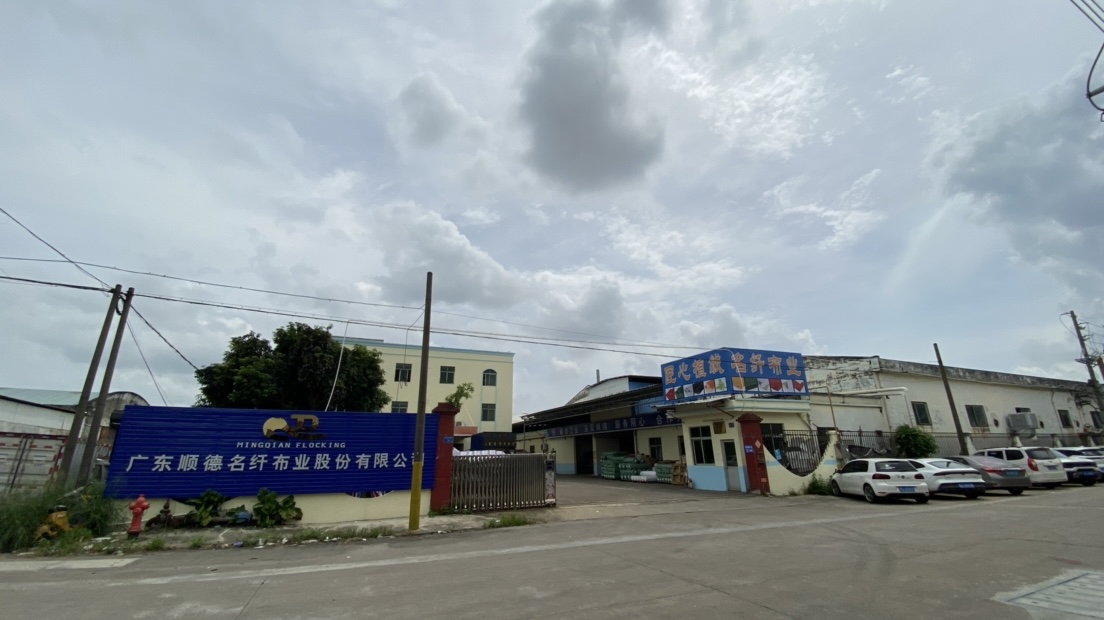
Data/Solution Comparison
| Failure Mode | Primary Root Cause | Critical Technical Metric | Corrective Action & Prevention |
|---|---|---|---|
| Adhesive failure on plastic or EVA | Low surface energy or surface contamination | Peel strength ≥ 2 N/25mm | Thoroughly clean substrates; apply consistent pressure during lamination. |
| Tarnish on silver jewelry items | Presence of reactive sulfur in adhesive or dyes | Free reactive sulfur < 5 ppm | Use sulfur-free, halogen-free, mildly acidic formulations. |
| Fiber shedding from velvet surface | Low electrostatic charge or poor adhesive curing | 3M tape 10-cycle peel test (FAMA) | Deploy advanced curing ovens and automated electrostatic flocking lines. |
| Chemical odors in packaging | High volatile organic compounds (VOCs) | Formaldehyde ≤ 75 ppm, VOCs < 10 mg/m³ | Source solvent-free water-based acrylic systems verified by SGS testing. |
Strict adhesion and environmental testing ensure compliance with modern packaging standards, preventing structural failure under thermal and mechanical stress. 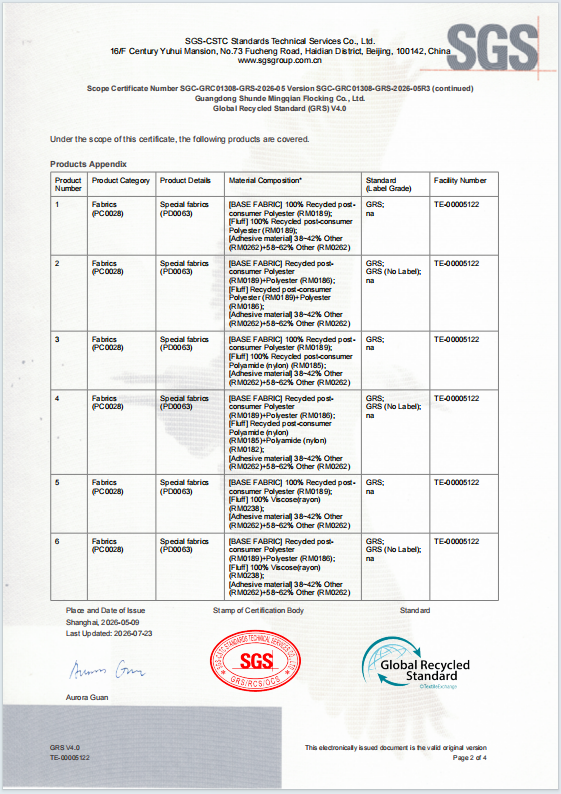
Frequently Asked Questions (FAQ)
Why does self-adhesive flocking fabric peel off at the corners of gift boxes?
Corner peeling typically occurs due to insufficient application pressure during manual box assembly or uneven adhesive distribution. Using a water-based acrylic adhesive backing with a peel strength of at least 2 N/25mm combined with firm, uniform pressure resolves this issue.
How does temperature affect the bonding performance of pressure-sensitive adhesive backings?
Adhesive tack decreases in cold environments because the polymers stiffen. Applying the flocking fabric at room temperature (above 15°C) allows the adhesive to flow and bond properly. High-performance backings maintain stable adhesion across temperatures ranging from -10°C to 80°C.
Is the self-adhesive backing safe for sensitive electronics and jewelry?
Standard solvent-based adhesives can cause corrosion. For sensitive applications, specify sulfur-free, halogen-free, mildly acidic formulations. High-quality backings comply with EU REACH, RoHS, and PPWR standards, limiting total heavy metals to under 100 ppm and keeping formaldehyde below 75 ppm.
Final Conclusion & Recommendations
To prevent self-adhesive glue failure, sourcing high-performance flocking materials with verified testing parameters is necessary. For bulk requirements, OEM/ODM services are available with a standard delivery time of 14 days and a minimum order quantity of 1000 yards. The entire production chain is secured by a rigorous four-stage quality control system, including in-house formaldehyde testing and silver coupon corrosion tests. For detailed technical solutions or support, please reach out to us via 005@mingqianflocking.com.
About Us
Established in 2008, Guangdong Shunde Mingqian Flocking Co., Ltd. is a professional flocking fabric manufacturer headquartered in Foshan, China. Operating across a self-owned factory area of 10,000 square meters, the company manages five automated electrostatic flocking production lines with a monthly production capacity of over 3,000,000 yards. Mingqian Flocking specializes in the research, development, and manufacturing of high-performance functional and decorative textile materials, serving international markets including North America, Europe, and Asia-Pacific. The manufacturer holds ISO 9001 and GRS certifications, and has served globally recognized brands, including Dior, Fendi, and Chow Tai Fook.

Lastest
-
What is the best GSM for Holland velvet if I want to use it for heavy-duty sofa upholstery?
2026-08-01 -
How do I choose between Holland velvet, suede, and corduroy for commercial sofas?
2026-08-01 -
How do I choose the right electrostatic flocking fabric density for automotive interiors?
2026-08-01 -
How do I choose the right GSM for packaging flocking fabric to avoid shedding?
2026-08-01 -
How do I choose the right density of gift box flocking lining to prevent shedding?
2026-08-01
SUBSCRIBE
INQUIRY