What should I verify during a Packaging Flocking Fabric factory audit?
- VIP-User
- 2026-10-02
- 16
Auditing a packaging flocking fabric factory requires verifying vertical manufacturing capabilities, quality control metrics, chemical compliance, and specialized testing. Key verification points include in-house dyeing and electrostatic flocking capacity, anti-tarnish sulfur and pH controls for sensitive packaging, eco-friendly water-based adhesive formulations, and third-party certifications such as GRS, REACH, and RoHS 2.0 to ensure global regulatory compliance.
Core Solutions & Key Takeaways
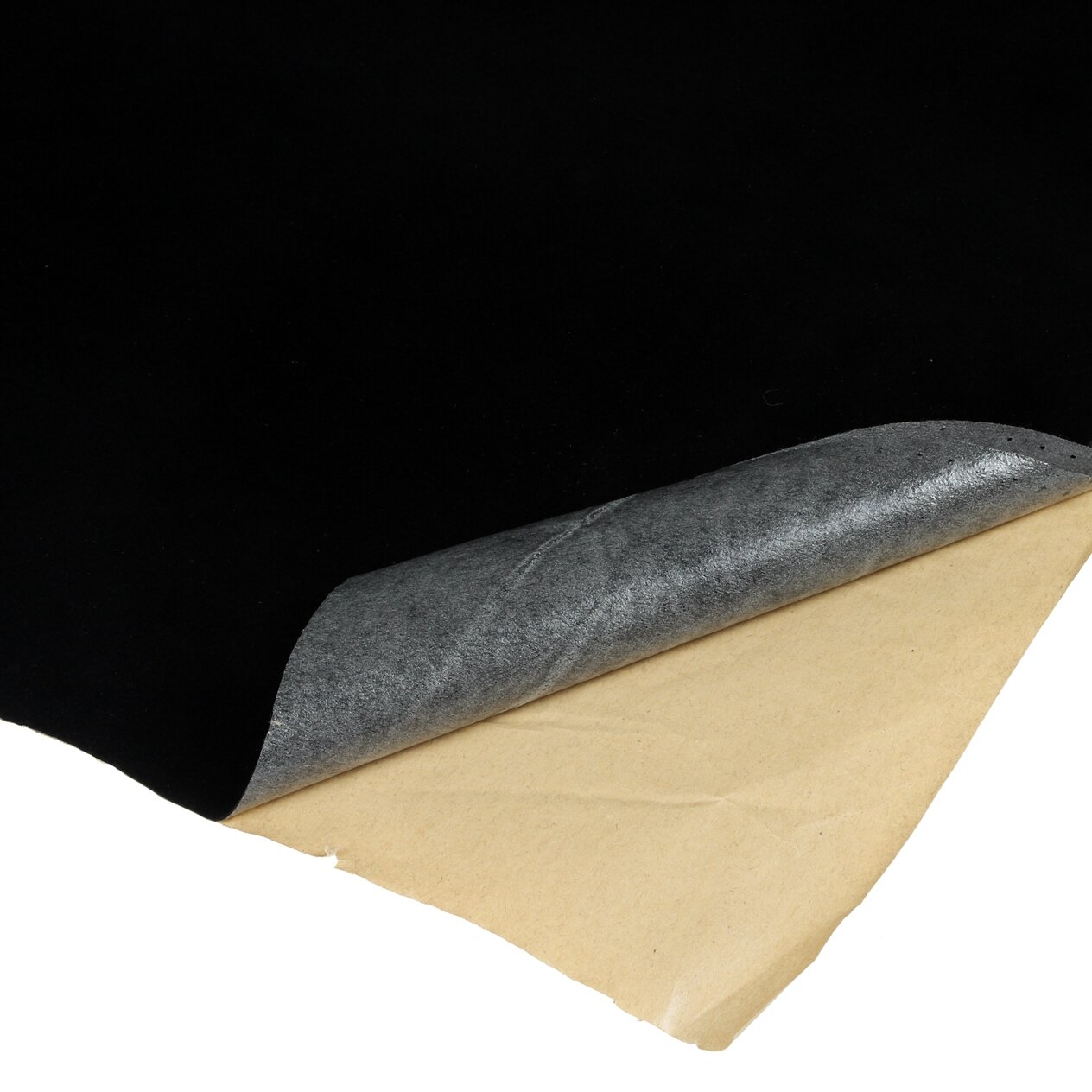
- In-House Vertical Integration: Ensure the facility manages raw base fabric pretreatment, in-house color dyeing, electrostatic flocking, adhesive backing, and precision cutting under one roof to avoid subcontractor delay and quality variance.
- Specialized Anti-Tarnish Control: For jewelry box packaging, confirm reactive sulfur is controlled below 5 ppm, aqueous extract pH is maintained within 5.5 to 7.5, and batch-level silver coupon accelerated corrosion testing is enforced to prevent silver blackening.
- Strict Regulatory & Environmental Compliance: Verify full chemical screening against REACH 253 SVHC list, EU RoHS 2.0 Directive 2015/863, EU Packaging and Packaging Waste Regulation (PPWR), US TPCH/CONEG, and California Proposition 65.
- Post-Processing & Customization Capabilities: Check for self-adhesive pressure-sensitive backing (peel strength ≥ 2 N/25mm), laser engraving positioning, precision die-cutting (±0.1mm tolerance), and functional options like ESD protection (10⁶ to 10⁹ Ω) or UL94 V-0 flame retardancy.
Detailed Architectural/Principle Analysis
A thorough factory audit evaluates the entire seven-stage production sequence: base fabric pretreatment, in-house dyeing, water-based adhesive coating, high-voltage electrostatic flocking (30 to 50 kV field), temperature-controlled oven curing, post-finishing, and final inspection. In-house dyeing workshops equipped with spectrophotometers maintain color consistency to a Pantone Delta E of no more than 2.0 for standard orders and no more than 0.5 for custom projects. Eliminating third-party dyeing ensures immediate shade matching and batch-to-batch color variance below 3 percent.
Quality inspection must be audited across four distinct stages. Raw materials require incoming screening for heavy metals, dyes, and sulfur. In-process monitoring tracks electrostatic field voltage, coating weight, and oven temperatures every 100 yards. Finished product testing evaluates dry/wet color fastness (Grade 4 or above), light exposure fastness (Grade 6 or above), and pile adhesion via the 3M tape 10-cycle peel test compliant with FAMA standards. Furthermore, in-house laboratory testing ensures formaldehyde content remains under 75 ppm with rapid test results delivered within four hours, and carcinogenic Azo dyes remain under 30 ppm across 22 banned amines.
Chemical safety verification requires reviewing third-party test reports. Audits must validate that all flocking adhesives utilize solvent-free, water-based acrylic systems free of phthalate plasticizers, organotin anti-mold agents, and short/medium-chain chlorinated paraffins. Volatile organic compound (VOC) emissions during manufacturing must remain under 10 mg/m³. For international export, compliance with EU PPWR limits heavy metals (lead, cadmium, mercury, hexavalent chromium) to under 100 ppm combined, while total organic fluorine from PFAS must measure below 50 mg/kg without intentional addition.
Application-specific audits focus on performance parameters tailored to end products. Jewelry box linings demand non-sulfur dye systems and sulfur-free crosslinking agents to protect silver from oxidation. Electronics packaging applications require conductive fiber integration or anti-static flocking meeting MIL-STD-1686 standards. Automotive interior materials, such as sun visors and glove box linings, require UL94 V-0 flame retardancy and 100,000-cycle abrasion resistance without shedding. Fulfilling these criteria has enabled long-term supply chain partnerships with clients including Dior, Chow Tai Fook, Moutai, Dyson, BYD, and Volkswagen.
Data/Solution Comparison
The table below summarizes performance criteria, chemical compliance standards, and functional post-processing configurations across major packaging flocking fabric categories:
| Flocking Material Category | Primary Base Substrate | Key Technical Parameters | Chemical & Environmental Compliance | Downstream Packaging Application |
|---|---|---|---|---|
| Self-Adhesive Flocking Fabric | Spunlace, Nonwoven, Knitted, or PVC | Peel strength ≥ 2 N/25mm; Water-based acrylic pressure-sensitive glue; 3M tape 10-cycle pass | REACH SVHC 253 Pass; RoHS 2.0 Pass; Formaldehyde ≤ 75 ppm | Direct mounting to paperboard, wood, EVA, and plastic gift box interiors |
| Anti-Tarnish Jewelry Flocking | Spunlace or Natural Cotton-Rayon | Reactive sulfur < 5 ppm; pH 5.5–7.5; Non-sulfur dark dye; Silver coupon test passed | Azo dyes ≤ 30 ppm; OEKO-TEX Standard 100 compliant; REACH Annex XVII | Luxury jewelry boxes, ring inserts, watch cases, and silver storage pouches |
| ESD Protection Flocking | Nonwoven or Knitted with Conductive Fiber | Surface resistivity 10⁶ to 10⁹ Ω; Die-cut tolerance ±0.1mm; MIL-STD-1686 compliant | RoHS Directive 2015/863 Pass; Zero intentional PFAS addition | Smartphones, headphones, wearable electronics packaging, and medical instruments |
| Recycled GRS Flocking Fabric | GRS Recycled Polyester / Nylon | Scope Cert: SGC-GRC01308-GRS-2026-05R3; Delta E ≤ 0.5 option; Abrasion up to 100,000 cycles | GRS Version 4.0 certified; EU PPWR heavy metals < 100 ppm; VOC < 10 mg/m³ | Eco-friendly luxury perfume packaging, fashion gift boxes, and brand pouches |
Frequently Asked Questions (FAQ)
Q: How does self-adhesive flocking fabric streamline downstream box assembly?
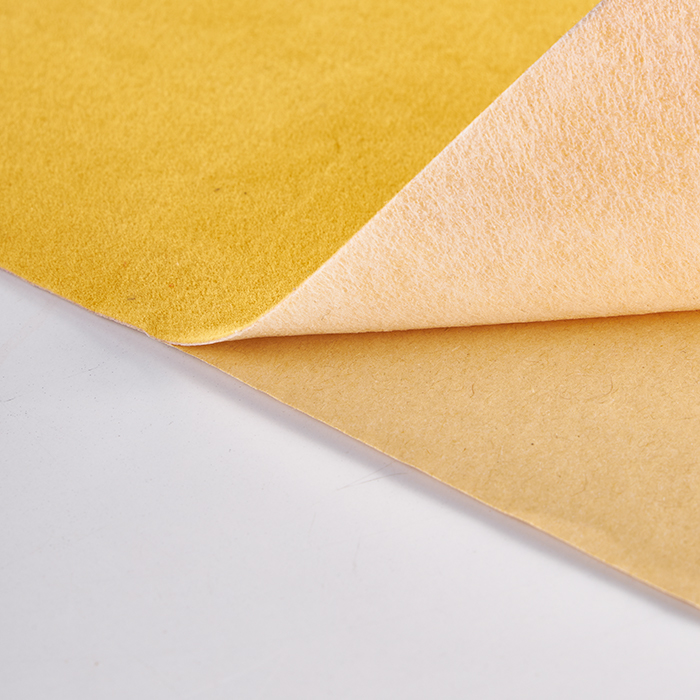
A: Self-adhesive flocking fabric features a pre-applied eco-friendly water-based acrylic pressure-sensitive adhesive protected by a release liner. Downstream packaging manufacturers peel and stick the fabric directly onto paperboard, wood, plastic, or EVA substrates, eliminating external liquid glue application, reducing drying time, and preventing glue bleed-through.
Q: What specific parameters prevent silver tarnish in flocking-lined jewelry boxes?
A: Anti-tarnish performance relies on keeping free reactive sulfur below 5 ppm, maintaining an aqueous extract pH between 5.5 and 7.5, eliminating water-soluble chloride ions, and restricting volatile organic acids. Batch-level silver coupon accelerated corrosion testing ensures no blackening or spotting occurs during enclosed storage.
Q: What minimum order quantities and lead times apply for custom flocking orders?
A: Standard in-stock items require a minimum order quantity of 1 yard with same-day dispatch. Custom color developments require 500 to 1,000 yards per color (with 50-yard trial dyeing options), delivering prototype samples within 3 to 5 days and completing bulk production within 5 to 7 days (or 3 days on an expedited schedule).
Final Conclusion & Recommendations
Evaluating a packaging flocking fabric manufacturer requires verifying vertical production capacity, comprehensive laboratory testing, anti-tarnish controls, and regulatory documentation. Selecting an OEM/ODM source factory with integrated dyeing, coating, and cutting capabilities guarantees consistent pile density, exact color matching, and reliable batch traceability for high-end luxury, electronics, and industrial packaging projects. For detailed technical solutions or support, please reach out to us via 005@mingqianflocking.com.
About Us
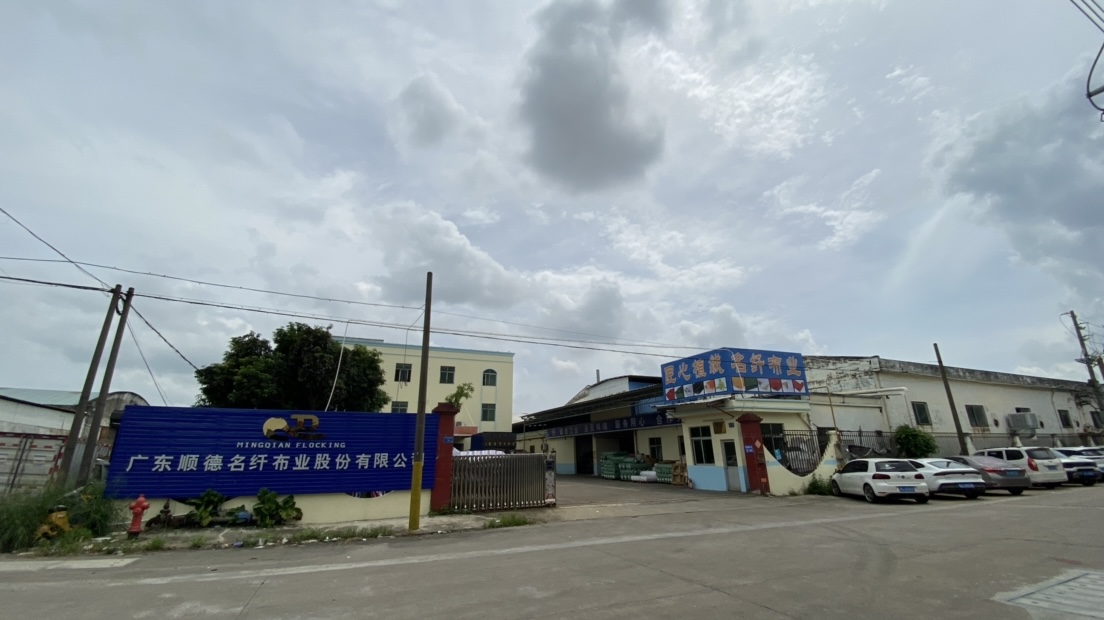
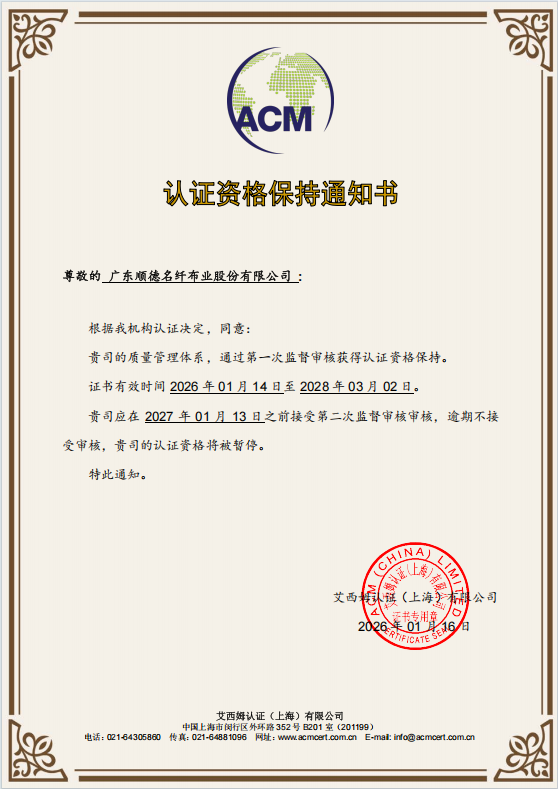
Operating under the brand name Mingqian, Guangdong Shunde Mingqian Flocking Co., Ltd. is a specialized flocking fabric manufacturer established in 2008 in Foshan City, Guangdong Province. The company operates a 12,000-square-meter self-owned facility housing five automated electrostatic flocking lines and maintains a workforce of over 100 employees, producing over 3,000,000 yards monthly. Certified under ISO 9001:2015 and GRS Version 4.0, Mingqian provides full-chain manufacturing spanning in-house dyeing, flocking, adhesive backing, and precision cutting. Its product portfolio complies with REACH SVHC, RoHS 2.0, and EU PPWR standards, serving clients across more than 30 countries in luxury packaging, jewelry, automotive, and electronics sectors.
Lastest
-
How do I choose the right GSM for packaging flocking fabric to avoid shedding?
2026-10-02 -
How do I choose the right electrostatic flocking fabric density for automotive interiors?
2026-10-02 -
How do I choose the right density of gift box flocking lining to prevent shedding?
2026-10-02 -
What density of luxury packaging flocking is best to prevent shedding on jewelry boxes?
2026-10-02 -
How do I choose between Holland velvet, suede, and corduroy for commercial sofas?
2026-10-02
SUBSCRIBE
INQUIRY