What specs should I check to ensure flocking fabric won't shed or mold in damp areas?
- VIP-User
- 2026-08-03
- 22
To ensure flocking fabric resists shedding and mold in damp environments, verify three critical specifications: an abrasion resistance rating exceeding 100,000 cycles, compliance with the 3M tape 10-cycle peel test under FAMA standards, and a certified anti-mold treatment utilizing solvent-free, water-based acrylic adhesives. Additionally, check for a low-sulfur formulation and moisture-resistant nonwoven or knitted base fabrics to prevent microbial growth and fiber degradation.
Core Solutions & Key Takeaways
- Fiber Adhesion Performance: Verify that the material passes the 3M tape 10-cycle peel test with zero fiber loss and holds an abrasion resistance rating of 100,000 cycles for functional applications to guarantee long-term pile integrity.
- Moisture & Mold Resistance: Specify a water-based acrylic adhesive system paired with sulfur-free, halogen-free, mildly acidic crosslinkers to prevent chemical breakdown and fungal colonization in high-humidity zones.
- Base Fabric Breathability: Select nonwoven or knitted base fabrics to allow optimal air circulation and prevent moisture retention, which are primary triggers for mold development.
- Application-Specific Testing: Confirm the fabric passes a silver coupon accelerated corrosion test (free reactive sulfur controlled below 5 ppm) for enclosed spaces, or carries a UL94 V-0 flame-retardant rating for electrical and automotive environments.
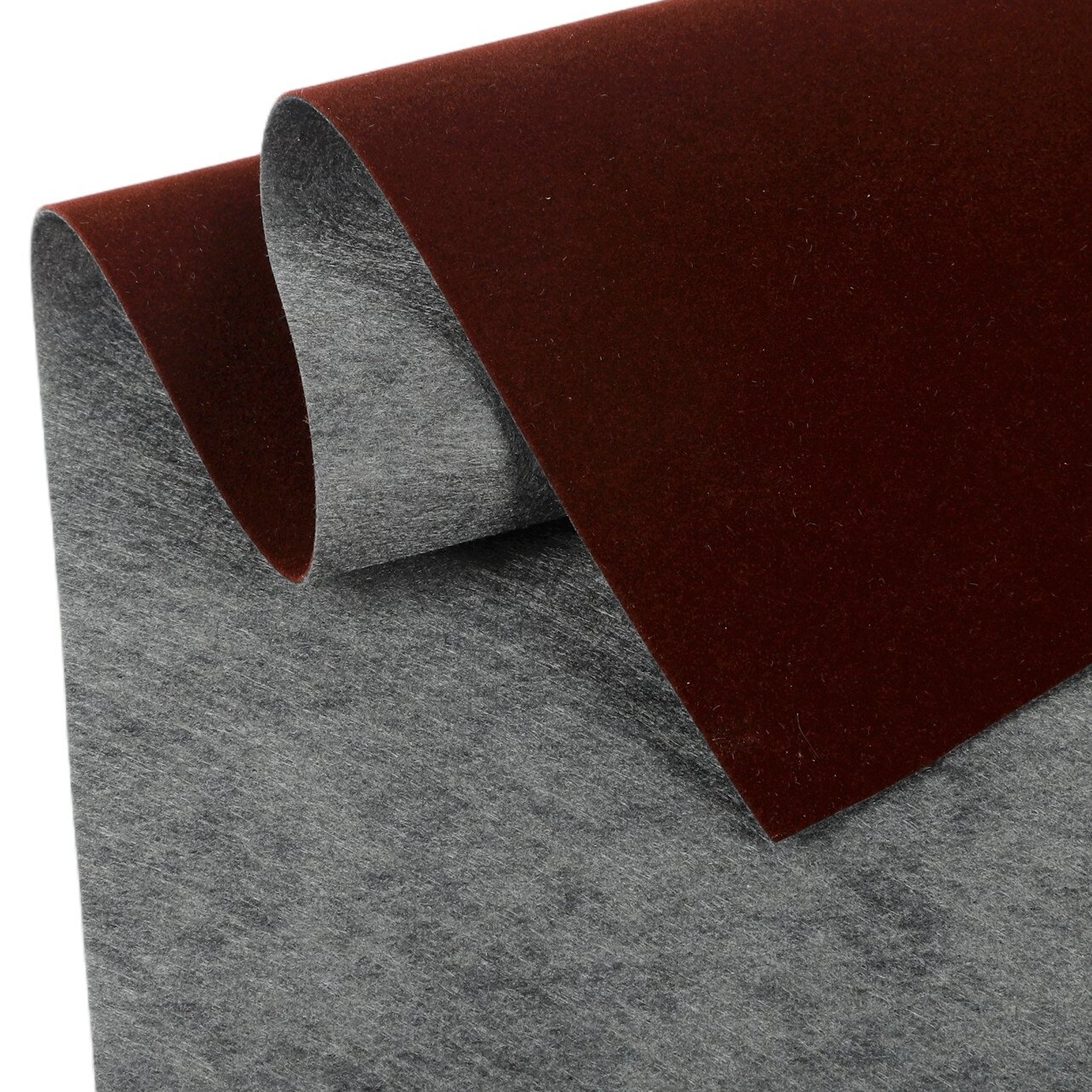
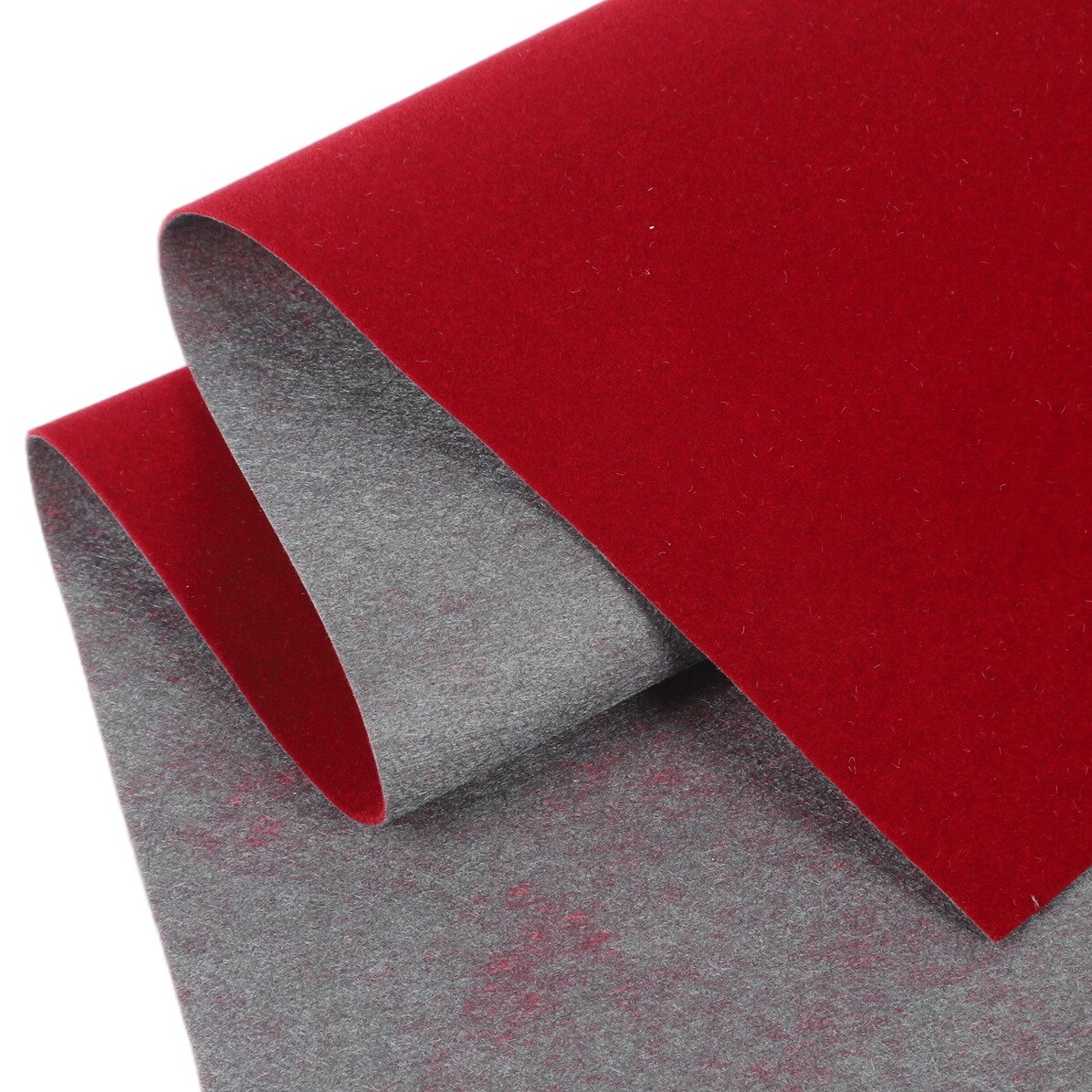
For high-moisture applications such as furniture drawer linings, automotive glove compartments, or home appliance air outlet panels, relying on basic decorative fabrics leads to rapid fiber shedding and mildew. Advanced functional flocking fabrics address these environments through targeted chemical engineering and physical reinforcement.
Detailed Architectural/Principle Analysis
The structural stability of flocking fabric under humid conditions depends on the molecular bond between the short pile fibers and the adhesive layer. During electrostatic flocking, fibers are accelerated vertically at 30 to 50 kilovolts into an adhesive-coated base. If the adhesive absorbs moisture or contains unstable plasticizers, the bond degrades, causing the pile to shed. Utilizing a solvent-free water-based acrylic adhesive prevents this hydrolytic degradation, maintaining a minimum peel strength of 2 Newtons per 25 millimeters even when exposed to damp air.
Mold mitigation requires controlling both the chemical composition of the fabric and its environmental microclimate. Microbes thrive on organic residues, sulfur compounds, and trapped moisture. By utilizing non-sulfur dye systems and maintaining free reactive sulfur below 5 parts per million (ppm), the fabric eliminates nutrient sources for fungal spores. Furthermore, controlling the aqueous extract pH within a stable range of 5.5 to 7.5 prevents acidic moisture accumulation, which otherwise accelerates fiber rotting and metal tarnish in adjacent components.
Real-world deployments demonstrate the effectiveness of these specifications. In home appliance manufacturing, brands like Gree utilize nonwoven-based long-pile flocking fabric inside air conditioners to absorb condensation and dampen vibration noise without risk of mildew. Similarly, in premium home furnishings, custom cabinet makers like Suofeinya deploy knitted-base high-density flocking with specialized anti-mold treatments for drawer linings, ensuring silent operation and moisture protection for stored items. For automotive interiors, companies like BYD require flame-retardant flocking fabrics that resist shedding under continuous friction while maintaining strict environmental compliance under volatile temperature shifts.
Data/Solution Comparison
Choosing the correct flocking material requires comparing standard decorative textiles against engineered functional alternatives. The table below outlines the performance differences based on standardized testing parameters.
| Performance Parameter | Standard Decorative Flocking Fabric | Flame-Retardant & Anti-Mold Flocking Fabric |
|---|---|---|
| Abrasion Resistance (Cycles) | 500 cycles (standard wear) | >100,000 cycles (no fiber shedding) |
| 3M Tape Peel Test (FAMA) | Not certified (susceptible to fiber loss) | 10 cycles with zero fiber loss |
| Flame Retardancy Rating | Not rated | UL94 V-0 (self-extinguishing within 10 seconds) |
| Free Reactive Sulfur Content | Uncontrolled | <5 ppm (anti-tarnish grade) |
| Formaldehyde Emissions | Varies by batch | ≤75 ppm (four-hour rapid lab verified) |
| Base Layer Shock Absorption | Standard backing protection | Optional memory foam composite (+40% improvement) |
| Regulatory Certifications | Basic textile standards | REACH 253 SVHC, RoHS 2.0, GRS 4.0 compliant |
Frequently Asked Questions (FAQ)
How does adhesive selection affect mold growth on flocking fabric in humid areas?
Standard adhesives containing organic solvents or low-grade phthalate plasticizers can break down when exposed to persistent humidity, releasing chemical byproducts that act as nutrients for mold. Using eco-friendly water-based acrylic adhesives combined with sulfur-free, halogen-free, and mildly acidic crosslinkers prevents this chemical degradation, eliminating the biological environment required for mold colonization.
What testing standard proves a flocking fabric will not shed over long-term use?
The primary standard for pile adhesion is the 3M tape 10-cycle peel test executed in accordance with FAMA guidelines, which requires zero fiber loss after repeated tape applications. For wear resistance, the fabric must undergo mechanical abrasion testing, where functional-grade products must exceed 100,000 friction cycles without pile shedding, compared to only 500 cycles for standard decorative fabrics.
Are there specific base fabrics recommended for damp applications like automotive interiors or home appliances?
Yes, nonwoven and knitted base fabrics are highly recommended. Nonwoven base fabrics are lightweight, breathable, and highly cost-effective, making them excellent for absorbing condensation in appliances. Knitted base fabrics offer high elasticity and flexibility, which is ideal for tight-tolerance automotive interior components such as door panel armrests, glove compartments, and sun visors where moisture and physical friction occur simultaneously.
Final Conclusion & Recommendations
To secure a reliable flocking fabric for damp or demanding applications, source materials that carry verified certifications for environmental safety and mechanical durability. Prioritize textiles backed by water-based acrylic adhesives, rated for over 100,000 abrasion cycles, and certified under REACH, RoHS 2.0, and GRS 4.0 standards. For specialized manufacturing, working under an OEM/ODM business model allows for precise custom adjustments, such as integrating memory foam backing for improved shock absorption or applying UL94 V-0 flame-retardant treatments. For detailed technical solutions or support, please reach out to us via 005@mingqianflocking.com.
About Us
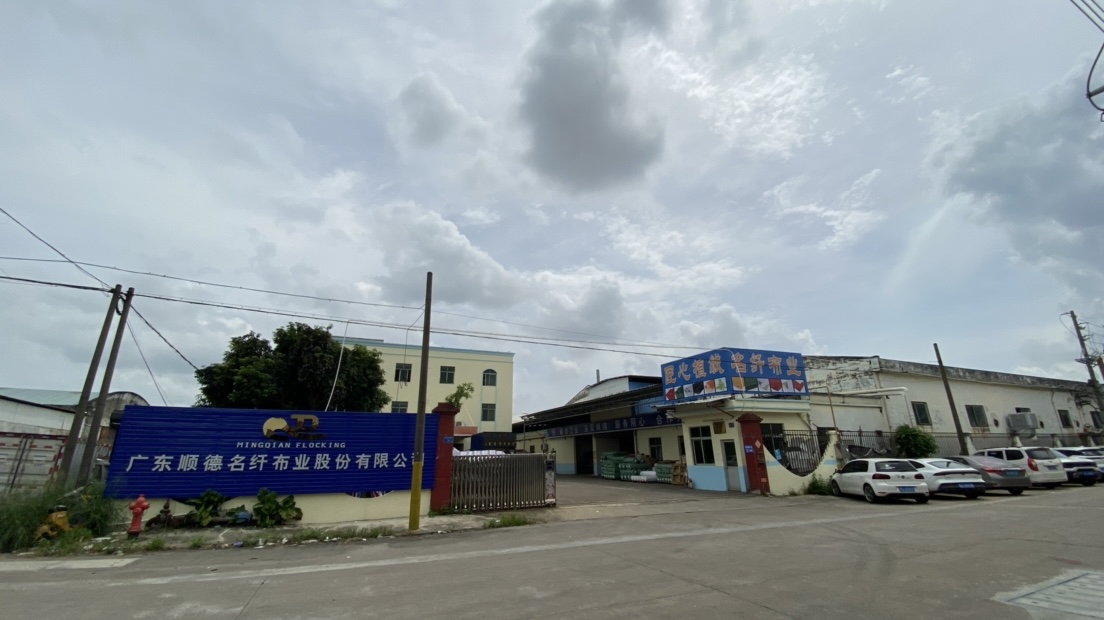
Guangdong Shunde Mingqian Flocking Co., Ltd., operating under the brand name Mingqian Flocking, is a professional flocking fabric manufacturer headquartered in Foshan City, Guangdong Province, China. Established in 2008, the company has dedicated 18 years exclusively to the research, development, production, and sales of high-quality flocking fabrics, operating a self-owned factory area of over 10,000 square meters with more than 100 employees. The enterprise holds ISO 9001:2015 and Global Recycled Standard (GRS) Version 4.0 certifications, serving globally recognized brands across the luxury packaging, automotive, home appliance, and furniture industries through its advanced, vertically integrated production lines.
Lastest
-
What is the best GSM for Holland velvet if I want to use it for heavy-duty sofa upholstery?
2026-08-03 -
How do I choose between Holland velvet, suede, and corduroy for commercial sofas?
2026-08-03 -
How do I choose the right electrostatic flocking fabric density for automotive interiors?
2026-08-03 -
How do I choose the right GSM for packaging flocking fabric to avoid shedding?
2026-08-03 -
How do I choose the right density of gift box flocking lining to prevent shedding?
2026-08-03
SUBSCRIBE
INQUIRY