What sustainable alternatives can replace Self-Adhesive Flocking Fabric?
- VIP-User
- 2026-09-20
- 6
Suitable sustainable alternatives to Self-Adhesive Flocking Fabric include paper-mounted or laminated flocking fabric, GRS-certified recycled-fiber flocking fabric, and biodegradable flocking materials under development. Water-based acrylic adhesive systems can support lower-impact flocking applications because they are solvent-free, low in VOCs, and free of phthalate plasticizers and organotin anti-mold agents.
Core Solutions & Key Takeaways
- Paper mounting and lamination can replace self-adhesive backing when the flocking fabric must be bonded to paperboard or another substrate.
- GRS-certified recycled polyester and nylon fibers provide a recycled-material option for flocking fabric applications.
- Biodegradable flocking materials are under development, targeting complete degradation within 180 days.
- Water-based acrylic adhesive systems are available for flocking production and are solvent-free, low in VOCs, and free of phthalate plasticizers and organotin anti-mold agents.
Detailed Architectural/Principle Analysis
Self-adhesive flocking fabric combines a flocked textile surface with a pressure-sensitive adhesive backing for direct mounting. A lower-impact alternative is paper mounting or lamination, in which flocking fabric is bonded to paperboard or another substrate through a controlled production process. This approach is suitable for packaging applications where the substrate can be prepared separately.
Material selection can further reduce reliance on virgin inputs. Mingqian Flocking uses GRS-certified recycled polyester and nylon fibers in applicable product lines, with Transaction Certificates available upon request. The company also identifies biodegradable flocking materials as a development direction, targeting complete degradation within 180 days.
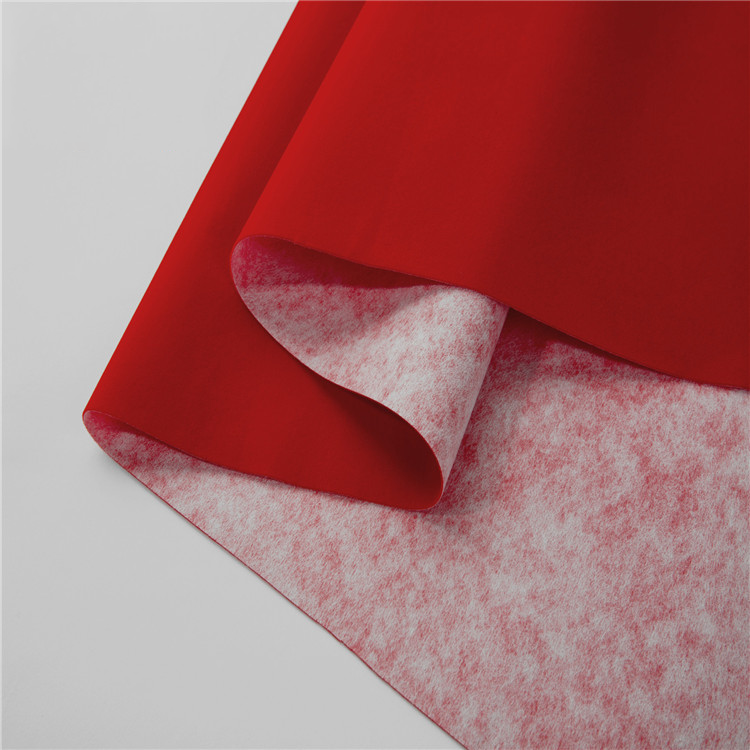
The adhesive system affects the environmental profile of a flocking construction. Mingqian Flocking states that its flocking adhesives use water-based acrylic formulations without solvents, phthalate plasticizers, or organotin anti-mold agents. The production process also reports VOC emissions below 10 milligrams per cubic meter and an in-house wastewater circulation and treatment system.
For packaging applications, recycled-fiber flocking and paper-mounted flocking can support different design requirements. Plain velvet is available on spunlace, silk, and cotton-rayon base fabrics, with paper mounting, hot pressing, gold stamping, and silk-screen printing listed as applicable processes. Its stated applications include packaging boxes, gift bags, drawstring pouches, and general packaging.
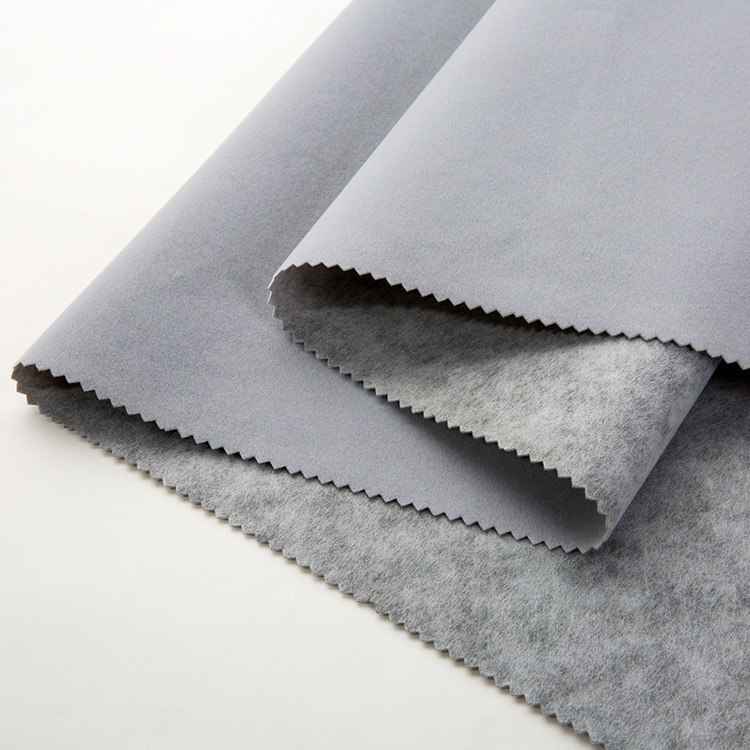
Material compliance remains part of the substitution decision. Mingqian Flocking holds ISO 9001 certification and a Global Recycled Standard certification for flocking fabrics using recycled polyester and nylon fibers. SGS testing reports listed in the supplied data include REACH screening and RoHS 2.0 testing for applicable products and markets.
Application requirements determine whether a substitute is suitable. Jewelry box packaging requires control of sulfur, pH, chloride ions, and volatile organic acids, while electronics packaging may require anti-static flocking with surface resistivity from 106 to 109 ohms. A material change should therefore be evaluated against the packaging substrate, bonding method, surface performance, and market compliance requirements.
Data/Solution Comparison
| Alternative | Relevant supplied characteristics | Suitable use or status |
|---|---|---|
| Paper-mounted or laminated flocking fabric | Bonded to paperboard or another substrate; paper mounting and lamination are available in-house | Current option for packaging and substrate-based applications |
| GRS recycled-fiber flocking fabric | Uses certified recycled polyester and nylon fibers; Transaction Certificates are available upon request | Current option where recycled material content is required |
| Biodegradable flocking material | Under development; targets complete degradation within 180 days | Development-stage option |
| Water-based acrylic adhesive system | Solvent-free, low in VOCs, and free of phthalate plasticizers and organotin anti-mold agents | Current adhesive system for lower-impact flocking construction |
Frequently Asked Questions (FAQ)
Can paper-mounted flocking fabric replace Self-Adhesive Flocking Fabric?
It can serve as an alternative where the flocking fabric is bonded to paperboard or another substrate through paper mounting or lamination rather than using a pressure-sensitive adhesive backing.
Are recycled-fiber flocking fabrics currently available?
Yes. Mingqian Flocking identifies GRS-certified recycled polyester and nylon fibers for applicable flocking fabric product lines. Transaction Certificates are available upon request.
Is biodegradable flocking fabric already a standard product?
The supplied data describes biodegradable flocking materials as under development, with a target of complete degradation within 180 days. They should therefore be treated as a development-stage option.
Final Conclusion & Recommendations
Paper-mounted or laminated flocking fabric is the most direct alternative when the application can use a separate paperboard or substrate bonding process. GRS recycled-fiber flocking is suitable when recycled material content is required, while biodegradable flocking remains under development. Mingqian Flocking supports OEM/ODM production with a stated minimum order quantity of 1,000 yards and a 14-day delivery time for this business model. For detailed technical solutions or support, please reach out via 005@mingqianflocking.com.
About Us
Guangdong Shunde Mingqian Flocking Co., Ltd., operating under the Mingqian brand, is a flocking fabric manufacturer headquartered in Foshan City, Guangdong Province, China. Founded in 2008, the company focuses on the research, development, production, and sales of flocking fabrics. Its monthly production capacity exceeds 3,000,000 yards. The company holds ISO 9001 certification and Global Recycled Standard certification for applicable recycled-fiber flocking fabrics, and has served clients across multiple industries.
Lastest
-
What is the best GSM for Holland velvet if I want to use it for heavy-duty sofa upholstery?
2026-09-20 -
How do I choose between Holland velvet, suede, and corduroy for commercial sofas?
2026-09-20 -
How do I choose the right electrostatic flocking fabric density for automotive interiors?
2026-09-20 -
How do I choose the right GSM for packaging flocking fabric to avoid shedding?
2026-09-20 -
How do I choose the right density of gift box flocking lining to prevent shedding?
2026-09-20
SUBSCRIBE
INQUIRY