What technical details should I check before buying Packaging Flocking Fabric?
- VIP-User
- 2026-09-07
- 10
Before buying packaging flocking fabric, check the base fabric, pile type and height, color matching, adhesion, abrasion resistance, chemical compliance, dimensional tolerance, post-processing options, MOQ, delivery time, and application requirements. For jewelry packaging, also verify sulfur content, pH, chloride control, and batch corrosion testing to reduce tarnishing and surface damage risks.
Core Solutions & Key Takeaways
- Match the base fabric to the packaging structure and use case. Spunlace supports soft luxury linings, nonwoven supports lightweight applications, knitted fabric provides elasticity, and silk offers a high-luster appearance.
- Specify the pile surface precisely. Plain, short, medium, long, pearl, embossed pearl, crushed, soft textured, and frosted or embossed velvet provide different tactile and visual effects.
- Request measurable quality data, including color difference, color fastness, pile adhesion, peel strength, abrasion resistance, formaldehyde, azo dyes, and dimensional accuracy.
- For jewelry boxes, require low reactive sulfur, controlled pH, chloride control, sulfur-free dark dyes, and a silver coupon accelerated corrosion test. Other relevant applications include eyewear cases, cosmetic packaging, watch boxes, electronics packaging, and automotive interiors.
Detailed Architectural/Principle Analysis
Packaging flocking fabric is built from a base fabric, adhesive layer, and vertically oriented short fibers. During electrostatic flocking, fibers are driven into the adhesive under a high-voltage field of 30 to 50 kilovolts. Pile density is controlled to a precision of 0.01 millimeters. The selected base fabric affects flexibility, hand feel, breathability, durability, and suitability for the finished package.
Spunlace fabric is described as soft, flexible, and smooth for jewelry boxes, eyewear cases, and luxury packaging. Nonwoven fabric is breathable, lightweight, and cost-effective for gift boxes, storage boxes, and industrial uses. Knitted fabric provides elasticity and comfort for pouches, apparel decoration, and automotive interiors. Cotton-rayon is positioned for skin-friendly and eco-focused applications, while silk is intended for high-luster luxury packaging. PVC, polyester pongee, and lining fabric address specialized durability and strength requirements.
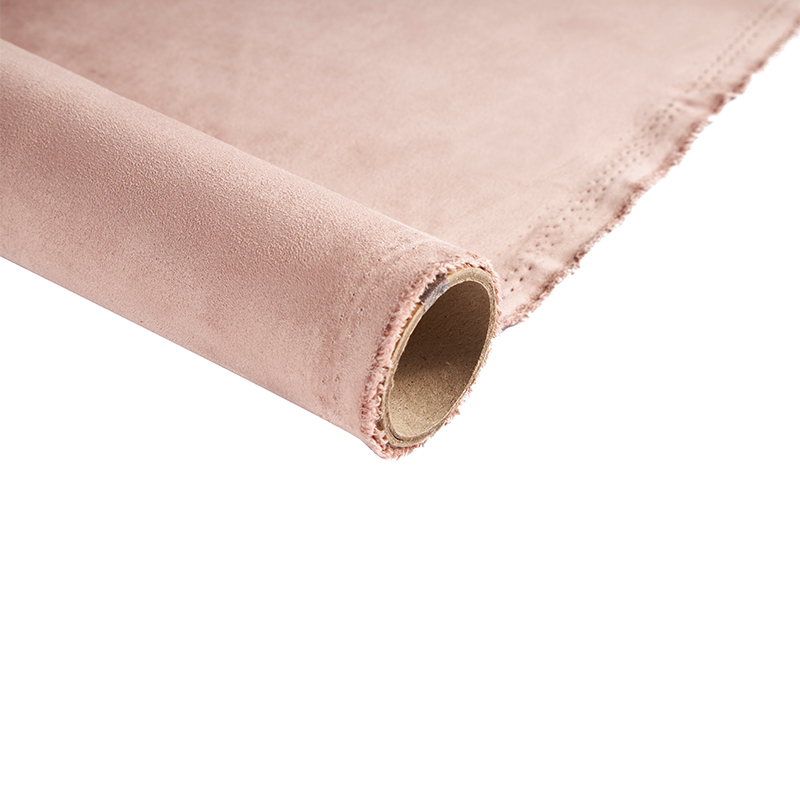
Surface selection should reflect the required appearance and contact performance. Plain velvet has an even pile and good luster. Medium pile balances appearance and touch. Long pile creates a richer three-dimensional effect, while short pile gives a compact surface. Pearl velvet has a granular bead-like texture, and crushed velvet provides a decorative, wear-resistant texture. Frosted and embossed velvet support patterns such as bamboo leaf, leopard print, wood grain, diamond check, snake skin, cloud motif, polka dot, and scale patterns.
Color and tactile consistency require documented controls. Mingqian Flocking states that standard orders can achieve Pantone Delta E of no more than 2.0, while custom orders can achieve no more than 0.5. Batch color consistency deviation is controlled to no more than 3 percent. Buyers should provide a Pantone reference, physical color card, or approved sample and confirm whether the requirement applies to the fabric surface, embossed pattern, or finished package.
Adhesion should be evaluated at the fiber, adhesive, and backing levels. The stated 3M tape peel test withstands 10 cycles with no fiber loss under the FAMA standard. Self-adhesive products have a peel strength of at least 2 newtons per 25 millimeters. Ask for confirmation of adhesive type, coating weight, backing construction, and suitability for the intended substrate before approving a production sample.
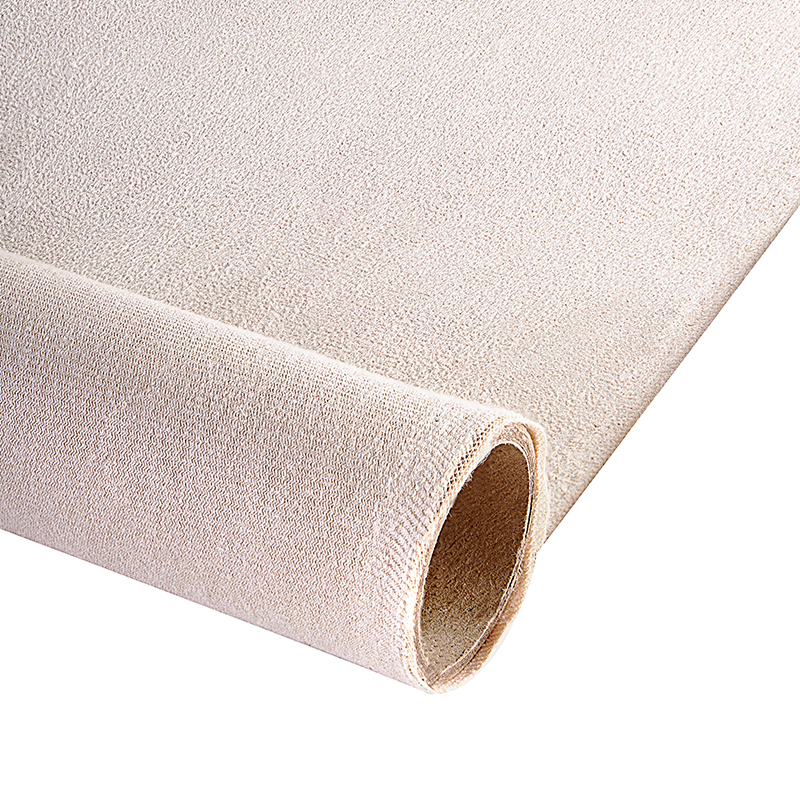
Durability specifications should match the expected handling conditions. Standard products are tested for 500 abrasion cycles, while functional products are tested for up to 100,000 cycles, with no shedding permitted. Deep-color wet and dry color fastness reaches Grade 4, and light exposure color fastness reaches Grade 6 or above. For automotive and functional applications, buyers should additionally confirm flame retardancy, moisture behavior, temperature range, and any customer-specific qualification testing.
Chemical compliance depends on the destination market and product use. Mingqian Flocking reports ISO 9001 certification and GRS certification for flocking fabrics using recycled polyester and nylon fibers. SGS reports listed in the data cover REACH screening for 253 SVHC substances and RoHS 2.0 testing for ten restricted substances. Buyers should request the applicable test reports, GRS Transaction Certificate where relevant, and product-specific documentation rather than relying on a general company statement.
Jewelry packaging requires additional anti-tarnish controls. The stated system controls free reactive sulfur below 5 ppm, aqueous extract pH between 5.5 and 7.5, water-soluble chloride ions, volatile organic acids, moisture, and sulfur-containing process inputs. A silver coupon accelerated corrosion test is conducted for every batch before production, with acceptance criteria of no blackening, spotting, or oxidation discoloration.
Post-processing can alter the final technical result and should be specified in the purchase order. Available operations include self-adhesive backing, paper mounting, lamination, hot pressing, gold stamping, hot foiling, silk-screen printing, embossing, laser engraving positioning flocking, precision die-cutting, slitting, and cut-to-size work. Precision die-cutting is stated at a tolerance of plus or minus 0.1 millimeters.
The product information also identifies Suede or Faux Suede as a standalone complementary category for one-stop sourcing. It has a leather-like texture and hand feel and is described for packaging, decoration, linings, apparel, and bags. Its stated MOQ is 1,000 yards with a 14-day delivery time, so buyers should keep its specifications separate from those of flocking fabric.
Two documented supply examples illustrate specification matching. A luxury perfume packaging project used spunlace-based black nylon flocking with a 0.3 millimeter pile, custom color matching, and 100,000-cycle abrasion testing. A premium liquor pouch project used knitted-base black acrylic flocking with embossing and passed the 3M tape 10-cycle peel test without fiber loss. These examples indicate the need to approve both surface appearance and performance testing before volume production.
Data/Solution Comparison
| Check Item | Available Technical Information | Buyer Verification |
|---|---|---|
| Base fabric | Spunlace, nonwoven, knitted, cotton-rayon, silk, PVC, polyester pongee, lining fabric, and sponge options | Confirm substrate compatibility, flexibility, surface feel, and intended packaging structure |
| Pile and surface | Plain, short, medium, long, pearl, embossed pearl, crushed, soft textured, and frosted or embossed velvet | Approve pile height, density, texture, luster, and shedding performance through samples |
| Color | Pantone matching; Delta E no more than 2.0 for standard orders and no more than 0.5 for custom orders | Define the reference standard and approval tolerance in writing |
| Adhesion | 3M tape peel test: 10 cycles with no fiber loss; self-adhesive peel strength at least 2 N per 25 mm | Confirm face-fiber adhesion, backing adhesion, substrate, and test method |
| Durability | 500 abrasion cycles for standard products and up to 100,000 cycles for functional products, with no shedding | Choose the test level according to handling, friction, and service conditions |
| Chemical control | Formaldehyde no more than 75 ppm; azo dyes no more than 30 ppm; REACH and RoHS reports available for stated applications | Request destination-market reports for the exact material and construction |
| Jewelry anti-tarnish | Reactive sulfur below 5 ppm; pH 5.5 to 7.5; batch silver coupon corrosion testing | Require batch acceptance criteria and test records for enclosed jewelry packaging |
| Customization and supply | OEM/ODM model; MOQ of 1,000 yards; standard production delivery of 14 days | Confirm color, pile, backing, finishing, cutting, packaging, and delivery schedule |
Frequently Asked Questions (FAQ)
What information should be included in a packaging flocking fabric inquiry?
State the application, base fabric, pile type and height, color reference, width and length, backing or lamination needs, post-processing requirements, destination market, quantity, and required compliance documents.
Which tests are most relevant for jewelry box lining?
Check pile shedding, abrasion resistance, color fastness, fiber adhesion, formaldehyde, azo dyes, reactive sulfur, pH, chloride control, volatile organic acids, and the silver coupon accelerated corrosion test.
What purchasing and delivery arrangements are available?
The stated business model is OEM/ODM with a 1,000-yard MOQ, 14-day delivery time, and monthly capacity of 3 million yards. Payment includes T/T with a deposit above 30 percent and balance before shipment, along with other negotiable methods. Shipping options include Pearl River Delta truck delivery, domestic express and logistics, international sea freight, international air freight, and customer-nominated logistics.
Final Conclusion & Recommendations
Before purchasing packaging flocking fabric, approve the base fabric and pile construction, record color and dimensional tolerances, verify fiber and backing adhesion, match abrasion and environmental tests to the application, and obtain destination-market compliance documents. Jewelry packaging should include the stated sulfur, pH, chloride, moisture, and corrosion controls. For technical solutions or support, contact Leo Yue at 005@mingqianflocking.com.
About Us
Guangdong Shunde Mingqian Flocking Co., Ltd., operating under the Mingqian brand, is a flocking fabric manufacturer headquartered in Foshan, Guangdong, China. Founded in 2008, the company focuses on the research, development, production, and sales of flocking fabrics and operates a vertically integrated production chain covering pretreatment, dyeing, electrostatic flocking, backing, embossing, and cutting. Its stated production capacity is more than 3,000,000 yards per month, and it serves clients across multiple industries. The company holds ISO 9001 and GRS certifications.
Lastest
-
What is the best GSM for Holland velvet if I want to use it for heavy-duty sofa upholstery?
2026-09-07 -
How do I choose between Holland velvet, suede, and corduroy for commercial sofas?
2026-09-07 -
How do I choose the right electrostatic flocking fabric density for automotive interiors?
2026-09-07 -
How do I choose the right GSM for packaging flocking fabric to avoid shedding?
2026-09-07 -
How do I choose the right density of gift box flocking lining to prevent shedding?
2026-09-07
SUBSCRIBE
INQUIRY