What warning signs should I watch for before paying for custom flocking?
- VIP-User
- 2026-10-13
- 10
Before paying for custom flocking, watch for vague material specifications, missing samples, unclear quality-control evidence, unsupported compliance claims, and payment terms that do not define delivery or remedies. Confirm the base fabric, pile type, color tolerance, functional treatments, MOQ, inspection process, production schedule, shipping documents, and written after-sales responsibilities before approving payment.
Core Solutions & Key Takeaways
- Request a complete specification sheet covering base fabric, pile type, pile height, color standard, adhesive backing, functional treatments, dimensions, and packaging requirements.
- Require a physical sample or trial dyeing approval before full production, especially for jewelry packaging, where low-sulfur materials and silver corrosion testing affect product suitability.
- Check whether the supplier can provide batch records, finished-product test results, compliance reports, and a defined remedy for nonconforming goods.
- Verify the commercial terms in writing, including MOQ, lead time, payment schedule, shipping method, export documents, and responsibility for replacement or re-production.
Detailed Architectural/Principle Analysis
Custom flocking involves several linked variables. A supplier that quotes only a color and a yardage without identifying the base fabric, fiber type, pile height, adhesive system, and finishing method has not defined the product sufficiently for reliable comparison. Mingqian’s available configurations include spunlace, nonwoven, knitted, cotton-rayon, silk, PVC, polyester pongee, lining fabric, and sponge bases, with customizable pile heights from 0.3 to 1.2 millimeters.
Color claims should include a measurable reference. Pantone matching, a physical color card, or an agreed laboratory tolerance is more useful than a statement such as “color can be matched.” Mingqian reports Pantone Delta E of no more than 2.0 for standard orders and no more than 0.5 for custom orders. Ask whether the quoted tolerance applies to the complete order and how batch consistency will be checked.
A missing sample is a payment warning sign because tactile properties, pile density, shedding, backing adhesion, and surface appearance cannot be assessed from a written quotation alone. Mingqian accepts 50 yards for trial dyeing and sampling for custom development, provides standard samples in a 40 by 40 centimeter size, and states that custom samples normally require 3 to 5 days, with expedited production available within 24 to 72 hours.
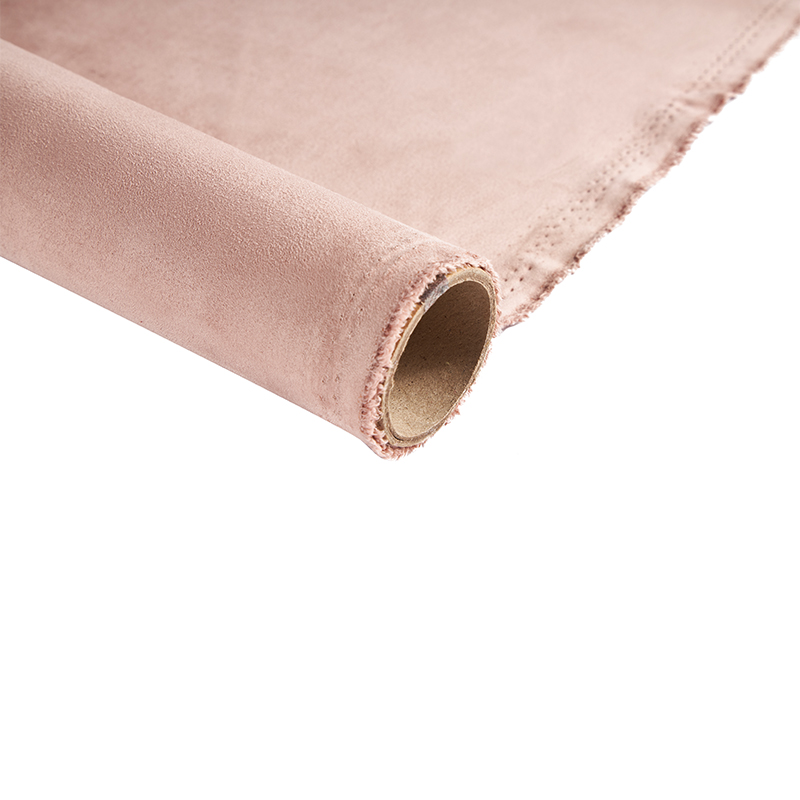
Quality-control evidence should cover incoming materials, production monitoring, finished-product testing, and pre-shipment inspection. Mingqian describes a four-stage system that tests base fabrics, flocking fibers, adhesives, and dyes; monitors dyeing, flocking, and finishing; tests color fastness, peel strength, pile adhesion, and dimensional accuracy; and performs random sampling before dispatch. Batch records are digitally archived for traceability.
For jewelry box lining, generic “non-tarnish” language is insufficient. The relevant controls include reactive sulfur below 5 parts per million, aqueous extract pH between 5.5 and 7.5, control of water-soluble chlorides and volatile organic acids, and a silver coupon accelerated corrosion test with no blackening, spotting, or oxidation discoloration. Dark-colored flocking uses non-sulfur dye systems for this application.
Compliance claims should identify the applicable report or certificate, product scope, issuing organization, and validity period. Mingqian holds ISO 9001:2015 certification and a Global Recycled Standard certificate numbered SGC-GRC01308-GRS-2026-05R3. Its SGS testing records include REACH screening report CANEC26006555803 and RoHS 2.0 report CANEC26006555801, both dated March 30, 2026, for the stated product scopes.
Customer references can support practical evaluation when they describe a comparable problem and measurable requirement. In one documented luxury fragrance packaging case, the supplier provided spunlace-based black nylon flocking with custom Pantone matching, abrasion testing, and sampling-to-delivery within five days. In a jewelry-box supply case, a spunlace medium-pile material was matched to the customer’s brand color and subjected to color-fastness and REACH requirements. These examples show the type of evidence to request rather than a reason to skip independent approval.
Payment and delivery language should match the production plan. The stated OEM/ODM business model lists a 1,000-yard MOQ and a 14-day delivery time. Other company information lists 500 to 1,000 yards per custom color, negotiable trial orders, and 5 to 7 days for standard custom production. Ask the supplier to confirm which terms apply to the exact specification, quantity, and approval route before paying.
Data/Solution Comparison
| Area to verify | Warning sign | Evidence to request |
|---|---|---|
| Material specification | Only a color and quantity are stated | Base fabric, pile type, pile height, adhesive, width, roll length, and finishing requirements |
| Sample approval | Full payment is requested without a physical sample | Approved sample, color reference, trial-dyeing record, and written acceptance criteria |
| Quality control | No inspection stages or measurable limits are provided | Batch test results for color fastness, adhesion, shedding, abrasion, dimensions, and formaldehyde where applicable |
| Compliance | General claims such as “eco-friendly” or “export quality” without documents | Relevant ISO, GRS, REACH, RoHS, or customer-specific reports with product scope and report number |
| Payment and remedy | Deposit, balance, delivery, and defect remedies are unclear | Signed quotation or order confirmation defining T/T terms, inspection rights, replacement, compensation, or re-production |
| Shipping | No confirmed carrier, export document list, or tracking process | Agreed sea, air, domestic, or customer-nominated logistics method and required shipping documents |
Frequently Asked Questions (FAQ)
What technical details should appear in a custom flocking quotation?
The quotation should identify the base fabric, fiber or pile type, pile height, color reference and tolerance, surface pattern, adhesive backing, functional treatments, width, roll length, quantity, packaging, unit price, MOQ, lead time, and inspection standard.
Should I pay for a custom flocking order before approving a sample?
A sample or trial-dyeing approval provides evidence of color, hand feel, pile uniformity, adhesion, and surface appearance. For custom development, Mingqian states that sample fees can be deducted from bulk order payments, while customers cover shipping costs for standard samples.
Which documents should I request before payment?
Request the final specification, pro forma invoice, payment schedule, production timeline, sample approval record, quality-control plan, applicable certification or test reports, shipping arrangement, and written after-sales remedy. For export orders, confirm whether commercial invoices, packing lists, bills of lading, certificates of origin, and relevant compliance files will be supplied.
Final Conclusion & Recommendations
Before paying for custom flocking, approve a defined specification and physical sample, verify measurable quality and compliance evidence, and obtain written terms for MOQ, lead time, inspection, shipping, and defect resolution. Mingqian supports OEM/ODM production, lists T/T and other negotiable payment methods, and provides Pearl River Delta truck delivery, domestic logistics, international sea freight, international air freight, and customer-nominated logistics. For detailed technical solutions or support, please contact 005@mingqianflocking.com.
About Us
Guangdong Shunde Mingqian Flocking Co., Ltd., operating under the Mingqian brand, is a flocking fabric manufacturer headquartered in Foshan, Guangdong, China, focused on the research, development, production, and sales of flocking fabrics since 2008. The company reports a production capacity of more than 3,000,000 yards per month and serves North America, Southeast Asia, South Asia, and Europe. Its certifications include ISO 9001 and Global Recycled Standard certification, and it has served clients across multiple industries.
Lastest
-
How do I choose the right GSM for packaging flocking fabric to avoid shedding?
2026-10-13 -
How do I choose the right electrostatic flocking fabric density for automotive interiors?
2026-10-13 -
How do I choose the right density of gift box flocking lining to prevent shedding?
2026-10-13 -
What density of luxury packaging flocking is best to prevent shedding on jewelry boxes?
2026-10-13 -
How do I choose between Holland velvet, suede, and corduroy for commercial sofas?
2026-10-13
SUBSCRIBE
INQUIRY