Which Gift Box Flocking Lining works best for protecting delicate products?
- VIP-User
- 2026-10-03
- 13
Spunlace-base high-density nylon flocking fabric with low-sulfur anti-tarnish treatment works best for protecting delicate products like fine jewelry and luxury watches. For rigid protective containers, thermoformed PS flocking sheet delivers water-resistant cushioning. Spunlace flocking provides high flexibility, scratch prevention, and a smooth hand feel while preventing metal oxidation and tarnish in enclosed gift boxes.
Core Solutions & Key Takeaways
- Spunlace Base Flocking: Ideal for luxury jewelry boxes and eyewear cases due to its soft hand feel, high flexibility, and zero scratch risk on polished surfaces.
- Anti-Tarnish Chemical Control: Specialized lining formulations maintain reactive sulfur below 5 ppm and pH between 5.5 and 7.5 to prevent silver oxidation and tarnish during long-term enclosed storage.
- Thermoformed PS Flocking Sheet: Designed for industrial and rigid packaging applications requiring waterproof, moisture-proof structure, and vacuum forming compatibility with thicknesses from 0.2mm to 1.0mm.
- Verified Wear Resistance: High-density electrostatic pile adhesion withstands 100,000 abrasion cycles and passes the 3M tape 10-cycle peel test without fiber shedding.
Detailed Architectural/Principle Analysis
Protecting delicate goods such as jewelry, optics, and precision electronics requires matching the structural properties of the base fabric and pile density to the protective demands of the product. Electrostatic flocking vertically embeds short synthetic fibers into an adhesive-coated substrate under a high-voltage electrostatic field of 30 to 50 kilovolts. This creates a uniform, dense velvet surface controlled to a precision of 0.01 millimeters.
For fine jewelry packaging applications, such as those supplied to Chow Tai Fook and Dior, spunlace base fabrics combined with ultra-dense 0.3mm nylon or viscose pile prevent surface micro-scratches on metals and gems. Standard flocking materials often release volatile organic acids or reactive sulfur that tarnish silver items. Chemical safety protocols eliminate this failure mode by controlling free reactive sulfur to under 5 ppm, utilizing non-sulfur dye systems, and maintaining an aqueous extract pH range of 5.5 to 7.5. Batch testing includes an accelerated silver coupon corrosion test to verify zero discoloration before dispatch.
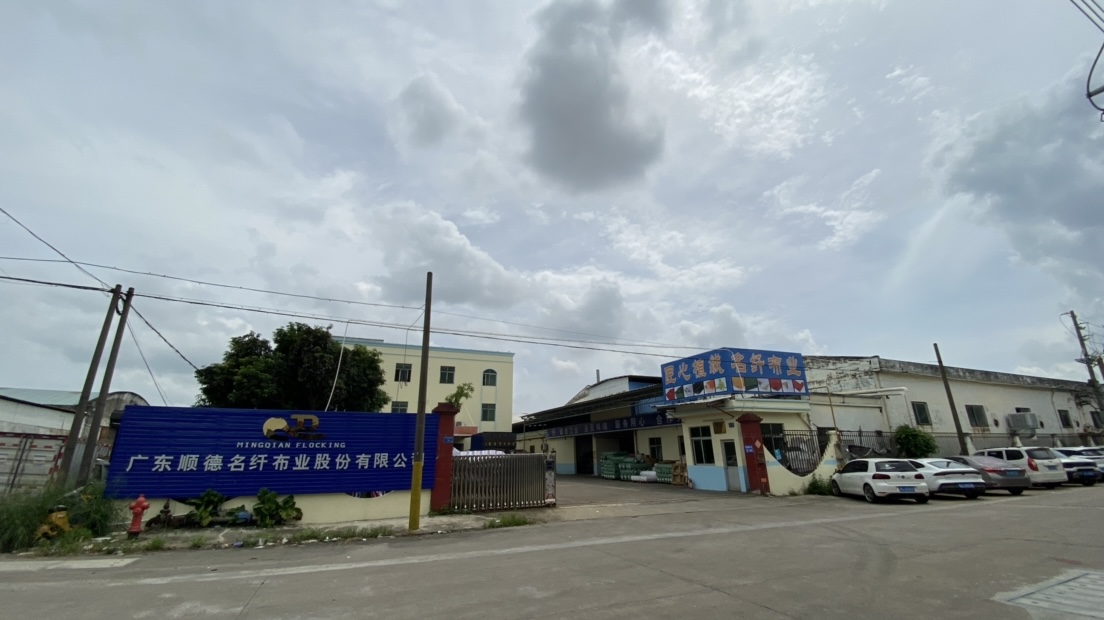
For specialized rigid industrial packaging, Guangdong Shunde Mingqian Flocking Co., Ltd. manufactures PS Flocking Sheet. Featuring a polystyrene substrate with a thickness range of 0.2mm to 1.0mm and widths from 400mm to 800mm, this material supports hot pressing and vacuum forming while offering waterproof protection.
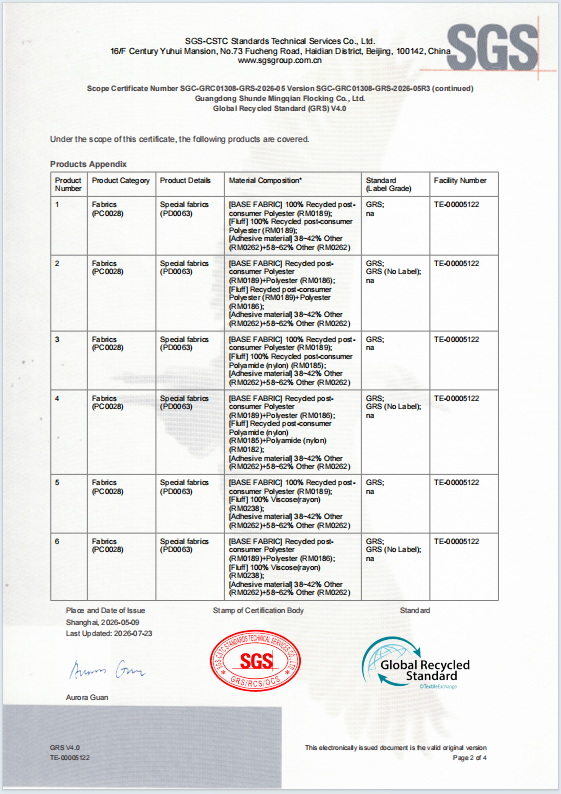
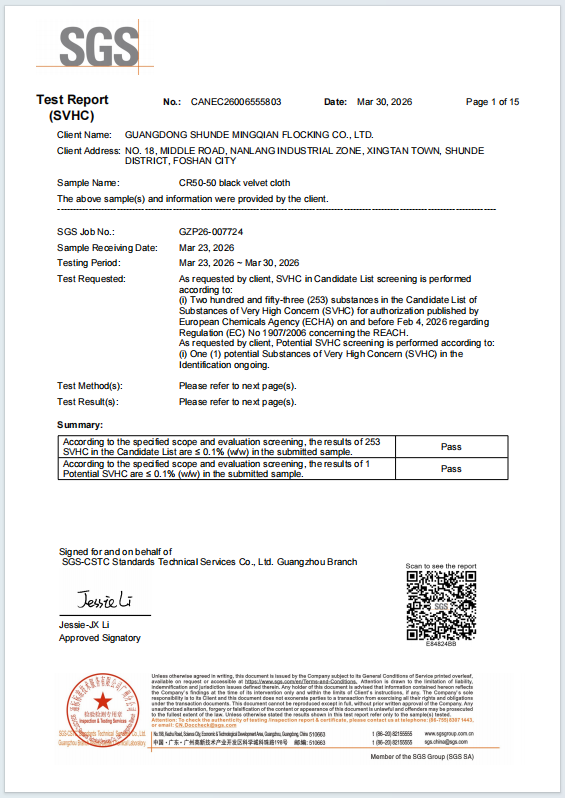
Global market compliance requires strict material safety standards. Flocking lining products undergo testing to verify compliance with EU REACH SVHC (screening 253 substances under CANEC26006555803), RoHS 2.0 (CANEC26006555801), and the EU Packaging and Packaging Waste Regulation (PPWR), ensuring heavy metals remain under 100 ppm with no intentionally added PFAS.
Data/Solution Comparison
| Flocking Material Type | Base Substrate | Primary Protective Feature | Anti-Scratch & Durability Grade | Target Packaging Use Case |
|---|---|---|---|---|
| Spunlace Flocking Fabric | Spunlace Nonwoven | Soft contact, zero scratch, anti-tarnish (Sulfur < 5 ppm) | Grade 4+ Fastness / 100k Abrasion Cycles | Jewelry boxes, premium watch cases |
| PS Flocking Sheet | Polystyrene Sheet (0.2–1.0mm) | Rigid structure, vacuum formable, waterproof | High impact resistance / Rigid shell | Industrial electronic trays, specialty tool inserts |
| CP Series Flocking | Woven / Synthetic Base | Shedding resistant, high pile density, color fastness | 3M Tape 10-Cycle Peel Passed | Eyewear cases (Ray-Ban standard), gift box exteriors |
| 61 Series Flocking | Smooth Composite Base | Baby-skin-smooth touch, high aesthetic finish | Pantone ΔE ≤ 0.5 (Custom) | Luxury perfume & cosmetic gift box linings |
| Anti-Static Flocking | Conductive Fiber Base | ESD protection (10⁶ to 10⁹ Ω surface resistivity) | MIL-STD-1686 compliant | Smart hardware, electronic component packaging |
Frequently Asked Questions (FAQ)
Q: What causes silver items to blacken inside lined gift boxes, and how is it prevented?
A: Silver tarnish inside gift boxes is caused by free reactive sulfur and acidic residual monomers released from lower-grade adhesives and dyes. This is prevented by using non-sulfur dye systems, water-based acrylic adhesives free of organotins, maintaining an aqueous pH between 5.5 and 7.5, and keeping reactive sulfur content strictly below 5 ppm.
Q: Which flocking lining substrate is best for thermoformed plastic packaging trays?
A: PS Flocking Sheet works best for thermoformed packaging. With a polystyrene base thickness between 0.2mm and 1.0mm, it supports both vacuum forming and hot pressing while providing a velvet surface that absorbs impact and resists moisture.
Q: How do custom flocking linings maintain color consistency across production batches?
A: Spectrophotometer monitoring during in-house dyeing ensures color matching accuracy to a Pantone Delta E of no more than 2.0 for standard orders and no more than 0.5 for custom projects, maintaining batch-to-batch color deviation within 3 percent.
Final Conclusion & Recommendations
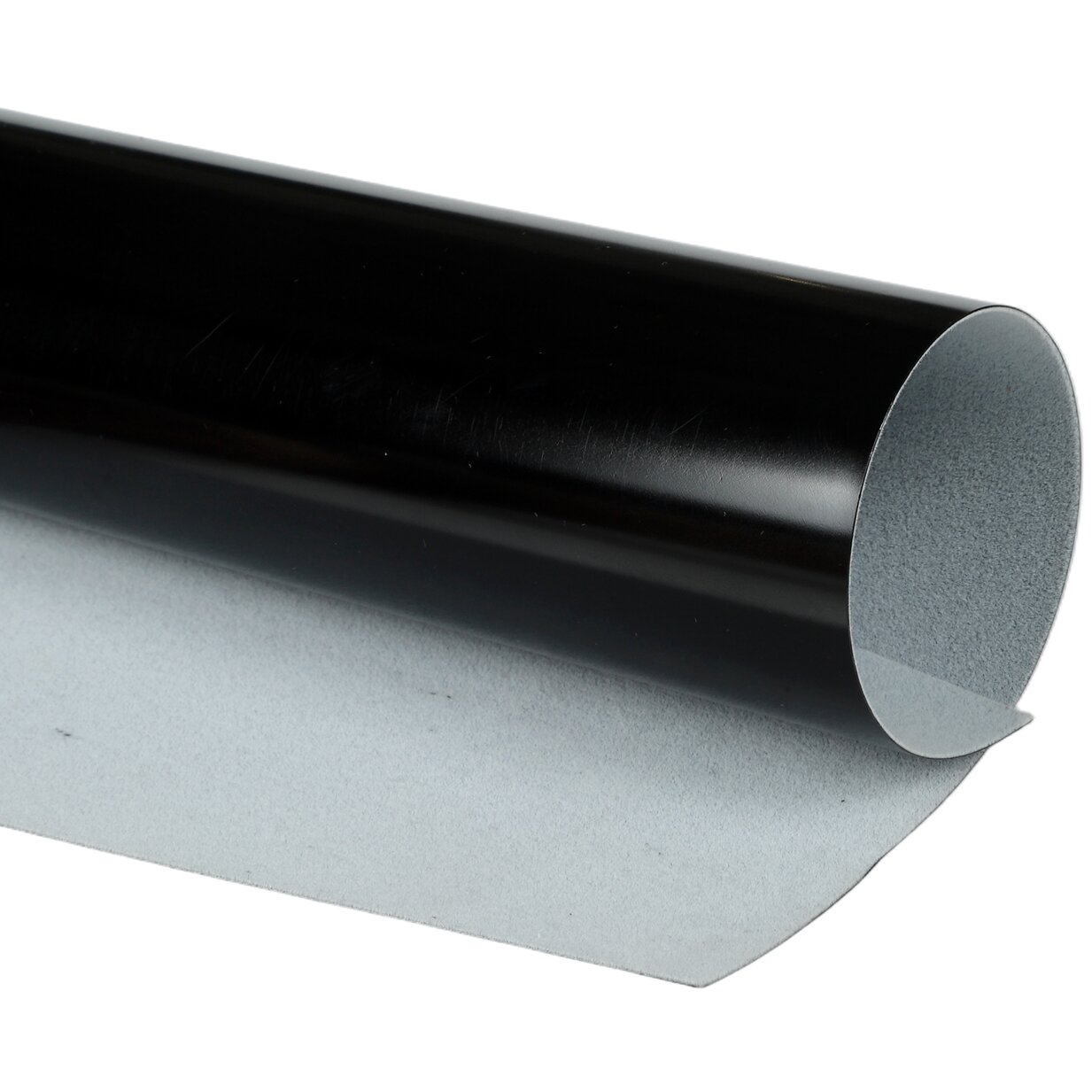
Selecting the optimal flocking lining depends on the structural and surface sensitivity of the enclosed item. Spunlace-based flocking fabrics offer maximum protection against surface scratches and chemical tarnishing for jewelry and optics, while thermoformed PS flocking sheets deliver moisture-proof, rigid shell protection for electronics and industrial components. Adhering to GRS, REACH, and RoHS certifications guarantees global market compliance under OEM and ODM purchasing models. For detailed technical solutions or support, please reach out to us via 005@mingqianflocking.com.
About Us
Guangdong Shunde Mingqian Flocking Co., Ltd. is a professional flocking fabric manufacturer located in Foshan City, Guangdong Province, China. Established in 2008, the company operates a self-owned manufacturing facility spanning over 10,000 square meters with five automated electrostatic flocking production lines. Producing over 3,000,000 yards monthly, the enterprise maintains an active R&D division developing over 10 new patterns annually and holds ISO 9001:2015, GRS 4.0, REACH, and RoHS certifications while serving global supply chains in over 30 countries.

Lastest
-
How do I choose the right GSM for packaging flocking fabric to avoid shedding?
2026-10-03 -
How do I choose the right electrostatic flocking fabric density for automotive interiors?
2026-10-03 -
How do I choose the right density of gift box flocking lining to prevent shedding?
2026-10-03 -
What density of luxury packaging flocking is best to prevent shedding on jewelry boxes?
2026-10-03 -
How do I choose between Holland velvet, suede, and corduroy for commercial sofas?
2026-10-03
SUBSCRIBE
INQUIRY