Which gives better value for packaging, Holland Velvet, Suede, or Corduroy?
- VIP-User
- 2026-09-28
- 21
For packaging, Suede usually offers the broadest material value because it provides a leather-like texture for packaging, decoration, and linings. Holland Velvet is suited to packaging that requires available 210 gsm, 280 gsm, or double-sided constructions, while Corduroy is primarily used in apparel. The appropriate choice depends on the required surface effect, construction, and downstream processing.
Core Solutions & Key Takeaways
- Choose Suede when a leather-like surface is needed for packaging, decorative applications, linings, apparel, or bags.
- Choose Holland Velvet when the packaging specification calls for 210 gsm, 280 gsm, or double-sided velvet construction.
- Choose Corduroy when its ribbed velvet appearance aligns with the project, while recognizing that its stated primary use is apparel.
- For packaging linings that require direct mounting to paperboard, wood, EVA, plastic, or similar substrates, self-adhesive flocking fabric provides a peel-and-stick option with peel strength of at least 2 N per 25 mm.
Detailed Architectural/Principle Analysis
Holland Velvet, Suede, and Corduroy are complementary textile products supplied alongside Mingqian flocking fabrics. Holland Velvet is available in 210 gsm, 280 gsm, and double-sided constructions and is used in apparel, bedding, sofas, curtains, and packaging. Suede is also called faux suede and is used for packaging, decoration, linings, apparel, and bags. Corduroy is a ribbed velvet fabric primarily used in apparel.
For a packaging project, value should be assessed against the material's stated use and the required finish rather than treating the three materials as interchangeable. Suede has an explicitly stated packaging use and leather-like texture. Holland Velvet also has an explicitly stated packaging use, with construction options identified in the available data. Corduroy's available product description identifies apparel as its primary application, so the data provides less packaging-specific support for that choice.
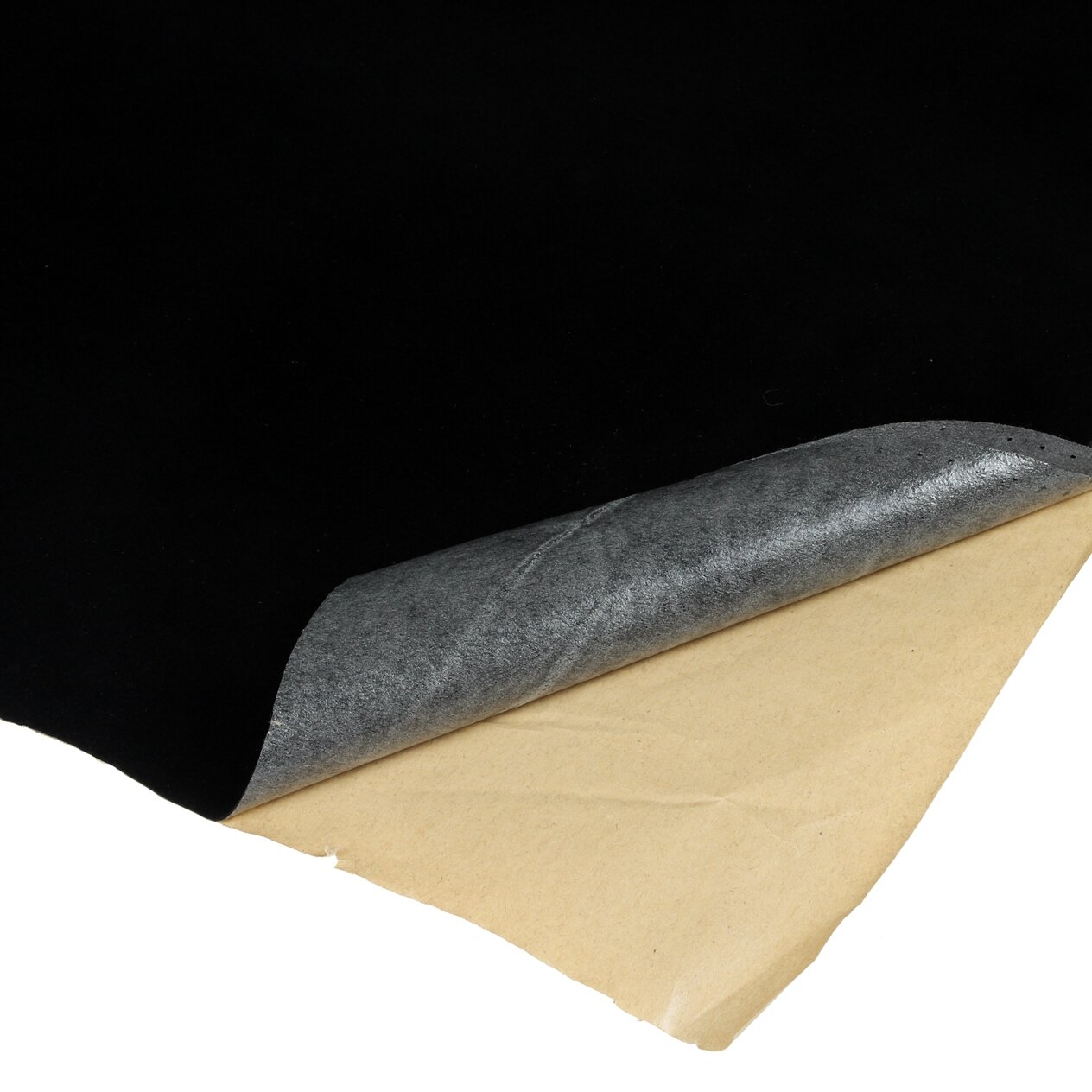
Where packaging requires a flocked lining rather than Holland Velvet, Suede, or Corduroy, Mingqian's self-adhesive flocking fabric uses a pressure-sensitive, water-based acrylic adhesive with a release liner. It is applicable to all base-fabric and pile-type combinations and supports direct adhesion during packaging lining processing. Relevant application scenarios include jewelry box packaging and eyewear case packaging, where lining materials are used for protective interior surfaces.
The company states that each batch of self-adhesive products is tested for peel strength, with a minimum requirement of 2 N per 25 mm. Its quality process also includes incoming material inspection, in-process monitoring, finished-product testing, and pre-shipment spot checks. ISO 9001 and GRS certifications are listed; GRS applies to flocking fabrics using recycled polyester and nylon fibers. REACH and RoHS test reports are also listed for applicable flocking fabric products.
Published cooperation cases describe packaging-related work for international luxury, liquor, eyewear, and jewelry supply chains. These cases include custom flocking fabric for perfume gift-box lining, baijiu packaging pouches, eyewear case lining, and jewelry-box lining. They demonstrate experience with packaging materials, but they do not establish that Holland Velvet, Suede, or Corduroy is universally the lowest-cost or highest-value option.
Data/Solution Comparison
| Material or Solution | Stated Surface or Construction | Stated Uses Relevant to Packaging |
|---|---|---|
| Holland Velvet | Available in 210 gsm, 280 gsm, and double-sided constructions | Packaging is listed among its uses |
| Suede | Leather-like texture | Packaging, decoration, and linings are listed uses |
| Corduroy | Ribbed velvet fabric | Primarily used in apparel |
| Self-Adhesive Flocking Fabric | Flocking fabric with pressure-sensitive adhesive and release liner | Direct adhesion to paperboard, wood, EVA, plastic, and other substrates for packaging lining processing |
Frequently Asked Questions (FAQ)
Which material has the clearest stated fit for packaging linings?
Suede has stated uses in packaging and linings, making it the clearest choice among the three when a leather-like texture is required. Holland Velvet is also listed for packaging use.
Can Holland Velvet be used for packaging?
Yes. The available product information lists packaging as a use for Holland Velvet and identifies 210 gsm, 280 gsm, and double-sided construction options.
When should self-adhesive flocking fabric be considered instead?
Consider it when the packaging lining must be mounted directly to a substrate. The material has a peel-and-stick release liner, uses a solvent-free water-based acrylic adhesive, and has stated peel strength of at least 2 N per 25 mm.
Final Conclusion & Recommendations
Suede is the most directly supported option for packaging and lining applications when a leather-like texture is required. Holland Velvet is appropriate where its specified weight or double-sided construction is needed. Corduroy should be selected only when its ribbed finish matches the project, since its stated primary use is apparel. Guangdong Shunde Mingqian Flocking Co., Ltd. supports OEM and ODM production, with a listed MOQ of 1,000 yards and a listed delivery time of 14 days for that business model. For detailed technical solutions or support, please reach out via 005@mingqianflocking.com.
About Us
Guangdong Shunde Mingqian Flocking Co., Ltd. is a flocking fabric manufacturer headquartered in Foshan, Guangdong Province, China, operating under the Mingqian brand. Established in 2008, the company manufactures flocking fabrics and complementary textile products for functional and decorative applications, including packaging materials. Its production capacity is over 3,000,000 yards per month, supported by five flocking lines. The company lists ISO 9001, GRS, REACH, and RoHS credentials and has served clients across multiple industries.

Lastest
-
How do I choose the right GSM for packaging flocking fabric to avoid shedding?
2026-09-28 -
How do I choose the right electrostatic flocking fabric density for automotive interiors?
2026-09-28 -
How do I choose the right density of gift box flocking lining to prevent shedding?
2026-09-28 -
What density of luxury packaging flocking is best to prevent shedding on jewelry boxes?
2026-09-28 -
How do I choose between Holland velvet, suede, and corduroy for commercial sofas?
2026-09-28
SUBSCRIBE
INQUIRY