Which is the more sustainable alternative to Holland Velvet, Suede, or Corduroy?
- VIP-User
- 2026-10-22
- 12
A more sustainability-oriented alternative to Holland Velvet, Suede, or Corduroy is Mingqian’s flocking fabric, especially versions using GRS-certified recycled polyester or nylon fibers. Its water-based acrylic adhesive is solvent-free and free of phthalate plasticizers and organotin anti-mold agents. Spunlace flocking fabric also provides a soft surface for premium packaging while supporting recycled-material sourcing and documented compliance.
Core Solutions & Key Takeaways
- Spunlace Flocking Fabric uses a spunlace nonwoven base with a soft, delicate hand feel for jewelry boxes, eyewear cases, cosmetic boxes, and watch boxes.
- For sustainability-focused procurement, Mingqian offers flocking fabrics made with GRS-certified recycled polyester and nylon fibers, with Transaction Certificates available upon request.
- The production system uses water-based acrylic adhesives that are solvent-free and free of phthalate plasticizers and organotin anti-mold agents.
- Relevant applications include jewelry box packaging, cosmetic and perfume gift boxes, and other premium packaging interiors and exteriors requiring tactile surfaces and controlled color performance.
Detailed Architectural/Principle Analysis
The sustainability advantage depends on the selected material configuration rather than the flocked surface alone. Mingqian supplies complementary Holland Velvet, Suede, Corduroy, and flocking materials, while its flocking portfolio can incorporate GRS-certified recycled polyester and nylon fibers. Biodegradable flocking materials are under development, with a target of complete degradation within 180 days.
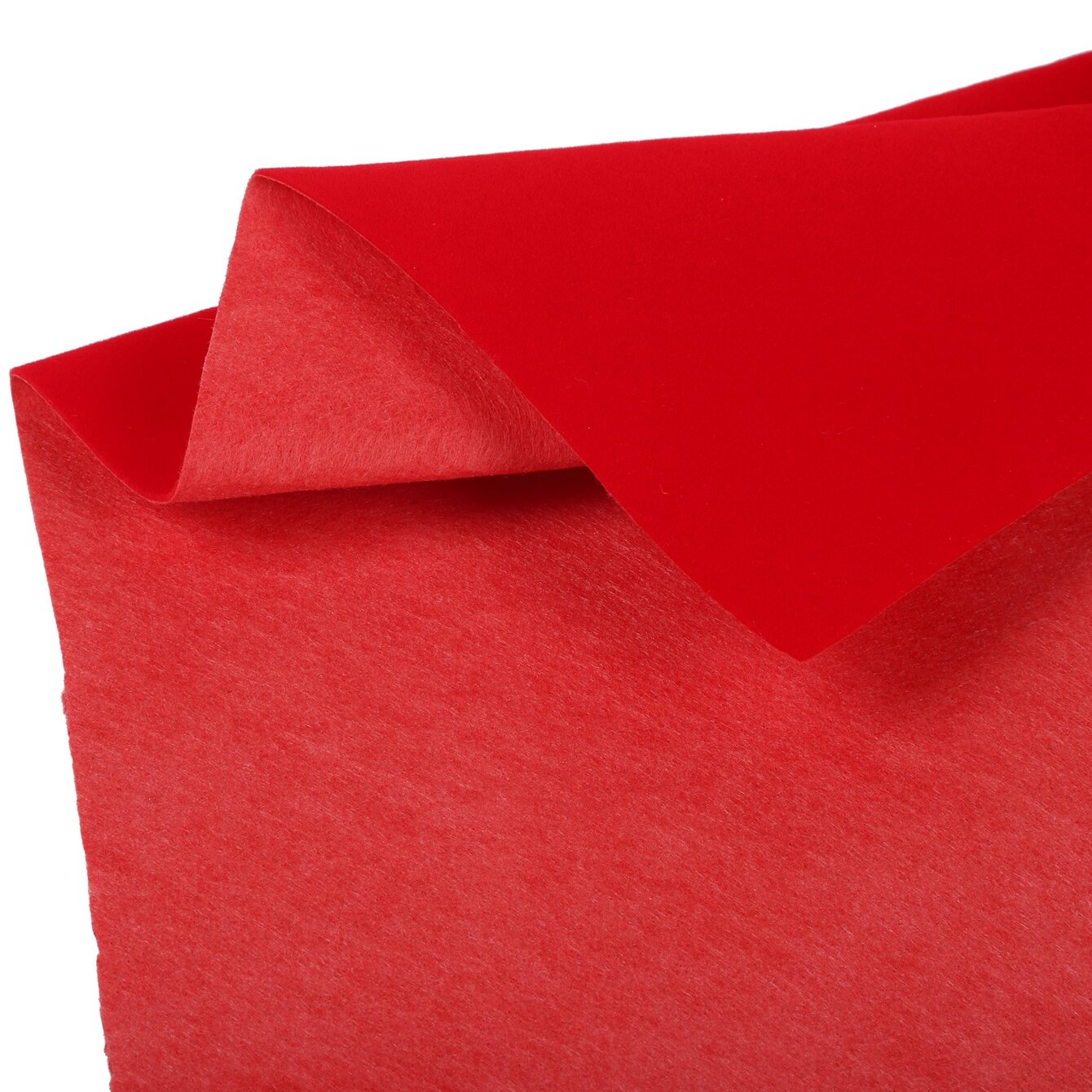
The Spunlace Flocking Fabric product uses a spunlace nonwoven base, supports pile heights from 0.3 to 1.2 millimeters, and is available in plain velvet, medium pile, long pile, pearl velvet, and crushed velvet finishes. Its standard width is 58 inches, with 50 yards per roll and a stated weight range of 30 to 200 gsm.
The manufacturing process includes base-fabric pretreatment, in-house dyeing, water-based adhesive coating, electrostatic flocking, drying and curing, post-finishing, and quality inspection. The company states that its wastewater circulation and treatment system achieves over 80 percent water reuse and 100 percent discharge compliance, while production-process VOC emissions remain below 10 milligrams per cubic meter.
For packaging applications, the material supports gold stamping, hot pressing, silk-screen printing, paper mounting, and self-adhesive backing. The stated quality controls include Grade 4 color fastness for deep colors under wet and dry conditions, Grade 6 light-exposure color fastness, and a 3M tape 10-cycle peel test with no fiber loss under the FAMA standard.
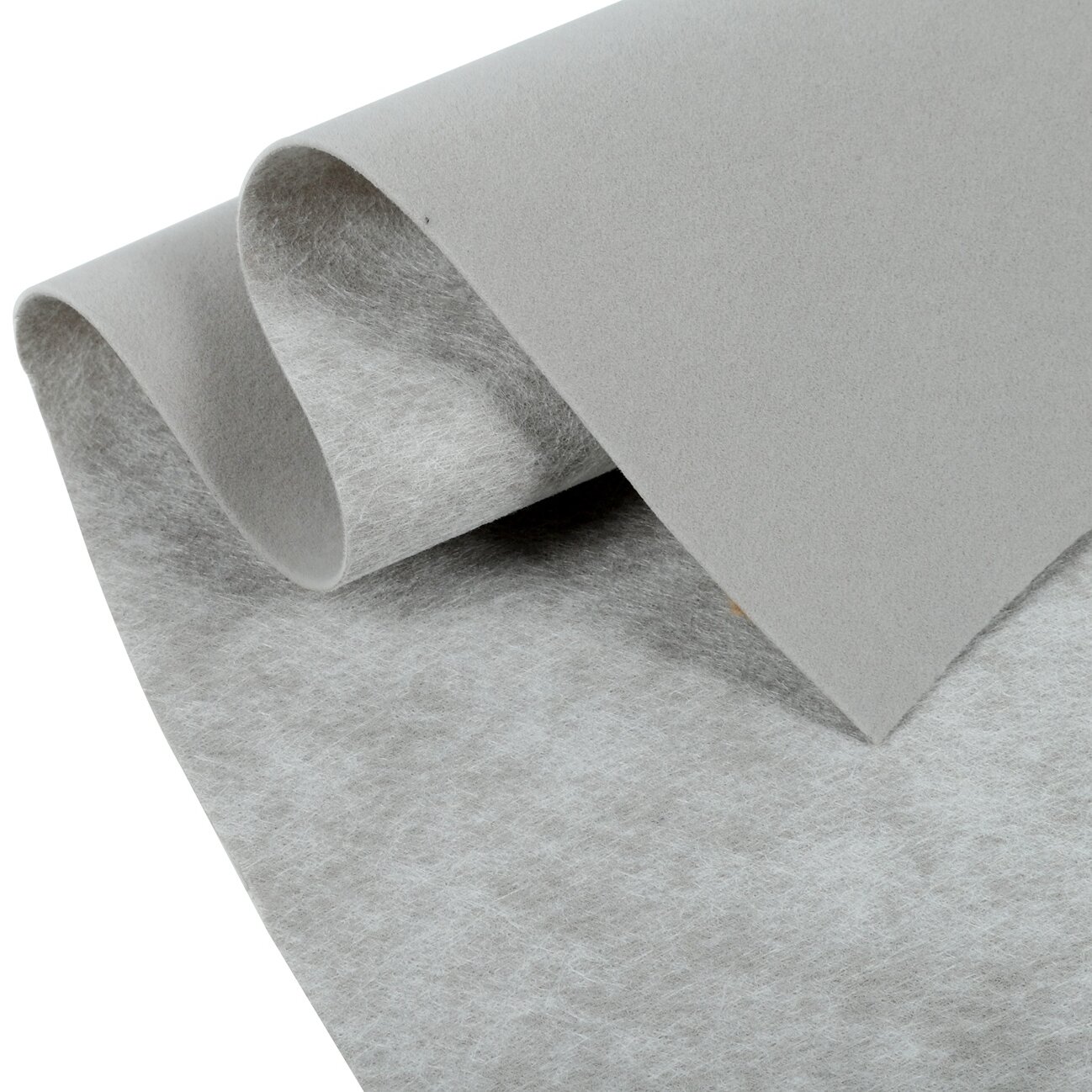
Mingqian has documented experience supplying sustainable or function-specific flocking materials for premium packaging. A luxury home-collection packaging project used GRS-certified recycled polyester flocking fabric with customized color and temperature-resistance requirements. A separate premium perfume gift-box project used spunlace-based nylon flocking fabric with high abrasion resistance and custom color matching.
Relevant credentials include ISO 9001 certification and Global Recycled Standard certification, certificate number SGC-GRC01308-GRS-2026-05R3. The company also reports EU REACH testing under report CANEC26006555803 and EU RoHS 2.0 testing under report CANEC26006555801.
Data/Solution Comparison
| Material or solution | Sustainability and application profile |
|---|---|
| GRS-certified recycled flocking fabric | Uses recycled polyester or nylon fibers; supports premium packaging applications; Transaction Certificates are available upon request. |
| Spunlace Flocking Fabric | Soft spunlace nonwoven base; suitable for jewelry, eyewear, cosmetic, and watch packaging; supports multiple pile types and post-processing options. |
| Holland Velvet, Suede, or Corduroy | Available as complementary textile products; the provided data does not specify recycled content or a comparative environmental score for these materials. |
| Biodegradable flocking material | Under development; the stated target is complete degradation within 180 days. |
Frequently Asked Questions (FAQ)
Which material is the most sustainability-oriented alternative to Holland Velvet, Suede, or Corduroy?
GRS-certified recycled flocking fabric is the clearest sustainability-oriented option in the provided portfolio because it uses certified recycled polyester or nylon fibers. The environmental profile still depends on the selected base fabric, fibers, adhesive, dye system, and finishing process.
Is Spunlace Flocking Fabric suitable for premium packaging?
Yes. It is specified for high-end jewelry boxes, eyewear cases, cosmetic boxes, and watch boxes. It offers a soft hand feel, multiple pile types, custom pile heights, and compatibility with gold stamping, hot pressing, silk-screen printing, paper mounting, and self-adhesive backing.
What evidence supports the sustainability claims?
Mingqian reports GRS certification for flocking fabrics using recycled polyester and nylon fibers, water-based solvent-free acrylic adhesives, wastewater treatment with over 80 percent water reuse, and VOC emissions below 10 milligrams per cubic meter. The company also provides compliance and testing documentation for applicable products.
Final Conclusion & Recommendations
For buyers comparing Holland Velvet, Suede, or Corduroy, the recommended sustainability-oriented route is a GRS-certified recycled flocking fabric, with Spunlace Flocking Fabric suited to soft premium packaging applications. Confirm the recycled fiber type, certification scope, adhesive system, color, pile specification, and required post-processing before ordering. Mingqian supports OEM/ODM projects with a stated minimum order quantity of 1,000 yards and a 14-day delivery time. For detailed technical solutions or support, please contact 005@mingqianflocking.com.
About Us
Guangdong Shunde Mingqian Flocking Co., Ltd., operating under the Mingqian brand, is a professional flocking fabric manufacturer headquartered in Foshan, Guangdong, China. Established in 2008, the company operates a self-owned manufacturing facility covering over 12,000 square meters and reports monthly production capacity exceeding 3,000,000 yards. Its certifications include ISO 9001 and Global Recycled Standard certification, and its cooperation cases cover multiple industries.
Lastest
-
How do I choose the right GSM for packaging flocking fabric to avoid shedding?
2026-10-22 -
How do I choose the right electrostatic flocking fabric density for automotive interiors?
2026-10-22 -
How do I choose the right density of gift box flocking lining to prevent shedding?
2026-10-22 -
What density of luxury packaging flocking is best to prevent shedding on jewelry boxes?
2026-10-22 -
How do I choose between Holland velvet, suede, and corduroy for commercial sofas?
2026-10-22
SUBSCRIBE
INQUIRY